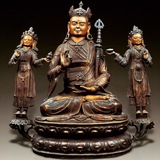
~Paltrul Rinpoche✨🌺
I LIKE SUFFERING
I don’t like happiness, I like suffering:
If I am happy, the five poisons increase.
If I suffer, my past bad karma is exhausted.
I don’t value high positions, I like low ones.
If I am important, my pride and jealousy increase;
If I am lowly, I relax and my spiritual practice grows.
The lowest place is the seat of the saints of the past.
Quoted in the book :
"The Heart of Compassion: The Thirty-seven Verses on the Practice of a Bodhisattva"
.
I LIKE SUFFERING
I don’t like happiness, I like suffering:
If I am happy, the five poisons increase.
If I suffer, my past bad karma is exhausted.
I don’t value high positions, I like low ones.
If I am important, my pride and jealousy increase;
If I am lowly, I relax and my spiritual practice grows.
The lowest place is the seat of the saints of the past.
Quoted in the book :
"The Heart of Compassion: The Thirty-seven Verses on the Practice of a Bodhisattva"
.
As all of you may know, a 10-day Mani recitation retreat has been held annually in Rinchen Ling Monastery of Nepal during the past several years. However, given the Covid-19 pandemic and the restrictions that follow, it is no longer possible for everyone to come together physically and participate in this Drubchen as before.
In order to ensure that everyone still has the wonderful opportunity to participate in this auspicious event, we are pleased to announce that it will be conducted online this year.
As the esteemed Rinpoches and Lamas are going to be in a retreat from 23-29 Dec 2020, this online mani Drubchen is therefore scheduled to be from 25 -29 Dec 2020. During which, we are very honoured to have H.E. Nubpa Rinpoche impart his precious teachings in every first session of the Drubchen from 8-9 am ( Nepal Standard Time ).
All are welcome to join this inaugural online event on Zoom and Facebook at the following schedule ( Kindly note that the timing is Nepal Standard Time ) :
Session 1 :
8:00 - 10:00 am : Teaching and Chanting
Session 2 :
2:00 - 3:30 pm : Chanting
Session 3 :
7:00-8:30 pm : Chanting and Dedication.
To register, for zoom ID email with your contact number to dkrinchenling@gmail.com or enquiry@dkomcentre.org.sg or drigungkagyu@yahoo.com
For those residing in the US or Europe, there will also be a chanting session by Rinchen Ling Monastery from 2:00-4:00 pm ( New York Time ) from Dec 25 - 29 2020.
To register, email
Ksonam108@ gmail.com
过去数年,尼泊尔仁钦林寺每年都会举办为期10天的玛尼闭关法会。有鉴于冠病19大流行带来的种种限制,今年无法像以往一样让大家亲临寺庙共修。
然而,为了确保大家仍然有机会参与这个殊胜的活动,我们今年将把闭关法会搬到线上举行。
尊敬的仁波切们和喇嘛们将从2020年12月23日开始闭关至29日,而闭关法会将于12月25日至29日通过网络开放给佛友们参加。在此期间,我们很荣幸邀得尊贵的努巴仁波切每天在法会的第一座(尼泊尔时间早上8时至9时)授予珍贵的开示。
欢迎大家按照以下时间表通过Zoom和面簿参与首届玛尼网络闭关法会(注:以下时间为尼泊尔时间):
第一座:
8:00 - 10:00 am :开示和持咒
第二座:
2:00 - 3:30 pm :持咒
第三座:
7:00-8:30 pm :持咒和回向
如欲报名参加,请将联络号码电邮至
dkrinchenling@gmail.com enquiry@dkomcentre.org.sg
drigungkagyu@yahoo.com
居住在美国或欧洲的佛友,可从2020年12月25日至29日下午2时至4时(纽约时间)参与持咒。
In order to ensure that everyone still has the wonderful opportunity to participate in this auspicious event, we are pleased to announce that it will be conducted online this year.
As the esteemed Rinpoches and Lamas are going to be in a retreat from 23-29 Dec 2020, this online mani Drubchen is therefore scheduled to be from 25 -29 Dec 2020. During which, we are very honoured to have H.E. Nubpa Rinpoche impart his precious teachings in every first session of the Drubchen from 8-9 am ( Nepal Standard Time ).
All are welcome to join this inaugural online event on Zoom and Facebook at the following schedule ( Kindly note that the timing is Nepal Standard Time ) :
Session 1 :
8:00 - 10:00 am : Teaching and Chanting
Session 2 :
2:00 - 3:30 pm : Chanting
Session 3 :
7:00-8:30 pm : Chanting and Dedication.
To register, for zoom ID email with your contact number to dkrinchenling@gmail.com or enquiry@dkomcentre.org.sg or drigungkagyu@yahoo.com
For those residing in the US or Europe, there will also be a chanting session by Rinchen Ling Monastery from 2:00-4:00 pm ( New York Time ) from Dec 25 - 29 2020.
To register, email
Ksonam108@ gmail.com
过去数年,尼泊尔仁钦林寺每年都会举办为期10天的玛尼闭关法会。有鉴于冠病19大流行带来的种种限制,今年无法像以往一样让大家亲临寺庙共修。
然而,为了确保大家仍然有机会参与这个殊胜的活动,我们今年将把闭关法会搬到线上举行。
尊敬的仁波切们和喇嘛们将从2020年12月23日开始闭关至29日,而闭关法会将于12月25日至29日通过网络开放给佛友们参加。在此期间,我们很荣幸邀得尊贵的努巴仁波切每天在法会的第一座(尼泊尔时间早上8时至9时)授予珍贵的开示。
欢迎大家按照以下时间表通过Zoom和面簿参与首届玛尼网络闭关法会(注:以下时间为尼泊尔时间):
第一座:
8:00 - 10:00 am :开示和持咒
第二座:
2:00 - 3:30 pm :持咒
第三座:
7:00-8:30 pm :持咒和回向
如欲报名参加,请将联络号码电邮至
dkrinchenling@gmail.com enquiry@dkomcentre.org.sg
drigungkagyu@yahoo.com
居住在美国或欧洲的佛友,可从2020年12月25日至29日下午2时至4时(纽约时间)参与持咒。
10 декабря 2020 г. Его Святейшество Далай-лама дарует онлайн-учения по сочинениям Чже Цонкапы «Восхваление взаимозависимого происхождения» (тендрел топа) и «Краткий ламрим» (ламрим дудон).
Приблизительное время трансляции: 6:30–7:30 утра (мск).
Страницы трансляции: https://ru.dalailama.com/live и http://savetibet.ru/2020/12/09/dalai-lama-livestream.html
Приблизительное время трансляции: 6:30–7:30 утра (мск).
Страницы трансляции: https://ru.dalailama.com/live и http://savetibet.ru/2020/12/09/dalai-lama-livestream.html
The 14th Dalai Lama
The Office of His Holiness The Dalai Lama | The 14th Dalai Lama
The Official Website of The Office of His Holiness the 14th Dalai Lama
Samsara and Ego-Clinging
But now I must tell you one or two things. In the mind of everyone, of every living, sentient being, there is a fundamental nature or ground, the so-called sugatagarbha. This is the seed of Samantabhadra, the seed of buddhahood.
Although this is something we all have, we do not recognize it. It is unknown to us. This ground, which is our spontaneous awareness, has been with us “from the beginning.” It is like a mirror. When someone with a happy face looks in a mirror, the reflection of a happy face appears. When someone with a sad face looks into it, a sad face appears. The primordial ground is just like a mirror.
The reflection of a person with a happy face looking into a perfectly clear mirror, the primordial ground, is like Samantabhadra, who awoke to his ultimate nature. Samantabhadra, it is said, “captured the citadel of the primordial ground, awoke, recognized his own nature, and was free.”
But we ordinary beings fail to recognize this nature, the mirrorlike primordial ground. For us, the situation is like someone with a downcast face looking into the mirror: a sad reflection appears! This is precisely what happens when, through our habit of samsara, the primordial ground is transformed into the so-called alaya.
A subtle ego-apprehending consciousness emerges from it, and the sense of “I” and clinging to “I” manifest. When this happens, another mental state occurs, projected outward onto objects, which are perceived as being outside and separate from the mind.
The primary mechanism of “I-apprehension” may beThe primary mechanism of “I-apprehension” may be compared to a house with six doors, corresponding to the six consciousnesses. This is how it works: “I-apprehension,” the thought of “I,” expands into other mental states. Thus a second thought arises and is projected (let’s say through one of the doors of the house) toward various patches of color that are the objects of the visual sense. After this, there is a thought of recognition: the object is identified and named as this or that.
The apprehension of the characteristics of colors and so on, grasped as outer objects, is the definition of visual consciousness. Similarly, a consciousness projects onto objects of hearing, so that we hear sounds. Then other, even coarser, thoughts develop and run after the sound, recognizing it as this or that, this word, that word, apprehending it as pleasant or unpleasant.
The coordinator of these thoughts is the auditive or ear consciousness. Then there is a consciousness that projects out, toward objects of smell.
Steadily adverted to, these are apprehended as outer realities and are experienced as pleasant or unpleasant, and thus we have the smell consciousness. Again, another consciousness expands out toward objects of taste, apprehended as delicious or revolting, sweet or sour. This is the taste consciousness.
Finally, there is a consciousness projected onto the body, the consciousness of touch, which apprehends physical contact, rough or smooth, as the case may be. We can see therefore that, based on the state of mind that thinks “I” is experienced as somehow inhabiting the body, which is in turn regarded as a single entity, the five kinds of consciousness project outward by means of the five sense organs.
There are six consciousnesses altogether: the five sense consciousnesses plus the mental consciousness, and it is thanks to these that samsara unfolds.
Samsaric activity proceeds apace and we remain in delusion. The root of delusion is ignorance, and the root of ignorance is ego-apprehension, the idea of “I.” Samsara occurs simply because we do not recognize our true nature. It is on account of this “I,” this clinging to the notion of self, that we conceive of “others.” As a result, we enter into subject-object relationships, and these prevent us from escaping from samsara.
Because we have a sense of “I” and cling to self, pride occurs. Because we cling to self, anger and the other emotional poisons arise. If we are practicing according to the lower vehicles, we must discard th
But now I must tell you one or two things. In the mind of everyone, of every living, sentient being, there is a fundamental nature or ground, the so-called sugatagarbha. This is the seed of Samantabhadra, the seed of buddhahood.
Although this is something we all have, we do not recognize it. It is unknown to us. This ground, which is our spontaneous awareness, has been with us “from the beginning.” It is like a mirror. When someone with a happy face looks in a mirror, the reflection of a happy face appears. When someone with a sad face looks into it, a sad face appears. The primordial ground is just like a mirror.
The reflection of a person with a happy face looking into a perfectly clear mirror, the primordial ground, is like Samantabhadra, who awoke to his ultimate nature. Samantabhadra, it is said, “captured the citadel of the primordial ground, awoke, recognized his own nature, and was free.”
But we ordinary beings fail to recognize this nature, the mirrorlike primordial ground. For us, the situation is like someone with a downcast face looking into the mirror: a sad reflection appears! This is precisely what happens when, through our habit of samsara, the primordial ground is transformed into the so-called alaya.
A subtle ego-apprehending consciousness emerges from it, and the sense of “I” and clinging to “I” manifest. When this happens, another mental state occurs, projected outward onto objects, which are perceived as being outside and separate from the mind.
The primary mechanism of “I-apprehension” may beThe primary mechanism of “I-apprehension” may be compared to a house with six doors, corresponding to the six consciousnesses. This is how it works: “I-apprehension,” the thought of “I,” expands into other mental states. Thus a second thought arises and is projected (let’s say through one of the doors of the house) toward various patches of color that are the objects of the visual sense. After this, there is a thought of recognition: the object is identified and named as this or that.
The apprehension of the characteristics of colors and so on, grasped as outer objects, is the definition of visual consciousness. Similarly, a consciousness projects onto objects of hearing, so that we hear sounds. Then other, even coarser, thoughts develop and run after the sound, recognizing it as this or that, this word, that word, apprehending it as pleasant or unpleasant.
The coordinator of these thoughts is the auditive or ear consciousness. Then there is a consciousness that projects out, toward objects of smell.
Steadily adverted to, these are apprehended as outer realities and are experienced as pleasant or unpleasant, and thus we have the smell consciousness. Again, another consciousness expands out toward objects of taste, apprehended as delicious or revolting, sweet or sour. This is the taste consciousness.
Finally, there is a consciousness projected onto the body, the consciousness of touch, which apprehends physical contact, rough or smooth, as the case may be. We can see therefore that, based on the state of mind that thinks “I” is experienced as somehow inhabiting the body, which is in turn regarded as a single entity, the five kinds of consciousness project outward by means of the five sense organs.
There are six consciousnesses altogether: the five sense consciousnesses plus the mental consciousness, and it is thanks to these that samsara unfolds.
Samsaric activity proceeds apace and we remain in delusion. The root of delusion is ignorance, and the root of ignorance is ego-apprehension, the idea of “I.” Samsara occurs simply because we do not recognize our true nature. It is on account of this “I,” this clinging to the notion of self, that we conceive of “others.” As a result, we enter into subject-object relationships, and these prevent us from escaping from samsara.
Because we have a sense of “I” and cling to self, pride occurs. Because we cling to self, anger and the other emotional poisons arise. If we are practicing according to the lower vehicles, we must discard th
ese emotions by the application of antidotes—remedies that vary according to the poisons and sense objects in question.
But for us practitioners of the Secret Mantra, only one supreme instruction is necessary, a single antidote that liberates everything. We must acquire a deep conviction regarding the true nature of phenomena. Once again, the root of delusion is ignorance. And what is ignorance? It is clinging to self.
- Dudjom Rinpoche - Counsels From My Heart
But for us practitioners of the Secret Mantra, only one supreme instruction is necessary, a single antidote that liberates everything. We must acquire a deep conviction regarding the true nature of phenomena. Once again, the root of delusion is ignorance. And what is ignorance? It is clinging to self.
- Dudjom Rinpoche - Counsels From My Heart
Тибетский Календарь. Рекомендации на 10 декабря 2020 г.
Четверг, управитель лунного дня Юпитер.
10-й лунный месяц, 25-й лунный день Обезьяны.
«ДЕНЬ ДАКИНИ» - благоприятный.
Пик активности женских энергий в текущем лунном месяце!
Приносит счастье женщинам. Благоприятно: усердствовать в практике и оказывать почести женщинам – это принесёт благосклонность со стороны Дакинь и Защитниц Учения.
«Небесное Лекарство» на Юго-Востоке, здесь находятся Небесные Духи Врачеватели, поэтому рекомендуется, повернувшись лицом на Юго-Восток: готовить или принимать пищу и лекарства, отправляться к врачу, лечить болезни. Подобные действия значительно способствуют укреплению здоровья.
Цвет УДАЧИ – зеленый
Цвет ЗДОРОВЬЯ – белый
Цвет БОГАТСТВА – синий/черный
Жизненная Энергия «ЛА» локализуется в голени и икроножных мышцах. Местонахождение «ЛА» нельзя травмировать или подвергать хирургическому воздействию.
Последствия стрижки или бритья: счастье.
Поездка в этот день может принести: реализацию задуманного, Удачу и богатство, но при этом плохо отправляться в восточном направлении.
Местонахождение Домового (тиб. «ЧимЛха») в доме: прячется в углах дома и главных воротах. Если их повредить, то плохо будет старшей дочери. Вообще, если менять что-либо в конструкции дома в эти дни, то будут большие убытки в семье.
День процветания для рождённых в год: Дракона, Тигра, Кролика, Змеи и Лошади;
День ухудшений для рождённых в год: Собаки, Свиньи и Крысы;
День конфликтов для рождённых в год: Быка;
День упадка для рождённых в год: Барана, Обезьяны и Петуха.
Неблагоприятные периоды (по местному) времени суток: с 13:08 до 13:54 (первая половина часа Лошади) и с 22:40 до 23:55 (первая половина часа Свиньи). Принимаемые (или изготавливаемые) в это время лекарства или продукты питания превращаются в ЯД, который сокращает жизнь и здоровье.
Благоприятные периоды (по местному) времени суток: с 08:32 до 09:18 (первая половина часа Кролика); с 13:54 до 14:40 (вторая половина часа Лошади) и с 17:45 до 19:00 (первая половина часа Петуха). Принимаемые (или изготавливаемые) в это время лекарства или продукты питания превращаются в божественный нектар, который продлевает жизнь и здоровье.
#хосмо
#тибетскаяастрология
#тибетскийкалендарь
Четверг, управитель лунного дня Юпитер.
10-й лунный месяц, 25-й лунный день Обезьяны.
«ДЕНЬ ДАКИНИ» - благоприятный.
Пик активности женских энергий в текущем лунном месяце!
Приносит счастье женщинам. Благоприятно: усердствовать в практике и оказывать почести женщинам – это принесёт благосклонность со стороны Дакинь и Защитниц Учения.
«Небесное Лекарство» на Юго-Востоке, здесь находятся Небесные Духи Врачеватели, поэтому рекомендуется, повернувшись лицом на Юго-Восток: готовить или принимать пищу и лекарства, отправляться к врачу, лечить болезни. Подобные действия значительно способствуют укреплению здоровья.
Цвет УДАЧИ – зеленый
Цвет ЗДОРОВЬЯ – белый
Цвет БОГАТСТВА – синий/черный
Жизненная Энергия «ЛА» локализуется в голени и икроножных мышцах. Местонахождение «ЛА» нельзя травмировать или подвергать хирургическому воздействию.
Последствия стрижки или бритья: счастье.
Поездка в этот день может принести: реализацию задуманного, Удачу и богатство, но при этом плохо отправляться в восточном направлении.
Местонахождение Домового (тиб. «ЧимЛха») в доме: прячется в углах дома и главных воротах. Если их повредить, то плохо будет старшей дочери. Вообще, если менять что-либо в конструкции дома в эти дни, то будут большие убытки в семье.
День процветания для рождённых в год: Дракона, Тигра, Кролика, Змеи и Лошади;
День ухудшений для рождённых в год: Собаки, Свиньи и Крысы;
День конфликтов для рождённых в год: Быка;
День упадка для рождённых в год: Барана, Обезьяны и Петуха.
Неблагоприятные периоды (по местному) времени суток: с 13:08 до 13:54 (первая половина часа Лошади) и с 22:40 до 23:55 (первая половина часа Свиньи). Принимаемые (или изготавливаемые) в это время лекарства или продукты питания превращаются в ЯД, который сокращает жизнь и здоровье.
Благоприятные периоды (по местному) времени суток: с 08:32 до 09:18 (первая половина часа Кролика); с 13:54 до 14:40 (вторая половина часа Лошади) и с 17:45 до 19:00 (первая половина часа Петуха). Принимаемые (или изготавливаемые) в это время лекарства или продукты питания превращаются в божественный нектар, который продлевает жизнь и здоровье.
#хосмо
#тибетскаяастрология
#тибетскийкалендарь
Из ФБ
"Дхарма в аду" - одна из моих самых любимых книг. Перечитываю время от времени, когда мне начинает казаться, что жизнь очень уж сложна и у меня нет времени (или условий) для практики медитации.
Флит Моул был молодым хиппи-буддистом, который попал в тюрьму за торговлю наркотиками. Причем попал как-то особенно неудачно, со сроком 30 лет и строгим режимом. Но в тюрьме вспомнил, чему его учил Чогьям Трунгпа и начал практиковать по-настоящему. Выполнил предварительные практики нёндро, принял монашеские обеты и работал в тюремном хосписе, облегчая заключённым умирание за решеткой.
Мне кажется, "Дхарма в аду" - книга не только для буддистов. Она показывает удивительный пример того, как человек может сохранять цельность и жить, исходя из своих ценностей, в самых невероятных условиях.
Например, в этот раз меня больше всего зацепил рассказ о том, как Моул соблюдал свои монашеские обеты. Судя по его описанию, в американской тюрьме (как, наверно, в любой другой) заключённые используют любую возможность для того, чтобы обмануть систему - нарушить какое-нибудь правило или увильнуть от работы. Это считается не просто правом, а доблестью.
Но такое поведение противоречило бы обетам Моула, поэтому он всегда выполнял свою работу (в хосписе и тюремной школе) на совесть, честно и тщательно. Так было не принято, вокруг все обманывали, но для него это было неважно - он просто тренировался в нравственном поведении, потому что сам так решил. И при этом не требовал того же от остальных и не осуждал их - в общем-то, это тоже было частью тренировки.
Стараюсь напоминать себе эту историю, когда детский голосок в голове обиженно пищит "вооот, а почему им можно, а мне нельзя?" Да просто потому, что я сама могу решать, как мне жить. И какая, в сущности, разница, что делают (или не делают) остальные?
https://pda.litres.ru/flit-moul/dharma-v-adu/chitat-onlayn/
"Дхарма в аду" - одна из моих самых любимых книг. Перечитываю время от времени, когда мне начинает казаться, что жизнь очень уж сложна и у меня нет времени (или условий) для практики медитации.
Флит Моул был молодым хиппи-буддистом, который попал в тюрьму за торговлю наркотиками. Причем попал как-то особенно неудачно, со сроком 30 лет и строгим режимом. Но в тюрьме вспомнил, чему его учил Чогьям Трунгпа и начал практиковать по-настоящему. Выполнил предварительные практики нёндро, принял монашеские обеты и работал в тюремном хосписе, облегчая заключённым умирание за решеткой.
Мне кажется, "Дхарма в аду" - книга не только для буддистов. Она показывает удивительный пример того, как человек может сохранять цельность и жить, исходя из своих ценностей, в самых невероятных условиях.
Например, в этот раз меня больше всего зацепил рассказ о том, как Моул соблюдал свои монашеские обеты. Судя по его описанию, в американской тюрьме (как, наверно, в любой другой) заключённые используют любую возможность для того, чтобы обмануть систему - нарушить какое-нибудь правило или увильнуть от работы. Это считается не просто правом, а доблестью.
Но такое поведение противоречило бы обетам Моула, поэтому он всегда выполнял свою работу (в хосписе и тюремной школе) на совесть, честно и тщательно. Так было не принято, вокруг все обманывали, но для него это было неважно - он просто тренировался в нравственном поведении, потому что сам так решил. И при этом не требовал того же от остальных и не осуждал их - в общем-то, это тоже было частью тренировки.
Стараюсь напоминать себе эту историю, когда детский голосок в голове обиженно пищит "вооот, а почему им можно, а мне нельзя?" Да просто потому, что я сама могу решать, как мне жить. И какая, в сущности, разница, что делают (или не делают) остальные?
https://pda.litres.ru/flit-moul/dharma-v-adu/chitat-onlayn/
pda.litres.ru
Флит Моул, Дхарма в аду – читать онлайн полностью – ЛитРес
Читай онлайн книгу «Дхарма в аду», Флита Моул на сайте или через приложение ЛитРес «Читай».
Forwarded from Nikita Zasedatelev
YouTube
Дада о Pink Floyd | Как мечтать без границ и общаться без «стен»?
Pink Floyd — одна из самых известных рок-групп в мире. Её музыка — это бесконечные эксперименты, а концерты и визуальные работы — масштабные и удивительные перформансы.
Творчество Pink Floyd оказало значительное влияние на всю современную музыку.…
Творчество Pink Floyd оказало значительное влияние на всю современную музыку.…
«Бог видит танцующего человека и принимает его за свое отражение. Желание бога и желание человека должны совпасть. Это очень таинственное событие. Богом нельзя командовать. Но им можно стать…
⁃ А чего хочет бог?
⁃ Танцевать, - улыбнулся Ганнис. - Но его танец - это совсем не то, чему тебя учили. Весь мир - его танец».
Пелевин
⁃ А чего хочет бог?
⁃ Танцевать, - улыбнулся Ганнис. - Но его танец - это совсем не то, чему тебя учили. Весь мир - его танец».
Пелевин
Вот регистрация на учения,в группу тебе,вдруг кому надо ещё https://us02web.zoom.us/webinar/register/WN_pfGgJQJmReiigZSVNGdNLA?fbclid=IwAR2Yban4rWSZR14uC28ZWfo4ozsEDAiRTtI8yiyZBGHeWEQzYveSAURoI-g
Zoom Video
Welcome! You are invited to join a webinar: Золотые Наставления Дренпа: Ознакомление с Природой Ума, подобное наставленному пальцу.…
КХЕНПО АРТА ЛАМА РИНПОЧЕ
дарует наставления из цикла Драгоценных сущностных инструкций
Великого Совершенства, называемых
"ЗОЛОТЫЕ НАСТАВЛЕНИЯ ДРЕНПА": ОЗНАКОМЛЕНИЕ
С ПРИРОДОЙ УМА, ПОДОБНОЕ НАСТАВЛЕННОМУ ПАЛЬЦУ
ВЕБИНАР 16-20 декабря
Введение в природу ума…
дарует наставления из цикла Драгоценных сущностных инструкций
Великого Совершенства, называемых
"ЗОЛОТЫЕ НАСТАВЛЕНИЯ ДРЕНПА": ОЗНАКОМЛЕНИЕ
С ПРИРОДОЙ УМА, ПОДОБНОЕ НАСТАВЛЕННОМУ ПАЛЬЦУ
ВЕБИНАР 16-20 декабря
Введение в природу ума…
Rinpoche’s Vipassana’s online teaching
Vipassana, 11-12 December 2020, Taipei, Taiwan - Day 1, Part 1 | 內觀 | 2020年12月11-12日 | 台灣/台北市
https://m.youtube.com/watch?fbclid=IwAR2WIxwe3EQIU3NbxtuwKkp9v0KVTsJfyDA85SILt7VKRRBxkkUksZbdZus&feature=share&v=U3MeIojI2jc
Vipassana, 11-12 December 2020, Taipei, Taiwan - Day 1, Part 1 | 內觀 | 2020年12月11-12日 | 台灣/台北市
https://m.youtube.com/watch?fbclid=IwAR2WIxwe3EQIU3NbxtuwKkp9v0KVTsJfyDA85SILt7VKRRBxkkUksZbdZus&feature=share&v=U3MeIojI2jc
YouTube
Vipassana, 11-12 December 2020, Taipei, Taiwan - Day 1, Part 1 | 內觀 | 2020年12月11-12日 | 台灣/台北市
Vipassana, 11-12 December 2020, Taipei, Taiwan
For comments, please visit: www.facebook.com/siddharthasintent
For more information, please visit our website: www.siddharthasintent.org
2020年12月11-12日 | 台灣/台北市
http://chs.siddharthasintent.org/ (繁體)
http:…
For comments, please visit: www.facebook.com/siddharthasintent
For more information, please visit our website: www.siddharthasintent.org
2020年12月11-12日 | 台灣/台北市
http://chs.siddharthasintent.org/ (繁體)
http:…