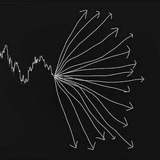
The current news headlines suggest that the global economy is facing significant challenges due to the ongoing conflict in Iran, rising energy prices, and potential interest rate hikes by central banks. This perfect storm has led to increased uncertainty and volatility in financial markets, with many experts warning of a potential collapse or renewed tariffs spats. Oil prices have surged near $100, triggering a shift back to interest rate hikes, while businesses are becoming increasingly negative about global economic prospects. As a result, I predict that the global economy will experience a period of heightened instability and potentially even recession in the coming months, with investors advised to be cautious and diversify their portfolios accordingly.
Market prediction: Given the current trends and news headlines, I would recommend a defensive investment strategy, focusing on low-risk assets such as bonds, gold, and cash. It's also essential to maintain a diversified portfolio, including exposure to emerging markets and sectors less affected by the conflict in Iran.
Market prediction: Given the current trends and news headlines, I would recommend a defensive investment strategy, focusing on low-risk assets such as bonds, gold, and cash. It's also essential to maintain a diversified portfolio, including exposure to emerging markets and sectors less affected by the conflict in Iran.
Global Economy news from the past 24 hours (24):
• Chartbook 445: Is a "China shock" coming for the "big ag" food regime? - Adam Tooze | Substack
• Video How the Iran war has shocked the global economy - ABC News - Breaking News, Latest News and Videos
• Europe’s moment to lead the global economy - Meer | English edition
• Iran’s pressure strategy weakens under sanctions - The Jerusalem Post
• DW News. . The Panama Canal is becoming an economic chokepoint for the world economy. Since shipping traffic through the Strait of Hormuz has collapsed, global cargo ships must find alternative routes. #dwbusiness - facebook.com
• Fed whisperer splits on Powell: A+ as steward, but ‘I don't think you could give him high marks on the economy’ - Fortune
• Global Demand for Rare Earth Minerals Is Intensifying Criminal Threats in the Amazon Rainforest - The New York Times
• Charting the global economy: ECB is leaning toward rate hikes - The Economic Times
• Trump may not be a fan of clean energy but Iran war is accelerating global shift from oil and gas | Heather Stewart - The Guardian
• Global economy splits as AI boom collides with energy shock - BizNews
• Asia’s economic diplomacy for tumultuous times - The Japan Times
• The Strait of Hormuz: How the world endorsed Iran's blackmail - opinion - The Jerusalem Post
• US-Iran war hurts both sides, strains world economy: analyst - 巴士的報
• Japan Unveils Economic Security Alliance for Asia - 조선일보
• Why the Northern Sea Route is a risky bet for global trade - The Business Standard
• Oil price surge triggers global tension and threatens the world economy with a domino effect that drives up the cost of fuels, food, and transport, and puts pressure on inflation in several countries. - CPG Click Petróleo e Gás
• Iran Already Lost: Hormuz Matters Less Every Day - BBN Times
• The Hormuz blockade: Why a fragile ceasefire may not lower global oil prices - The Economic Times
• Central Banks Stuck as Energy Shock and Inflation Trap the Global Economy - Sri Lanka Guardian
• Hormuz Crisis Explained | Oil Hits $126, UAE OPEC Tensions Rise, Global Economy On Edge - Business Today
• ADB launches new financing facility to boost critical minerals supply chains in Asia-Pacific - The Business Standard
• US-Iran war is a stress test on Tinubu’s economic reforms – Amoo - Business News Nigeria
• Global energy turmoil weighs on UK economy - The Peninsula Qatar
• Energy security and economy still depend on oil - Cyprus Mail
• Chartbook 445: Is a "China shock" coming for the "big ag" food regime? - Adam Tooze | Substack
• Video How the Iran war has shocked the global economy - ABC News - Breaking News, Latest News and Videos
• Europe’s moment to lead the global economy - Meer | English edition
• Iran’s pressure strategy weakens under sanctions - The Jerusalem Post
• DW News. . The Panama Canal is becoming an economic chokepoint for the world economy. Since shipping traffic through the Strait of Hormuz has collapsed, global cargo ships must find alternative routes. #dwbusiness - facebook.com
• Fed whisperer splits on Powell: A+ as steward, but ‘I don't think you could give him high marks on the economy’ - Fortune
• Global Demand for Rare Earth Minerals Is Intensifying Criminal Threats in the Amazon Rainforest - The New York Times
• Charting the global economy: ECB is leaning toward rate hikes - The Economic Times
• Trump may not be a fan of clean energy but Iran war is accelerating global shift from oil and gas | Heather Stewart - The Guardian
• Global economy splits as AI boom collides with energy shock - BizNews
• Asia’s economic diplomacy for tumultuous times - The Japan Times
• The Strait of Hormuz: How the world endorsed Iran's blackmail - opinion - The Jerusalem Post
• US-Iran war hurts both sides, strains world economy: analyst - 巴士的報
• Japan Unveils Economic Security Alliance for Asia - 조선일보
• Why the Northern Sea Route is a risky bet for global trade - The Business Standard
• Oil price surge triggers global tension and threatens the world economy with a domino effect that drives up the cost of fuels, food, and transport, and puts pressure on inflation in several countries. - CPG Click Petróleo e Gás
• Iran Already Lost: Hormuz Matters Less Every Day - BBN Times
• The Hormuz blockade: Why a fragile ceasefire may not lower global oil prices - The Economic Times
• Central Banks Stuck as Energy Shock and Inflation Trap the Global Economy - Sri Lanka Guardian
• Hormuz Crisis Explained | Oil Hits $126, UAE OPEC Tensions Rise, Global Economy On Edge - Business Today
• ADB launches new financing facility to boost critical minerals supply chains in Asia-Pacific - The Business Standard
• US-Iran war is a stress test on Tinubu’s economic reforms – Amoo - Business News Nigeria
• Global energy turmoil weighs on UK economy - The Peninsula Qatar
• Energy security and economy still depend on oil - Cyprus Mail
The current news headlines suggest that the global economy is facing significant challenges due to various factors. The ongoing Iran conflict has led to disruptions in global trade routes, including the Strait of Hormuz, causing oil prices to surge and putting pressure on inflation. Additionally, the Russia-Ukraine war and sanctions have weakened Iran's economy, while the US Federal Reserve is considering rate hikes to combat inflation. Meanwhile, the shift towards clean energy is accelerating due to the Iran war, but this transition is also being threatened by the increasing demand for rare earth minerals, which is leading to environmental concerns in the Amazon rainforest.
Market prediction: Given these developments, I predict a mixed market performance in the short term. The rising oil prices will likely lead to increased costs for consumers and businesses, potentially slowing down economic growth. However, the long-term trend of shifting towards clean energy may provide opportunities for investors in renewable energy sectors. In terms of specific asset classes, I would recommend diversifying into defensive stocks, such as those in the healthcare or consumer staples sectors, while maintaining exposure to emerging markets with strong growth potential.
Market prediction: Given these developments, I predict a mixed market performance in the short term. The rising oil prices will likely lead to increased costs for consumers and businesses, potentially slowing down economic growth. However, the long-term trend of shifting towards clean energy may provide opportunities for investors in renewable energy sectors. In terms of specific asset classes, I would recommend diversifying into defensive stocks, such as those in the healthcare or consumer staples sectors, while maintaining exposure to emerging markets with strong growth potential.
Here's a summary of the current news headlines and market prediction:
The global economy is facing multiple challenges, including rising oil prices, uncertainty over the Iran war, and potential recession. African economies are showing resilience, but the continent's vulnerability to fuel price shocks has been exposed. Meanwhile, China is quietly reshaping Southeast Asia's payments landscape beyond the US dollar, while Kazakhstan pushes for full AI transition to avoid economic stagnation. The energy shock is expected to disrupt markets and potentially tip the global economy into recession if crude oil prices reach $125 per barrel.
Market Prediction:
Given the current uncertainty and potential risks, I predict that the global stock market will experience a correction in the short term, with a possible decline of 5-10% from its recent highs. However, as investors become more cautious and adjust their portfolios, we may see a rotation towards defensive sectors such as healthcare, consumer staples, and utilities. In the long term, the shift towards AI and digital transformation could lead to significant growth opportunities, particularly in emerging markets.
The global economy is facing multiple challenges, including rising oil prices, uncertainty over the Iran war, and potential recession. African economies are showing resilience, but the continent's vulnerability to fuel price shocks has been exposed. Meanwhile, China is quietly reshaping Southeast Asia's payments landscape beyond the US dollar, while Kazakhstan pushes for full AI transition to avoid economic stagnation. The energy shock is expected to disrupt markets and potentially tip the global economy into recession if crude oil prices reach $125 per barrel.
Market Prediction:
Given the current uncertainty and potential risks, I predict that the global stock market will experience a correction in the short term, with a possible decline of 5-10% from its recent highs. However, as investors become more cautious and adjust their portfolios, we may see a rotation towards defensive sectors such as healthcare, consumer staples, and utilities. In the long term, the shift towards AI and digital transformation could lead to significant growth opportunities, particularly in emerging markets.
The current news headlines suggest that the global economy is facing significant risks due to ongoing conflicts and energy shocks. The International Monetary Fund (IMF) has warned of a "much worse outcome" for the global economy if the Middle East war drags on, with oil prices potentially spiking to $125 per barrel. This could lead to a non-linear spike in inflation, triggering a global economic crisis. The IMF has scrapped its outlook for the global economy, citing the uncertainty surrounding the conflict. Meanwhile, experts are warning of potential physical shortages of oil globally, which could exacerbate the situation.
Market prediction: Given these developments, I predict a bearish trend in the global markets, particularly in the energy sector. Investors may want to consider diversifying their portfolios and hedging against potential losses. A possible short-term strategy could be to invest in defensive sectors such as healthcare or consumer staples, while also considering long-term investments in renewable energy sources. However, it's essential to note that market predictions are inherently uncertain and subject to change based on new information and events.
Market prediction: Given these developments, I predict a bearish trend in the global markets, particularly in the energy sector. Investors may want to consider diversifying their portfolios and hedging against potential losses. A possible short-term strategy could be to invest in defensive sectors such as healthcare or consumer staples, while also considering long-term investments in renewable energy sources. However, it's essential to note that market predictions are inherently uncertain and subject to change based on new information and events.
❤1
Here's a summary of the news headlines in one short paragraph:
The global economy is facing significant challenges due to rising tensions between the US and Iran, which has led to concerns about oil supplies and trade disruptions. This has resulted in a slowdown in economic growth, with many experts predicting a "worst-case scenario" if the conflict escalates further. Meanwhile, the increasing use of artificial intelligence (AI) is transforming the global economy, with some predicting that it will lead to a tokenized economy where assets are traded on blockchain platforms.
Market prediction: Given the current uncertainty surrounding the Iran-US conflict and its potential impact on oil prices and global trade, I would predict a cautious approach to investing in the short term. However, as AI continues to transform industries and economies, I believe that long-term investors should consider allocating a portion of their portfolio to emerging technologies such as blockchain and AI.
The global economy is facing significant challenges due to rising tensions between the US and Iran, which has led to concerns about oil supplies and trade disruptions. This has resulted in a slowdown in economic growth, with many experts predicting a "worst-case scenario" if the conflict escalates further. Meanwhile, the increasing use of artificial intelligence (AI) is transforming the global economy, with some predicting that it will lead to a tokenized economy where assets are traded on blockchain platforms.
Market prediction: Given the current uncertainty surrounding the Iran-US conflict and its potential impact on oil prices and global trade, I would predict a cautious approach to investing in the short term. However, as AI continues to transform industries and economies, I believe that long-term investors should consider allocating a portion of their portfolio to emerging technologies such as blockchain and AI.
Here's a summary of the current news headlines and market prediction:
The global economy is facing significant challenges due to ongoing conflicts, particularly the Iran-US war, which has led to increased oil prices, supply chain disruptions, and rising inflation. Despite these headwinds, the US economy continues to perform well, leaving other major economies behind. However, the war's impact on the global economy is expected to be severe, with some economists warning of a structural shock. In contrast, India is emerging as a safe haven for investors, with its economy seen as a potential safety net for the global economy.
Market Prediction:
Given the ongoing tensions in the Middle East and the resulting supply chain disruptions, I predict that the global stock market will experience volatility in the short term. The AI boom, however, is likely to continue driving growth in the tech sector, which may offset some of the losses in other sectors. Oil prices are expected to remain high, but the US dollar may strengthen against other currencies due to the country's strong economic performance. Overall, I expect the global economy to face significant challenges in the coming months, but India's emergence as a safe haven may provide some stability.
Investment Strategy:
To navigate these uncertain times, investors should consider diversifying their portfolios by allocating a portion of their assets to emerging markets, particularly India and China. They should also focus on sectors that are less exposed to supply chain disruptions, such as technology and healthcare. Additionally, investors should keep an eye on oil prices and adjust their portfolios accordingly.
The global economy is facing significant challenges due to ongoing conflicts, particularly the Iran-US war, which has led to increased oil prices, supply chain disruptions, and rising inflation. Despite these headwinds, the US economy continues to perform well, leaving other major economies behind. However, the war's impact on the global economy is expected to be severe, with some economists warning of a structural shock. In contrast, India is emerging as a safe haven for investors, with its economy seen as a potential safety net for the global economy.
Market Prediction:
Given the ongoing tensions in the Middle East and the resulting supply chain disruptions, I predict that the global stock market will experience volatility in the short term. The AI boom, however, is likely to continue driving growth in the tech sector, which may offset some of the losses in other sectors. Oil prices are expected to remain high, but the US dollar may strengthen against other currencies due to the country's strong economic performance. Overall, I expect the global economy to face significant challenges in the coming months, but India's emergence as a safe haven may provide some stability.
Investment Strategy:
To navigate these uncertain times, investors should consider diversifying their portfolios by allocating a portion of their assets to emerging markets, particularly India and China. They should also focus on sectors that are less exposed to supply chain disruptions, such as technology and healthcare. Additionally, investors should keep an eye on oil prices and adjust their portfolios accordingly.
Global Economy news from the past 24 hours (20):
• Trump’s drive to rewire world economy is crumbling fast - The Telegraph
• Opinion: Trump’s Iran mess festers, and the world economy slouches toward crisis - The Globe and Mail
• Charting the Global Economy: US Job Growth Exceeds Projections - Bloomberg
• Opinion | High Gas Prices Are Just the Beginning - The New York Times
• Governor Gavin Newsom welcomes new members to the Governor’s Council of Economic Advisors - California State Portal | CA.gov
• Iran Conflict Intensifies as Strait of Hormuz Disruptions Threaten Global Economy - stl.news
• Charting the global economy: US job growth exceeds projections - The Boston Globe
• 5 reasons why the economy feels so unpredictable right now - Fast Company
• ‘Not decoupling’: what does US-China trade data signal ahead of Xi-Trump summit? - South China Morning Post
• Trump boasts ‘we’re like pirates’, seizing Iran’s ships, as China challenges US sanctions - Geopolitical Economy Report
• The Strait of Hormuz Is Closed — And It’s Quietly Strangling the Global Economy - vocal.media
• US Economy Surges With 115,000 New Jobs Amid Global Geopolitical Tensions - streamlinefeed.co.ke
• US job growth beats expectations but consumer confidence at all-time low - The Daily Star
• Syria moves toward global digital economy, communications minister says - سانا
• Trump appeals against latest legal setback to his tariff regime roll-out - The Edge Singapore
• The new wealth of nations: Why farmer health capital is the next global economic frontier - BusinessLine
• 'India better positioned than many during energy shock, but...': Economists on oil risks - Business Today
• Does the economy pass through Ormuz? - Diari ARA
• The Frontiers of Growth: The Deeper Forces Shaping Global Trade - The Edge Malaysia
• How Adetoun Otepola is shaping Africa’s future and economic growth through ABLS - Business News Nigeria
• Trump’s drive to rewire world economy is crumbling fast - The Telegraph
• Opinion: Trump’s Iran mess festers, and the world economy slouches toward crisis - The Globe and Mail
• Charting the Global Economy: US Job Growth Exceeds Projections - Bloomberg
• Opinion | High Gas Prices Are Just the Beginning - The New York Times
• Governor Gavin Newsom welcomes new members to the Governor’s Council of Economic Advisors - California State Portal | CA.gov
• Iran Conflict Intensifies as Strait of Hormuz Disruptions Threaten Global Economy - stl.news
• Charting the global economy: US job growth exceeds projections - The Boston Globe
• 5 reasons why the economy feels so unpredictable right now - Fast Company
• ‘Not decoupling’: what does US-China trade data signal ahead of Xi-Trump summit? - South China Morning Post
• Trump boasts ‘we’re like pirates’, seizing Iran’s ships, as China challenges US sanctions - Geopolitical Economy Report
• The Strait of Hormuz Is Closed — And It’s Quietly Strangling the Global Economy - vocal.media
• US Economy Surges With 115,000 New Jobs Amid Global Geopolitical Tensions - streamlinefeed.co.ke
• US job growth beats expectations but consumer confidence at all-time low - The Daily Star
• Syria moves toward global digital economy, communications minister says - سانا
• Trump appeals against latest legal setback to his tariff regime roll-out - The Edge Singapore
• The new wealth of nations: Why farmer health capital is the next global economic frontier - BusinessLine
• 'India better positioned than many during energy shock, but...': Economists on oil risks - Business Today
• Does the economy pass through Ormuz? - Diari ARA
• The Frontiers of Growth: The Deeper Forces Shaping Global Trade - The Edge Malaysia
• How Adetoun Otepola is shaping Africa’s future and economic growth through ABLS - Business News Nigeria
The current news headlines suggest a mix of positive and negative indicators for the global economy. On one hand, US job growth has exceeded projections, with 115,000 new jobs added in recent months, indicating a strong labor market. However, this growth is being threatened by rising geopolitical tensions, particularly in the Middle East, where disruptions to the Strait of Hormuz are straining global oil supplies and driving up gas prices. Additionally, trade tensions between the US and China remain high, with the two nations set to meet at an upcoming summit. These factors may lead to increased uncertainty and volatility in the markets.
Market prediction: Given these mixed signals, I predict that the global economy will experience a moderate slowdown in the coming quarters, driven by rising energy costs and ongoing trade tensions. The S&P 500 index may decline by around 5-7% over the next six months as investors become increasingly cautious about the outlook for global growth. However, this downturn is likely to be shallow and short-lived, as central banks continue to provide support to the economy through monetary policy easing.
Market prediction: Given these mixed signals, I predict that the global economy will experience a moderate slowdown in the coming quarters, driven by rising energy costs and ongoing trade tensions. The S&P 500 index may decline by around 5-7% over the next six months as investors become increasingly cautious about the outlook for global growth. However, this downturn is likely to be shallow and short-lived, as central banks continue to provide support to the economy through monetary policy easing.
Global Economy news from the past 24 hours (26):
• Iran war threatens the dream of a post-oil economy in the Gulf - The Washington Post
• A Keynesian solution to global imbalances - Financial Times
• The global economy is in the largest capex cycle ever, with $5 trillion by the end of the decade - Fortune
• How Strait Of Hormuz Crisis Is Reshaping The Global Economy – Analysis - Eurasia Review
• FO Exclusive: US–Iran Double Blockade of Hormuz Threatens Global Economy - Fair Observer
• 7 factors helping the global economy avoid recession despite Hormuz disruption: BCA - Yahoo Finance
• Researchers sound alarm about concerning repercussions of global economy: 'A near mythical status' - The Cool Down
• RCEP seen as key anchor for Asian growth - China Daily
• French pessimism over economy hits 91% as inflation rises, growth stalls: Survey - Anadolu Ajansı
• FIFA World Cup 2026 guide: Sport as an economic superpower - Investing.com
• Charting the global economy: US job growth exceeds projections - The Economic Times
• Alaska Airlines plots premium economy, luxe Seattle lounge as global expansion ramps up - The Points Guy
• BTS Tour impact rivals Taylor Swift as global fan economy surges - WION
• Middle East turmoil shakes global energy supply: ASEAN economy forges resilience through regional cooperation - news.cgtn.com
• Putin calls China-Russia cooperation pillar of global stability; Chinese expert says it helps offset global turbulence driven by hegemonism and unilateralism - Global Times
• Chinese brands gain global popularity with innovation and cultural appeal - Global Times
• 'Restart work-from-home': PM Modi urges revival of Covid-era work culture as West Asia conflict hits... - Moneycontrol.com
• International participants highlight China–ASEAN blue economy cooperation at Haikou forum - Global Times
• Trump’s next weapon to wield his power over the world - The Telegraph
• Aramco CEO warns 1 billion barrels lost will slow oil market recovery - The Express Tribune
• IRGC-linked media calls for fees on Hormuz undersea internet cables | Iran International - ایران اینترنشنال
• Who bears the cost of energy stability in global economy? - Kuwait Times
• 'Buy Indian, Choose Domestic Tourism': PM Modi Urges Citizens As Iran War Disrupts Global Economy - News18
• Young leaders must venture abroad to play a global role: Jabil’s May Yap - The Business Times
• Carney signals openness to deeper trade ties with US and Mexico - The Edge Singapore
• Job market for recruiters shows UK weakness, US strength - The Edge Singapore
• Iran war threatens the dream of a post-oil economy in the Gulf - The Washington Post
• A Keynesian solution to global imbalances - Financial Times
• The global economy is in the largest capex cycle ever, with $5 trillion by the end of the decade - Fortune
• How Strait Of Hormuz Crisis Is Reshaping The Global Economy – Analysis - Eurasia Review
• FO Exclusive: US–Iran Double Blockade of Hormuz Threatens Global Economy - Fair Observer
• 7 factors helping the global economy avoid recession despite Hormuz disruption: BCA - Yahoo Finance
• Researchers sound alarm about concerning repercussions of global economy: 'A near mythical status' - The Cool Down
• RCEP seen as key anchor for Asian growth - China Daily
• French pessimism over economy hits 91% as inflation rises, growth stalls: Survey - Anadolu Ajansı
• FIFA World Cup 2026 guide: Sport as an economic superpower - Investing.com
• Charting the global economy: US job growth exceeds projections - The Economic Times
• Alaska Airlines plots premium economy, luxe Seattle lounge as global expansion ramps up - The Points Guy
• BTS Tour impact rivals Taylor Swift as global fan economy surges - WION
• Middle East turmoil shakes global energy supply: ASEAN economy forges resilience through regional cooperation - news.cgtn.com
• Putin calls China-Russia cooperation pillar of global stability; Chinese expert says it helps offset global turbulence driven by hegemonism and unilateralism - Global Times
• Chinese brands gain global popularity with innovation and cultural appeal - Global Times
• 'Restart work-from-home': PM Modi urges revival of Covid-era work culture as West Asia conflict hits... - Moneycontrol.com
• International participants highlight China–ASEAN blue economy cooperation at Haikou forum - Global Times
• Trump’s next weapon to wield his power over the world - The Telegraph
• Aramco CEO warns 1 billion barrels lost will slow oil market recovery - The Express Tribune
• IRGC-linked media calls for fees on Hormuz undersea internet cables | Iran International - ایران اینترنشنال
• Who bears the cost of energy stability in global economy? - Kuwait Times
• 'Buy Indian, Choose Domestic Tourism': PM Modi Urges Citizens As Iran War Disrupts Global Economy - News18
• Young leaders must venture abroad to play a global role: Jabil’s May Yap - The Business Times
• Carney signals openness to deeper trade ties with US and Mexico - The Edge Singapore
• Job market for recruiters shows UK weakness, US strength - The Edge Singapore
The current news headlines suggest that the global economy is facing significant challenges due to the ongoing tensions between the US and Iran, particularly regarding the Strait of Hormuz. This has led to concerns about oil supply disruptions, inflation, and economic instability in the region. However, some experts believe that the global economy may avoid recession despite these disruptions, citing factors such as strong job growth in the US and regional cooperation among ASEAN countries. Meanwhile, other news highlights the growing importance of emerging markets, including China's increasing influence and popularity of Chinese brands globally.
Market prediction: Given the uncertainty surrounding the Iran-US conflict and its potential impact on oil prices, I would recommend a cautious approach to investments in the energy sector. However, the overall trend of the global economy appears to be resilient, with strong job growth and regional cooperation driving growth. Investors may consider diversifying their portfolios into sectors such as technology, healthcare, and consumer goods, which are less exposed to the risks associated with the current geopolitical tensions.
Market prediction: Given the uncertainty surrounding the Iran-US conflict and its potential impact on oil prices, I would recommend a cautious approach to investments in the energy sector. However, the overall trend of the global economy appears to be resilient, with strong job growth and regional cooperation driving growth. Investors may consider diversifying their portfolios into sectors such as technology, healthcare, and consumer goods, which are less exposed to the risks associated with the current geopolitical tensions.
Here's a summary of the news headlines and market prediction:
Global leaders are closely watching the upcoming Trump-Xi summit, while tensions between the US and Iran continue to impact the global economy. Despite Goldman Sachs' assertion that the war hasn't derailed the global economy, various reports indicate that the conflict is causing economic shocks, particularly in oil prices. Cruise tourism has generated $199 billion for the global economy, but the industry faces uncertainty due to travel restrictions. Meanwhile, China's policies threaten $650 billion in G7 investments, and the country's power dynamics with the US are shifting.
Market Prediction: Given the ongoing tensions between the US and Iran, I predict a short-term decline in global markets, particularly in the energy sector. However, if the Trump-Xi summit leads to a breakthrough in trade negotiations, we may see a rebound in markets. The global economy will likely remain volatile until the situation in the Middle East stabilizes.
Global leaders are closely watching the upcoming Trump-Xi summit, while tensions between the US and Iran continue to impact the global economy. Despite Goldman Sachs' assertion that the war hasn't derailed the global economy, various reports indicate that the conflict is causing economic shocks, particularly in oil prices. Cruise tourism has generated $199 billion for the global economy, but the industry faces uncertainty due to travel restrictions. Meanwhile, China's policies threaten $650 billion in G7 investments, and the country's power dynamics with the US are shifting.
Market Prediction: Given the ongoing tensions between the US and Iran, I predict a short-term decline in global markets, particularly in the energy sector. However, if the Trump-Xi summit leads to a breakthrough in trade negotiations, we may see a rebound in markets. The global economy will likely remain volatile until the situation in the Middle East stabilizes.
Here's a summary of the news headlines in one short paragraph:
The global economy is facing significant challenges, with the ongoing Iran war disrupting maritime flows and pushing growth risks to an "adverse scenario" according to the IMF. The US-China dialogue has been deemed constructive by the IMF, which could be beneficial for the world economy. However, sustained high oil prices above $120 could push the global economy into recession, warns the IMF Chief. Meanwhile, travel and tourism are expected to outpace global economic growth, while Boeing nears large China orders as Trump and Xi forge new trade ties.
Market prediction: Given the current geopolitical tensions and disruptions, I predict a moderate decline in global stock markets over the next quarter, with a potential 5-7% drop in major indices such as the S&P 500 and Dow Jones. However, this decline is likely to be cushioned by the resilience of the US economy and the continued growth of the travel and tourism sector.
The global economy is facing significant challenges, with the ongoing Iran war disrupting maritime flows and pushing growth risks to an "adverse scenario" according to the IMF. The US-China dialogue has been deemed constructive by the IMF, which could be beneficial for the world economy. However, sustained high oil prices above $120 could push the global economy into recession, warns the IMF Chief. Meanwhile, travel and tourism are expected to outpace global economic growth, while Boeing nears large China orders as Trump and Xi forge new trade ties.
Market prediction: Given the current geopolitical tensions and disruptions, I predict a moderate decline in global stock markets over the next quarter, with a potential 5-7% drop in major indices such as the S&P 500 and Dow Jones. However, this decline is likely to be cushioned by the resilience of the US economy and the continued growth of the travel and tourism sector.
Here's a summary of the news headlines in one short paragraph:
The global economy is facing significant challenges, including the aftermath of the Iran war, extreme weather events causing nearly $1 trillion in losses, and inflation fears spooking investors. However, there are also signs of growth opportunities, particularly in China, which remains a significant player in the global economy. The US-China summit has led to constructive dialogue between the two nations, reducing tensions and supporting global economic growth. Additionally, the travel and tourism industry is expected to outpace the wider economy over the next decade.
Market prediction: Given the current trends and developments, I predict that the global economy will experience a moderate recovery in the coming months, driven by growing trade cooperation between major economies, particularly the US and China. However, the impact of extreme weather events and ongoing conflicts may continue to pose risks to global economic stability. As such, investors should remain cautious and diversify their portfolios to mitigate potential losses.
The global economy is facing significant challenges, including the aftermath of the Iran war, extreme weather events causing nearly $1 trillion in losses, and inflation fears spooking investors. However, there are also signs of growth opportunities, particularly in China, which remains a significant player in the global economy. The US-China summit has led to constructive dialogue between the two nations, reducing tensions and supporting global economic growth. Additionally, the travel and tourism industry is expected to outpace the wider economy over the next decade.
Market prediction: Given the current trends and developments, I predict that the global economy will experience a moderate recovery in the coming months, driven by growing trade cooperation between major economies, particularly the US and China. However, the impact of extreme weather events and ongoing conflicts may continue to pose risks to global economic stability. As such, investors should remain cautious and diversify their portfolios to mitigate potential losses.
Global Economy news from the past 24 hours (19):
• Charting the Global Economy: Inflation Mounts as War Drags On - Bloomberg.com
• Trump Energy Secretary Says Military Force Needed If ‘Iran Continues to Hold the World Economy Hostage’ - Mediaite
• Charting the global economy: Inflation mounts as war drags on - The Boston Globe
• Top 10 Risks to the Global Economy and Your Portfolio - Investing.com
• China, US agree to establish trade, investment councils after Xi-Trump summit - South China Morning Post
• Roundup: Xi-Trump summit strengthens confidence in global economic recovery - Xinhua
• How Canadians Influence Parliament on Global Poverty - BORGEN Magazine
• Bought the farm? Details still fuzzy on scope of US-China agriculture deal - South China Morning Post
• US-China summit brings no respite in global war - World Socialist Web Site
• Ranked: The World’s Happiest Cities in 2026 - Visual Capitalist
• World economy after Trump and Xi summit - logos-pres.md
• Al-Jarwan warns threats to waterways endanger global economic stability - سانا
• Is the Lifeline of Major Economies Still Dependent on Oil? - نورنیوز
• Germany Joins US, UK, France, Brazil, Japan, Singapore and Others as International Travel Drives Major GDP Growth, Surging Tourism Revenues and Strengthening Economic Stability Amid Rising Foreign Arrivals and Global Visitor Spending - Travel And Tour World
• Bremmer: Two superpowers trying to commit to stability is the 'best news' for the global economy' - MS NOW
• The Netflix effect: Streaming platform highlights global economic and cultural impact - Business News Nigeria
• Trump and Xi conclude 'very successful' talks but few deals confirmed - BBC
• NDB president says bank to boost South-South cooperation amid global changes - Xinhua
• World Bank Says Viet Nam’s Economy Remains Resilient Despite Global Uncertainty - Devdiscourse
• Charting the Global Economy: Inflation Mounts as War Drags On - Bloomberg.com
• Trump Energy Secretary Says Military Force Needed If ‘Iran Continues to Hold the World Economy Hostage’ - Mediaite
• Charting the global economy: Inflation mounts as war drags on - The Boston Globe
• Top 10 Risks to the Global Economy and Your Portfolio - Investing.com
• China, US agree to establish trade, investment councils after Xi-Trump summit - South China Morning Post
• Roundup: Xi-Trump summit strengthens confidence in global economic recovery - Xinhua
• How Canadians Influence Parliament on Global Poverty - BORGEN Magazine
• Bought the farm? Details still fuzzy on scope of US-China agriculture deal - South China Morning Post
• US-China summit brings no respite in global war - World Socialist Web Site
• Ranked: The World’s Happiest Cities in 2026 - Visual Capitalist
• World economy after Trump and Xi summit - logos-pres.md
• Al-Jarwan warns threats to waterways endanger global economic stability - سانا
• Is the Lifeline of Major Economies Still Dependent on Oil? - نورنیوز
• Germany Joins US, UK, France, Brazil, Japan, Singapore and Others as International Travel Drives Major GDP Growth, Surging Tourism Revenues and Strengthening Economic Stability Amid Rising Foreign Arrivals and Global Visitor Spending - Travel And Tour World
• Bremmer: Two superpowers trying to commit to stability is the 'best news' for the global economy' - MS NOW
• The Netflix effect: Streaming platform highlights global economic and cultural impact - Business News Nigeria
• Trump and Xi conclude 'very successful' talks but few deals confirmed - BBC
• NDB president says bank to boost South-South cooperation amid global changes - Xinhua
• World Bank Says Viet Nam’s Economy Remains Resilient Despite Global Uncertainty - Devdiscourse
Global Economy news from the past 24 hours (25):
• G7 finance ministers to meet amid warning of economic consequences of prolonged Strait of Hormuz closure - CNBC
• How NASA’s Next Moon Mission Could Change the Global Economy - inc.com
• The Weekly Look at the Global Economy and Markets - Forex Factory
• Watch Trading While the Global Economy Shifts - Bloomberg.com
• A Left Moral Vision Needs a Political Economy to Match - Jacobin
• IIF APPLAUDS KEVIN WARSH ON HIS CONFIRMATION AS CHAIR OF THE FEDERAL RESERVE - InsuranceNewsNet
• Petchem price rises confirm inflation risk as Strait of Hormuz remains closed – Chemicals and the Economy - ICIS
• Türkiye says Hormuz crisis heightens risks to global trade - سانا
• Global Inventory Race Intensifies in Shadow of the Iran War - Yahoo Finance
• Erdogan Wants Turkey to Have More Babies. Few Parents Are Listening. - The New York Times
• The Vulture’s Advantage - The Atlantic
• Golden Shores, Fragile Fortunes: Caribbean Nations Reveal a Dazzling Yet Precarious Global Economy Built on Tourism Dependence in 2025 and What’s for 2026! - Travel And Tour World
• Manufacturing PMI Surveys to Reflect Stockpiling and Middle East Conflict Impact - News and Statistics - IndexBox
• Xi-Trump meeting charts course for constructive strategic stability in China-US ties - China Daily
• Trump-Xi summit: China gives neither green light nor red card on Iran - Al Arabiya English
• The EU’s chain of trade and economic maneuvers against China has backfired: Global Times editorial - Global Times
• Spain Joins France, Italy, Türkiye, and More as Global Travel and Tourism Surges Supporting Three Hundred Seventy-Six Million Jobs, Driving Economic Growth, and Record Global GDP in 2026 - Travel And Tour World
• Finance chief to visit Paris, London for G7 meeting, investors' briefing - The Korea Times
• PM Modi Warns of Global Economic Crisis and Return to Poverty - India News Network
• As Labour lurches further Left, the markets are calling time - The Telegraph
• The New Global Economy: The Geopolitical Battle Over Monetary Infrastructure - The Edge Malaysia
• Smartphones and 4G have accelerated the fall in the world’s birth rate - logos-pres.md
• India scrambles to steady rupee as oil shock bites - The Daily Star
• PM Abiy and Aliko Dangote to Fast-Track Massive Fertilizer Plant Amid Global Fertilizer Crisis - Addis Insight
• The world economy after the Trump-Xi summit - Interest.co.nz
• G7 finance ministers to meet amid warning of economic consequences of prolonged Strait of Hormuz closure - CNBC
• How NASA’s Next Moon Mission Could Change the Global Economy - inc.com
• The Weekly Look at the Global Economy and Markets - Forex Factory
• Watch Trading While the Global Economy Shifts - Bloomberg.com
• A Left Moral Vision Needs a Political Economy to Match - Jacobin
• IIF APPLAUDS KEVIN WARSH ON HIS CONFIRMATION AS CHAIR OF THE FEDERAL RESERVE - InsuranceNewsNet
• Petchem price rises confirm inflation risk as Strait of Hormuz remains closed – Chemicals and the Economy - ICIS
• Türkiye says Hormuz crisis heightens risks to global trade - سانا
• Global Inventory Race Intensifies in Shadow of the Iran War - Yahoo Finance
• Erdogan Wants Turkey to Have More Babies. Few Parents Are Listening. - The New York Times
• The Vulture’s Advantage - The Atlantic
• Golden Shores, Fragile Fortunes: Caribbean Nations Reveal a Dazzling Yet Precarious Global Economy Built on Tourism Dependence in 2025 and What’s for 2026! - Travel And Tour World
• Manufacturing PMI Surveys to Reflect Stockpiling and Middle East Conflict Impact - News and Statistics - IndexBox
• Xi-Trump meeting charts course for constructive strategic stability in China-US ties - China Daily
• Trump-Xi summit: China gives neither green light nor red card on Iran - Al Arabiya English
• The EU’s chain of trade and economic maneuvers against China has backfired: Global Times editorial - Global Times
• Spain Joins France, Italy, Türkiye, and More as Global Travel and Tourism Surges Supporting Three Hundred Seventy-Six Million Jobs, Driving Economic Growth, and Record Global GDP in 2026 - Travel And Tour World
• Finance chief to visit Paris, London for G7 meeting, investors' briefing - The Korea Times
• PM Modi Warns of Global Economic Crisis and Return to Poverty - India News Network
• As Labour lurches further Left, the markets are calling time - The Telegraph
• The New Global Economy: The Geopolitical Battle Over Monetary Infrastructure - The Edge Malaysia
• Smartphones and 4G have accelerated the fall in the world’s birth rate - logos-pres.md
• India scrambles to steady rupee as oil shock bites - The Daily Star
• PM Abiy and Aliko Dangote to Fast-Track Massive Fertilizer Plant Amid Global Fertilizer Crisis - Addis Insight
• The world economy after the Trump-Xi summit - Interest.co.nz
The current news headlines suggest a tumultuous global economy, with inflation fears, geopolitical tensions, and war-induced economic stress mounting across various regions. The ongoing Iran conflict is exacerbating these issues, leading to concerns about global economic imbalances, trade disruptions, and food shortages. G7 finance ministers have agreed on the need for action on economic imbalances but are divided over Russia and trade. The World Bank warns that protecting investments driving growth and jobs is crucial in the face of global shocks.
Market prediction: Given the current uncertainty and potential for further deterioration, I predict a moderate decline in global stock markets (S&P 500) by 5-8% in the next quarter, driven by rising bond yields, inflation fears, and geopolitical tensions. However, this decline may be cushioned by central banks' efforts to maintain liquidity and support economic growth through monetary policy measures.
Market prediction: Given the current uncertainty and potential for further deterioration, I predict a moderate decline in global stock markets (S&P 500) by 5-8% in the next quarter, driven by rising bond yields, inflation fears, and geopolitical tensions. However, this decline may be cushioned by central banks' efforts to maintain liquidity and support economic growth through monetary policy measures.
The current news headlines suggest that the global economy is facing significant challenges due to geopolitical tensions, particularly in the Middle East. The bond market is flashing warning signs, and the United Nations has lowered its forecast for global economic growth in 2026 to 2.5%. The closure of the Strait of Hormuz could lead to an oil price shock, potentially triggering a global recession. Additionally, the ongoing conflict between the US and China is creating economic risks, while the impact of AI on the global economy is also being closely watched.
Market prediction: Given these factors, I predict a moderate decline in global stock markets in the short term (next 3-6 months) as investors become increasingly cautious about the potential risks to the global economy. However, in the long term (12-18 months), I expect the global economy to recover as countries adapt to the new geopolitical landscape and invest in emerging technologies like AI. The key will be for governments and businesses to work together to mitigate the risks and capitalize on the opportunities presented by these changes.
Investment strategy: To navigate this uncertain environment, investors should consider diversifying their portfolios with assets that are less correlated with traditional stocks and bonds, such as commodities, real estate, or alternative investments. They should also keep a close eye on developments in the Middle East and the US-China trade relationship, as well as the impact of AI on various industries.
Market prediction: Given these factors, I predict a moderate decline in global stock markets in the short term (next 3-6 months) as investors become increasingly cautious about the potential risks to the global economy. However, in the long term (12-18 months), I expect the global economy to recover as countries adapt to the new geopolitical landscape and invest in emerging technologies like AI. The key will be for governments and businesses to work together to mitigate the risks and capitalize on the opportunities presented by these changes.
Investment strategy: To navigate this uncertain environment, investors should consider diversifying their portfolios with assets that are less correlated with traditional stocks and bonds, such as commodities, real estate, or alternative investments. They should also keep a close eye on developments in the Middle East and the US-China trade relationship, as well as the impact of AI on various industries.
Based on the news headlines, it appears that the global economy is facing significant challenges due to various factors such as protectionism, imbalances in Asia-Pacific trade, slowing economic activity in the US, and the ongoing conflict in the Middle East. The Iran war is expected to have a ripple effect on the global economy, with potential price shocks and disruptions to trade. Additionally, there are concerns about inflation, energy prices, and the impact of the crisis on growth rates.
Market prediction: Given these headwinds, I predict that the global stock market will experience a correction in the short term, potentially leading to a decline in equity prices. However, I also expect that investors will seek safe-haven assets such as gold, which has already seen an increase in prices due to the uncertainty surrounding the global economy. In terms of specific asset classes, I would recommend diversifying into bonds and commodities, particularly those related to energy and industrial metals, as they may benefit from the expected price shocks.
Market prediction: Given these headwinds, I predict that the global stock market will experience a correction in the short term, potentially leading to a decline in equity prices. However, I also expect that investors will seek safe-haven assets such as gold, which has already seen an increase in prices due to the uncertainty surrounding the global economy. In terms of specific asset classes, I would recommend diversifying into bonds and commodities, particularly those related to energy and industrial metals, as they may benefit from the expected price shocks.
Here's a summary of the news headlines in one short paragraph:
The global economy is facing multiple challenges, including rising inflation, high oil prices, and geopolitical tensions. The International Monetary Fund (IMF) has warned that a potential blockade of the Strait of Hormuz could send oil prices to $130 per barrel, triggering a recession on par with the 2008 crash. Meanwhile, the US and China are engaged in talks over trade imbalances and supply chain resilience, while the European Union is pushing for companies to diversify their supply lines from China. Central banks are struggling to keep inflation anchored as bond markets bet on rising prices.
Market prediction: Given these headwinds, I predict a cautious market outlook in the short term, with a possible correction in global stock markets. However, in the long term, I believe that emerging technologies such as artificial intelligence (AI) will continue to drive economic growth and reshape trade patterns. Investors should focus on resilient companies with strong balance sheets and diversified revenue streams, as well as those that can adapt quickly to changing market conditions.
The global economy is facing multiple challenges, including rising inflation, high oil prices, and geopolitical tensions. The International Monetary Fund (IMF) has warned that a potential blockade of the Strait of Hormuz could send oil prices to $130 per barrel, triggering a recession on par with the 2008 crash. Meanwhile, the US and China are engaged in talks over trade imbalances and supply chain resilience, while the European Union is pushing for companies to diversify their supply lines from China. Central banks are struggling to keep inflation anchored as bond markets bet on rising prices.
Market prediction: Given these headwinds, I predict a cautious market outlook in the short term, with a possible correction in global stock markets. However, in the long term, I believe that emerging technologies such as artificial intelligence (AI) will continue to drive economic growth and reshape trade patterns. Investors should focus on resilient companies with strong balance sheets and diversified revenue streams, as well as those that can adapt quickly to changing market conditions.
Global Economy news from the past 24 hours (24):
• Charting the Global Economy: Factory Activity Sags on Inflation - Bloomberg.com
• World’s most powerful economies by 2030: Prediction reveals future global leaders - The Times of India
• Charting the Global Economy: Factory Activity Sags on Inflation - Yahoo Finance
• THE ECONOMIST: The five-year outlook for the US economy - Odessa American
• Central America and the Global Economy - CentralAmerica.com
• Why water rights will become the asset class of the 21st century - The National
• How war on Iran affects world economy beyond energy - Tehran Times
• Quote of the day by Jensen Huang: 'It's very clear that AI is going to impact every industry. I think that - The Economic Times
• Strait of Hormuz Closure: Three Scenarios for Oil, LNG and Global Economy | 2026 Analysis - News and Statistics - IndexBox
• News | The University of Alabama in Huntsville - The University of Alabama in Huntsville
• Central Banks Struggle to Keep Inflation Anchored as Bond Markets Bet on Rising Prices - Bloomberg.com
• AI boom masks global trade slowdown as UNCTAD cuts growth forecast to 1.5% - Nation Thailand
• Putin left China, with no pipeline deal. Why is the valve still closed? - South China Morning Post
• American Airlines’ Nonstop Expansion Could Redefine Global Business, Tourism, and the Future of Aviation Connectivity - Travel And Tour World
• Світовій економіці загрожує повторення фінансової кризи 2008 року: що відомо - Прямий
• Analysts predict a repeat of the 2008 global crisis - logos-pres.md
• RBI Says India’s Economy Remained Resilient in April Despite Global Uncertainty - Open Magazine
• More economic ties with new US ambassador - Philstar.com
• UAE says Hormuz tensions are fuelling unprecedented market volatility - Gulf News
• Africa Must Not Become a Raw Exporter of Human Intelligence - Energy Focus Report
• GCC chief calls for safeguarding maritime and air routes - سانا
• GCC Secretary-General: GCC states seek to enhance global security and stability - The Peninsula Qatar
• ‘From Oman to the World’- An extraordinary launch of the Oman-Russia International Exhibition redefines investment and global partnerships - Times of Oman
• 80th Independence Day: Aqaba Transforms from a Traditional Port into a Global Economic and Tourism Hub - jordannews.jo
• Charting the Global Economy: Factory Activity Sags on Inflation - Bloomberg.com
• World’s most powerful economies by 2030: Prediction reveals future global leaders - The Times of India
• Charting the Global Economy: Factory Activity Sags on Inflation - Yahoo Finance
• THE ECONOMIST: The five-year outlook for the US economy - Odessa American
• Central America and the Global Economy - CentralAmerica.com
• Why water rights will become the asset class of the 21st century - The National
• How war on Iran affects world economy beyond energy - Tehran Times
• Quote of the day by Jensen Huang: 'It's very clear that AI is going to impact every industry. I think that - The Economic Times
• Strait of Hormuz Closure: Three Scenarios for Oil, LNG and Global Economy | 2026 Analysis - News and Statistics - IndexBox
• News | The University of Alabama in Huntsville - The University of Alabama in Huntsville
• Central Banks Struggle to Keep Inflation Anchored as Bond Markets Bet on Rising Prices - Bloomberg.com
• AI boom masks global trade slowdown as UNCTAD cuts growth forecast to 1.5% - Nation Thailand
• Putin left China, with no pipeline deal. Why is the valve still closed? - South China Morning Post
• American Airlines’ Nonstop Expansion Could Redefine Global Business, Tourism, and the Future of Aviation Connectivity - Travel And Tour World
• Світовій економіці загрожує повторення фінансової кризи 2008 року: що відомо - Прямий
• Analysts predict a repeat of the 2008 global crisis - logos-pres.md
• RBI Says India’s Economy Remained Resilient in April Despite Global Uncertainty - Open Magazine
• More economic ties with new US ambassador - Philstar.com
• UAE says Hormuz tensions are fuelling unprecedented market volatility - Gulf News
• Africa Must Not Become a Raw Exporter of Human Intelligence - Energy Focus Report
• GCC chief calls for safeguarding maritime and air routes - سانا
• GCC Secretary-General: GCC states seek to enhance global security and stability - The Peninsula Qatar
• ‘From Oman to the World’- An extraordinary launch of the Oman-Russia International Exhibition redefines investment and global partnerships - Times of Oman
• 80th Independence Day: Aqaba Transforms from a Traditional Port into a Global Economic and Tourism Hub - jordannews.jo