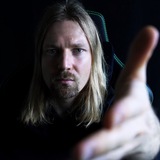
Most people chase dopamine hits from external experiences.
Harvard research shows a wandering mind is an unhappy mind - people spend 47% of their time mind-wandering.
Here are some practical techniques for lasting contentment:
---
Meditation physically changes your brain, increasing gray matter in areas related to emotional regulation.
I've practiced various forms for years and consider it essential for my well-being.
Start with 5-10 mins of breath focus daily. That's it.
---
Next time you're angry or stressed, try this:
Mentally step back and observe "this body is feeling angry" rather than being completely identified with the anger
This tiny gap between stimulus and response is where emotional freedom lives
Use this daily in stressful situations
---
Cosmic perspective technique changed everything for me.
When facing a problem, mentally zoom out - see yourself from above, then satellite view, then from space.
With each step back, problems appear increasingly tiny.
Research confirms this reduces obsessive worry.
---
Living in the present isn't some hippie concept.
Our "now" is inherently brief and ever-moving, making extensive dwelling on past events or future worries neurologically nonsensical.
Yet we spend almost half our lives mentally elsewhere.
True presence is a trainable skill.
---
Try this: Notice 5 things you can see, 4 things you can hear, 3 things you can feel, 2 things you can smell, and 1 thing you can taste.
This simple exercise immediately anchors you in the present and interrupts the mind-wandering that makes us unhappy.
---
"Fake it till you make it" sounds contrived, but neuroscience confirms it works.
Your brain physically changes based on repeated thought patterns.
In childhood, I deliberately chose positivity. It felt artificial at first.
After thousands of repetitions, it became my default.
---
The Harvard Study of Adult Development tracked participants for 80+ years and found one thing:
Good relationships are the strongest predictor of happiness and longevity.
Not wealth, not fame, not achievement.
Strong social connections matter most.
---
Happiness is literally contagious through social networks.
If a direct friend is happy, your likelihood of happiness increases by 15%.
This extends three degrees - a friend of a friend of a friend being happy still influences you.
Choose your circle wisely.
---
Implementation framework for busy people:
1. Daily practice: 5-10 mins meditation
2. Weekly perspective shifts: Practice cosmic zooming
3. Present-moment reminders on your phone
4. Social connection: Quality time with positive people
---
My relationship with happiness continues to evolve.
What makes me happy today isn't identical to years ago.
The paradox: when I focus less on "being happy" and more on living authentically, happiness arises naturally.
It's not something you pursue but something you embody.
---
Here're the the whole series of articles about happiness:
1. Why Dopamine Isn’t Enough
2. The Inner Path to Contentment
3. Practical Techniques for Lasting Contentment
Harvard research shows a wandering mind is an unhappy mind - people spend 47% of their time mind-wandering.
Here are some practical techniques for lasting contentment:
---
Meditation physically changes your brain, increasing gray matter in areas related to emotional regulation.
I've practiced various forms for years and consider it essential for my well-being.
Start with 5-10 mins of breath focus daily. That's it.
---
Next time you're angry or stressed, try this:
Mentally step back and observe "this body is feeling angry" rather than being completely identified with the anger
This tiny gap between stimulus and response is where emotional freedom lives
Use this daily in stressful situations
---
Cosmic perspective technique changed everything for me.
When facing a problem, mentally zoom out - see yourself from above, then satellite view, then from space.
With each step back, problems appear increasingly tiny.
Research confirms this reduces obsessive worry.
---
Living in the present isn't some hippie concept.
Our "now" is inherently brief and ever-moving, making extensive dwelling on past events or future worries neurologically nonsensical.
Yet we spend almost half our lives mentally elsewhere.
True presence is a trainable skill.
---
Try this: Notice 5 things you can see, 4 things you can hear, 3 things you can feel, 2 things you can smell, and 1 thing you can taste.
This simple exercise immediately anchors you in the present and interrupts the mind-wandering that makes us unhappy.
---
"Fake it till you make it" sounds contrived, but neuroscience confirms it works.
Your brain physically changes based on repeated thought patterns.
In childhood, I deliberately chose positivity. It felt artificial at first.
After thousands of repetitions, it became my default.
---
The Harvard Study of Adult Development tracked participants for 80+ years and found one thing:
Good relationships are the strongest predictor of happiness and longevity.
Not wealth, not fame, not achievement.
Strong social connections matter most.
---
Happiness is literally contagious through social networks.
If a direct friend is happy, your likelihood of happiness increases by 15%.
This extends three degrees - a friend of a friend of a friend being happy still influences you.
Choose your circle wisely.
---
Implementation framework for busy people:
1. Daily practice: 5-10 mins meditation
2. Weekly perspective shifts: Practice cosmic zooming
3. Present-moment reminders on your phone
4. Social connection: Quality time with positive people
---
My relationship with happiness continues to evolve.
What makes me happy today isn't identical to years ago.
The paradox: when I focus less on "being happy" and more on living authentically, happiness arises naturally.
It's not something you pursue but something you embody.
---
Here're the the whole series of articles about happiness:
1. Why Dopamine Isn’t Enough
2. The Inner Path to Contentment
3. Practical Techniques for Lasting Contentment
Substack
The Science and Philosophy of Happiness: Practical Techniques for Lasting Contentment
Explore practical tools from the science of happiness – mindfulness, perspective shifts, and compassion – to build lasting contentment.
❤1
Cosmic Perspective: The Power of Zooming Out
Another technique that profoundly affects my happiness is what I call “cosmic perspective” – mentally zooming out to view situations from increasingly distant vantage points.
When facing a problem that feels overwhelming, I imagine seeing myself from different heights – first from a drone hovering above, then from satellite view, then from the moon, and eventually from the perspective of our galaxy or beyond. With each step back, my problems appear increasingly tiny in the grand scheme.
This might seem like escapism. But it’s a practical technique for gaining perspective on life’s challenges. From cosmic distance, most daily concerns that trigger stress or unhappiness appear vanishingly small. The presentation that didn’t go well, the critical comment from a colleague, the traffic jam that made you late – when viewed from space, these events lose their power to disturb your peace.
Research supports this approach. Studies on awe – the emotion felt when encountering vastness – show it increases positive mood and prosocial feelings while diminishing obsessive worry about oneself. When people contemplate the cosmos or other vast entities, they report feeling both smaller and more connected to something larger, which paradoxically enhances well-being.
This technique works even for genuinely significant problems. While it doesn’t make challenges disappear, it helps place them in context and reduce their emotional charge. It reminds us that even our biggest problems are temporary and limited in cosmic scope.
Try this: Next time you feel upset about something, mentally zoom out. Imagine seeing yourself from 10 feet up, then 100 feet, then from airplane height, satellite view, lunar distance, and beyond. Notice how your perspective shifts with each step back.
Another technique that profoundly affects my happiness is what I call “cosmic perspective” – mentally zooming out to view situations from increasingly distant vantage points.
When facing a problem that feels overwhelming, I imagine seeing myself from different heights – first from a drone hovering above, then from satellite view, then from the moon, and eventually from the perspective of our galaxy or beyond. With each step back, my problems appear increasingly tiny in the grand scheme.
This might seem like escapism. But it’s a practical technique for gaining perspective on life’s challenges. From cosmic distance, most daily concerns that trigger stress or unhappiness appear vanishingly small. The presentation that didn’t go well, the critical comment from a colleague, the traffic jam that made you late – when viewed from space, these events lose their power to disturb your peace.
Research supports this approach. Studies on awe – the emotion felt when encountering vastness – show it increases positive mood and prosocial feelings while diminishing obsessive worry about oneself. When people contemplate the cosmos or other vast entities, they report feeling both smaller and more connected to something larger, which paradoxically enhances well-being.
This technique works even for genuinely significant problems. While it doesn’t make challenges disappear, it helps place them in context and reduce their emotional charge. It reminds us that even our biggest problems are temporary and limited in cosmic scope.
Try this: Next time you feel upset about something, mentally zoom out. Imagine seeing yourself from 10 feet up, then 100 feet, then from airplane height, satellite view, lunar distance, and beyond. Notice how your perspective shifts with each step back.
Living in the Present Moment
As mentioned earlier, our consciousness always processes information with a slight delay. What we perceive as “now” is actually information that’s already been processed by our brain – we literally live a few milliseconds in the past. Understanding this neurological reality can actually help us let go of excessive concern with both past and future.
Since our “now” is inherently brief and ever-moving, dwelling extensively on past events or future worries makes little sense. We can only ever act in the present moment, even though that moment is constantly updating.
Living in the present doesn’t mean ignoring the past or failing to plan for the future. It means engaging fully with whatever you’re experiencing right now, rather than being mentally elsewhere. It means savoring your coffee rather than drinking it while ruminating about yesterday’s argument. It means truly listening to a friend rather than planning what you’ll say next.
Neurologically, present-moment awareness activates different brain regions than those involved in rumination and worry. Research shows that when people are fully engaged in the present, the default mode network (associated with mind-wandering and unhappiness) becomes less active, while areas associated with sensory processing and attention become more active.
Feel The Moment
One practical approach to present-moment living is to regularly engage your senses fully. Take a moment right now to notice five things you can see, four things you can hear, three things you can feel, two things you can smell, and one thing you can taste. This simple exercise immediately anchors you in the present and interrupts rumination.
Another technique is to recognize that your perceptions and thoughts are interpretations rather than objective reality. When you find yourself upset about something, ask: “Is this the only way to see this situation? What other perspectives might be possible?” This creates cognitive flexibility and prevents being trapped in negative interpretations.
Remember that happiness isn’t found by escaping the present through fantasies about the past or future. It’s found by engaging fully with what is, appreciating the richness of each moment even when it contains difficulty. As the poet Rumi wrote,
By choosing where to direct your attention in the present, you shape your experience of happiness.
As mentioned earlier, our consciousness always processes information with a slight delay. What we perceive as “now” is actually information that’s already been processed by our brain – we literally live a few milliseconds in the past. Understanding this neurological reality can actually help us let go of excessive concern with both past and future.
Since our “now” is inherently brief and ever-moving, dwelling extensively on past events or future worries makes little sense. We can only ever act in the present moment, even though that moment is constantly updating.
Living in the present doesn’t mean ignoring the past or failing to plan for the future. It means engaging fully with whatever you’re experiencing right now, rather than being mentally elsewhere. It means savoring your coffee rather than drinking it while ruminating about yesterday’s argument. It means truly listening to a friend rather than planning what you’ll say next.
Neurologically, present-moment awareness activates different brain regions than those involved in rumination and worry. Research shows that when people are fully engaged in the present, the default mode network (associated with mind-wandering and unhappiness) becomes less active, while areas associated with sensory processing and attention become more active.
Feel The Moment
One practical approach to present-moment living is to regularly engage your senses fully. Take a moment right now to notice five things you can see, four things you can hear, three things you can feel, two things you can smell, and one thing you can taste. This simple exercise immediately anchors you in the present and interrupts rumination.
Another technique is to recognize that your perceptions and thoughts are interpretations rather than objective reality. When you find yourself upset about something, ask: “Is this the only way to see this situation? What other perspectives might be possible?” This creates cognitive flexibility and prevents being trapped in negative interpretations.
Remember that happiness isn’t found by escaping the present through fantasies about the past or future. It’s found by engaging fully with what is, appreciating the richness of each moment even when it contains difficulty. As the poet Rumi wrote,
“The art of knowing is knowing what to ignore.”
By choosing where to direct your attention in the present, you shape your experience of happiness.
If you’ve got physical flaws you’re ashamed of — my next article and posts will change everything for you.
This is my coming-out. A milestone moment. A confession that should have happened years ago.
It’s far too easy to hide behind the screen, maintaining some perfectly curated image that doesn’t match reality. To conceal your flaws, only showcasing life’s highlight reel on social media. We all know this pattern — and yet it continues feeding our deepest insecurities. That gnawing feeling that whispers: “I’m not enough,” while they — they seem to have it all: better life, better body, more money, living somewhere amazing.
Do you feel this? This constant comparison that leaves you feeling somehow less than?
And it all stems from deep insecurity. Because the truth is — I deserve all that too. And I can get it if I put in the work. So can you.
Here’s the cold reality: 32.9% of adults with disabilities report frequent mental distress compared to just 7.2% of those without disabilities. That’s not a small gap.
But today I want to talk specifically about physical flaws. The kind you can’t fix with mindset exercises, therapy sessions, or daily journaling.
So, this is my right hand on the picture.
I was born with a defect in my right hand — called Split-Hand/Foot Malformation (SHFM), or ectrodactyly. And no matter how many self-esteem techniques I practice, how much I believe in myself, or what mental gymnastics I attempt — my fingers aren’t growing back, my arm’s not getting longer, and my body isn’t magically transforming.
This calls for a completely different approach.
The Mental Transformation You Missed
Ideally, the mental rewiring we’re about to explore should have happened in your head when you were two to four years old. That’s when your brain was infinitely plastic — open, flexible, ready to adapt to anything. But for whatever reason, you missed that window. So now we need to do this work as adults.
And this is significantly harder now. Your brain isn’t that malleable anymore. It’s loaded with memories, thoughts, neural pathways that have hardened over time. Every new belief you try to install has to punch through years of mental concrete.
But it’s not impossible. Your brain remains flexible enough to change — if you approach it correctly and persistently. You can make an incredible comeback in your life.
This is my coming-out. A milestone moment. A confession that should have happened years ago.
It’s far too easy to hide behind the screen, maintaining some perfectly curated image that doesn’t match reality. To conceal your flaws, only showcasing life’s highlight reel on social media. We all know this pattern — and yet it continues feeding our deepest insecurities. That gnawing feeling that whispers: “I’m not enough,” while they — they seem to have it all: better life, better body, more money, living somewhere amazing.
Do you feel this? This constant comparison that leaves you feeling somehow less than?
And it all stems from deep insecurity. Because the truth is — I deserve all that too. And I can get it if I put in the work. So can you.
Here’s the cold reality: 32.9% of adults with disabilities report frequent mental distress compared to just 7.2% of those without disabilities. That’s not a small gap.
But today I want to talk specifically about physical flaws. The kind you can’t fix with mindset exercises, therapy sessions, or daily journaling.
So, this is my right hand on the picture.
I was born with a defect in my right hand — called Split-Hand/Foot Malformation (SHFM), or ectrodactyly. And no matter how many self-esteem techniques I practice, how much I believe in myself, or what mental gymnastics I attempt — my fingers aren’t growing back, my arm’s not getting longer, and my body isn’t magically transforming.
This calls for a completely different approach.
The Mental Transformation You Missed
Ideally, the mental rewiring we’re about to explore should have happened in your head when you were two to four years old. That’s when your brain was infinitely plastic — open, flexible, ready to adapt to anything. But for whatever reason, you missed that window. So now we need to do this work as adults.
And this is significantly harder now. Your brain isn’t that malleable anymore. It’s loaded with memories, thoughts, neural pathways that have hardened over time. Every new belief you try to install has to punch through years of mental concrete.
But it’s not impossible. Your brain remains flexible enough to change — if you approach it correctly and persistently. You can make an incredible comeback in your life.
❤2
Media is too big
VIEW IN TELEGRAM
Read more about The Freedom Business Matrix: Why Personal Brand Wins in the Digital Age
Watch more videos like that on my YouTube @anticodeguy
Watch more videos like that on my YouTube @anticodeguy
This is my hand
I was born with ectrodactyly, or Split-Hand/Foot Malformation
I got lucky to win a lottery as 1 in 90,000 births
I believe I overcame my physical difference quite well, but I know some people are struggling with being comfortable with themselves
Here's what to do
---
Ideally, you deal with it when you are 2-4 years old.
Obviously, that's not the case anymore, but keep in mind that your brain is still flexible enough to be rewired.
That's something we often forget as adults: we can change ourselves drastically, and they won't recognize you.
---
Self-confidence is the quality I want everyone to possess.
No matter your position in life or on the social ladder, you are unique.
Be proud of that, and make it the main theme of your existence.
Do not hide from yourself, and don't sweep parts of yourself under the rug.
---
I don't think there's a single person in the world who hasn't faced a situation that may change the trajectory of their life.
That pivotal moment when you question your decisions.
Stick to it, let it be your motivation that lasts, maybe for life, but that's a very powerful "Why".
---
Accept reality as it is.
I have this hand, fine.
I will shake your hand with my claw.
I will go outside, loosen my arms, and not use my pockets to hide it.
There's no point in hiding from yourself or from anybody else.
---
Develop other strengths.
I mastered my left hand even though I'm naturally right-handed.
Felix Klieser was born without arms and now plays the horn with his feet in major orchestras worldwide.
At the end of the day, use your brain to find something you can prevail in.
---
I don't think anyone wants to feel themselves not well in any part of their body.
So, maintaining it must become the number zero priority from the very beginning of our conscious lives.
Especially if you have some flaws with your body.
Please, just take care of yourself.
---
Find your specialty and excel in it.
You have something that drives your curiosity, ignites your internal engine to spin faster and faster.
Lean into it, practice, get results, and make your name around it.
No matter what everybody says or thinks.
---
Build your ideal lifestyle.
How do you want to live this life? Answer that question for yourself.
And start working towards the goal.
Don't let your flaws be a blocker on your path.
It is up to you to get rid of them, or simply to take another route.
---
“Concentrate on things your disability doesn’t prevent you doing well, and don’t regret the things it interferes with. Don’t be disabled in spirit as well as physically.”
We don't worship Stephen Hawking because of his disabilities, but because of his remarkable impact in science
---
I don’t have all the answers.
I’m still figuring things out like everyone else on this planet.
But I know this with absolute certainty: whatever physical flaw you’re dealing with, it doesn’t get to decide your future.
You do.
---
Watch my video on the topic
Read the article
I was born with ectrodactyly, or Split-Hand/Foot Malformation
I got lucky to win a lottery as 1 in 90,000 births
I believe I overcame my physical difference quite well, but I know some people are struggling with being comfortable with themselves
Here's what to do
---
Ideally, you deal with it when you are 2-4 years old.
Obviously, that's not the case anymore, but keep in mind that your brain is still flexible enough to be rewired.
That's something we often forget as adults: we can change ourselves drastically, and they won't recognize you.
---
Self-confidence is the quality I want everyone to possess.
No matter your position in life or on the social ladder, you are unique.
Be proud of that, and make it the main theme of your existence.
Do not hide from yourself, and don't sweep parts of yourself under the rug.
---
I don't think there's a single person in the world who hasn't faced a situation that may change the trajectory of their life.
That pivotal moment when you question your decisions.
Stick to it, let it be your motivation that lasts, maybe for life, but that's a very powerful "Why".
---
Accept reality as it is.
I have this hand, fine.
I will shake your hand with my claw.
I will go outside, loosen my arms, and not use my pockets to hide it.
There's no point in hiding from yourself or from anybody else.
---
Develop other strengths.
I mastered my left hand even though I'm naturally right-handed.
Felix Klieser was born without arms and now plays the horn with his feet in major orchestras worldwide.
At the end of the day, use your brain to find something you can prevail in.
---
I don't think anyone wants to feel themselves not well in any part of their body.
So, maintaining it must become the number zero priority from the very beginning of our conscious lives.
Especially if you have some flaws with your body.
Please, just take care of yourself.
---
Find your specialty and excel in it.
You have something that drives your curiosity, ignites your internal engine to spin faster and faster.
Lean into it, practice, get results, and make your name around it.
No matter what everybody says or thinks.
---
Build your ideal lifestyle.
How do you want to live this life? Answer that question for yourself.
And start working towards the goal.
Don't let your flaws be a blocker on your path.
It is up to you to get rid of them, or simply to take another route.
---
“Concentrate on things your disability doesn’t prevent you doing well, and don’t regret the things it interferes with. Don’t be disabled in spirit as well as physically.”
We don't worship Stephen Hawking because of his disabilities, but because of his remarkable impact in science
---
I don’t have all the answers.
I’m still figuring things out like everyone else on this planet.
But I know this with absolute certainty: whatever physical flaw you’re dealing with, it doesn’t get to decide your future.
You do.
---
Watch my video on the topic
Read the article
Substack
Flawed By Design: From Daycare Outcast to Digital Nomad (The 5-Step Physical Difference Framework)
From daycare outcast to digital nomad – discover a 5-step framework for transforming physical difference into strength.
🔥1
The Split Between Reality and Mindset
Most people wait for life to happen to them, then react.
This is why most fail at almost everything they attempt. They get a flash of inspiration, try something once, face the slightest resistance, then quit.
They find a new solution. Another flash of inspiration. Another thing to try.
The cycle continues.
First and foremost: I’m talking about self-confidence. Or more accurately, destroying the mindset that you’re somehow broken. That I’m broken. That this physical difference defines who I am and what’s possible for my life.
I started noticing something was off with my body around age two or three. I’m naturally right-handed — I feel the urge to reach and work with my right hand. My mother confirms this — says I always reached with my right. But I couldn’t grab things properly because of my malformed fingers. So I had to learn to use my left hand instead.
In my family, this was never treated as a problem. But when I went to daycare at three — suddenly surrounded by other kids, none of whom had a hand like mine — that’s when I started to realize I was different.
But that realization also taught me something profound: everyone is unique. Everyone has their thing that makes them who they are. Everyone is one of a kind. (Yes, seeing twins for the first time was wild to me back then.)
This is my thing. My signature trait. And unfortunately, I can’t wish it away or fix it with exercises.
The medical reality is stark: I have a “V-shaped cleft hand with absence of central digits,” specifically the “congenital absence of the 2nd, 3rd, and 4th fingers” with only “preservation of the 1st (thumb) and 5th (little finger), both significantly shortened and dysmorphic.” It’s a rare condition, affecting roughly 1 in 18,000 to 90,000 births.
But here’s what extensive research has proven: the biggest limitation isn’t the physical condition itself — it’s how we mentally process it. As disability icon Aimee Mullins powerfully stated,
There are aspects of your body you can change. But this is the tipping point. You’ve gotta just say to yourself: this is me. Right now. As I am. Period.
No more excuses. No more alter-egos to hide behind. No more avoiding reality. That’s completely pointless.
Hiding your truth just sweeps the core problem under the rug — and we’re not here for that. What we are here for is figuring out: are we going to do something about this?
And I want your answer to be “Yes.”
Because if you just ignore it — nothing changes. You stay stuck at that same point of discomfort and shame forever.
Most people wait for life to happen to them, then react.
This is why most fail at almost everything they attempt. They get a flash of inspiration, try something once, face the slightest resistance, then quit.
They find a new solution. Another flash of inspiration. Another thing to try.
The cycle continues.
First and foremost: I’m talking about self-confidence. Or more accurately, destroying the mindset that you’re somehow broken. That I’m broken. That this physical difference defines who I am and what’s possible for my life.
I started noticing something was off with my body around age two or three. I’m naturally right-handed — I feel the urge to reach and work with my right hand. My mother confirms this — says I always reached with my right. But I couldn’t grab things properly because of my malformed fingers. So I had to learn to use my left hand instead.
In my family, this was never treated as a problem. But when I went to daycare at three — suddenly surrounded by other kids, none of whom had a hand like mine — that’s when I started to realize I was different.
But that realization also taught me something profound: everyone is unique. Everyone has their thing that makes them who they are. Everyone is one of a kind. (Yes, seeing twins for the first time was wild to me back then.)
This is my thing. My signature trait. And unfortunately, I can’t wish it away or fix it with exercises.
The medical reality is stark: I have a “V-shaped cleft hand with absence of central digits,” specifically the “congenital absence of the 2nd, 3rd, and 4th fingers” with only “preservation of the 1st (thumb) and 5th (little finger), both significantly shortened and dysmorphic.” It’s a rare condition, affecting roughly 1 in 18,000 to 90,000 births.
But here’s what extensive research has proven: the biggest limitation isn’t the physical condition itself — it’s how we mentally process it. As disability icon Aimee Mullins powerfully stated,
“The only true disability is a crushed spirit… a spirit that’s been crushed doesn’t have hope, doesn’t see beauty.”
There are aspects of your body you can change. But this is the tipping point. You’ve gotta just say to yourself: this is me. Right now. As I am. Period.
No more excuses. No more alter-egos to hide behind. No more avoiding reality. That’s completely pointless.
Hiding your truth just sweeps the core problem under the rug — and we’re not here for that. What we are here for is figuring out: are we going to do something about this?
And I want your answer to be “Yes.”
Because if you just ignore it — nothing changes. You stay stuck at that same point of discomfort and shame forever.
Media is too big
VIEW IN TELEGRAM
Read more about The Never-Ending Content Engine: Create 100+ Content Pieces From One Idea
Watch more videos like that on my YouTube @anticodeguy
Watch more videos like that on my YouTube @anticodeguy
The $100K Product in Your Head: Building a Personal Brand Business
Let me share something important right away – I’m not a successful personal brand guru. I don’t have millions of followers, and I haven’t built a massive online business yet. I’m in the process of building my own personal brand right now, just like many of you might be thinking about doing.
What I am doing is gathering knowledge, testing approaches, and documenting what I learn along the way. This article is a synthesis of the information I’ve collected so far about building a personal brand business. I’m sharing it because I believe in building in public – showing my work as it happens, not just the finished product.
The core concept we’re exploring today is what I call “the $100,000 product in your head.” This is a business model centered on monetizing the knowledge, skills, and experience you already possess – things no one can take away from you. It’s about creating a business built entirely around your personal brand, where you become the product people want to learn from.
A personal brand business gives you independence. You don’t need employees, investors, or even physical products. You just need an internet connection and the courage to share what you know. Plus, when built correctly, a personal brand creates a unique position in the market that isn’t easily replicated by competitors.
In this series of articles, I’ll share what I’m learning about building such a business. Today, we’ll focus on the fundamentals – what a personal brand business is, how content creates your audience, and how to identify your unique value. In future articles, we’ll explore digital product creation and monetization strategies.
Remember, I’m figuring this out alongside you. So this is a practical knowledge from someone in the trenches, learning and applying these ideas in real time.
Let me share something important right away – I’m not a successful personal brand guru. I don’t have millions of followers, and I haven’t built a massive online business yet. I’m in the process of building my own personal brand right now, just like many of you might be thinking about doing.
What I am doing is gathering knowledge, testing approaches, and documenting what I learn along the way. This article is a synthesis of the information I’ve collected so far about building a personal brand business. I’m sharing it because I believe in building in public – showing my work as it happens, not just the finished product.
The core concept we’re exploring today is what I call “the $100,000 product in your head.” This is a business model centered on monetizing the knowledge, skills, and experience you already possess – things no one can take away from you. It’s about creating a business built entirely around your personal brand, where you become the product people want to learn from.
A personal brand business gives you independence. You don’t need employees, investors, or even physical products. You just need an internet connection and the courage to share what you know. Plus, when built correctly, a personal brand creates a unique position in the market that isn’t easily replicated by competitors.
In this series of articles, I’ll share what I’m learning about building such a business. Today, we’ll focus on the fundamentals – what a personal brand business is, how content creates your audience, and how to identify your unique value. In future articles, we’ll explore digital product creation and monetization strategies.
Remember, I’m figuring this out alongside you. So this is a practical knowledge from someone in the trenches, learning and applying these ideas in real time.
CDPR just casually dropped the video highlighting their new office, which they built (!) for themselves.
Looks like a dream office and an ideal HR campaign for this type of company.
Would you submit your CV?
https://youtu.be/bEEdC9j9TEA?si=8fQSlGMw-Sgh8RIB
Looks like a dream office and an ideal HR campaign for this type of company.
Would you submit your CV?
https://youtu.be/bEEdC9j9TEA?si=8fQSlGMw-Sgh8RIB
YouTube
Explore CD PROJEKT RED’s New Building — Home of The Witcher 4
Take a virtual tour of our brand new building at the CD PROJEKT RED Headquarters in Warsaw, Poland! This state-of-the-art space has been built with creating revolutionary role-playing games in mind — and is now home to our team developing The Witcher 4.
…
…
Most people have a $100K product in their head but don't realize it.
I'm not a guru - I'm building my personal brand in real time, just like you.
Here's what I've learned about turning knowledge into income:
---
A personal brand business = you build around content you publish online.
You create content that resonates with people.
You build an audience that connects with your unique perspective.
You monetize by creating products that help solve specific problems.
No credentials needed
---
Your uniqueness creates a natural moat.
74% of Americans trust someone with an established personal brand over a corporate entity.
67% of consumers would spend more money with a company whose founder's values align with their own.
Personal brands definitely have power.
---
Content is how people discover you, how they learn to trust you, and ultimately, how they decide to buy from you.
It's both marketing and market research wrapped into one activity
— Tools for growth = short-form-based social media
— Tools for depth = blogs, newsletters, long videos
---
Your content strategy needs both.
Short-form helps you connect with new people.
Long-form allows you to demonstrate expertise and build deeper relationships.
The audience you attract becomes the foundation of your business.
---
Choose consistency over perfection.
You don't need to produce masterpieces - you need to show up regularly with valuable insights.
Content marketing generates 3x more leads than traditional advertising while costing 62% less.
Your content becomes a business asset.
---
How do you find your unique value?
Look at your own journey as a roadmap.
What knowledge have you acquired that others might find valuable?
"What transformation have I experienced? What did I learn along the way?"
This is your product.
---
The key is identifying the gap between who you were before and who you are now.
What knowledge helped you bridge that gap?
What resources did you wish existed when you were starting?
If others are on a similar journey, they'll likely value the same solutions.
---
You only need to be a few steps ahead of your audience, that's it.
Being transparent about still learning actually increases authenticity and trust.
The "I'm figuring this out too" approach is more relatable than being an infallible guru.
---
Practical exercise:
Create 3 columns on paper.
1) List areas where you've achieved transformation
2) Note specific knowledge that helped you
3) Write what format might best deliver this value
These are your potential products.
---
Building a personal brand business is a marathon, not a sprint.
Start by creating content consistently around topics where you have genuine insight.
This content builds your audience while helping you refine your voice.
Authenticity trumps perfection.
---
Remember, the $100K product might already exist in your head.
You just need to recognize it and share it with the world.
I'm on this journey too, and I'm learning alongside you.
What transformation have you experienced that others would find valuable?
---
Dive deeper with me in the full article here: https://anticodeguy.substack.com/p/the-100k-product-in-your-head-building?r=1m5hbt
I'm not a guru - I'm building my personal brand in real time, just like you.
Here's what I've learned about turning knowledge into income:
---
A personal brand business = you build around content you publish online.
You create content that resonates with people.
You build an audience that connects with your unique perspective.
You monetize by creating products that help solve specific problems.
No credentials needed
---
Your uniqueness creates a natural moat.
74% of Americans trust someone with an established personal brand over a corporate entity.
67% of consumers would spend more money with a company whose founder's values align with their own.
Personal brands definitely have power.
---
Content is how people discover you, how they learn to trust you, and ultimately, how they decide to buy from you.
It's both marketing and market research wrapped into one activity
— Tools for growth = short-form-based social media
— Tools for depth = blogs, newsletters, long videos
---
Your content strategy needs both.
Short-form helps you connect with new people.
Long-form allows you to demonstrate expertise and build deeper relationships.
The audience you attract becomes the foundation of your business.
---
Choose consistency over perfection.
You don't need to produce masterpieces - you need to show up regularly with valuable insights.
Content marketing generates 3x more leads than traditional advertising while costing 62% less.
Your content becomes a business asset.
---
How do you find your unique value?
Look at your own journey as a roadmap.
What knowledge have you acquired that others might find valuable?
"What transformation have I experienced? What did I learn along the way?"
This is your product.
---
The key is identifying the gap between who you were before and who you are now.
What knowledge helped you bridge that gap?
What resources did you wish existed when you were starting?
If others are on a similar journey, they'll likely value the same solutions.
---
You only need to be a few steps ahead of your audience, that's it.
Being transparent about still learning actually increases authenticity and trust.
The "I'm figuring this out too" approach is more relatable than being an infallible guru.
---
Practical exercise:
Create 3 columns on paper.
1) List areas where you've achieved transformation
2) Note specific knowledge that helped you
3) Write what format might best deliver this value
These are your potential products.
---
Building a personal brand business is a marathon, not a sprint.
Start by creating content consistently around topics where you have genuine insight.
This content builds your audience while helping you refine your voice.
Authenticity trumps perfection.
---
Remember, the $100K product might already exist in your head.
You just need to recognize it and share it with the world.
I'm on this journey too, and I'm learning alongside you.
What transformation have you experienced that others would find valuable?
---
Dive deeper with me in the full article here: https://anticodeguy.substack.com/p/the-100k-product-in-your-head-building?r=1m5hbt
Substack
The $100K Product in Your Head: Building a Personal Brand Business
Discover how to build a $100K personal brand business by turning your knowledge and experiences into products people trust.
Media is too big
VIEW IN TELEGRAM
Read more about The Never-Ending Content Engine: Create 100+ Content Pieces From One Idea
Watch more videos like that on my YouTube @anticodeguy
Watch more videos like that on my YouTube @anticodeguy
The One-Person Brand: A Business Model for the Digital Age
A personal brand business, or one-person brand, is a business model where you build your brand around content you publish online. This content attracts people with interests similar to yours, who connect with your unique perspective and experiences.
The core idea is simple: you create content that resonates with people, build an audience around that content, and then monetize by creating products that help that audience solve specific problems or achieve specific goals.
What makes this model so powerful? First, it’s accessible to virtually anyone with internet access. You don’t need special credentials, startup capital, or anyone’s permission. Second, it allows you to build a business around your authentic self – your interests, experiences, and unique voice.
I’m particularly drawn to this model because it leverages what you already have. As I wrote in a previous article about personal branding, you are the unique foundation for this type of business. No one else has your exact combination of experiences, knowledge, and perspective.
This uniqueness creates a natural moat around your business. According to research from DSMN8, 74% of Americans are more likely to trust someone with an established personal brand over a corporate entity. This trust translates directly into purchasing decisions – 67% of consumers report they would spend more money with a company whose founder’s values align with their own.
The data is clear: personal brands have power in today’s economy. The creator economy – individuals monetizing their expertise online – was valued at around $250 billion in 2023 and is expected to more than double by 2027. That’s a massive market opportunity.
However, I want to be realistic here. While the opportunity exists, success isn’t guaranteed. Studies show only about 4% of creators earn over $100,000 annually, making such professional incomes “the exception, not the rule.” Building a personal brand takes time, consistent effort, and strategic thinking.
But this doesn’t mean you shouldn’t try. Many successful personal brands started small and grew steadily over time. The key is starting the journey with realistic expectations and a commitment to providing genuine value to your audience.
A personal brand business, or one-person brand, is a business model where you build your brand around content you publish online. This content attracts people with interests similar to yours, who connect with your unique perspective and experiences.
The core idea is simple: you create content that resonates with people, build an audience around that content, and then monetize by creating products that help that audience solve specific problems or achieve specific goals.
What makes this model so powerful? First, it’s accessible to virtually anyone with internet access. You don’t need special credentials, startup capital, or anyone’s permission. Second, it allows you to build a business around your authentic self – your interests, experiences, and unique voice.
I’m particularly drawn to this model because it leverages what you already have. As I wrote in a previous article about personal branding, you are the unique foundation for this type of business. No one else has your exact combination of experiences, knowledge, and perspective.
This uniqueness creates a natural moat around your business. According to research from DSMN8, 74% of Americans are more likely to trust someone with an established personal brand over a corporate entity. This trust translates directly into purchasing decisions – 67% of consumers report they would spend more money with a company whose founder’s values align with their own.
The data is clear: personal brands have power in today’s economy. The creator economy – individuals monetizing their expertise online – was valued at around $250 billion in 2023 and is expected to more than double by 2027. That’s a massive market opportunity.
However, I want to be realistic here. While the opportunity exists, success isn’t guaranteed. Studies show only about 4% of creators earn over $100,000 annually, making such professional incomes “the exception, not the rule.” Building a personal brand takes time, consistent effort, and strategic thinking.
But this doesn’t mean you shouldn’t try. Many successful personal brands started small and grew steadily over time. The key is starting the journey with realistic expectations and a commitment to providing genuine value to your audience.
Anticodeguy
The Personal Brand Model That Finally Feels Like You
You’re not too broad - you’re just building it wrong. Here’s the fix.
❤1
Content as Your Growth Engine
At the heart of any personal brand business is content. Content is how people discover you, how they learn to trust you, and ultimately, how they decide whether to buy from you.
That content creation serves multiple purposes. It helps to clarify thinking, build an audience, and test ideas before investing heavily in product development. It’s both marketing and market research wrapped into one activity.
Your content strategy should include both tools for growth and tools for depth. Growth tools are platforms like social media that help you expand your reach. Depth tools are long-form formats like blogs, newsletters, or extended videos where you can explore ideas more thoroughly.
I’m focusing on both approaches in my own brand-building efforts. Short-form content helps me connect with new people, while longer articles like this one allow me to demonstrate expertise and build deeper relationships with you guys (I hope at least).
The audience you attract through content becomes the foundation of your business. These are people who resonate with your ideas and approach. Some portion of them will have goals similar to yours, which creates natural opportunities for monetization.
Choose consistency over perfection
This audience-first approach is supported by marketing experts. Joe Pulizzi, founder of the Content Marketing Institute, emphasizes that
Research confirms this strategy works. Content marketing generates three times more leads than traditional advertising while costing 62% less. Email marketing – a common channel for personal brands to monetize their audience – has an average ROI of 38:1 ($38 earned for every $1 spent).
When building your content strategy, focus on consistency over perfection. You don’t need to produce masterpieces – you need to show up regularly with valuable insights that help your audience. As you create content, you’ll naturally improve, and your audience will grow with you.
The beautiful thing about this approach is that your content becomes a business asset. Everything you create adds to your body of work and continues attracting new people to your brand. Unlike traditional advertising that stops working when you stop paying, content can continue working for you for years.
I’m currently implementing this strategy myself – building my audience through consistent content. This patience is difficult but essential; successful personal brands typically spend months or even years creating value before introducing paid offerings, although I already have my digital products.
At the heart of any personal brand business is content. Content is how people discover you, how they learn to trust you, and ultimately, how they decide whether to buy from you.
That content creation serves multiple purposes. It helps to clarify thinking, build an audience, and test ideas before investing heavily in product development. It’s both marketing and market research wrapped into one activity.
Your content strategy should include both tools for growth and tools for depth. Growth tools are platforms like social media that help you expand your reach. Depth tools are long-form formats like blogs, newsletters, or extended videos where you can explore ideas more thoroughly.
I’m focusing on both approaches in my own brand-building efforts. Short-form content helps me connect with new people, while longer articles like this one allow me to demonstrate expertise and build deeper relationships with you guys (I hope at least).
The audience you attract through content becomes the foundation of your business. These are people who resonate with your ideas and approach. Some portion of them will have goals similar to yours, which creates natural opportunities for monetization.
Choose consistency over perfection
This audience-first approach is supported by marketing experts. Joe Pulizzi, founder of the Content Marketing Institute, emphasizes that
“the absolute best way to start and grow a business today is not by launching or pushing products, but by creating a system to attract, build, and retain an audience.”
Research confirms this strategy works. Content marketing generates three times more leads than traditional advertising while costing 62% less. Email marketing – a common channel for personal brands to monetize their audience – has an average ROI of 38:1 ($38 earned for every $1 spent).
When building your content strategy, focus on consistency over perfection. You don’t need to produce masterpieces – you need to show up regularly with valuable insights that help your audience. As you create content, you’ll naturally improve, and your audience will grow with you.
The beautiful thing about this approach is that your content becomes a business asset. Everything you create adds to your body of work and continues attracting new people to your brand. Unlike traditional advertising that stops working when you stop paying, content can continue working for you for years.
I’m currently implementing this strategy myself – building my audience through consistent content. This patience is difficult but essential; successful personal brands typically spend months or even years creating value before introducing paid offerings, although I already have my digital products.
Why Digital Products Are the Perfect Fit
Digital information products are the most straightforward way to monetize a personal brand. They’re high-margin, infinitely scalable, and directly leverage your existing knowledge.
What exactly are digital products? They include:
- Online courses (both self-paced and cohort-based)
- E-books and digital guides
- Templates and toolkits
- Membership sites with exclusive content
- Paid newsletters or communities
- Downloadable software or apps
- Digital art or media files
The market for these products is massive and growing like crazy. The global e-learning market alone was estimated around $399 billion in 2022 and is projected to reach $1 trillion by 2032. Over 220 million people enrolled in online courses in 2023 – a 31% increase from the previous year. People are increasingly willing to pay for knowledge delivered in convenient digital formats.
What makes digital products so attractive from a business perspective? The economics of it. After covering the initial creation costs (your time and possibly some platform fees), the marginal cost of selling another copy approaches zero. Whether you sell 10 copies or 10,000, the delivery cost remains virtually unchanged.
Digital information products are the most straightforward way to monetize a personal brand. They’re high-margin, infinitely scalable, and directly leverage your existing knowledge.
What exactly are digital products? They include:
- Online courses (both self-paced and cohort-based)
- E-books and digital guides
- Templates and toolkits
- Membership sites with exclusive content
- Paid newsletters or communities
- Downloadable software or apps
- Digital art or media files
The market for these products is massive and growing like crazy. The global e-learning market alone was estimated around $399 billion in 2022 and is projected to reach $1 trillion by 2032. Over 220 million people enrolled in online courses in 2023 – a 31% increase from the previous year. People are increasingly willing to pay for knowledge delivered in convenient digital formats.
What makes digital products so attractive from a business perspective? The economics of it. After covering the initial creation costs (your time and possibly some platform fees), the marginal cost of selling another copy approaches zero. Whether you sell 10 copies or 10,000, the delivery cost remains virtually unchanged.
Media is too big
VIEW IN TELEGRAM
Read more about The Never-Ending Content Engine: Create 100+ Content Pieces From One Idea
Watch more videos like that on my YouTube @anticodeguy
Watch more videos like that on my YouTube @anticodeguy
That $100K product is already in your head.
Most creators don't realize they're sitting on knowledge worth 6 figures.
Your experience, insights, and frameworks are more valuable than you think.
Here's how to extract, package, and profit from what you already know:
---
Digital products are perfect for personal brands.
They're high-margin, infinitely scalable, and directly leverage your existing knowledge.
Once created, each additional sale costs you nothing.
Unlike services, you're not trading time for money - you're multiplying yourself.
---
Let's count some numbers.
A $200 course selling just 500 copies = $100,000.
A modest $50 ebook with 2,000 buyers = $100,000.
Most creators earn under $50K, but the potential ceiling is unlimited.
Small sales → substantial income.
---
What should your first product be?
Ask yourself:
- What transformation have I experienced?
- What obstacles did I overcome?
- What systems have I developed for myself?
- What do people ask me for advice about?
Your journey from A to B contains valuable lessons.
---
Your product doesn't need to be revolutionary.
People don't pay for raw information (that's free everywhere).
They pay for:
- Curation and organization
- Specific, actionable frameworks
- Step-by-step guidance
- Shortcuts that save time
- Community support
---
I used to think I needed some groundbreaking concept to create a successful product.
Now I understand that organizing knowledge into a clear structure creates genuine value.
You just need to be a few steps ahead of your audience.
---
The most successful digital products deliver transformation.
They move people from a painful "before" state to a desired "after" state.
Define:
- Current problem/pain point
- Specific outcome/transformation
- The journey between
This is what people actually buy.
---
Digital products come in various formats:
- Online courses (self-paced or cohort-based)
- Ebooks and guides
- Templates and toolkits
- Membership communities
- Paid newsletters
Each has strengths. Choose based on your content and audience needs.
---
Many creators undervalue their products, thinking lower prices attract more customers.
But pricing too low can reduce perceived value.
Consider the transformation, not creation cost.
A course that increases someone's income by $10K is worth far more than $50.
---
For platforms, you have options:
- Course platforms: Stan, Teachable, Kajabi, Podia
- E-commerce: Gumroad, SendOwl
- Membership: Circle, Mighty Networks
- Email with payment integration
Research what fits your needs and tech comfort.
---
Start small if you're intimidated.
A mini-course or short guide can be created in weeks.
Test, get feedback, then expand into comprehensive offerings.
The journey isn't quick, but experimental and iterative.
---
The $100K product already exists in your head.
You just need to extract it, structure it, and share it with the world.
What knowledge do you have that others would find valuable?
What transformation can you help them achieve?
---
Read the article for diving deeper: https://anticodeguy.substack.com/p/the-100k-product-in-your-head-packaging?r=1m5hbt
Most creators don't realize they're sitting on knowledge worth 6 figures.
Your experience, insights, and frameworks are more valuable than you think.
Here's how to extract, package, and profit from what you already know:
---
Digital products are perfect for personal brands.
They're high-margin, infinitely scalable, and directly leverage your existing knowledge.
Once created, each additional sale costs you nothing.
Unlike services, you're not trading time for money - you're multiplying yourself.
---
Let's count some numbers.
A $200 course selling just 500 copies = $100,000.
A modest $50 ebook with 2,000 buyers = $100,000.
Most creators earn under $50K, but the potential ceiling is unlimited.
Small sales → substantial income.
---
What should your first product be?
Ask yourself:
- What transformation have I experienced?
- What obstacles did I overcome?
- What systems have I developed for myself?
- What do people ask me for advice about?
Your journey from A to B contains valuable lessons.
---
Your product doesn't need to be revolutionary.
People don't pay for raw information (that's free everywhere).
They pay for:
- Curation and organization
- Specific, actionable frameworks
- Step-by-step guidance
- Shortcuts that save time
- Community support
---
I used to think I needed some groundbreaking concept to create a successful product.
Now I understand that organizing knowledge into a clear structure creates genuine value.
You just need to be a few steps ahead of your audience.
---
The most successful digital products deliver transformation.
They move people from a painful "before" state to a desired "after" state.
Define:
- Current problem/pain point
- Specific outcome/transformation
- The journey between
This is what people actually buy.
---
Digital products come in various formats:
- Online courses (self-paced or cohort-based)
- Ebooks and guides
- Templates and toolkits
- Membership communities
- Paid newsletters
Each has strengths. Choose based on your content and audience needs.
---
Many creators undervalue their products, thinking lower prices attract more customers.
But pricing too low can reduce perceived value.
Consider the transformation, not creation cost.
A course that increases someone's income by $10K is worth far more than $50.
---
For platforms, you have options:
- Course platforms: Stan, Teachable, Kajabi, Podia
- E-commerce: Gumroad, SendOwl
- Membership: Circle, Mighty Networks
- Email with payment integration
Research what fits your needs and tech comfort.
---
Start small if you're intimidated.
A mini-course or short guide can be created in weeks.
Test, get feedback, then expand into comprehensive offerings.
The journey isn't quick, but experimental and iterative.
---
The $100K product already exists in your head.
You just need to extract it, structure it, and share it with the world.
What knowledge do you have that others would find valuable?
What transformation can you help them achieve?
---
Read the article for diving deeper: https://anticodeguy.substack.com/p/the-100k-product-in-your-head-packaging?r=1m5hbt
Substack
The $100K Product in Your Head: Packaging Your Knowledge for Profit
Learn how digital product monetization can turn your expertise into scalable assets and build a thriving personal brand business.