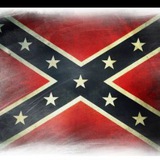
But seriously....responsible gun ownership is the best way to lower crime...most criminals want to live. They may not want YOU to live but they sure as heck want to preserve their skins...and the South has guns a plenty and veterans a plenty. Which raises another question altogether: should Southern boys fight and die in foreign adventures thought up by and executed by Northern politicos and their foreign owners...er donors?
https://youtu.be/joG0eve4cUU?si=nFaJANt9NtYNj2m7
https://youtu.be/joG0eve4cUU?si=nFaJANt9NtYNj2m7
YouTube
Why Southerners Aren't in Horror Movies
Barry shows you why it ain't like they show in the movies #horror #halloween
Studweiser Merch: https://teespring.com/stores/barry-gets-rowdy
Book a shoutout: www.cameo.com/barrygetsrowdy
Become a supporter: www.facebook.com/barrymcgunthriejr
IG & TikTok…
Studweiser Merch: https://teespring.com/stores/barry-gets-rowdy
Book a shoutout: www.cameo.com/barrygetsrowdy
Become a supporter: www.facebook.com/barrymcgunthriejr
IG & TikTok…
👍1
Major Johann August Heinrich Heros von Borcke
J.A. Heinrich was a Prussian cavalry officer and writer who served in the army of the CSA. The major was better known as the "Giant in Gray" who served in the Army of Northern Virginia from 1862-1864. He was a large man even by today's standards, standing at 6'4", which made him a prime target on the battlefield. Heinrich was also famous for his memoires "Memoires of the Confederate War of Independence".
In 1862 he arrived in Charleston SC and joined J.E.B. Stuart as Captain, PACS in June. Stuart had this to say about the Prussian's perfromance.
"Capt. Heros von Borcke, a Prussian cavalry officer, who lately ran the blockade, assigned me by the honorable Secretary of War, joined in the charge of the First Squadron in gallant style, and subsequently, by his energy, skill, and activity, won the praise and admiration of all".
He was wounded in Middleburg, 19 June 1863. In 1867 he rejoined the Prussian army and fought in the Austro-Prussian War.
J.A. Heinrich was a Prussian cavalry officer and writer who served in the army of the CSA. The major was better known as the "Giant in Gray" who served in the Army of Northern Virginia from 1862-1864. He was a large man even by today's standards, standing at 6'4", which made him a prime target on the battlefield. Heinrich was also famous for his memoires "Memoires of the Confederate War of Independence".
In 1862 he arrived in Charleston SC and joined J.E.B. Stuart as Captain, PACS in June. Stuart had this to say about the Prussian's perfromance.
"Capt. Heros von Borcke, a Prussian cavalry officer, who lately ran the blockade, assigned me by the honorable Secretary of War, joined in the charge of the First Squadron in gallant style, and subsequently, by his energy, skill, and activity, won the praise and admiration of all".
He was wounded in Middleburg, 19 June 1863. In 1867 he rejoined the Prussian army and fought in the Austro-Prussian War.
👍3
Forwarded from The Virginia Flaggers 🇸🇴
"Meantime he has a nobler monument than can be built of marble or of brass. His monument is the adoration of the South; his shrine is in every Southern heart." - Thomas Nelson Page
👍4
The overwhelming drive of the Yanks and Liberals to destroy the Battle Flag or Southern Cross is edging on obsession. Why are they so determined to destroy the flag? Because they consider it a flag of hate?
Under the US flag hundreds of thousands of Indians were butchered for 150 years. Under that flag, various legitimate uprisings like the Whiskey Revolt were crushed. Under that flag Washington to this day illegally occupies a fourth of Syria and steals its oil. But because some few fools and psychopaths used the symbol of the Southern Cross, it is a symbol of evil?
Or maybe, as their control of empire slips, they are desperate to destroy any and all traces of Southern culture before it remembers its strength and independence?
https://youtu.be/y3s8XLr6waA?si=6IeP55rKMY7A-Gzs
Under the US flag hundreds of thousands of Indians were butchered for 150 years. Under that flag, various legitimate uprisings like the Whiskey Revolt were crushed. Under that flag Washington to this day illegally occupies a fourth of Syria and steals its oil. But because some few fools and psychopaths used the symbol of the Southern Cross, it is a symbol of evil?
Or maybe, as their control of empire slips, they are desperate to destroy any and all traces of Southern culture before it remembers its strength and independence?
https://youtu.be/y3s8XLr6waA?si=6IeP55rKMY7A-Gzs
YouTube
Heritage, Hate, and an Enduring Symbol of Division | Confederate Flag
The flag we've all become familiar with today was never the official flag for the Confederate States of America, so how did it become the emblem that is so deeply associated with it now? Explore the history of this symbol and learn about how feelings surrounding…
👍4🔥2⚡1
Forwarded from The Virginia Flaggers 🇸🇴
Mechanicsville Christmas Parade…before the the Mechanicsville Rotary GOT WOKE and banned ALL things Confederate! Boycott their parade AND their fund raisers!
Contact info: https://www.mechanicsvillerotary.org/general-contact
Contact info: https://www.mechanicsvillerotary.org/general-contact
🔥4👍2
Forwarded from The Virginia Flaggers 🇸🇴
Lest we forget! University of Alabama bowing to Marxists and tearing down the memorial to BAMA students who died on the field of battle. Circa 2020
🤬6😱2😁1
Irish Confederates
The largest immigrant group of the South in 1861 was the Irish and Scotch-Irish. This was in part driven by the starvation caused by Potato Famine of 1845-49 which itself was caused by the British forced monoculture of potatoes.
The Irish had found integration in the South much easier than in the North and as such held no issues against defending what they equally considered their motherland. Thousands answered the call to arms. These were not only foot soldiers but officers too, as a matter of fact, 6 Confederate generals were Irish.
The Fighting Irish also had the full backing of the broader Irish diaspora in the South. The Irish who had been victims of the cruel overlords in London saw the same fate starring them from Washington. The Irish Catholic Church was very active in supporting the Richmond government in total victory over the yanks.
The largest immigrant group of the South in 1861 was the Irish and Scotch-Irish. This was in part driven by the starvation caused by Potato Famine of 1845-49 which itself was caused by the British forced monoculture of potatoes.
The Irish had found integration in the South much easier than in the North and as such held no issues against defending what they equally considered their motherland. Thousands answered the call to arms. These were not only foot soldiers but officers too, as a matter of fact, 6 Confederate generals were Irish.
The Fighting Irish also had the full backing of the broader Irish diaspora in the South. The Irish who had been victims of the cruel overlords in London saw the same fate starring them from Washington. The Irish Catholic Church was very active in supporting the Richmond government in total victory over the yanks.
👍6🔥2❤1
Forwarded from The Virginia Flaggers 🇸🇴
In memoriam: Jefferson Davis, died this day in 1889 in New Orleans, Louisiana.
“Not in hostility to others, not to injure any section of the country, not even for our own pecuniary benefit, but from the high and solemn motive of defending and protecting the rights we inherited, and which it is our duty to transmit unshorn to our children.”
-Jefferson Davis, U.S. Senate, January 21st, 1861
“Not in hostility to others, not to injure any section of the country, not even for our own pecuniary benefit, but from the high and solemn motive of defending and protecting the rights we inherited, and which it is our duty to transmit unshorn to our children.”
-Jefferson Davis, U.S. Senate, January 21st, 1861
🫡4👍2🔥1
Forwarded from Southern Culture, Heritage & History
The first of the Lees in America was Richard Lee I "The Immigrant", a destitute Gentleman from England. Richard I arrived in America with the aims of rebuilding his family wealth in the New World and establishing his family as successful and influential once again.
Once in the colony of Virginia, he began investing what little savings he had in the tobacco trade, quickly making a fortune such that he established himself as among the most successful of the early Planters.
His son, Richard Lee II would become a member of the House of Burgesses and the King's Council. Richard II left for his son, Richard III, his father's plantation, which he rented to his brothers.
The cost of rent? One peppercorn, black or white, to be owed on Christmas Day.
Once in the colony of Virginia, he began investing what little savings he had in the tobacco trade, quickly making a fortune such that he established himself as among the most successful of the early Planters.
His son, Richard Lee II would become a member of the House of Burgesses and the King's Council. Richard II left for his son, Richard III, his father's plantation, which he rented to his brothers.
The cost of rent? One peppercorn, black or white, to be owed on Christmas Day.
👍3🔥2❤1
Forwarded from The Virginia Flaggers 🇸🇴
This media is not supported in your browser
VIEW IN TELEGRAM
Return to Tradition — A traditional Southern dance at the 1861 Girls School in Columbia Tennessee yesterday. 🇸🇴Dance: Carolina Promenade
❤4🔥2👍1
Continuing the Irish line, today we will discuss one of six Irish generals who served the Confederate cause. James Boggs April 8, 1796 – January 28, 1862.
Boggs was born in Ireland and immigrated to the US in 1807 with his parents and six siblings. They settled in Peddleton County, Virginia (now West Virginia), where they bought a large farm. In 1842 he became Justice of the County and in 1843 Sheriff. He was a successful farmer in his own right and a slave owner. In 1861 he was in the Virginia House of Delegates.
James Boggs served in the army of Northern Virginia. At the age of 64, which was a rather advanced age for those times, he took up the sword and went to do his part in the defense of the Confederacy. Boggs became brigadier general of the 18th Brigade in the Virginia militia. In June 1861 his militia was incorporated into the Army of Northern Virginia. Their first action was in Moorefield, Virginia (West Virginia) against Union home guard militia.
Boggs was born in Ireland and immigrated to the US in 1807 with his parents and six siblings. They settled in Peddleton County, Virginia (now West Virginia), where they bought a large farm. In 1842 he became Justice of the County and in 1843 Sheriff. He was a successful farmer in his own right and a slave owner. In 1861 he was in the Virginia House of Delegates.
James Boggs served in the army of Northern Virginia. At the age of 64, which was a rather advanced age for those times, he took up the sword and went to do his part in the defense of the Confederacy. Boggs became brigadier general of the 18th Brigade in the Virginia militia. In June 1861 his militia was incorporated into the Army of Northern Virginia. Their first action was in Moorefield, Virginia (West Virginia) against Union home guard militia.
👍4❤1🔥1
Forwarded from Southern Culture, Heritage & History
Lieutenant Robert Cobb Kennedy
Robert Cobb Kennedy was a Lieutenant of the Louisiana Regulars who saw combat at the battle at Shiloh's Hill. Taking a grievous injury that left him with such a limp that he was unfit for combat service, although promoted to Captain some time before. Captain Kennedy called on an old Westpoint classmate of his, General Wheeler, to help him stay in the service of the Army as a personal assistant.
Captain Kennedy served in this role for some short while until he was captured and sent away to an island prison. No prison would seem to hold him, though, as he almost immediately set about escaping, and succeeded on his first attempt by using a quickly fashioned ladder and even building an entire boat under the nose of the Yankee guards.
The Captain snuck out of the country and escaped in Canada where he made contact with the Confederate Secret Service, who, impressed by his story, immediately took him on as an agent.
Robert Cobb Kennedy was a Lieutenant of the Louisiana Regulars who saw combat at the battle at Shiloh's Hill. Taking a grievous injury that left him with such a limp that he was unfit for combat service, although promoted to Captain some time before. Captain Kennedy called on an old Westpoint classmate of his, General Wheeler, to help him stay in the service of the Army as a personal assistant.
Captain Kennedy served in this role for some short while until he was captured and sent away to an island prison. No prison would seem to hold him, though, as he almost immediately set about escaping, and succeeded on his first attempt by using a quickly fashioned ladder and even building an entire boat under the nose of the Yankee guards.
The Captain snuck out of the country and escaped in Canada where he made contact with the Confederate Secret Service, who, impressed by his story, immediately took him on as an agent.
👍4❤1🔥1
Forwarded from Southern Culture, Heritage & History
Agent Kennedy joined with his fellow operatives to comastermind a plot to take revenge for the Federal's scorched-earth tactics towards the end of the war. The plan was to create as terrible an arson in New York City as possible by overwhelming the fire department by lighting many all at once in all corners of the city. However, they underestimated the city's infrastructure and failed to start the conflagration.
Many of the conspirators fled into Canada alongside Agent Kennedy however some number were caught and arrested. Agent Kennedy refused to allow this to stand and returned to America, stole the train that was transporting the prisoners, and redirected it to Canada. Once the freed prisoners were off, he took the train back to America hoping to pass through unnoticed.
Agent Kennedy was not so lucky, however, and was arrested in Detroit. He was imprisoned and sentenced to hang, having his next escape attempt foiled.
Many of the conspirators fled into Canada alongside Agent Kennedy however some number were caught and arrested. Agent Kennedy refused to allow this to stand and returned to America, stole the train that was transporting the prisoners, and redirected it to Canada. Once the freed prisoners were off, he took the train back to America hoping to pass through unnoticed.
Agent Kennedy was not so lucky, however, and was arrested in Detroit. He was imprisoned and sentenced to hang, having his next escape attempt foiled.
👍3🔥2❤1
Forwarded from Southern Culture, Heritage & History
Southern Culture, Heritage & History
Agent Kennedy joined with his fellow operatives to comastermind a plot to take revenge for the Federal's scorched-earth tactics towards the end of the war. The plan was to create as terrible an arson in New York City as possible by overwhelming the fire department…
Captain Robert Cobb Kennedy would be sentenced to hung, and approached the noose with an almost jolly air. The man was dead drunk as he was allotted some amount of hard liqour, and few witnessing the execution were old friends from West Point. The Captain shot joke and insult on his way up to the noose, belligerent as ever while still maintaining an odd jovial way. When asked for his last words, he began to sing an old Irish tune.
"Trust to luck, trust all to luck; Stare fate right in the face. Sure your heart shall be easy, if it's in the right place."
The rope was pulled and he was hung and killed mid-verse on March 25, 1865 at 29 years of age.
"Trust to luck, trust all to luck; Stare fate right in the face. Sure your heart shall be easy, if it's in the right place."
The rope was pulled and he was hung and killed mid-verse on March 25, 1865 at 29 years of age.
👍2🔥2❤1
No matter how much the new brand of southern (with a small 's') politicians want to paper over Southern Culture and The South, it will never fit into their nice little Washington sponsored dream.
The South is not the USA, it is its own entity and always has been. It proved itself as much during the War of Northern Aggression or the Second American War of Independence.
While previous southern politicians in decades past, tried to keep the South alive, the present batch is high on that DC dollarpium...all, with rare exceptions are looking at DC and seeing their futures there not in The South.
The rest of the country is absolutely ignorant of Southern Culture or even its existence. It is truly an amazing sight. I have had numerous new yorkers and such tell me it does not exist and was assimilated within 20 years of the end of the Civil War. That no one flies the Confederate battle flag anymore.
Long Live The South!!!
The South is not the USA, it is its own entity and always has been. It proved itself as much during the War of Northern Aggression or the Second American War of Independence.
While previous southern politicians in decades past, tried to keep the South alive, the present batch is high on that DC dollarpium...all, with rare exceptions are looking at DC and seeing their futures there not in The South.
The rest of the country is absolutely ignorant of Southern Culture or even its existence. It is truly an amazing sight. I have had numerous new yorkers and such tell me it does not exist and was assimilated within 20 years of the end of the Civil War. That no one flies the Confederate battle flag anymore.
Long Live The South!!!
🔥7👍1💯1
Today, we will further continue exploring the Irish commitment to the Confederate cause with the biography of William M. Browne.
Browne was born in County Mayo, Ireland in 1823. The fifth son, he received a higher education and served in the British Army, seeing action in the Crimean War in the early 1850s. Sometime right after the Crimean War, he immigrated to the US. In 1855 he was registered in New York City and wrote for the New York Journal of Commerce. By 1859 he had moved to DC and wrote for the Washington Constitution.
In 1861 Browne, who had now gotten the nickname Constitution Browne and advocated for session, relocated to Athens, Georgia. Jefferson Davis then appointed Browne Assistant Secretary of State. Browne relocated with his family to Richmond. Browne’s younger brother was one Confederate Colonel Thomas Cobb.
In 1862, Browne resigned and was assigned as aide-de-camp to President Davis with the rank of Colonel of the Cavalry.
Browne was born in County Mayo, Ireland in 1823. The fifth son, he received a higher education and served in the British Army, seeing action in the Crimean War in the early 1850s. Sometime right after the Crimean War, he immigrated to the US. In 1855 he was registered in New York City and wrote for the New York Journal of Commerce. By 1859 he had moved to DC and wrote for the Washington Constitution.
In 1861 Browne, who had now gotten the nickname Constitution Browne and advocated for session, relocated to Athens, Georgia. Jefferson Davis then appointed Browne Assistant Secretary of State. Browne relocated with his family to Richmond. Browne’s younger brother was one Confederate Colonel Thomas Cobb.
In 1862, Browne resigned and was assigned as aide-de-camp to President Davis with the rank of Colonel of the Cavalry.
👍4🔥1💯1
Mark Levin a yankee republican compares sanctuary cities and states to the Old Confederacy because they refuse to follow federal law on migration. The Confederacy refused to have States Rights infringed, it did not go against the Constitution.
For those who think the South has friends in the Republican party, it surely does NOT. Neither party cares for the historic truth or the South and most definitely NOT the Confederacy or its historic memory.
For those who think the South has friends in the Republican party, it surely does NOT. Neither party cares for the historic truth or the South and most definitely NOT the Confederacy or its historic memory.
🤡4💯1
The North since day one has been trying to white wash the contributions of both free blacks and loyal servants to the Confederate cause. We can understand why many free blacks fought, but why would slaves? To defend their families from the ravages of northern armies. Many slaves had close familial bonds with their white owners. Many were of mixed blood. Slavery was dying on its own, but bonds were like blood.
So while the North and their southern fellow travellers destroy history, here are two reports from northern generals on the issue of armed black Confederates. In the very words of the Yankee officers themselves. No blacks in the Confederate army? Or just a few? Really?
https://youtu.be/_GVIAypsnh8?si=W2VGaOKUd_96Orp4
So while the North and their southern fellow travellers destroy history, here are two reports from northern generals on the issue of armed black Confederates. In the very words of the Yankee officers themselves. No blacks in the Confederate army? Or just a few? Really?
https://youtu.be/_GVIAypsnh8?si=W2VGaOKUd_96Orp4
👍1