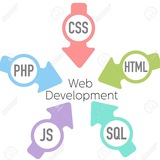
Javascript is the most widely used scripting language used on server side and client side. While to start learning Javascript , you need a proper path for better understanding of popular frameworks like Angular or Reactjs.. Here's a roadmap to learn Javascript..
Hope you liked it
𝗛𝗶𝗴𝗵𝗹𝘆 𝗗𝗲𝗺𝗮𝗻𝗱𝗶𝗻𝗴 𝗙𝗥𝗘𝗘 𝗖𝗲𝗿𝘁𝗶𝗳𝗶𝗰𝗮𝘁𝗶𝗼𝗻 𝗖𝗼𝘂𝗿𝘀𝗲𝘀 - 𝗘𝗿𝗼𝗹𝗹 𝗙𝗼𝗿 𝗙𝗥𝗘𝗘😍
Industry-approved Certifications to enhance employability
𝗔𝗜 & 𝗠𝗟 :- https://pdlink.in/4nwV054
𝗗𝗮𝘁𝗮 𝗔𝗻𝗮𝗹𝘆𝘁𝗶𝗰𝘀 :-https://pdlink.in/4l3nFx0
𝗖𝗹𝗼𝘂𝗱 𝗖𝗼𝗺𝗽𝘂𝘁𝗶𝗻𝗴 :- https://pdlink.in/4lteAgN
𝗖𝘆𝗯𝗲𝗿 𝗦𝗲𝗰𝘂𝗿𝗶𝘁𝘆 :- https://pdlink.in/3ZLHHmW
𝗢𝘁𝗵𝗲𝗿 𝗖𝗼𝘂𝗿𝘀𝗲𝘀 :-https://pdlink.in/3G5G9O4
𝗠𝗼𝗰𝗸 𝗔𝘀𝘀𝗲𝘀𝘀𝗺𝗲𝗻𝘁:- https://pdlink.in/4kan6A9
Get the Govt. of India Incentives on course completion🎓
Industry-approved Certifications to enhance employability
𝗔𝗜 & 𝗠𝗟 :- https://pdlink.in/4nwV054
𝗗𝗮𝘁𝗮 𝗔𝗻𝗮𝗹𝘆𝘁𝗶𝗰𝘀 :-https://pdlink.in/4l3nFx0
𝗖𝗹𝗼𝘂𝗱 𝗖𝗼𝗺𝗽𝘂𝘁𝗶𝗻𝗴 :- https://pdlink.in/4lteAgN
𝗖𝘆𝗯𝗲𝗿 𝗦𝗲𝗰𝘂𝗿𝗶𝘁𝘆 :- https://pdlink.in/3ZLHHmW
𝗢𝘁𝗵𝗲𝗿 𝗖𝗼𝘂𝗿𝘀𝗲𝘀 :-https://pdlink.in/3G5G9O4
𝗠𝗼𝗰𝗸 𝗔𝘀𝘀𝗲𝘀𝘀𝗺𝗲𝗻𝘁:- https://pdlink.in/4kan6A9
Get the Govt. of India Incentives on course completion🎓
Commonly asked System Design CONCEPT BASED interview topics -
1. Horizontal vs Vertical Partitioning:
Vertical partitioning splits tables by columns, often separating different features. Horizontal partitioning splits tables by rows, distributing data across multiple servers. Vertical organizes data logically, while horizontal improves scalability + performance.
2. Apache Kafka:
Kafka is a distributed streaming platform using a publish-subscribe model. It's fast due to the sequential disk I/O, zero-copy principle, and efficient batching of messages.
3. Rate Limiter:
A rate limiter controls the rate of requests a client can make to a service. It prevents overload and ensures fair resource usage.
4. JWT vs OAuth vs SAML:
JWT is a compact, self-contained token for secure information transmission. OAuth is an authorization framework for delegated access. SAML is an XML-based standard for exchanging authentication and authorization data.
5. Single Sign-On (SSO):
SSO allows users to access multiple applications with one set of credentials. It typically uses a central authentication server and protocols like SAML/OAuth.
6. Microservices vs Monolithic Architecture:
Microservices architecture breaks an application into small, independent services. Monolithic architecture is a single, tightly-coupled unit. Microservices offer scalability while monoliths are simpler to develop + deploy.
7. Reverse Proxy vs Forward Proxy:
A reverse proxy sits in front of web servers, forwarding client requests to backend servers. A forward proxy sits in front of clients, forwarding their requests to the internet. Reverse proxies are used for load balancing and security, while forward proxies are used for anonymity and filtering.
8. CAP Theorem:
The CAP theorem states that a distributed system can only provide two of three guarantees: Consistency, Availability, and Partition tolerance. In practice, partition tolerance is necessary, so systems must choose between consistency and availability during network partitions.
10. Efficient Caching Strategy:
Implement multi-level caching (browser, CDN, application server, database). Use appropriate cache invalidation strategies (TTL, event-based). Consider cache coherence for distributed systems.
Best DSA RESOURCES: https://topmate.io/coding/886874
All the best 👍👍
1. Horizontal vs Vertical Partitioning:
Vertical partitioning splits tables by columns, often separating different features. Horizontal partitioning splits tables by rows, distributing data across multiple servers. Vertical organizes data logically, while horizontal improves scalability + performance.
2. Apache Kafka:
Kafka is a distributed streaming platform using a publish-subscribe model. It's fast due to the sequential disk I/O, zero-copy principle, and efficient batching of messages.
3. Rate Limiter:
A rate limiter controls the rate of requests a client can make to a service. It prevents overload and ensures fair resource usage.
4. JWT vs OAuth vs SAML:
JWT is a compact, self-contained token for secure information transmission. OAuth is an authorization framework for delegated access. SAML is an XML-based standard for exchanging authentication and authorization data.
5. Single Sign-On (SSO):
SSO allows users to access multiple applications with one set of credentials. It typically uses a central authentication server and protocols like SAML/OAuth.
6. Microservices vs Monolithic Architecture:
Microservices architecture breaks an application into small, independent services. Monolithic architecture is a single, tightly-coupled unit. Microservices offer scalability while monoliths are simpler to develop + deploy.
7. Reverse Proxy vs Forward Proxy:
A reverse proxy sits in front of web servers, forwarding client requests to backend servers. A forward proxy sits in front of clients, forwarding their requests to the internet. Reverse proxies are used for load balancing and security, while forward proxies are used for anonymity and filtering.
8. CAP Theorem:
The CAP theorem states that a distributed system can only provide two of three guarantees: Consistency, Availability, and Partition tolerance. In practice, partition tolerance is necessary, so systems must choose between consistency and availability during network partitions.
10. Efficient Caching Strategy:
Implement multi-level caching (browser, CDN, application server, database). Use appropriate cache invalidation strategies (TTL, event-based). Consider cache coherence for distributed systems.
Best DSA RESOURCES: https://topmate.io/coding/886874
All the best 👍👍
🌐 Web Development Resources – Learn & Build! 🔰
Welcome to the world of HTML, CSS, JavaScript, and modern frameworks.
📖 Frontend & Backend
📁 Projects & GitHub Gems
⚡️ Productivity Boosts
📚 Learning Resources
🔗 Join the community and build something awesome every day!
Welcome to the world of HTML, CSS, JavaScript, and modern frameworks.
We share practical tips, code snippets, tools, and real-world projects to help you grow as a developer — whether you're just starting out or looking to level up.
📖 Frontend & Backend
📁 Projects & GitHub Gems
⚡️ Productivity Boosts
📚 Learning Resources
🔗 Join the community and build something awesome every day!