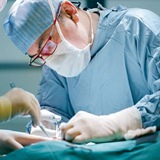
🔴NG Tube Insertion Skill
🔷Indications For NG Tube Insertion :
📍1. For Gastric Lavage After Poisoning Or Suicide Attempts
غسل المعدة، وهذا أكثر ما يُستخدم في قسم الطوارئ
📍2. Enteral Feeding (Food & Drugs Delivery) For :
هذا يُستخدم في أقسام التنويم
▪︎Stroke Patients With Dysphagia
▪︎ICU Patients
▪︎Patients With Poor Oral Intake
▪︎Unconscious Patients
📍3. Gastric Decompression After GIT Obstruction
🔷Contraindications Of NG Tube Insertion :
▪︎Head Trauma (Basilar Skull Fractures & Severe Facial Deformity)
▪︎Complete Nasal Obstruction
▪︎Suspected Esophageal Perforation Or Strictures Or Varices
▪︎Severe Coagulopathy Or Recent Upper Git Bleeding
🔷Procedure Of NG Tube Insertion :
📍1. NG Tube Size :
▪︎Neonates 5-8Fr
▪︎Children 8-12Fr
▪︎Adult Feeding 8-12Fr
▪︎Adult Decompression Or Lavage 14-18Fr (16 Recommended)
📍2. Patient in Sitting Position 45°-90°
📍3. Check Nasal Patency
تأكد من أن الأنف مفتوح وغير مسدود ثم حدد أي فتحة أنف أفضل للإدخال
📍4. Measure NG Tube From Nasal Bridge To Ear Lobe To 5cm Below Xiphisternum Then Mark End Of Tube (Total Length About 55-65cm)
📍5. Other Tools Needed :
▪︎Catheter Tip Irrigation Syringe 60ml
سرنجة تغذية مخروطية، غالباً لا تتوفر في المستشفى ويجب على المريض شراؤها من الصيدلية
▪︎Xylocaine Gel For Tube Lubrication & Anesthesia
يجب تغطية الأنبوب بالكامل بمادة الزايلوكايين، ووضع كمية قليلة داخل فتحة الأنف لتقليل الألم وإحداث التخدير الموضعي
📍6. Start NG Tube Insertion :
▪︎Insertion Should Be Posteriorly & Inferiorly
▪︎Keep Patient Neck Flexed
▪︎After Gentle Tube Pushing Ask Patient To Swallow Water Then Keep Pushing With Each Swallowing
▪︎Stop Pushing When Reach Tube Mark
▪︎Secure The Tube To The Nose Using Tape
- يكون الإدخال باتجاه مستقيم، ثم قد تواجه مقاومة بسيطة، حاول الدفع برفق، وإذا لم ينجح الأمر قم بتدوير الأنبوب قليلًا من الخارج ليسهل نزوله
- خلال ذلك اطلب من المريض شرب الماء واستمر في الإدخال
- احرص على إبقاء رقبة المريض مثنية لتجنب دخول الأنبوب إلى المجرى التنفسي
📍7. Stop Pushing & Pull Out The Tube If :
▪︎Severe Coughing
▪︎Inability To Speak
▪︎Cyanosis & Respiratory Distress
📍8. Confirm NG Tube Position : مهمة جدًا
▪︎Gastric Aspiration
نسحب بواسطة السرنجة من الأنبوب وقد نشاهد مادة صفراء
▪︎Stethoscope Test
نحقن هواء في الأنبوب ونستمع للصوت عند وضع السماعة على بطن المريض
▪︎Chest Or Abdominal Xray (Best Method) ➡️
يمر الأنبوب أسفل الكارينا ثم يتجه إلى اليسار أسفل الحجاب الحاجز (وتُرى نهاية الأنبوب أسفل الحجاب الحاجز)
لا تبدأ التغذية أو إعطاء الأدوية حتى يتم التأكد بالأشعة من موضع الأنبوب
📍9. See The Following Videos :
▪︎https://t.me/Surgery_Practice/403
▪︎https://t.me/Surgery_Practice/404
📍10. Check Xray Image Below :
https://t.me/Surgery_Practice/405?comment=82
🔷Indications For NG Tube Insertion :
📍1. For Gastric Lavage After Poisoning Or Suicide Attempts
غسل المعدة، وهذا أكثر ما يُستخدم في قسم الطوارئ
📍2. Enteral Feeding (Food & Drugs Delivery) For :
هذا يُستخدم في أقسام التنويم
▪︎Stroke Patients With Dysphagia
▪︎ICU Patients
▪︎Patients With Poor Oral Intake
▪︎Unconscious Patients
📍3. Gastric Decompression After GIT Obstruction
🔷Contraindications Of NG Tube Insertion :
▪︎Head Trauma (Basilar Skull Fractures & Severe Facial Deformity)
▪︎Complete Nasal Obstruction
▪︎Suspected Esophageal Perforation Or Strictures Or Varices
▪︎Severe Coagulopathy Or Recent Upper Git Bleeding
🔷Procedure Of NG Tube Insertion :
📍1. NG Tube Size :
▪︎Neonates 5-8Fr
▪︎Children 8-12Fr
▪︎Adult Feeding 8-12Fr
▪︎Adult Decompression Or Lavage 14-18Fr (16 Recommended)
📍2. Patient in Sitting Position 45°-90°
📍3. Check Nasal Patency
تأكد من أن الأنف مفتوح وغير مسدود ثم حدد أي فتحة أنف أفضل للإدخال
📍4. Measure NG Tube From Nasal Bridge To Ear Lobe To 5cm Below Xiphisternum Then Mark End Of Tube (Total Length About 55-65cm)
📍5. Other Tools Needed :
▪︎Catheter Tip Irrigation Syringe 60ml
سرنجة تغذية مخروطية، غالباً لا تتوفر في المستشفى ويجب على المريض شراؤها من الصيدلية
▪︎Xylocaine Gel For Tube Lubrication & Anesthesia
يجب تغطية الأنبوب بالكامل بمادة الزايلوكايين، ووضع كمية قليلة داخل فتحة الأنف لتقليل الألم وإحداث التخدير الموضعي
📍6. Start NG Tube Insertion :
▪︎Insertion Should Be Posteriorly & Inferiorly
▪︎Keep Patient Neck Flexed
▪︎After Gentle Tube Pushing Ask Patient To Swallow Water Then Keep Pushing With Each Swallowing
▪︎Stop Pushing When Reach Tube Mark
▪︎Secure The Tube To The Nose Using Tape
- يكون الإدخال باتجاه مستقيم، ثم قد تواجه مقاومة بسيطة، حاول الدفع برفق، وإذا لم ينجح الأمر قم بتدوير الأنبوب قليلًا من الخارج ليسهل نزوله
- خلال ذلك اطلب من المريض شرب الماء واستمر في الإدخال
- احرص على إبقاء رقبة المريض مثنية لتجنب دخول الأنبوب إلى المجرى التنفسي
📍7. Stop Pushing & Pull Out The Tube If :
▪︎Severe Coughing
▪︎Inability To Speak
▪︎Cyanosis & Respiratory Distress
📍8. Confirm NG Tube Position : مهمة جدًا
▪︎Gastric Aspiration
نسحب بواسطة السرنجة من الأنبوب وقد نشاهد مادة صفراء
▪︎Stethoscope Test
نحقن هواء في الأنبوب ونستمع للصوت عند وضع السماعة على بطن المريض
▪︎Chest Or Abdominal Xray (Best Method) ➡️
يمر الأنبوب أسفل الكارينا ثم يتجه إلى اليسار أسفل الحجاب الحاجز (وتُرى نهاية الأنبوب أسفل الحجاب الحاجز)
لا تبدأ التغذية أو إعطاء الأدوية حتى يتم التأكد بالأشعة من موضع الأنبوب
📍9. See The Following Videos :
▪︎https://t.me/Surgery_Practice/403
▪︎https://t.me/Surgery_Practice/404
📍10. Check Xray Image Below :
https://t.me/Surgery_Practice/405?comment=82
Telegram
Surgical Practice Dr. alqhatani
❇️ NG Tube Insertion
https://t.me/Surgery_Practice
https://t.me/Surgery_Practice
❤2🔥2🥰1
Forwarded from Surgical Practice Dr. alqhatani (彡 Dr_Thaalnoon_ALqahatani ⁞²⁰²³彡)
🔥 سؤال مهمممم ومنتظرين إجاباتكم
هل يمكن أن يكون المضاد الحيوي وحده كافيا لعلاج حالات التهاب الزائدة الدودية؟
إذا كانت الإجابة نعم
👈 ما الشروط التي تجعل هذا الخيار آمن وفعال؟
👈 وهل العلاج بالمضادات الحيوية وحدها ممكن في الحالات المعقدة؟
👈 وهل ممكن ان يغنينا دائماً عن الجراحة أم أنه خيار في حالات محددة؟
الإجابة عبر بوت القناة
@Alqhatani_bot
أو أسفل المنشور ⬇️
هل يمكن أن يكون المضاد الحيوي وحده كافيا لعلاج حالات التهاب الزائدة الدودية؟
إذا كانت الإجابة نعم
👈 ما الشروط التي تجعل هذا الخيار آمن وفعال؟
👈 وهل العلاج بالمضادات الحيوية وحدها ممكن في الحالات المعقدة؟
👈 وهل ممكن ان يغنينا دائماً عن الجراحة أم أنه خيار في حالات محددة؟
الإجابة عبر بوت القناة
@Alqhatani_bot
أو أسفل المنشور ⬇️
Surgical Practice Dr. alqhatani
🔥 سؤال مهمممم ومنتظرين إجاباتكم هل يمكن أن يكون المضاد الحيوي وحده كافيا لعلاج حالات التهاب الزائدة الدودية؟ إذا كانت الإجابة نعم 👈 ما الشروط التي تجعل هذا الخيار آمن وفعال؟ 👈 وهل العلاج بالمضادات الحيوية وحدها ممكن في الحالات المعقدة؟ 👈 وهل ممكن ان…
خلال تصفحي أحد البحوث الطبية التابعة لـ الجمعية العالمية لجراحة الطوارئ World Society of Emergency Surgery وجدت من ضمن التوصيات أن المضاد الحيوي وحده قد يكون كافياً لعلاج حالات التهاب الزائدة الدودية غير المعقدة (بدون مضاعفات).
🔥 Antibiotics Alone May Be Sufficient in Uncomplicated Appendicitis ⬇️
❇️ In uncomplicated appendicitis (no abscess, perforation, or diffuse peritonitis), treatment with antibiotics alone can be effective with close monitoring.
في التهاب الزائدة الدودية التي ليس فيها أية مضاعفات (بدون خراج، أو انفجار، أو التهاب بريتواني) يمكن أن يكون العلاج بالمضادات الحيوية وحده خيارًا فعالًا مع المتابعة الطبية الدقيقة.
❇️ Although nonoperative treatment with antibiotics is evidence-supported, it requires clinical monitoring to ensure response.
رغم أن العلاج غير الجراحي بالمضادات الحيوية مدعوم بالأدلة، فإنه يتطلب مراقبة سريرية للتأكد من الاستجابة
❇️ Recurrence or treatment failure may occur, meaning that some patients might later require surgery.
بمعنى قد يحدث إنتكاسه أو فشل علاجي في بعض المرضى، مما يعني احتمال الحاجة للجراحة لاحقًا.
🔰 Conclusion : Antibiotics are a valid option in selected uncomplicated cases, but surgery remains necessary when complications exist or medical therapy fails.
المضادات الحيوية خيار علاجي جيد في الحالات غير المعقدة، لكن قد نحتاج إلى الجراحة عند وجود تعقيدات أو عدم استجابة للعلاج.
https://t.me/Surgery_Practice
🔥 Antibiotics Alone May Be Sufficient in Uncomplicated Appendicitis ⬇️
❇️ In uncomplicated appendicitis (no abscess, perforation, or diffuse peritonitis), treatment with antibiotics alone can be effective with close monitoring.
في التهاب الزائدة الدودية التي ليس فيها أية مضاعفات (بدون خراج، أو انفجار، أو التهاب بريتواني) يمكن أن يكون العلاج بالمضادات الحيوية وحده خيارًا فعالًا مع المتابعة الطبية الدقيقة.
❇️ Although nonoperative treatment with antibiotics is evidence-supported, it requires clinical monitoring to ensure response.
رغم أن العلاج غير الجراحي بالمضادات الحيوية مدعوم بالأدلة، فإنه يتطلب مراقبة سريرية للتأكد من الاستجابة
❇️ Recurrence or treatment failure may occur, meaning that some patients might later require surgery.
بمعنى قد يحدث إنتكاسه أو فشل علاجي في بعض المرضى، مما يعني احتمال الحاجة للجراحة لاحقًا.
🔰 Conclusion : Antibiotics are a valid option in selected uncomplicated cases, but surgery remains necessary when complications exist or medical therapy fails.
المضادات الحيوية خيار علاجي جيد في الحالات غير المعقدة، لكن قد نحتاج إلى الجراحة عند وجود تعقيدات أو عدم استجابة للعلاج.
https://t.me/Surgery_Practice
Telegram
Surgical Practice Dr. alqhatani
- تابعة لقناة معلومات طبية:
@M_Information11
- قروب للمناقشة الطبية:
@M_Information21
- بوت التواصل :
@Alqhatani_bot
- صارحني :
http://t.me/SY8Bot?start=wiRwSie0ew
🚫 نحلل النقل ولا نحلل حذف الروابط🚫
@M_Information11
- قروب للمناقشة الطبية:
@M_Information21
- بوت التواصل :
@Alqhatani_bot
- صارحني :
http://t.me/SY8Bot?start=wiRwSie0ew
🚫 نحلل النقل ولا نحلل حذف الروابط🚫
👍3👏1
🔴Abdominal Trauma
▪︎Abdominal Injuries Occur in 7-10% Of All Trauma Patients
▪︎Abdominal Trauma Responsible For 15-20% Of All Trauma Death Usually Due To Massive Haemorrhage
▪︎¹Spleen Usually is The Most Commonly Injured Abdominal Organ Then The ²Liver
▪︎Spleen Usually is The Most Commonly Injured Abdominal Organ During Sport Injuries
🔷Most Commonly Injured Abdominal Organs Are
📍1. Due To Blunt Trauma (RTA) :
▪︎Spleen (45%)
▪︎Liver (40%)
▪︎RetroPeriToneal Hematoma (15%)
📍2. Due To Penterating Trauma From Stab Wounds & Low Velocity Gunshots :
▪︎Liver (40%)
▪︎Small Bowel (30%)
▪︎Diaphragm (20%)
▪︎Colon (15%)
📍3. Due To Penterating Trauma From High Velocity Gunshots :
▪︎Small Bowel (50%)
▪︎Colon (40%)
▪︎Liver (30%)
▪︎Vessels (25%)
🔷Patient Classifications According To Their Physiological (Haemodynamic) State
📍1. Physiologically Normal Patients ➡ Can Undergo Full Investigations Before Start Tx
📍2. Physiologically Non-Compromised Patients ➡ Can Undergo Only Limited Investigations To Determine If Patient Need Surgery Or More Conservative Tx (AngioEmbolisation)
📍3. Physiologically Compromised Patients ➡ Need Immediate Surgical Intervention
🔷Investigations During Abdominal Trauma
🪀Goal Of These Ix :
📍1. Determine Injured Organs
📍2. is Active Bleeding Present Or Not
📍3. Determine Type Of Mx
🪀Available Ix :
📍1. Abdominal CT Scan :
▪︎Gold Standard For Stable Patients (Not Used in Physiologically Compromised Patients)
▪︎Performed Using IV Contrast (Contrast CT Scan)
▪︎Sensitive For Blood/Specific Organ Injury/RetroPeriToneal Injury
▪︎Oral Contrast Useful if Duodenal Injury Suspected & Gas Around Colon Highly Suggestive Of Colonic Injury
📍2. FAST (Focused Abdominal Sonography For Trauma) :
▪︎Using US To Determine If There's Any Free Fluid Inside Abdominal & Thoracic & Pericardial Cavities (eFAST)
🪀FAST Advantages :
▪︎Rapid
▪︎Portable
▪︎Not Invasive
▪︎Reproducible (Can Repeated)
🪀FAST DisAdvantages :
▪︎Low Sensitivity (Sensitivity is 29-35% Because it Start Detect Fluids Only When Amount >100ml)
▪︎Very Operator Dependents يحتاج ناس خبرة 😎
▪︎Unreliable in Very Obese Patients & When Bowel Full Of Gases
▪︎Unreliable For Excluding Injury During Penterating Trauma
▪︎Difficult To Dx Hollow & Solid Organs & RetroPeriToneal Injuries على شنو لعد مفتحين
📍3. Diagnostic Peritoneal Lavage (DPL) :
▪︎It's An Old Method Used To Determine If There's Free Fluid Inside Abdominal Cavity
🪀Steps Of DLP :
🔻I. NG Tube To Empty The Stomach
🔻II. Urinary Catheter To Empty The Bladder
🔻III. Cannula Inserted Into The Abdomen (Below Umbilicus & Directed Caudally-Posterioly)
🔻IV. Then Do Aspiration From The Cannula Then Ringer Lactate Solution Pushed into The Abdomen (500ml) Then Allow To Drainage
🔻V. +Ve Test (Blood Or Free Fluid Present inside Abdomen) If :
▪︎>10ml Blood Aspiration
▪︎Drainage Of Blood Or Gastric Or Bladder Content
▪︎Laboratory (Or Urine Dipstick) Analysis Of The Drainage Reveal >100k RBCs Or >500WBCs Or Amylase Present
📍4. Laparoscopy Or Thoracoscopy :
▪︎Can Used in Stable Patients (Physiologically Non-Compromised) To :
🔻I. Detect Peritoneal Penetration Or Diaphragmatic Injury
🔻II. Dx Of Organs Injury
🔻III. Repair Of Injuries
#AbdominAl_Trauma
#part 1
#Surgery
–––––––––––––––
#تفاعل_ومشاركة_للمنشور ❤️🫶
#clinical
https://t.me/Surgery_Practice
▪︎Abdominal Injuries Occur in 7-10% Of All Trauma Patients
▪︎Abdominal Trauma Responsible For 15-20% Of All Trauma Death Usually Due To Massive Haemorrhage
▪︎¹Spleen Usually is The Most Commonly Injured Abdominal Organ Then The ²Liver
▪︎Spleen Usually is The Most Commonly Injured Abdominal Organ During Sport Injuries
🔷Most Commonly Injured Abdominal Organs Are
📍1. Due To Blunt Trauma (RTA) :
▪︎Spleen (45%)
▪︎Liver (40%)
▪︎RetroPeriToneal Hematoma (15%)
📍2. Due To Penterating Trauma From Stab Wounds & Low Velocity Gunshots :
▪︎Liver (40%)
▪︎Small Bowel (30%)
▪︎Diaphragm (20%)
▪︎Colon (15%)
📍3. Due To Penterating Trauma From High Velocity Gunshots :
▪︎Small Bowel (50%)
▪︎Colon (40%)
▪︎Liver (30%)
▪︎Vessels (25%)
🔷Patient Classifications According To Their Physiological (Haemodynamic) State
📍1. Physiologically Normal Patients ➡ Can Undergo Full Investigations Before Start Tx
📍2. Physiologically Non-Compromised Patients ➡ Can Undergo Only Limited Investigations To Determine If Patient Need Surgery Or More Conservative Tx (AngioEmbolisation)
📍3. Physiologically Compromised Patients ➡ Need Immediate Surgical Intervention
🔷Investigations During Abdominal Trauma
🪀Goal Of These Ix :
📍1. Determine Injured Organs
📍2. is Active Bleeding Present Or Not
📍3. Determine Type Of Mx
🪀Available Ix :
📍1. Abdominal CT Scan :
▪︎Gold Standard For Stable Patients (Not Used in Physiologically Compromised Patients)
▪︎Performed Using IV Contrast (Contrast CT Scan)
▪︎Sensitive For Blood/Specific Organ Injury/RetroPeriToneal Injury
▪︎Oral Contrast Useful if Duodenal Injury Suspected & Gas Around Colon Highly Suggestive Of Colonic Injury
📍2. FAST (Focused Abdominal Sonography For Trauma) :
▪︎Using US To Determine If There's Any Free Fluid Inside Abdominal & Thoracic & Pericardial Cavities (eFAST)
🪀FAST Advantages :
▪︎Rapid
▪︎Portable
▪︎Not Invasive
▪︎Reproducible (Can Repeated)
🪀FAST DisAdvantages :
▪︎Low Sensitivity (Sensitivity is 29-35% Because it Start Detect Fluids Only When Amount >100ml)
▪︎Very Operator Dependents يحتاج ناس خبرة 😎
▪︎Unreliable in Very Obese Patients & When Bowel Full Of Gases
▪︎Unreliable For Excluding Injury During Penterating Trauma
▪︎Difficult To Dx Hollow & Solid Organs & RetroPeriToneal Injuries على شنو لعد مفتحين
📍3. Diagnostic Peritoneal Lavage (DPL) :
▪︎It's An Old Method Used To Determine If There's Free Fluid Inside Abdominal Cavity
🪀Steps Of DLP :
🔻I. NG Tube To Empty The Stomach
🔻II. Urinary Catheter To Empty The Bladder
🔻III. Cannula Inserted Into The Abdomen (Below Umbilicus & Directed Caudally-Posterioly)
🔻IV. Then Do Aspiration From The Cannula Then Ringer Lactate Solution Pushed into The Abdomen (500ml) Then Allow To Drainage
🔻V. +Ve Test (Blood Or Free Fluid Present inside Abdomen) If :
▪︎>10ml Blood Aspiration
▪︎Drainage Of Blood Or Gastric Or Bladder Content
▪︎Laboratory (Or Urine Dipstick) Analysis Of The Drainage Reveal >100k RBCs Or >500WBCs Or Amylase Present
📍4. Laparoscopy Or Thoracoscopy :
▪︎Can Used in Stable Patients (Physiologically Non-Compromised) To :
🔻I. Detect Peritoneal Penetration Or Diaphragmatic Injury
🔻II. Dx Of Organs Injury
🔻III. Repair Of Injuries
#AbdominAl_Trauma
#part 1
#Surgery
–––––––––––––––
#تفاعل_ومشاركة_للمنشور ❤️🫶
#clinical
https://t.me/Surgery_Practice
Telegram
Surgical Practice Dr. alqhatani
- تابعة لقناة معلومات طبية:
@M_Information11
- قروب للمناقشة الطبية:
@M_Information21
- بوت التواصل :
@Alqhatani_bot
- صارحني :
http://t.me/SY8Bot?start=wiRwSie0ew
🚫 نحلل النقل ولا نحلل حذف الروابط🚫
@M_Information11
- قروب للمناقشة الطبية:
@M_Information21
- بوت التواصل :
@Alqhatani_bot
- صارحني :
http://t.me/SY8Bot?start=wiRwSie0ew
🚫 نحلل النقل ولا نحلل حذف الروابط🚫
❤2
🔷General Mx Of Abdominal Trauma
🔸A. Laparotomy Indications
📍1. Indications During Blunt Abdominal Trauma :
🔻I. Absolute :
▪︎Anterior Abdominal Injury With Hypotension
▪︎Abdominal Wall Disruption
▪︎Peritonitis
▪︎Free Air Under Diaphragm (On Chest Xray)
▪︎Positive FAST Or DPL in Hemodynamically Unstable Patient
▪︎CT-Dagnosed Injury Requiring Surgery
🔻II. Relative :
▪︎Positive FAST Or DPL in Hemodynamically Stable Patient
▪︎Solid Visceral Injury in Stable Patient
▪︎Hemoperitoneum On CT Wthout Clear Source
📍2. Indications During Penetrating Abdominal Trauma :
🔻I. Absolute :
▪︎Injury To Abdomen/Back/Flank With Hypotension
▪︎Abdominal Tenderness
▪︎GIT evisceration الأمعاء طالعة
▪︎High Suspicion For Trans-Abdominal Trajectory After Gunshot Wound
▪︎CT-Diagnosed Injury Requiring Surgery
🔻II. Relative :
▪︎Positive Local Wound Exploration After Stab Wound
🔸B. Conservative Tx If No Indications For Laparotomy
#AbdominAl_Trauma
#part 2
#Surgery
–––––––––––––––
#تفاعل_ومشاركة_للمنشور ❤️🫶
#clinical
https://t.me/Surgery_Practice
🔸A. Laparotomy Indications
📍1. Indications During Blunt Abdominal Trauma :
🔻I. Absolute :
▪︎Anterior Abdominal Injury With Hypotension
▪︎Abdominal Wall Disruption
▪︎Peritonitis
▪︎Free Air Under Diaphragm (On Chest Xray)
▪︎Positive FAST Or DPL in Hemodynamically Unstable Patient
▪︎CT-Dagnosed Injury Requiring Surgery
🔻II. Relative :
▪︎Positive FAST Or DPL in Hemodynamically Stable Patient
▪︎Solid Visceral Injury in Stable Patient
▪︎Hemoperitoneum On CT Wthout Clear Source
📍2. Indications During Penetrating Abdominal Trauma :
🔻I. Absolute :
▪︎Injury To Abdomen/Back/Flank With Hypotension
▪︎Abdominal Tenderness
▪︎GIT evisceration الأمعاء طالعة
▪︎High Suspicion For Trans-Abdominal Trajectory After Gunshot Wound
▪︎CT-Diagnosed Injury Requiring Surgery
🔻II. Relative :
▪︎Positive Local Wound Exploration After Stab Wound
🔸B. Conservative Tx If No Indications For Laparotomy
#AbdominAl_Trauma
#part 2
#Surgery
–––––––––––––––
#تفاعل_ومشاركة_للمنشور ❤️🫶
#clinical
https://t.me/Surgery_Practice
Telegram
Surgical Practice Dr. alqhatani
- تابعة لقناة معلومات طبية:
@M_Information11
- قروب للمناقشة الطبية:
@M_Information21
- بوت التواصل :
@Alqhatani_bot
- صارحني :
http://t.me/SY8Bot?start=wiRwSie0ew
🚫 نحلل النقل ولا نحلل حذف الروابط🚫
@M_Information11
- قروب للمناقشة الطبية:
@M_Information21
- بوت التواصل :
@Alqhatani_bot
- صارحني :
http://t.me/SY8Bot?start=wiRwSie0ew
🚫 نحلل النقل ولا نحلل حذف الروابط🚫
❤4
🔰Specific Organ Injury
🔸A. Liver Injury
▪︎Most Liver Injuries Are Minor & Don't Need Surgery
▪︎Liver is Well Vascularized Organ & Has High Risk Of Bleeding
🔷Types Of Liver Injuries
📍1. Blunt Trauma (Most Common) :
▪︎Results in Liver Compression Between Impacting Object & RibCage Or Vertebral Column
▪︎Leads To Liver Contusions/Lacerations/Avulsions
▪︎Blunt Liver Trauma Usually Associated With Splenic/Mesenteric/Renal Injuries
📍2. Penterating Trauma :
▪︎Liver Injury Suspected During Upper Abdominal & Lower Thoracic Penetrating Injuries
▪︎Liver Injury Usually Associated With Chest Or Pericardial Injury
🔷Liver Surgery Principles During Laparotomy (Pressure/Pringle/Plug/Pack)
📍1. Direct Biannual Liver Compression (Pressure) To Decrease Bleeding
📍2. Direct Compression On Portal Triad (Hepatic A/Portal V/CBD) To Decrease Their Inflow (Pringle's Manoeuvre)
📍3. Plugging The Penetrating Holes in The Liver Using Silicon Or Sengstaken-BlakMore Tube
📍4. Vascular Injuries :
▪︎Hepatic Artery Injury ➡ Can Be Tied Off نعگده
▪︎Portal Vein Injury ➡ Repaired At Same Time Or Shunted (Not Tied Off Because This Increase Mortality Rate >50%)
📍5. Liver Packing
📍6. Put Drain & Close The Abdomen
🔷Complications Of Liver Trauma
📍1. Hematoma (SubCapsular Or IntraHepatic)
📍2. Liver Abscess & Ascites
📍3. Bile Collection & Biliary Fistula
📍4. Vascular Complications :
▪︎Hepatic Artery Aneurysms
▪︎AV Fistula (Connection Between Hepatic Artery & Hepatic Vein Has Risk Of Heart Failure/Hepatic Artery & Portal Vein Has Risk Of Portal Hypertension)
▪︎ArterioBiliary Fistula (HaemoBilia)
📍5. Liver Failure (After Extensive Trauma)
📍6. Biliary Strictures
📍7. Iatrogenic Liver Necrosis Or Abdominal Compartment Syndrome (Due To Strong Liver Packing During Surgery)
🔸B. Splenic Injury
▪︎Most Commonly Injured Intra-Abdominal Organ
▪︎Usually Due To Direct Blunt Trauma
▪︎Splenic Injury Or Rupture Should Be Always Suspected During Abdominal Trauma (Specially Left Upper Quadrant Abdominal Trauma)
🔷Mx Of Splenic Injury
📍1. Conservative (For Most Isolated Splenic Injuries Specially in Children)
📍2. Laparotomy :
▪︎Packing/Meshing (Mesh Bag)/Suturing
▪︎Selective AngioEmbolisation Of The Spleen
▪︎SplenEctomy (Safest Option)
📍3. Vaccination (Pneumococcal) Within 2-3w
📍4. Transient Changes In Blood Physiology Seen After SplenEctomy (Increase Platelets & WBCs) ➡ DDX As Sepsis
🔸C. Bowel Injury :
▪︎Bowel Injuries Need Urgent Surgery For Haemorrhage Control & Resection Of Ischemic Segments
▪︎Primary (Definitive) Repair For Minor Injuries & Temporary Repair (Stoma) For Severe Injuries
📍1. Duodenum :
▪︎Usually Associated With Injuries To The Pancreas
▪︎Most Duodenal Injuries Are Hidden (Due To RetroPeriToneal Position)
▪︎During Ix Gas Or Fluid Collection Around PeriDuodenal Tissue & Leakage Of Contrast Can Be Seen
📍2. Other Small Bowel :
▪︎Usually Occurs Due To Blunt Trauma That Results in Loop Rupture Or Mesenteric Tear
📍3. Colon ➡ Usually Due To Penterating Injuries
📍4. Rectum :
▪︎Usually Due To Penterating Injuries Or Pelvic Fractures
▪︎Usually Associated With Bladder & Proximal Urethral Injury
▪︎Rectal Examination Reveal Blood
▪︎IntraPeriToneal Injuries Mx As Colon While ExtraPeriToneal Injuries Mx By Primary Repair
🔸D. Pancreas Injury
▪︎Usually Occurs Due To Blunt Trauma
▪︎Most Pancreatic Injuries Are Hidden (Due To RetroPeriToneal Position Like Duodenum)
▪︎Pancreatic Enzymes Not Sensitive For Dx
▪︎Pancreatic Injuries Usually Need Conservative Tx & Closed Low-Suction Drainage
🔷Mx Of Pancreatic Injuries
📍1. Distal Injuries (Injury To Body Of Pancreas To The Left Of Superior Mesenteric Artery & Tail Of Pancreas) ➡ Conservative Tx
📍2. Pancreatic Duct Injury ➡ Distal Pancreatectomy
📍3. Proximal Injuries (To Right Of Superior Mesenteric Artery) ➡ Conservative Tx As Much As Possible Or Partial Pancreatectomy
🔸E. Stomach Injury
▪︎Usually Occurs Due To Penetrating Trauma
▪︎Blood in NG Tube Confirm Dx
#AbdominAl_Trauma
#part 3
#Surgery
–––––––––
#تفاعل_ومشاركة_للمنشور ❤️🫶
https://t.me/Surgery_Practice
🔸A. Liver Injury
▪︎Most Liver Injuries Are Minor & Don't Need Surgery
▪︎Liver is Well Vascularized Organ & Has High Risk Of Bleeding
🔷Types Of Liver Injuries
📍1. Blunt Trauma (Most Common) :
▪︎Results in Liver Compression Between Impacting Object & RibCage Or Vertebral Column
▪︎Leads To Liver Contusions/Lacerations/Avulsions
▪︎Blunt Liver Trauma Usually Associated With Splenic/Mesenteric/Renal Injuries
📍2. Penterating Trauma :
▪︎Liver Injury Suspected During Upper Abdominal & Lower Thoracic Penetrating Injuries
▪︎Liver Injury Usually Associated With Chest Or Pericardial Injury
🔷Liver Surgery Principles During Laparotomy (Pressure/Pringle/Plug/Pack)
📍1. Direct Biannual Liver Compression (Pressure) To Decrease Bleeding
📍2. Direct Compression On Portal Triad (Hepatic A/Portal V/CBD) To Decrease Their Inflow (Pringle's Manoeuvre)
📍3. Plugging The Penetrating Holes in The Liver Using Silicon Or Sengstaken-BlakMore Tube
📍4. Vascular Injuries :
▪︎Hepatic Artery Injury ➡ Can Be Tied Off نعگده
▪︎Portal Vein Injury ➡ Repaired At Same Time Or Shunted (Not Tied Off Because This Increase Mortality Rate >50%)
📍5. Liver Packing
📍6. Put Drain & Close The Abdomen
🔷Complications Of Liver Trauma
📍1. Hematoma (SubCapsular Or IntraHepatic)
📍2. Liver Abscess & Ascites
📍3. Bile Collection & Biliary Fistula
📍4. Vascular Complications :
▪︎Hepatic Artery Aneurysms
▪︎AV Fistula (Connection Between Hepatic Artery & Hepatic Vein Has Risk Of Heart Failure/Hepatic Artery & Portal Vein Has Risk Of Portal Hypertension)
▪︎ArterioBiliary Fistula (HaemoBilia)
📍5. Liver Failure (After Extensive Trauma)
📍6. Biliary Strictures
📍7. Iatrogenic Liver Necrosis Or Abdominal Compartment Syndrome (Due To Strong Liver Packing During Surgery)
🔸B. Splenic Injury
▪︎Most Commonly Injured Intra-Abdominal Organ
▪︎Usually Due To Direct Blunt Trauma
▪︎Splenic Injury Or Rupture Should Be Always Suspected During Abdominal Trauma (Specially Left Upper Quadrant Abdominal Trauma)
🔷Mx Of Splenic Injury
📍1. Conservative (For Most Isolated Splenic Injuries Specially in Children)
📍2. Laparotomy :
▪︎Packing/Meshing (Mesh Bag)/Suturing
▪︎Selective AngioEmbolisation Of The Spleen
▪︎SplenEctomy (Safest Option)
📍3. Vaccination (Pneumococcal) Within 2-3w
📍4. Transient Changes In Blood Physiology Seen After SplenEctomy (Increase Platelets & WBCs) ➡ DDX As Sepsis
🔸C. Bowel Injury :
▪︎Bowel Injuries Need Urgent Surgery For Haemorrhage Control & Resection Of Ischemic Segments
▪︎Primary (Definitive) Repair For Minor Injuries & Temporary Repair (Stoma) For Severe Injuries
📍1. Duodenum :
▪︎Usually Associated With Injuries To The Pancreas
▪︎Most Duodenal Injuries Are Hidden (Due To RetroPeriToneal Position)
▪︎During Ix Gas Or Fluid Collection Around PeriDuodenal Tissue & Leakage Of Contrast Can Be Seen
📍2. Other Small Bowel :
▪︎Usually Occurs Due To Blunt Trauma That Results in Loop Rupture Or Mesenteric Tear
📍3. Colon ➡ Usually Due To Penterating Injuries
📍4. Rectum :
▪︎Usually Due To Penterating Injuries Or Pelvic Fractures
▪︎Usually Associated With Bladder & Proximal Urethral Injury
▪︎Rectal Examination Reveal Blood
▪︎IntraPeriToneal Injuries Mx As Colon While ExtraPeriToneal Injuries Mx By Primary Repair
🔸D. Pancreas Injury
▪︎Usually Occurs Due To Blunt Trauma
▪︎Most Pancreatic Injuries Are Hidden (Due To RetroPeriToneal Position Like Duodenum)
▪︎Pancreatic Enzymes Not Sensitive For Dx
▪︎Pancreatic Injuries Usually Need Conservative Tx & Closed Low-Suction Drainage
🔷Mx Of Pancreatic Injuries
📍1. Distal Injuries (Injury To Body Of Pancreas To The Left Of Superior Mesenteric Artery & Tail Of Pancreas) ➡ Conservative Tx
📍2. Pancreatic Duct Injury ➡ Distal Pancreatectomy
📍3. Proximal Injuries (To Right Of Superior Mesenteric Artery) ➡ Conservative Tx As Much As Possible Or Partial Pancreatectomy
🔸E. Stomach Injury
▪︎Usually Occurs Due To Penetrating Trauma
▪︎Blood in NG Tube Confirm Dx
#AbdominAl_Trauma
#part 3
#Surgery
–––––––––
#تفاعل_ومشاركة_للمنشور ❤️🫶
https://t.me/Surgery_Practice
❤5
Forwarded from معلومات طبية M. Information (彡 Dr_Thaalnoon_ALqahatani ⁞²⁰²³彡)
﴿وَآخِرُ دَعْوَاهُمْ أَنِ الْحَمْدُ لِلَّهِ رَبِّ الْعَالَمِينَ﴾
كان الرسول ﷺ يودع رمضان بقوله: "اللهم لا تجعله آخر العهد من صيامنا إياه، فإن جعلته فاجعلني مرحوماً ولا تجعلني محروماً. الحمد لله على التمام، الحمد لله على البلاغ، الحمد لله على الصيام والقيام، اللهم اجعلنا ممن صام الشهر إيماناً واحتساباً، وأدرك ليلة القدر وفاز بالأجر.
عيدكم مبارك، وتقبل الله طاعتكم، وجعلنا وإياكم من عتقاء شهر رمضان.
وكل عام وانتم بالف خير 💜
كان الرسول ﷺ يودع رمضان بقوله: "اللهم لا تجعله آخر العهد من صيامنا إياه، فإن جعلته فاجعلني مرحوماً ولا تجعلني محروماً. الحمد لله على التمام، الحمد لله على البلاغ، الحمد لله على الصيام والقيام، اللهم اجعلنا ممن صام الشهر إيماناً واحتساباً، وأدرك ليلة القدر وفاز بالأجر.
عيدكم مبارك، وتقبل الله طاعتكم، وجعلنا وإياكم من عتقاء شهر رمضان.
وكل عام وانتم بالف خير 💜
❤3
❤3