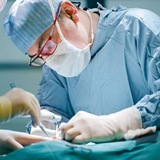
🔴Trauma Protocol (ATLAS)
▪︎It's An Injury To Any Part Of The Human Body Due To Energy Transfer From An Inflicting Source
▪︎Major (Severe) Trauma is Injury To >1 Body Region Or Organ Systems & ISS Score >15 (Injury Severity Score)
▪︎Severe Trauma is The Major Cause Of Death in Young Patients
▪︎Most Of Trauma Are Not Life Or Limb Threatening (Mild-Moderate in Severity)
▪︎Sources Of Trauma Could Be :
📍1. Mechanical
📍2. Chemical
📍3. Thermal
📍4. Ionizing Radiation
▪︎Most Common Causes Of Trauma Are :
📍1. Road Traffic Accidents (RTA)
📍2. Fall From Height (FFH)
📍3. Intentional Violence
🔷Mechanisms Of Injury
📍1. Blunt Trauma (Most Common) :
▪︎Direct Blunt Trauma ➡ Damage Localized To The Initial Site Of The Mechanism
▪︎Indirect Blunt Trauma ➡ Damage Occur At Distant Sites Away From The Initial Site Due To Force Transmission
▪︎Usually Due To RTA/FFH/Interpersonal Assault
📍2. Penterating Trauma ➡ Occurs Due To Sharp Objects Passing Directly Through The Tissue (Knife/Gunshots)
📍3. Combined Trauma (Blast Injury) Results in :
▪︎Tissue Penetration From Sharp Fragments
▪︎Tissue Disruption From Shock Wave
▪︎Tissue Burns
▪︎Traumatic Amputation
📍4. Burn Trauma (Leading Cause Of Accidental Death) Mechanisms :
▪︎Thermal Injury
▪︎Chemical Injury
▪︎Electrical Burns
▪︎Frostbite
📍5. Hidden Mechanisms :
▪︎When Patient Not Telling The Truth Due To Criminal Activity Or Abuse
▪︎Theses Are Called Non-Accidental Injuries (NAI)
▪︎Factors Goes With NAI :
🔻I. Signs Of Injuries Not Consistent With The Reported Mechanism
🔻II. Long Bone Fractures in Children (Child Abuse) & Posterior Rib Fractures
🔻III. Patient Changing History & Aggressive Behaviour From Relatives
🔷Mx Of Trauma Patients
🔸A. Primary Survey
▪︎Focus On Rapid Identification & Mx Of The Most Life-Threatening Injuries
▪︎Consist Of cABCDE Protocol :
📍1. Control Haemorrhage From Massive Arterial Bleeding :
▪︎Massive Arterial Bleeding Usually Seen Due To Gunshots & Blasts (Military Practice)
▪︎Mx By :
🔻I. Direct Pressure On The Source Of Bleeding
🔻II. Pack Application
🔻III. Tourniquets Application (Monitor Time Of Tourniquet Application)
📍2. Airway & Cervical Spine Protection :
🔻I. Spine Immobilization (Using Cervical Collar & Log-Rolling Technique For Transfer Of The Patient)
🔻II. Airway Suctioning & Protection From Aspiration
🔻III. Airway Opening Maneuvers :
▪︎Jaw Thrust & Chin Left
▪︎Insertion Of OroPharyngeal Or NasoPharyngeal Tube
▪︎CricoThyroidotomy
▪︎Insertion Of Endotracheal Tube
📍3. Breathing & Ventilation :
🔻I. High Flow Oxygen For All Patients
🔻II. Immediate Mx Of Tension Pneumothorax Or HaemoThorax
#Trauma Protocol (ATLAS)
#part1
#Surgery
https://t.me/Surgery_Practice
▪︎It's An Injury To Any Part Of The Human Body Due To Energy Transfer From An Inflicting Source
▪︎Major (Severe) Trauma is Injury To >1 Body Region Or Organ Systems & ISS Score >15 (Injury Severity Score)
▪︎Severe Trauma is The Major Cause Of Death in Young Patients
▪︎Most Of Trauma Are Not Life Or Limb Threatening (Mild-Moderate in Severity)
▪︎Sources Of Trauma Could Be :
📍1. Mechanical
📍2. Chemical
📍3. Thermal
📍4. Ionizing Radiation
▪︎Most Common Causes Of Trauma Are :
📍1. Road Traffic Accidents (RTA)
📍2. Fall From Height (FFH)
📍3. Intentional Violence
🔷Mechanisms Of Injury
📍1. Blunt Trauma (Most Common) :
▪︎Direct Blunt Trauma ➡ Damage Localized To The Initial Site Of The Mechanism
▪︎Indirect Blunt Trauma ➡ Damage Occur At Distant Sites Away From The Initial Site Due To Force Transmission
▪︎Usually Due To RTA/FFH/Interpersonal Assault
📍2. Penterating Trauma ➡ Occurs Due To Sharp Objects Passing Directly Through The Tissue (Knife/Gunshots)
📍3. Combined Trauma (Blast Injury) Results in :
▪︎Tissue Penetration From Sharp Fragments
▪︎Tissue Disruption From Shock Wave
▪︎Tissue Burns
▪︎Traumatic Amputation
📍4. Burn Trauma (Leading Cause Of Accidental Death) Mechanisms :
▪︎Thermal Injury
▪︎Chemical Injury
▪︎Electrical Burns
▪︎Frostbite
📍5. Hidden Mechanisms :
▪︎When Patient Not Telling The Truth Due To Criminal Activity Or Abuse
▪︎Theses Are Called Non-Accidental Injuries (NAI)
▪︎Factors Goes With NAI :
🔻I. Signs Of Injuries Not Consistent With The Reported Mechanism
🔻II. Long Bone Fractures in Children (Child Abuse) & Posterior Rib Fractures
🔻III. Patient Changing History & Aggressive Behaviour From Relatives
🔷Mx Of Trauma Patients
🔸A. Primary Survey
▪︎Focus On Rapid Identification & Mx Of The Most Life-Threatening Injuries
▪︎Consist Of cABCDE Protocol :
📍1. Control Haemorrhage From Massive Arterial Bleeding :
▪︎Massive Arterial Bleeding Usually Seen Due To Gunshots & Blasts (Military Practice)
▪︎Mx By :
🔻I. Direct Pressure On The Source Of Bleeding
🔻II. Pack Application
🔻III. Tourniquets Application (Monitor Time Of Tourniquet Application)
📍2. Airway & Cervical Spine Protection :
🔻I. Spine Immobilization (Using Cervical Collar & Log-Rolling Technique For Transfer Of The Patient)
🔻II. Airway Suctioning & Protection From Aspiration
🔻III. Airway Opening Maneuvers :
▪︎Jaw Thrust & Chin Left
▪︎Insertion Of OroPharyngeal Or NasoPharyngeal Tube
▪︎CricoThyroidotomy
▪︎Insertion Of Endotracheal Tube
📍3. Breathing & Ventilation :
🔻I. High Flow Oxygen For All Patients
🔻II. Immediate Mx Of Tension Pneumothorax Or HaemoThorax
#Trauma Protocol (ATLAS)
#part1
#Surgery
https://t.me/Surgery_Practice
📍4. Circulation & Haemorrhage Control :
🔻I. Application Of Pelvic Binders To All Haemodynamically Unstable Patients (Not Removed Until Pelvic Fractures Excluded)
🔻II. Vascular Access :
▪︎At Least Two Large IV Cannula (Peripheral Access 1st Choice)
▪︎Central Access (SubClavian/Internal Jugular/Femoral Veins)
▪︎Intra-Osseous Venous Access (If No Venous Access Available)
🔻III. Blood Aspiration For :
▪︎HB Level
▪︎Cross Match
▪︎Venous Lactate
🔻IV. Assessment Of Haemodynamic State Through :
▪︎Blood Pressure Measurement
▪︎Hypotension is HypoVolaemic Shock Until Proven Otherwise
▪︎Signs Of Shock (Cold Sweaty Skin/Elevated Pulse >100BPM/Low BP)
▪︎Keep Systolic BP 70-90mmHg Or >90mmHg If Head Injury Present (Using 250ml O-Ve Blood Or Normal Saline)
🪀Control Bleeding By :
♻I. Control Source Of Bleeding :
▪︎Source Of Haemorrhage Usually From Chest/Abdomen/Pelvis/Long Bones/Arteries
▪︎Source Of Haemorrhage Should Identified Rapidly Using WBCT (Whole Body CT With Contrast) Or FAST (Focused Abdominal Sonography For Trauma)
♻II. Blood Transfusion (Massive Transfusion Protocol)
♻III. Tranexamic Acid (1g IV Over 10Min Then 1g Over 8h)
📍5. Neurological Dysfunction (Disability) Assessment Using :
🔻I. Glascow Coma Scale (GCS)
🔻II. Pupil Exam For Size & Reaction To Light
🔻III. All Four Limbs Movements Assessment
🔻IV. Rapid Identification Of Intra-Cranial Bleeding Using WBCT (CT Scan)
🔻V. Core Body Temperature Measurement & Recorded
📍6. Adequate Patient Exposure To Identify Hidden Injuries
🔸B. Secondary Survey
▪︎This Survey Done After Patient Stabilization & Haemodynamically Stable
▪︎Consist Of :
📍1. Full Clinical Examination (From Head To Toe)
📍2. Focused Hx About :
▪︎Allergies
▪︎Current Drugs Intake
▪︎Past Medical Hx
▪︎Events Related To The Trauma Injury
📍3. Imaging According To The Case (CT/MRI/Xray/US)
🔸C. Tertiary Survey
▪︎Repeating The Primary & Secondary Survey Within 24h To Identify Evolving Or Previously Missed Injuries
▪︎Usually Done in Intubated & Unresponsive Patients After Their Condition Improved
#Trauma Protocol (ATLAS)
#part2
#Surgery
https://t.me/Surgery_Practice
🔻I. Application Of Pelvic Binders To All Haemodynamically Unstable Patients (Not Removed Until Pelvic Fractures Excluded)
🔻II. Vascular Access :
▪︎At Least Two Large IV Cannula (Peripheral Access 1st Choice)
▪︎Central Access (SubClavian/Internal Jugular/Femoral Veins)
▪︎Intra-Osseous Venous Access (If No Venous Access Available)
🔻III. Blood Aspiration For :
▪︎HB Level
▪︎Cross Match
▪︎Venous Lactate
🔻IV. Assessment Of Haemodynamic State Through :
▪︎Blood Pressure Measurement
▪︎Hypotension is HypoVolaemic Shock Until Proven Otherwise
▪︎Signs Of Shock (Cold Sweaty Skin/Elevated Pulse >100BPM/Low BP)
▪︎Keep Systolic BP 70-90mmHg Or >90mmHg If Head Injury Present (Using 250ml O-Ve Blood Or Normal Saline)
🪀Control Bleeding By :
♻I. Control Source Of Bleeding :
▪︎Source Of Haemorrhage Usually From Chest/Abdomen/Pelvis/Long Bones/Arteries
▪︎Source Of Haemorrhage Should Identified Rapidly Using WBCT (Whole Body CT With Contrast) Or FAST (Focused Abdominal Sonography For Trauma)
♻II. Blood Transfusion (Massive Transfusion Protocol)
♻III. Tranexamic Acid (1g IV Over 10Min Then 1g Over 8h)
📍5. Neurological Dysfunction (Disability) Assessment Using :
🔻I. Glascow Coma Scale (GCS)
🔻II. Pupil Exam For Size & Reaction To Light
🔻III. All Four Limbs Movements Assessment
🔻IV. Rapid Identification Of Intra-Cranial Bleeding Using WBCT (CT Scan)
🔻V. Core Body Temperature Measurement & Recorded
📍6. Adequate Patient Exposure To Identify Hidden Injuries
🔸B. Secondary Survey
▪︎This Survey Done After Patient Stabilization & Haemodynamically Stable
▪︎Consist Of :
📍1. Full Clinical Examination (From Head To Toe)
📍2. Focused Hx About :
▪︎Allergies
▪︎Current Drugs Intake
▪︎Past Medical Hx
▪︎Events Related To The Trauma Injury
📍3. Imaging According To The Case (CT/MRI/Xray/US)
🔸C. Tertiary Survey
▪︎Repeating The Primary & Secondary Survey Within 24h To Identify Evolving Or Previously Missed Injuries
▪︎Usually Done in Intubated & Unresponsive Patients After Their Condition Improved
#Trauma Protocol (ATLAS)
#part2
#Surgery
https://t.me/Surgery_Practice
Telegram
Surgical Practice Dr. alqhatani
- تابعة لقناة معلومات طبية:
@M_Information11
- قروب للمناقشة الطبية:
@M_Information21
- بوت التواصل :
@Alqhatani_bot
- صارحني :
http://t.me/SY8Bot?start=wiRwSie0ew
🚫 نحلل النقل ولا نحلل حذف الروابط🚫
@M_Information11
- قروب للمناقشة الطبية:
@M_Information21
- بوت التواصل :
@Alqhatani_bot
- صارحني :
http://t.me/SY8Bot?start=wiRwSie0ew
🚫 نحلل النقل ولا نحلل حذف الروابط🚫
👍2
Surgical Practice Dr. alqhatani
🔴Trauma Protocol (ATLAS) ▪︎It's An Injury To Any Part Of The Human Body Due To Energy Transfer From An Inflicting Source ▪︎Major (Severe) Trauma is Injury To >1 Body Region Or Organ Systems & ISS Score >15 (Injury Severity Score) ▪︎Severe Trauma is The…
A trauma patient arrives hypotensive (BP 80/50 mmHg), tachycardic (HR 120 bpm), cold and sweaty. There is no obvious external bleeding. According to trauma protocol, what is the MOST appropriate initial assumption?
Anonymous Quiz
21%
A) Cardiogenic shock until proven otherwise
8%
B) Neurogenic shock until proven otherwise
67%
C) Hypovolaemic shock until proven otherwise
4%
D) Septic shock until proven otherwise
2) A haemodynamically unstable trauma patient is brought after a road traffic accident. There is no confirmed pelvic fracture yet. What is the MOST appropriate immediate action regarding the pelvis?
Anonymous Quiz
18%
A) Wait for CT confirmation before intervention
9%
B) Remove binder once blood pressure improves
14%
C) Avoid binder to prevent masking injury
59%
D) Apply pelvic binder and keep it until fracture is excluded
The most common mechanism of injury overall is:
Anonymous Quiz
75%
A) Blunt trauma
9%
B) Burn trauma
6%
C) Penetrating trauma
9%
D) Blast injury
A trauma patient arrives with massive external arterial bleeding from a limb, what is the FIRST priority?
Anonymous Quiz
27%
A) Airway protection
4%
B) Breathing assessment
67%
C) Control of massive arterial haemorrhage
1%
D) Neurological assessment
The recommended systolic BP target in trauma patients WITHOUT head injury is:
Anonymous Quiz
20%
A) >120 mmHg
57%
B) 100–110 mmHg
18%
C) 70–90 mmHg
6%
D) 70– 80 mmHg
The tertiary survey is best described as:
Anonymous Quiz
8%
A) Initial rapid assessment in the emergency department
32%
B) Full head-to-toe examination
48%
C) Repetition of primary and secondary survey within 24 hours
12%
D) Imaging-based reassessment
👍2
🔴Acute Appendicitis
▪︎Acute Inflammation Of Appendix After Lumen Obstruction & Bacterial Proliferation
▪︎More in Children & Young Adults (15-30 Years) & More in Males After Puberty
▪︎Most Common Cause Of Acute Abdomen in Young Adults & Most Common Surgical Emergency
▪︎Most Common ExtraUterine Cause Of Acute Abdomen During Pregnancy (More in 2nd Trimester & Has A Risk Of Fetal Loss)
▪︎Appendix is The Most Common Site For Carcinoid Tumors (Arise From Kulchitsky Cells)
The Appendix is 7.5-10cm IntraPeriToneal Organ Attached To Caecum Of Large Bowel At Right Iliac Fossa
🔹Risk Factors For Appendicitis
1. Decrease Dietary Fibers & Increase Carbs Intake
2. Lumen Obstruction Of Appendix By Fecolith Or Fibrosis Or Tumors (Carcinoids in Middle Age & Elderly)
3. Intestinal Parasites (Oxyuris Vermicularis Pin Worms)
4. Viral Infections (More in Children)
🔹Position Of Appendix
📍A. Base Of Appendix ➡️ Fixed (Constant) At Confluence Of Three Taeniae Coli Of Caecum
📍B. Tip Of Appendix
1. RetroCaecal (Behind Caecum Most Common 74%)
2. Pelvic (2nd Most Common 21%)
3. ParaCaecal (2%)/SubCaecal (1.5%)
4. Postileal (Behind ileum 0.5%)
🔹Clinical Features & Dx
🔶A. Hx
📍1. Start As Poorly Localized Colicky Intermittent Abdominal Pain At PeriUmbilical Area (Visceral Pain)
📍2. Then After 6-10h The Pain Shifted To RIF & Become More Intense & Localized & Constant (Somatic Pain After Parietal Peritoneal Irritation)
📍3. Pain Aggravated By Coughing & Sudden Movements
📍4. Atypical Pain (Suprapubic Discomfort & Tenesmus Aggravated By Rectal Examination) ➡️ More in Elderly
📍5. Anorexia & Vomiting (More in Children)
📍6. Slight Pyrexia After 6h (37.2-37.7°C) & Tachycardia
📍7. Abrupt Onset & Generalised Abdominal Pain From Start With Vomiting & Normal Temperature (Resemble Bowel Obstruction)
Seen in ➡️ Seen in Obstructive Appendicitis (Closed Lumen)
🔶B. Examination
📍1. Guarding ➡️ Voluntary Abdominal Muscle Contractions Due To Pain After Palpation
📍2. Rebound Tenderness (Blumberg's Sign) ➡️ Pain Elicited After Pressure Removal From The RIF
📍3. Rovsing's Sign ➡️ Pain Elicited After Abdominal Palpation From LIF To RIF (Pushing Bowel Loops Toward The Inflamed Appendix)
📍4. Psoas Sign ➡️ Pain Elicited After Right Hip Extension
📍5. Obturator Sign ➡️ Pain Elicited By Hip Flexion & Internal Rotation
📍6. Pointing Sign ➡️ Patient Pointing Where The Pain Started & Moved
📍7. Dunphy Sign ➡️ Pain Elicited By Cough
📍8. McBurney's Sign ➡️ Severe Pain Elicited By Finger Tip Pressure Over McBurney's Area (Between Umbilicus & Anterior Superior Iliac Spine)
🔶C. Alvarado (Mantrels) Score (≥7 Points Strongly Suggest Appendicitis)
▪︎RIF Tenderness/Leukocytosis ➡️ 2 Points For Each
▪︎Migratory (Shifting) Pain/Anorexia/Nausea & Vomiting/Elevated Temperature/Rebound Tenderness/WBCS Shifting To Left (Immature Segmented Neutrophils Production) ➡️ 1 Point For Each
🔶D. Lab & Imaging
1. US
▪︎Lumen Dilatation >3mm
▪︎Wall Thickness >6mm
2. Contrast CT Of Abdomen (Best)
3. CBC ➡️ Leukocytosis
4. Pregnancy Test To Exclude Ectopic
5. Urinalysis To Exclude UTI & Stones
🔶E. Atypical Features
1. RetroCaecal Appendix ➡️ No Rigidity/Psoas Spasm & Hip Flexion Develop
2. Pelvic Appendix ➡️ Diarehea/Increase Urine Frequency/No Rigidity/Rectal Examination Elicits Tenderness
3. Postileal Appendix ➡️ Retching & Diarrhea/No Pain Shifting/Mild Tenderness
#Appendicitis
#Surgery
https://t.me/Surgery_Practice
▪︎Acute Inflammation Of Appendix After Lumen Obstruction & Bacterial Proliferation
▪︎More in Children & Young Adults (15-30 Years) & More in Males After Puberty
▪︎Most Common Cause Of Acute Abdomen in Young Adults & Most Common Surgical Emergency
▪︎Most Common ExtraUterine Cause Of Acute Abdomen During Pregnancy (More in 2nd Trimester & Has A Risk Of Fetal Loss)
▪︎Appendix is The Most Common Site For Carcinoid Tumors (Arise From Kulchitsky Cells)
The Appendix is 7.5-10cm IntraPeriToneal Organ Attached To Caecum Of Large Bowel At Right Iliac Fossa
🔹Risk Factors For Appendicitis
1. Decrease Dietary Fibers & Increase Carbs Intake
2. Lumen Obstruction Of Appendix By Fecolith Or Fibrosis Or Tumors (Carcinoids in Middle Age & Elderly)
3. Intestinal Parasites (Oxyuris Vermicularis Pin Worms)
4. Viral Infections (More in Children)
🔹Position Of Appendix
📍A. Base Of Appendix ➡️ Fixed (Constant) At Confluence Of Three Taeniae Coli Of Caecum
📍B. Tip Of Appendix
1. RetroCaecal (Behind Caecum Most Common 74%)
2. Pelvic (2nd Most Common 21%)
3. ParaCaecal (2%)/SubCaecal (1.5%)
4. Postileal (Behind ileum 0.5%)
🔹Clinical Features & Dx
🔶A. Hx
📍1. Start As Poorly Localized Colicky Intermittent Abdominal Pain At PeriUmbilical Area (Visceral Pain)
📍2. Then After 6-10h The Pain Shifted To RIF & Become More Intense & Localized & Constant (Somatic Pain After Parietal Peritoneal Irritation)
📍3. Pain Aggravated By Coughing & Sudden Movements
📍4. Atypical Pain (Suprapubic Discomfort & Tenesmus Aggravated By Rectal Examination) ➡️ More in Elderly
📍5. Anorexia & Vomiting (More in Children)
📍6. Slight Pyrexia After 6h (37.2-37.7°C) & Tachycardia
📍7. Abrupt Onset & Generalised Abdominal Pain From Start With Vomiting & Normal Temperature (Resemble Bowel Obstruction)
Seen in ➡️ Seen in Obstructive Appendicitis (Closed Lumen)
🔶B. Examination
📍1. Guarding ➡️ Voluntary Abdominal Muscle Contractions Due To Pain After Palpation
📍2. Rebound Tenderness (Blumberg's Sign) ➡️ Pain Elicited After Pressure Removal From The RIF
📍3. Rovsing's Sign ➡️ Pain Elicited After Abdominal Palpation From LIF To RIF (Pushing Bowel Loops Toward The Inflamed Appendix)
📍4. Psoas Sign ➡️ Pain Elicited After Right Hip Extension
📍5. Obturator Sign ➡️ Pain Elicited By Hip Flexion & Internal Rotation
📍6. Pointing Sign ➡️ Patient Pointing Where The Pain Started & Moved
📍7. Dunphy Sign ➡️ Pain Elicited By Cough
📍8. McBurney's Sign ➡️ Severe Pain Elicited By Finger Tip Pressure Over McBurney's Area (Between Umbilicus & Anterior Superior Iliac Spine)
🔶C. Alvarado (Mantrels) Score (≥7 Points Strongly Suggest Appendicitis)
▪︎RIF Tenderness/Leukocytosis ➡️ 2 Points For Each
▪︎Migratory (Shifting) Pain/Anorexia/Nausea & Vomiting/Elevated Temperature/Rebound Tenderness/WBCS Shifting To Left (Immature Segmented Neutrophils Production) ➡️ 1 Point For Each
🔶D. Lab & Imaging
1. US
▪︎Lumen Dilatation >3mm
▪︎Wall Thickness >6mm
2. Contrast CT Of Abdomen (Best)
3. CBC ➡️ Leukocytosis
4. Pregnancy Test To Exclude Ectopic
5. Urinalysis To Exclude UTI & Stones
🔶E. Atypical Features
1. RetroCaecal Appendix ➡️ No Rigidity/Psoas Spasm & Hip Flexion Develop
2. Pelvic Appendix ➡️ Diarehea/Increase Urine Frequency/No Rigidity/Rectal Examination Elicits Tenderness
3. Postileal Appendix ➡️ Retching & Diarrhea/No Pain Shifting/Mild Tenderness
#Appendicitis
#Surgery
https://t.me/Surgery_Practice
Telegram
Surgical Practice Dr. alqhatani
- تابعة لقناة معلومات طبية:
@M_Information11
- قروب للمناقشة الطبية:
@M_Information21
- بوت التواصل :
@Alqhatani_bot
- صارحني :
http://t.me/SY8Bot?start=wiRwSie0ew
🚫 نحلل النقل ولا نحلل حذف الروابط🚫
@M_Information11
- قروب للمناقشة الطبية:
@M_Information21
- بوت التواصل :
@Alqhatani_bot
- صارحني :
http://t.me/SY8Bot?start=wiRwSie0ew
🚫 نحلل النقل ولا نحلل حذف الروابط🚫
❤3
🔹Mx Of Appendicitis
🔶A. Preoperative Preparation
1. Bowel Rest (Nill By Mouth)
2. IV Fluids (To Establish Urine Output)
3. IV AB (Amoxicillin/Metronidazole/3rd G.Cephalosporins Like Ceftriaxone/Ertapenem)
4. Anti-Pyretics If High Temperature Present (Aspirin For Children Or Paracetamol Vial)
🔶B. Surgical AppendiCectomy (Laparoscopic Or Conventional)
▪︎Types Of Incisions During Conventional Surgery
1. Gridiron (Most Commonly Used) ➡️ Made At McBurney's Area
2. Rutherford Morison ➡️ Give Better Access If Appendix in Para Or RetroCaecal Position
3. Transverse (Lanz) ➡️ Better Exposure & Easier Extension & Small Size
4. Lower MidLine Abdominal ➡️ When Dx in Doubt & Bowel Obstruction Present
🔶C. Mx Of Appendix Mass ➡️ According To Ochsner Sherren Regime
1. Marks & Follows The Mass Size Using Skin Pencil
2. Give IV Fuids & AB (Cefuroxime 750mg + Metronidazole 500mg)
3. Mostly Mass Resolve in 24-48h (90%) ➡️ Then Do AppendiCectomy After 6w
4. No Mass Resolution ➡️ Suspected Carcinoma Or Crohn's Disease
5. Clinical Deterioration (Mass Developed Abscess) ➡️ Do Laparotomy & Retroperitoneal Abscess Drinage & Appedicectomy
🔹Complications Of Appendicitis
🔶A. Preoperative
📍1. Perforation Of Appendix & Peritonitis Seen More in :
▪︎Extremity Of Ages (Young Child Or Elderly)
▪︎Immunosuppression & DM
▪︎Pelvic Appendix
▪︎Fecolith Obstruction Of Appendix
▪︎Previous Abdominal Surgery
📍2. Appendix Mass Formation (Due To Omental & Small Bowel Adhesions)
📍3. Appendix Abscess
🔶B. Postoperative
📍1. Wound Infection (Most Common Postoperative Complication) ➡️ Pain & Erythema At Wound Site On 4th-5th Day
📍2. Intra-Abdominal Abscess ➡️ Develop 5-7 Days After Operation As Spiking Fever With Malaise & Anorexia
📍3. Paralytic Ileus
📍4. DVT (More in Elderly & Women Taking Contraceptives)
📍5. PyleoPhlebitis (Portal Pyaemia) ➡️ High Fever With Rigor & Jaundice Due To IntraHepatic Abscess Formation
📍6. Faecal Fistula
📍7. Bowel Obstruction Due To Adhesions (Most Common Late Complication)
📍8. Pneumonitis & Lobar Collapse
#Appendicitis
#Surgery
https://t.me/Surgery_Practice
🔶A. Preoperative Preparation
1. Bowel Rest (Nill By Mouth)
2. IV Fluids (To Establish Urine Output)
3. IV AB (Amoxicillin/Metronidazole/3rd G.Cephalosporins Like Ceftriaxone/Ertapenem)
4. Anti-Pyretics If High Temperature Present (Aspirin For Children Or Paracetamol Vial)
🔶B. Surgical AppendiCectomy (Laparoscopic Or Conventional)
▪︎Types Of Incisions During Conventional Surgery
1. Gridiron (Most Commonly Used) ➡️ Made At McBurney's Area
2. Rutherford Morison ➡️ Give Better Access If Appendix in Para Or RetroCaecal Position
3. Transverse (Lanz) ➡️ Better Exposure & Easier Extension & Small Size
4. Lower MidLine Abdominal ➡️ When Dx in Doubt & Bowel Obstruction Present
🔶C. Mx Of Appendix Mass ➡️ According To Ochsner Sherren Regime
1. Marks & Follows The Mass Size Using Skin Pencil
2. Give IV Fuids & AB (Cefuroxime 750mg + Metronidazole 500mg)
3. Mostly Mass Resolve in 24-48h (90%) ➡️ Then Do AppendiCectomy After 6w
4. No Mass Resolution ➡️ Suspected Carcinoma Or Crohn's Disease
5. Clinical Deterioration (Mass Developed Abscess) ➡️ Do Laparotomy & Retroperitoneal Abscess Drinage & Appedicectomy
🔹Complications Of Appendicitis
🔶A. Preoperative
📍1. Perforation Of Appendix & Peritonitis Seen More in :
▪︎Extremity Of Ages (Young Child Or Elderly)
▪︎Immunosuppression & DM
▪︎Pelvic Appendix
▪︎Fecolith Obstruction Of Appendix
▪︎Previous Abdominal Surgery
📍2. Appendix Mass Formation (Due To Omental & Small Bowel Adhesions)
📍3. Appendix Abscess
🔶B. Postoperative
📍1. Wound Infection (Most Common Postoperative Complication) ➡️ Pain & Erythema At Wound Site On 4th-5th Day
📍2. Intra-Abdominal Abscess ➡️ Develop 5-7 Days After Operation As Spiking Fever With Malaise & Anorexia
📍3. Paralytic Ileus
📍4. DVT (More in Elderly & Women Taking Contraceptives)
📍5. PyleoPhlebitis (Portal Pyaemia) ➡️ High Fever With Rigor & Jaundice Due To IntraHepatic Abscess Formation
📍6. Faecal Fistula
📍7. Bowel Obstruction Due To Adhesions (Most Common Late Complication)
📍8. Pneumonitis & Lobar Collapse
#Appendicitis
#Surgery
https://t.me/Surgery_Practice
Telegram
Surgical Practice Dr. alqhatani
- تابعة لقناة معلومات طبية:
@M_Information11
- قروب للمناقشة الطبية:
@M_Information21
- بوت التواصل :
@Alqhatani_bot
- صارحني :
http://t.me/SY8Bot?start=wiRwSie0ew
🚫 نحلل النقل ولا نحلل حذف الروابط🚫
@M_Information11
- قروب للمناقشة الطبية:
@M_Information21
- بوت التواصل :
@Alqhatani_bot
- صارحني :
http://t.me/SY8Bot?start=wiRwSie0ew
🚫 نحلل النقل ولا نحلل حذف الروابط🚫
❤4
❤3