INCREASING CHANCE OF FLARES: The odds of a strong solar flare today have more than doubled in response to a sudden profusion of large sunspots. NOAA forecasters say there is a 55% chance of M-class flares and a 15% of X-flares. The most likely source is Earth-facing sunspot AR3213, which has an unstable 'delta-class' magnetic field.
🔥7
Solar wind
speed: 493.1 km/sec
density: 4.24 protons/cm3
Updated: Today at 0602 UT
X-ray Solar Flares
6-hr max: M1 1601 UT Feb10
24-hr: M3 0303 UT Feb10
Updated: Today at: 1805 UT
speed: 493.1 km/sec
density: 4.24 protons/cm3
Updated: Today at 0602 UT
X-ray Solar Flares
6-hr max: M1 1601 UT Feb10
24-hr: M3 0303 UT Feb10
Updated: Today at: 1805 UT
👍2
Space Weather Today pinned «Solar wind speed: 493.1 km/sec density: 4.24 protons/cm3 Updated: Today at 0602 UT X-ray Solar Flares 6-hr max: M1 1601 UT Feb10 24-hr: M3 0303 UT Feb10 Updated: Today at: 1805 UT»
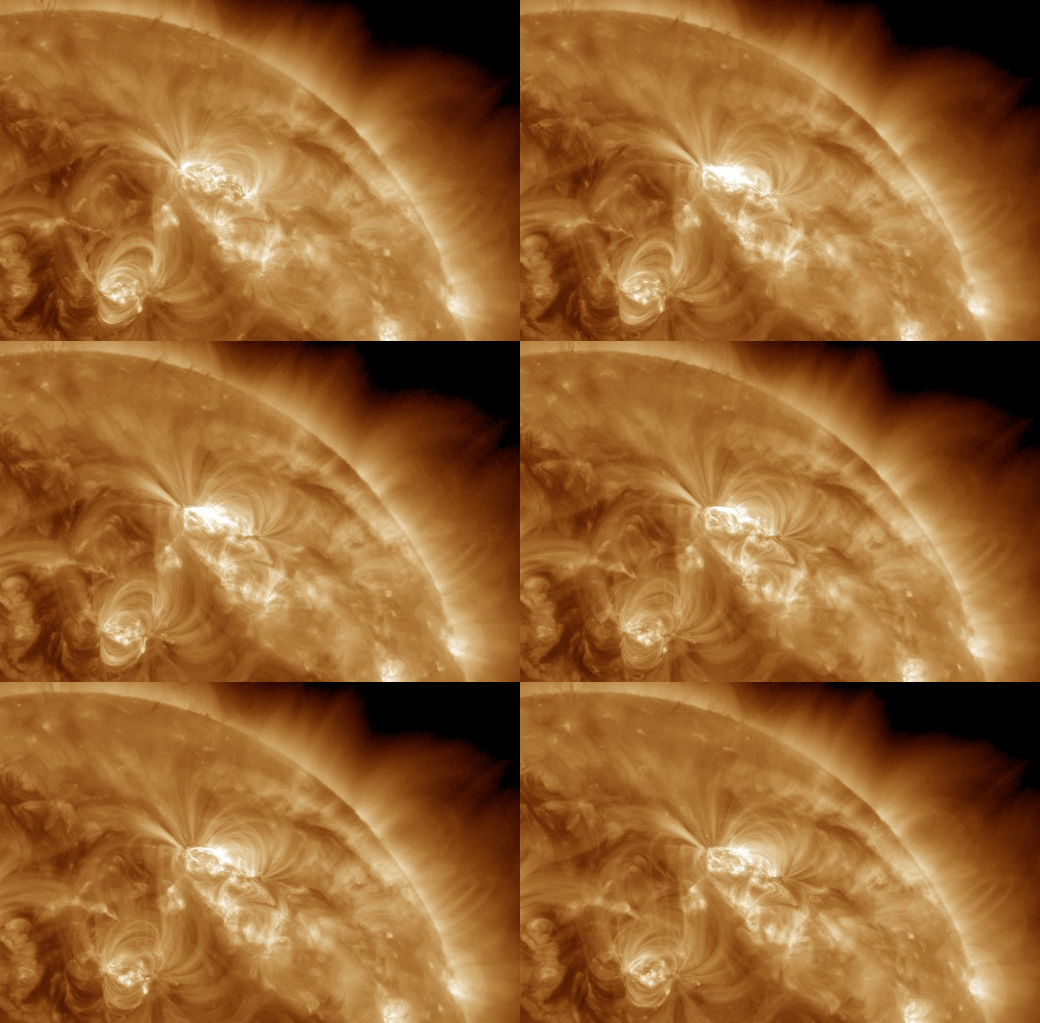
SOLAR FLARE AND SHOCK WAVE (UPDATED): Active sunspot AR3213 exploded during the early hours of Feb 10th (0303 UT), producing an M3.7-class solar flare and a shock wave in the sun's atmosphere. This extreme ultraviolet movie from NASA's Solar Dynamics Observatory shows what happened:
https://www.spaceweather.com/images2023/10feb23/tsunami_strip.gif
The shock wave is the shadowy disturbance expanding radially from the blast site. Based on the drift rate of a Type II solar radio burst reported by the US Air Force, the shock speed was 820 km/s (1.8 million mph).
Update: Shock waves like these usually lift a CME out of the sun's atmosphere. In this case, however, no CME was detected by SOHO coronagraphs. Without a CME to rattle Earth's magnetic field, the event will not cause a geomagnetic storm.
https://www.spaceweather.com/images2023/10feb23/tsunami_strip.gif
The shock wave is the shadowy disturbance expanding radially from the blast site. Based on the drift rate of a Type II solar radio burst reported by the US Air Force, the shock speed was 820 km/s (1.8 million mph).
Update: Shock waves like these usually lift a CME out of the sun's atmosphere. In this case, however, no CME was detected by SOHO coronagraphs. Without a CME to rattle Earth's magnetic field, the event will not cause a geomagnetic storm.
👍7
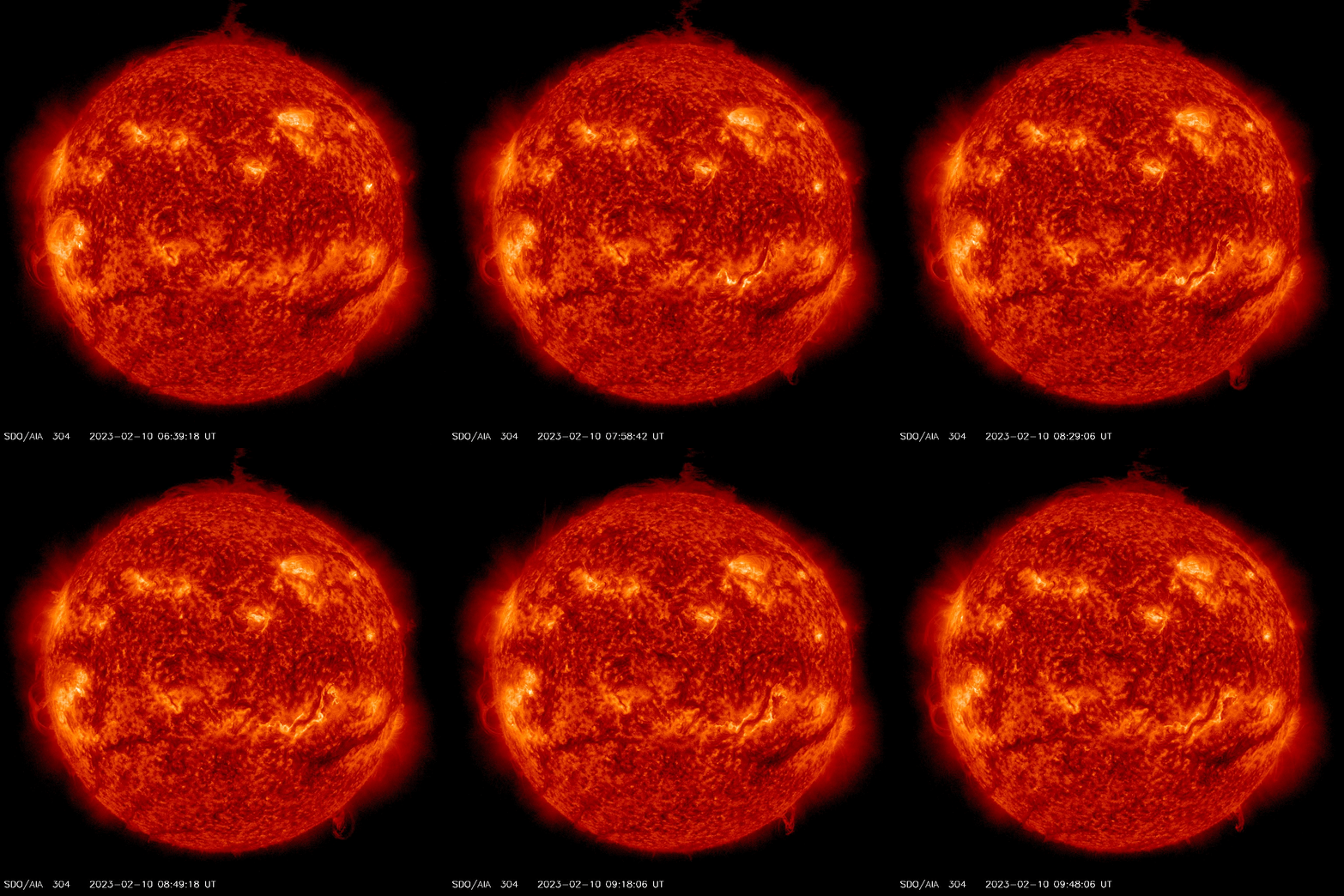
CANYON OF FIRE: A canyon of fire just opened on the sun. The walls of the canyon were carved by an erupting filament of magnetism, which went on to form the core of a CME now leaving the sun. Stay tuned for updates about possible Earth impacts. https://www.spaceweather.com/images2023/10feb23/cof_anim.gif
🔥10
Solar wind
speed: 350.7 km/sec
density: 8.23 protons/cm3
Updated: Today at 0230 UT
X-ray Solar Flares
6-hr max: C6 1431 UT Feb13
24-hr: M1 0518 UT Feb13
Updated: Today at: 1435 UT
speed: 350.7 km/sec
density: 8.23 protons/cm3
Updated: Today at 0230 UT
X-ray Solar Flares
6-hr max: C6 1431 UT Feb13
24-hr: M1 0518 UT Feb13
Updated: Today at: 1435 UT
👍1
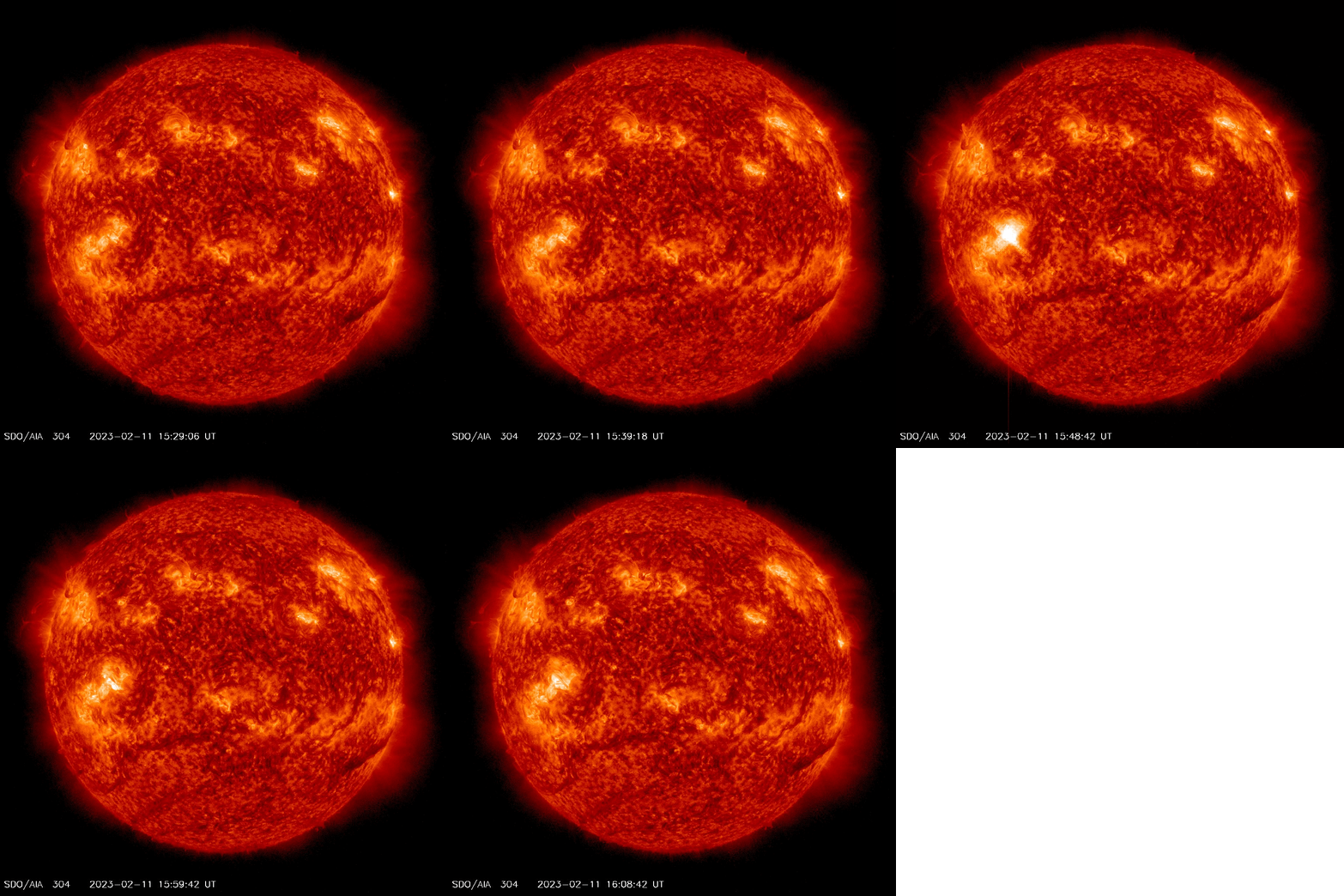
GEOMAGNETIC STORM WATCH: Minor G1-class geomagnetic storms are possible on Feb. 14-15 when one or more CMEs could deliver glancing blows to Earth's magnetic field. The storm clouds were hurled into space by an X1-flare and an erupting magnetic filament--both on Feb. 11th. The CME most likely to strike Earth is this halo event. Arctic sky watchers could get a light show for Valentine's Day.
https://www.spaceweather.com/images2023/11feb23/x1_red_anim.gif
https://www.spaceweather.com/images2023/11feb23/x1_red_anim.gif
👍7❤1
Solar wind
speed: 355.4 km/sec
density: 4.36 protons/cm3
Updated: Today at 0141 UT
X-ray Solar Flares
6-hr max: M2 1212 UT Feb14
24-hr: M2 1212 UT Feb14
Updated: Today at: 1345 UT
speed: 355.4 km/sec
density: 4.36 protons/cm3
Updated: Today at 0141 UT
X-ray Solar Flares
6-hr max: M2 1212 UT Feb14
24-hr: M2 1212 UT Feb14
Updated: Today at: 1345 UT
👍4
Solar wind
speed: 322.0 km/sec
density: 10.37 protons/cm3
Updated: Today at 0537 UT
X-ray Solar Flares
6-hr max: C4 1350 UT Feb15
24-hr: M2 0523 UT Feb15
Updated: Today at: 1740 UT
speed: 322.0 km/sec
density: 10.37 protons/cm3
Updated: Today at 0537 UT
X-ray Solar Flares
6-hr max: C4 1350 UT Feb15
24-hr: M2 0523 UT Feb15
Updated: Today at: 1740 UT
👍5
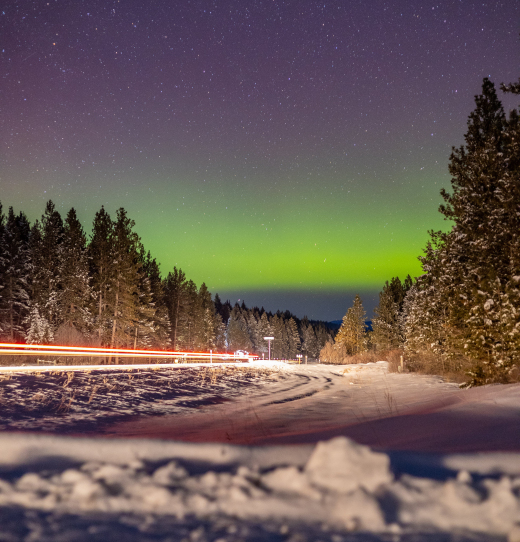
CLOSE ENCOUNTER WITH A CME: A coronal mass ejection (CME) passed close to Earth on Feb. 15th. It wasn't a direct hit. Nevertheless, its arrival triggered a minor G1-class geomagnetic storm with auroras in the USA as far south as Montana: https://www.spaceweather.com/images2023/15feb23/montana_strip.jpg
❤10
A SOLAR EXPLOSION OF INTEREST: A magnetic filament loosely connected to sunspot AR3226 erupted during the early hours of Feb. 15th. NOAA forecasters say the resulting CME is "very likely to hit Earth." Stay tuned for updates as they model the CME's trajectory.
❤11
Solar wind
speed: 438.8 km/sec
density: 10.49 protons/cm3
Updated: Today at 0251 UT
X-ray Solar Flares
6-hr max: C8 1059 UT Feb16
24-hr: M1 0032 UT Feb16
xUpdated: Today at: 1455 UT
speed: 438.8 km/sec
density: 10.49 protons/cm3
Updated: Today at 0251 UT
X-ray Solar Flares
6-hr max: C8 1059 UT Feb16
24-hr: M1 0032 UT Feb16
xUpdated: Today at: 1455 UT
👍3
Space Weather Today pinned «Solar wind speed: 438.8 km/sec density: 10.49 protons/cm3 Updated: Today at 0251 UT X-ray Solar Flares 6-hr max: C8 1059 UT Feb16 24-hr: M1 0032 UT Feb16 xUpdated: Today at: 1455 UT»
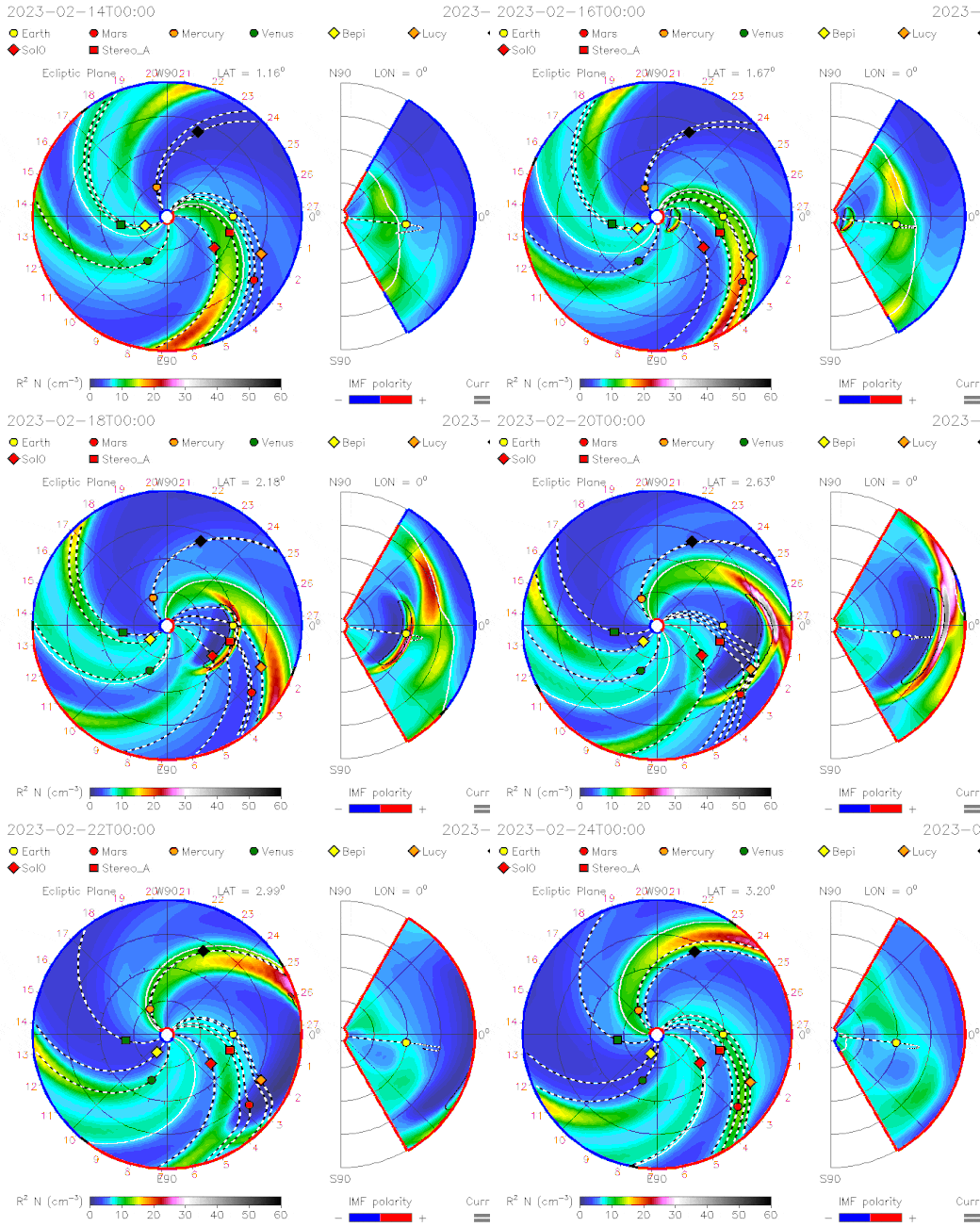
A CME IS COMING: Yesterday, Feb. 15th, a magnetic filament straddling the sun's equator erupted and hurled a partial halo CME toward Earth. Earth is the yellow dot in this NASA model of the approaching CME:
https://www.spaceweather.com/images2023/15feb23/nasamodel2_crop_strip_opt.gif
A similar NOAA model agrees: The CME should arrive during the late hours of Feb. 17th. First contact is expected to produce a minor G1-class geomagnetic storm, intensifying to moderate G2-class storming on Feb. 18th. During such storms, auroras can spill into the United States as far south as New York and Idaho (55 deg. geomagnetic latitude).
https://www.spaceweather.com/images2023/15feb23/nasamodel2_crop_strip_opt.gif
A similar NOAA model agrees: The CME should arrive during the late hours of Feb. 17th. First contact is expected to produce a minor G1-class geomagnetic storm, intensifying to moderate G2-class storming on Feb. 18th. During such storms, auroras can spill into the United States as far south as New York and Idaho (55 deg. geomagnetic latitude).
🔥4👍1
CHANCE OF FLARES TODAY: NOAA forecasters say there is a 45% chance of M-class solar flares and a 10% chance of X-flares today, Feb. 16th. The likely source would be big sunspot AR3226, which has an unstable delta-class magnetic field and is directly facing Earth.
👍4❤1