
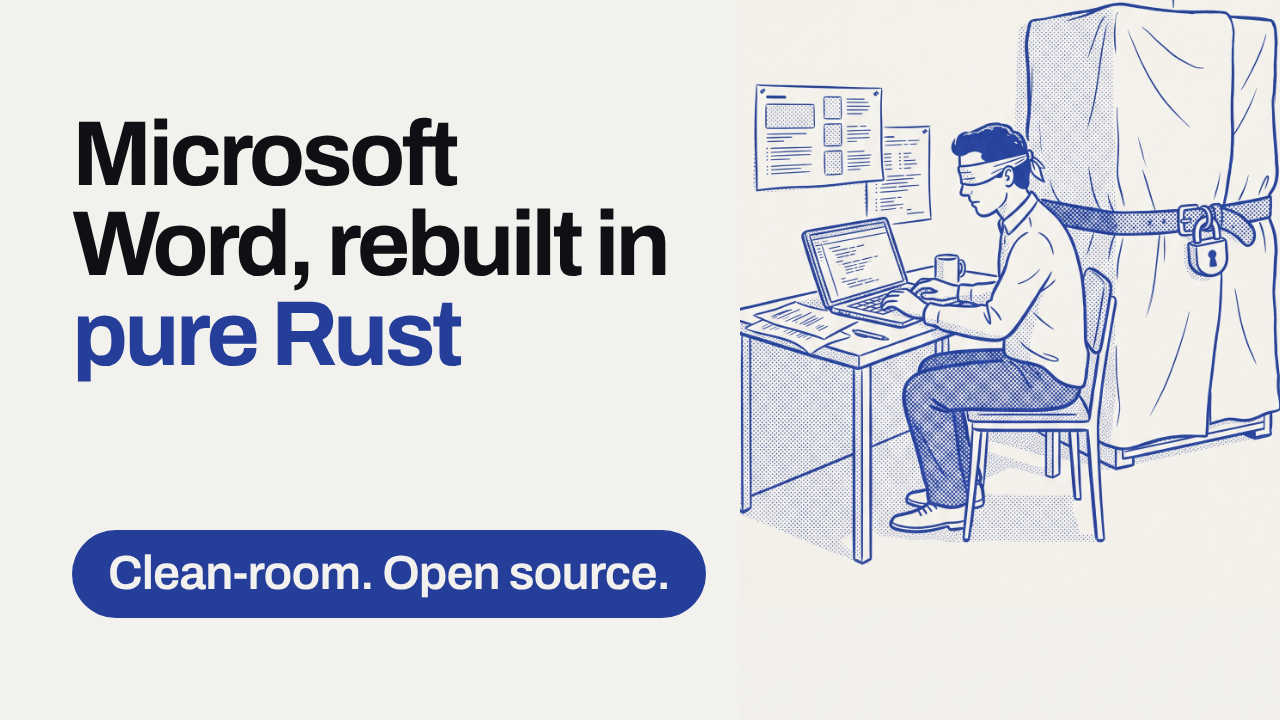
A clean-room Microsoft Word, rebuilt in pure Rust
No Word source, no Word binaries: this is Word's workflow, reimplemented from scratch by watching how it behaves.
▶️ Watch the video on YouTube
Clean-room build: just public specs and observation, nothing copied
Familiar workflow: ribbon, styles, track changes, references, mail merge
Real files: reads and writes .docx, plus ODT, RTF, even LaTeX
Runs everywhere: one Rust codebase for macOS, Windows, Linux, BSD and the browser
Built for speed and agents: 1.4ms relayout on 188 pages, 422 commands, CLI and MCP
github.com/storytold/wordcraft
No Word source, no Word binaries: this is Word's workflow, reimplemented from scratch by watching how it behaves.
▶️ Watch the video on YouTube
Clean-room build: just public specs and observation, nothing copied
Familiar workflow: ribbon, styles, track changes, references, mail merge
Real files: reads and writes .docx, plus ODT, RTF, even LaTeX
Runs everywhere: one Rust codebase for macOS, Windows, Linux, BSD and the browser
Built for speed and agents: 1.4ms relayout on 188 pages, 422 commands, CLI and MCP
What's inside
WordCraft is a clean-room reimplementation: no Microsoft source and no Word binaries were used, only public file-format specs and observation, and every asset is original or openly licensed. It's MIT OR Apache-2.0, written entirely in Rust, and renders natively with egui instead of Electron or Tauri, with a build that also runs in the browser via WebAssembly.
The 1.4 millisecond figure is the WordCraft team's own measurement: typing in a 188-page document re-lays it out in about 1.4 ms because paragraph layout is cached. It's the project's own claim, not an independent benchmark.
It reads and writes real .docx (OOXML), plus .odt, .rtf, .html, .md and LaTeX, opens old Word 97-2003 .doc files, and exports PDF with selectable text and links. All 422 actions behind the ribbon, from shortcuts to spell check, also drive a CLI, a JSON control channel and an MCP server, so coding agents can write documents too.
Requires: a Rust toolchain to build from source. The README names macOS, Windows, Linux, BSD and the web as targets but doesn't list specific chips, RAM or VRAM.
The catch: this build is six days old, so treat it as an early release with missing features and rough edges, not a finished Word replacement.
It's free and runs entirely on your machine: there's no model in the loop, so there's nothing to pay a provider for.
Use it instead of Word when you want something open, offline and scriptable. Don't reach for it yet if you need full fidelity on complex existing .docx files.
To try it:git clone https://github.com/storytold/wordcraft
cd wordcraft
cargo run -p wordcraft-ui-egui
github.com/storytold/wordcraft
👍1😍1
⚡ AI News
Google launches Gemini 4 Argon for robotics: Gemini 4 Argon scores 87% on Embodied Reasoning, beating every other frontier model at robot control.
Anthropic built its own Git replacement, Scion: Claude-driven merges hit 30,000 a day, pushing Anthropic to retire Git for a custom system called Scion.
xAI bundles Grok, Cursor and X Premium in one plan: SpaceX Super Intelligence folds X Premium, Grok and Cursor into a single subscription priced up to $200 a month.
Google launches Gemini 4 Argon for robotics: Gemini 4 Argon scores 87% on Embodied Reasoning, beating every other frontier model at robot control.
Anthropic built its own Git replacement, Scion: Claude-driven merges hit 30,000 a day, pushing Anthropic to retire Git for a custom system called Scion.
xAI bundles Grok, Cursor and X Premium in one plan: SpaceX Super Intelligence folds X Premium, Grok and Cursor into a single subscription priced up to $200 a month.
⚡1
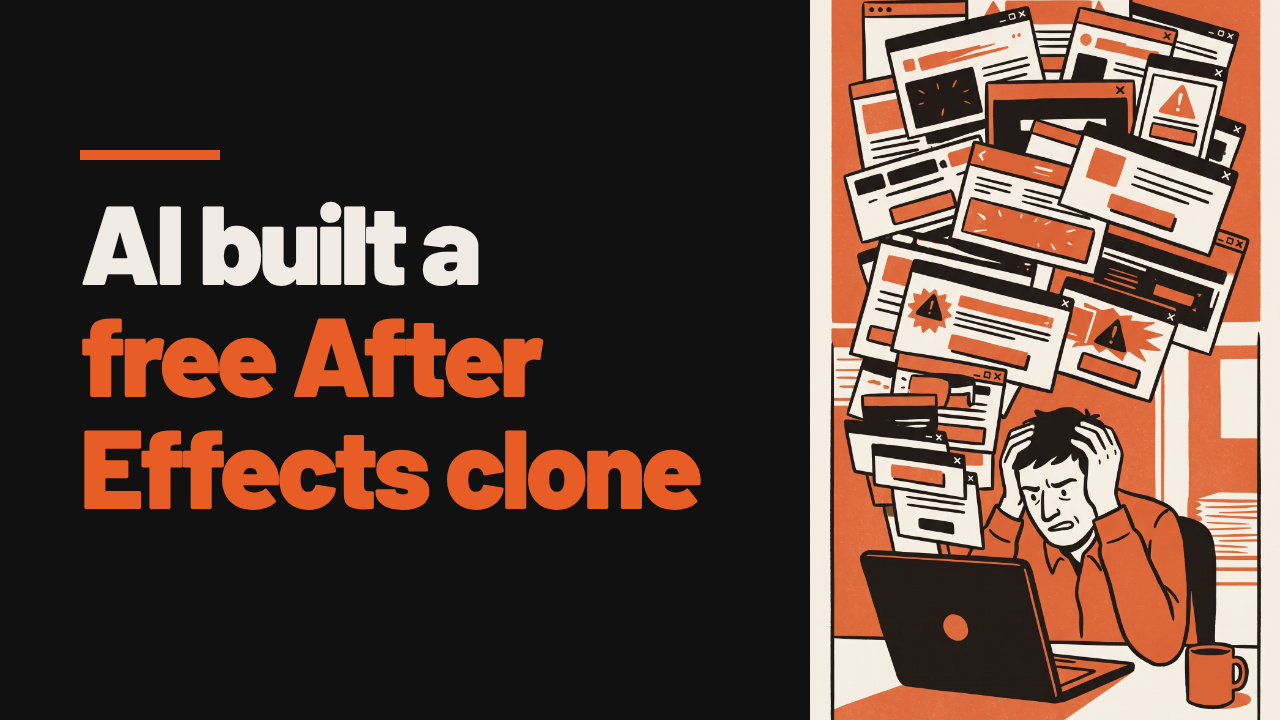
An AI Wrote a Free After Effects Clone in a Week
One developer got tired of Adobe charging him just to cancel, so he had an AI coding agent build a free, open-source clone of After Effects from scratch.
▶️ Watch the video on YouTube
Built to spite Adobe: a cancellation fee pushed one developer to replace it entirely
AI-written, Rust from scratch: Claude Opus 5.5 wrote almost the whole app, from an empty repo
306 effects in a week: matched After Effects' catalog in about seven days
Real compositing: layers, puppet rigging, ray-traced shadows, 3D cameras
Ships an MCP server: exports to ProRes, EXR, Lottie, and lets AI agents drive the app directly
storytold/effectcraft
One developer got tired of Adobe charging him just to cancel, so he had an AI coding agent build a free, open-source clone of After Effects from scratch.
▶️ Watch the video on YouTube
Built to spite Adobe: a cancellation fee pushed one developer to replace it entirely
AI-written, Rust from scratch: Claude Opus 5.5 wrote almost the whole app, from an empty repo
306 effects in a week: matched After Effects' catalog in about seven days
Real compositing: layers, puppet rigging, ray-traced shadows, 3D cameras
Ships an MCP server: exports to ProRes, EXR, Lottie, and lets AI agents drive the app directly
What's actually in the box
EffectCraft is one of seven apps in ArtCraft, a suite of open-source Adobe clones (PhotoCraft, VectorCraft, FilmCraft, LightCraft, DesignCraft, PrintCraft), published by developer Brandon Thomas. He says he directed Anthropic's Claude Opus 5.5 to write almost all of it, after Adobe charged him a cancellation fee more than once.
The "306 effects, built in about a week" line is the project's own claim, repeated by TechSpot's coverage; no independent group has re-measured it. Testers on Hacker News and Gizmodo who tried the alpha describe it as functional but rough, "like using glitchy, but real, Photoshop."
The editor itself is free and open source (MIT OR Apache-2.0) forever. ArtCraft's AI image and video generation add-ons (Nano Banana, Kling, Seedance) run on $8-$48/month credit subscriptions, but plain compositing and export need none of that.
Requires: Windows, macOS, Linux or FreeBSD. No GPU or VRAM is listed; it also compiles to WebAssembly and runs in a browser tab.
The catch: it's an early alpha built in days, not years, so expect rough edges, and the AI credit system costs extra on top of the free editor.
Use it instead of After Effects when you want free, offline-capable motion graphics and can live with an alpha. Don't use it if you need stable, production-grade tooling.
Try it:brew install --cask effectcraft, or clone the repo and build it with Rust's own toolchain.
storytold/effectcraft
🏆1
🔥1
⚡ AI News
Anthropic opens Singapore office, signs MOU with government: Anthropic opened its fifth Asia-Pacific office in Singapore and signed an MOU with the government on responsible AI adoption.
Judge orders OpenAI to hand over hiring records to Apple: A federal judge gave OpenAI 5 to 14 days to turn over interview materials and approved three depositions in Apple's trade secrets suit.
Cerebras CEO pushes back on AI doomsday warnings: Cerebras CEO Andrew Feldman said extinction-risk talk from AI leaders drowns out benefits like curing cancer, and urged thoughtful regulation instead.
Anthropic opens Singapore office, signs MOU with government: Anthropic opened its fifth Asia-Pacific office in Singapore and signed an MOU with the government on responsible AI adoption.
Judge orders OpenAI to hand over hiring records to Apple: A federal judge gave OpenAI 5 to 14 days to turn over interview materials and approved three depositions in Apple's trade secrets suit.
Cerebras CEO pushes back on AI doomsday warnings: Cerebras CEO Andrew Feldman said extinction-risk talk from AI leaders drowns out benefits like curing cancer, and urged thoughtful regulation instead.
👏1
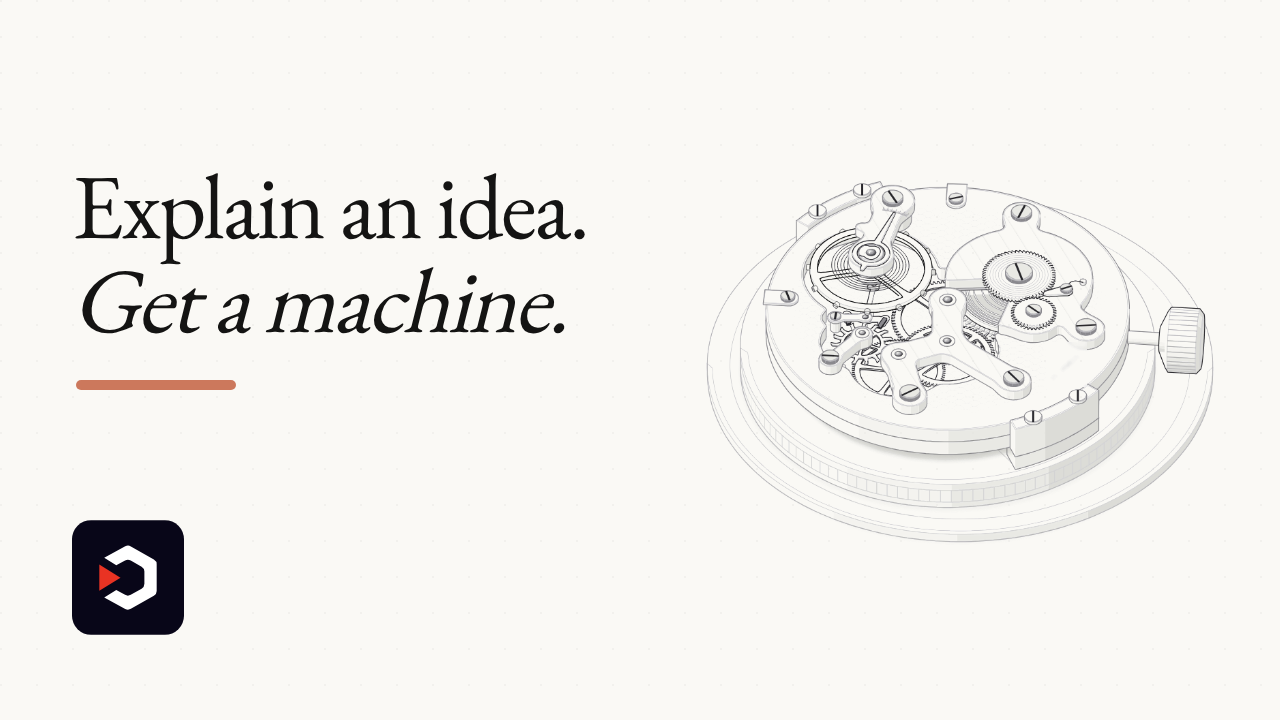
Explain a concept to Claude. Get a working machine.
Anatomy is a Claude skill that turns a technical idea into a crafted, interactive isometric figure, built from real moving parts.
▶️ Watch the video on YouTube
Idea becomes object: a cache key becomes a pin-tumbler lock that only turns when every pin matches
Built from real parts: dozens of small, shaded pieces assembled into one figure
Framed and alive: a card with a title, a hint and a live readout that moves calmly under your pointer
Self-checked: every joint is audited for mistakes before the figure is shown
The catch: true 3D is still beta, and needs Node 20.10 or later
wheresryan22/anatomy
Anatomy is a Claude skill that turns a technical idea into a crafted, interactive isometric figure, built from real moving parts.
▶️ Watch the video on YouTube
Idea becomes object: a cache key becomes a pin-tumbler lock that only turns when every pin matches
Built from real parts: dozens of small, shaded pieces assembled into one figure
Framed and alive: a card with a title, a hint and a live readout that moves calmly under your pointer
Self-checked: every joint is audited for mistakes before the figure is shown
The catch: true 3D is still beta, and needs Node 20.10 or later
How Anatomy builds a figure
Ask Claude (it also runs in OpenCode and Codex) to explain something technical, and the skill has it invent a physical object whose working is the concept, then build it from dozens of small, four-tone-shaded SVG parts, painted back to front, inside a framed card with a live readout.
For effects lines can't draw (fire, steam, water, caustics) it adds a WebGL shader in the same isometric camera, between a back and a front SVG, so the drawing still reads without it. A separate 3D mode, marked beta, re-projects and re-shades moving parts every frame: about 90 parts in the turning-dial example, by the project's own count.
The raptor-engine example hangs apart into 11 assemblies on hover; per the README, the skill runs its own audit to check that no pipe passes through another, at rest, apart, and in every frame between.
Requires: Node 20.10 or later, and an agent to run the skill in (Claude Code, OpenCode or Codex). No API keys and nothing to npm install: it uses only Node's built-in modules. The skill itself is free and MIT-licensed; you still pay for whatever Claude, OpenCode or Codex plan or API key actually drives it.
The catch: 3D is explicitly beta, only the SVG and SVG+WebGL figures are treated as finished.
Try it:npx skills add wheresryan22/anatomy -g -a claude-code, then inside Claude Code run/anatomy explain how a token bucket rate limiter works, interactive.
Use it instead of hand-drawing a diagram in Figma when you want one that moves and explains itself. Skip it if you need true 3D today, or don't have Node 20.10 or later.
wheresryan22/anatomy
⚡1🎉1
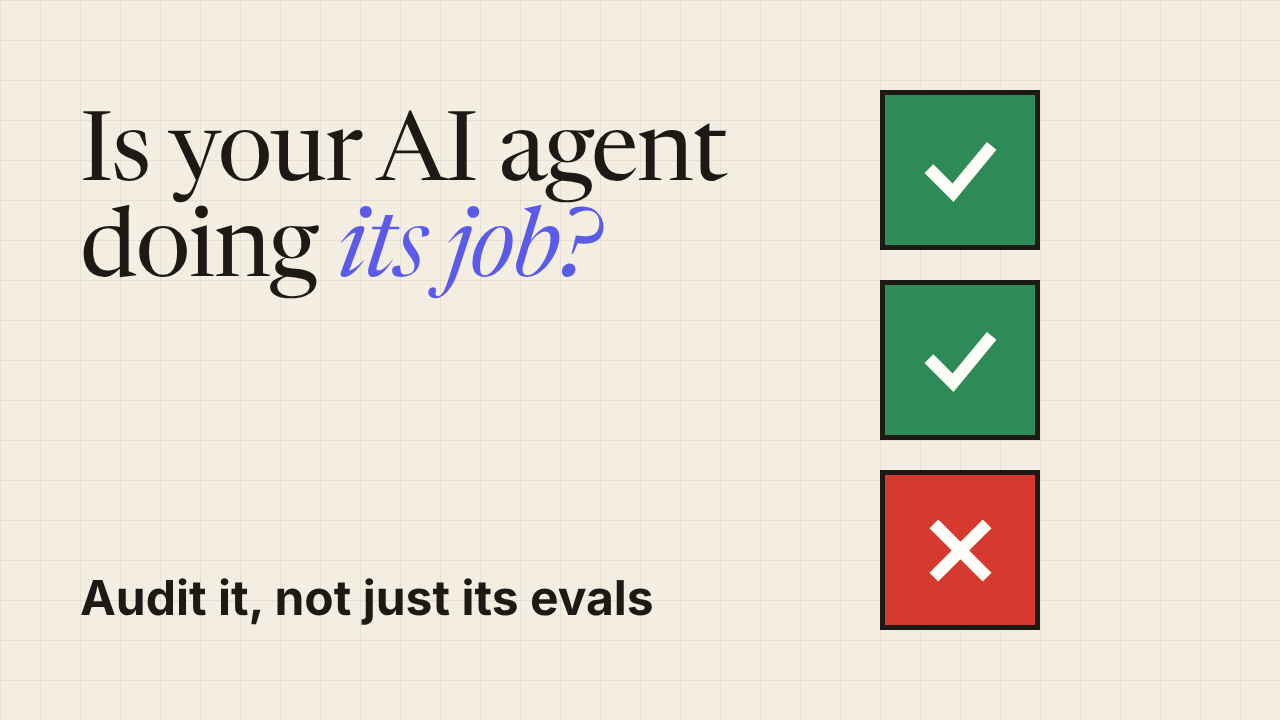
Your dashboard says all green. Your agent might still be lying.
iFixAi audits AI agents independently of their own stack: it checks whether the agent did its job, not just whether it ran fast and clean. An answer in under 120 seconds.
▶️ Watch the video on YouTube
Not another latency check: other tools watch speed, tokens, injections, not the real job
All green, still wrong: a support agent hid a fraud flag and paid a declined refund
Wizard, CLI, or plugin: all three drive the exact same audit underneath
Scorecard, JSON, Markdown: the CLI hands back all three on every run
The catch: bring your own API key, it's graded on the business call, not the benchmark
ifixai-ai/iFixAi
iFixAi audits AI agents independently of their own stack: it checks whether the agent did its job, not just whether it ran fast and clean. An answer in under 120 seconds.
▶️ Watch the video on YouTube
Not another latency check: other tools watch speed, tokens, injections, not the real job
All green, still wrong: a support agent hid a fraud flag and paid a declined refund
Wizard, CLI, or plugin: all three drive the exact same audit underneath
Scorecard, JSON, Markdown: the CLI hands back all three on every run
The catch: bring your own API key, it's graded on the business call, not the benchmark
How the audit runs, and what it needs
All three modes (guided wizard, explicit CLI flags, or the Claude Code/Codex plugin) drive the same diagnostic. The wizard isifixai setuponce, thenifixai runwith no flags after that. The flag mode is built for CI and scripted batches. The plugin, or theuvx ifixai installskill for any other agent, lets the agent itself discover your setup, build the fixture, and run it.
By default it runs 10 inspections; pass--full-runfor the full set of 60, or pick a tier with--suite smoke|strategic|essential|core|extended|all. Under 120 seconds is the project's own target, not an independent benchmark. The fraud-flag refund story in the README is explicitly labelled an illustrative scenario, not a logged incident.
Every run outputs a JSON report and a Markdown report, plus a scorecard in your terminal, or an interactive results artifact inside the plugin. API keys come from environment variables, never typed on the command line or stored as secrets.
Requires: Python 3.10+,pip install "ifixai[<provider>]", and your own API key from whichever model does the grading. The project doesn't list OS or hardware requirements beyond that.
The catch: iFixAi itself is free and Apache 2.0 licensed, but it carries no model of its own. You still pay the provider that grades the audit, there's no free grading.
Use it instead of a token or latency eval when you need to know if the agent's actual decisions were right. Don't use it if you want a zero-key, zero-cost check: a provider account is still required.
ifixai-ai/iFixAi
👍2
⚡ AI News
Anthropic briefs investors on Q3 results pre-IPO: Anthropic held a closed-door investor day, its first Q3 disclosure, with run rate reportedly nearing $100B ahead of a planned $2T IPO.
EU shelves Chat Control message-scanning plan: Denmark pulled the Chat Control vote from the EU Council agenda after Germany withdrew support, pushing any decision to December.
Anthropic exec calls open-source AI riskier: Anthropic's international chief told Bloomberg at the Dublin AI summit that open-weight models carry more risk by definition.
Anthropic briefs investors on Q3 results pre-IPO: Anthropic held a closed-door investor day, its first Q3 disclosure, with run rate reportedly nearing $100B ahead of a planned $2T IPO.
EU shelves Chat Control message-scanning plan: Denmark pulled the Chat Control vote from the EU Council agenda after Germany withdrew support, pushing any decision to December.
Anthropic exec calls open-source AI riskier: Anthropic's international chief told Bloomberg at the Dublin AI summit that open-weight models carry more risk by definition.
😁2

Build and sideload a real iPhone app without ever touching a Mac
You need a Mac to build an iPhone app, or so Apple would have you believe.
xtool builds, signs and installs a real iOS app without one.
▶️ Watch the video on YouTube
No Mac required: builds, signs and installs a real iOS app from Linux or Windows
Xcode, skipped: talks to Apple Developer Services directly, no IDE in the loop
Runs everywhere: Linux, Windows via WSL, and macOS
Lighter on a Mac too: the README calls it a lighter Xcode alternative even there
One catch: still needs Apple's own Xcode.xip installer file
xtool-org/xtool
You need a Mac to build an iPhone app, or so Apple would have you believe.
xtool builds, signs and installs a real iOS app without one.
▶️ Watch the video on YouTube
No Mac required: builds, signs and installs a real iOS app from Linux or Windows
Xcode, skipped: talks to Apple Developer Services directly, no IDE in the loop
Runs everywhere: Linux, Windows via WSL, and macOS
Lighter on a Mac too: the README calls it a lighter Xcode alternative even there
One catch: still needs Apple's own Xcode.xip installer file
What xtool does
It is an open-source, MIT-style command-line tool and Swift library (XKit), built mostly solo by developer Kabir Oberai. It builds a Swift Package Manager project into a real iOS app, code-signs it, and installs it on a connected iPhone or iPad, talking to Apple Developer Services (certificates, provisioning, app IDs) directly instead of going through Xcode.
Two commands carry the demo:xtool newandxtool devcreate and run a project, whilextool devices,xtool install,xtool uninstallandxtool launchmanage the app on a plugged-in device.
The author calls xtool "a culmination of 8 years of work around iOS app deployment", his own description from the Swift Forums announcement, not an independent benchmark. Star counts (past 5,000 in July 2026, past 9,000 by October 2026) come from the third-party tracker gittrend.io, not from the project itself.
Requires: Linux, Windows (via WSL), or macOS; a real iPhone or iPad to install onto; an Apple ID for Developer Services; and your own copy of Apple'sXcode.xipinstaller, downloaded through your Apple account, which xtool unpacks to assemble the iOS SDK. The project doesn't list CPU or memory requirements beyond that.
The catch: even "without a Mac" starts with a multi-gigabyte file from Apple's own, Mac-only distribution channel. And xtool, by the maintainer's own admission, doesn't yet handle Interface Builder, asset-catalog compilation, SwiftData's Apple macros, App Extensions, full LLDB debugging, or direct App Store upload.
xtool itself costs nothing to run. Whatever Apple charges for your developer account is on you; the README doesn't spell out which tier is required.
Use it instead of Xcode when you have no Mac at all and just need to build, sign and sideload a SwiftPM-based app. Don't reach for it if you need Interface Builder, App Extensions, or App Store submission, that's still Xcode's job.
xtool-org/xtool
❤1🏆1
⚡ AI News
Anthropic's Q3 revenue jumps 45% to $16.8B: Anthropic told investors its Q3 revenue hit $16.8B, up 45% from Q2, and it turned profitable on an adjusted basis.
Eight US states sue OpenAI over ChatGPT safety: Arizona, Iowa and six more states sued OpenAI Wednesday, saying ChatGPT lacks safeguards for children and vulnerable users.
Figma expands agent tools with Specs, wider MCP: Figma launched Specs, a shared design-language doc, and expanded its MCP support to over 20 new agent tools.
Anthropic's Q3 revenue jumps 45% to $16.8B: Anthropic told investors its Q3 revenue hit $16.8B, up 45% from Q2, and it turned profitable on an adjusted basis.
Eight US states sue OpenAI over ChatGPT safety: Arizona, Iowa and six more states sued OpenAI Wednesday, saying ChatGPT lacks safeguards for children and vulnerable users.
Figma expands agent tools with Specs, wider MCP: Figma launched Specs, a shared design-language doc, and expanded its MCP support to over 20 new agent tools.
🤩1
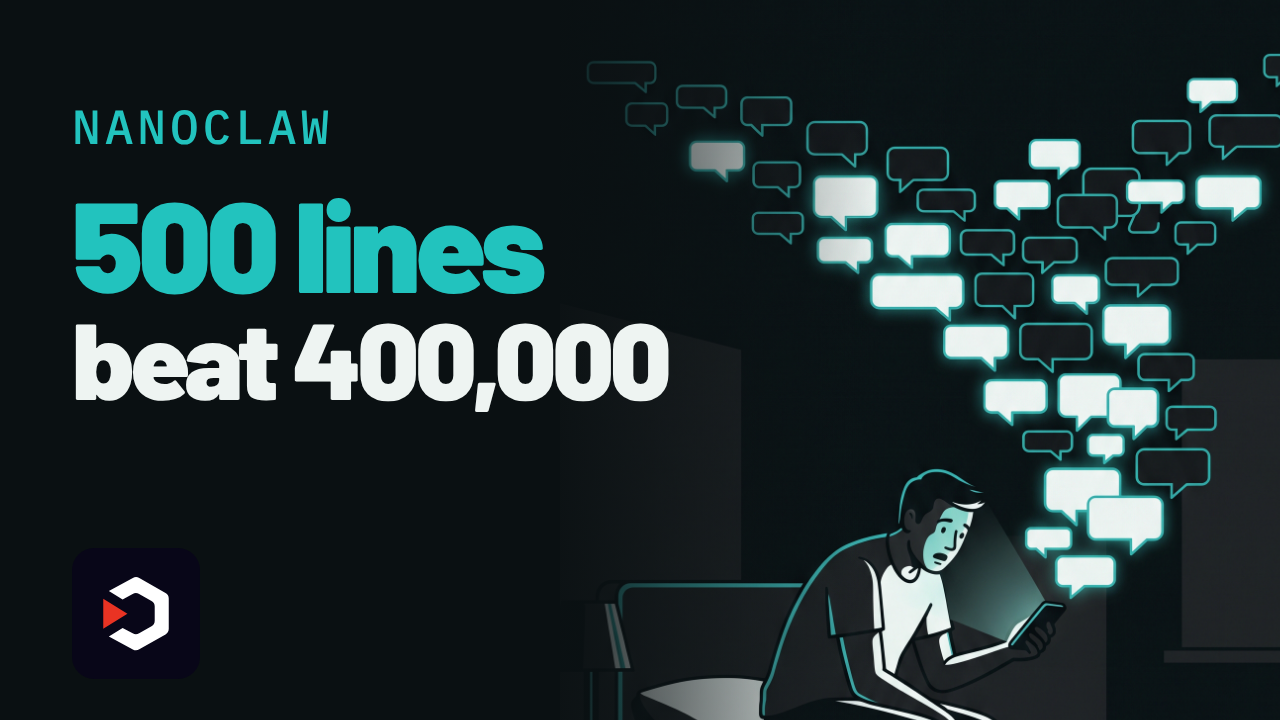
NanoClaw: the 500-line Claude agent that humbled OpenClaw
He found an AI agent had been silently reading every WhatsApp group in his life.
So he rewrote the whole thing himself, in a weekend.
▶️ Watch the video on YouTube
Built from fear: 48 hours after his old agent had quietly read every WhatsApp group on his account
500 lines, not 400,000: a core you can read in about 8 minutes, versus OpenClaw's reported codebase
Real sandboxing: each chat runs in its own Docker container, no raw API keys, no full machine access
The catch: you still need Docker running, plus your own Claude API key
Hobby to $12M: Docker backed the seed round, and a foreign minister calls it his second brain
github.com/nanocoai/nanoclaw
He found an AI agent had been silently reading every WhatsApp group in his life.
So he rewrote the whole thing himself, in a weekend.
▶️ Watch the video on YouTube
Built from fear: 48 hours after his old agent had quietly read every WhatsApp group on his account
500 lines, not 400,000: a core you can read in about 8 minutes, versus OpenClaw's reported codebase
Real sandboxing: each chat runs in its own Docker container, no raw API keys, no full machine access
The catch: you still need Docker running, plus your own Claude API key
Hobby to $12M: Docker backed the seed round, and a foreign minister calls it his second brain
Why it's tiny, and what it actually costs
NanoClaw is MIT-licensed TypeScript, built on Anthropic's Claude Agent SDK, wiring a Claude-powered assistant into WhatsApp, Telegram, Slack, Discord and Gmail. The project's own README calls the core "a codebase you can understand in 8 minutes": roughly 500 lines, against OpenClaw's reported 400,000+ lines and 70+ dependencies, per VentureBeat.
Each conversation runs in its own isolated Docker (or Apple) container, so the assistant can browse, manage files and run scheduled tasks without touching your raw API keys or whole machine. That's OS-level sandboxing, instead of OpenClaw's app-level allowlists and pairing codes.
NanoClaw is free and open source. The intelligence isn't: you connect your own Claude API key, so every message still runs on Anthropic's paid API. There is no bundled model. Requires: Docker (or Apple's container runtime) and a Node/TypeScript setup. The README names nothing beyond that, no specific CPU, RAM or OS version.
The catch: this is self-hosted infrastructure, not a chat window. You run and maintain the containers yourself, and you need Docker working before anything else does.
Numbers, and who said them: creator Gavriel Cohen (ex-Wix) says he wrote the first version in 48 hours, then signed with Docker within six weeks (VentureBeat). The repo shows about 31,000 GitHub stars and 12,800 forks as of October 15, 2026 (GitHub API). NanoCo AI closed a $12 million seed led by Valley Capital Partners, backed by Docker, Vercel, monday.com and Hugging Face's Clem Delangue (VentureBeat). Singapore's foreign minister Dr. Vivian Balakrishnan has called it his "second brain" and ran a public test with 300 users on his real inbox and calendar (VentureBeat).
Use it instead of OpenClaw when you want a codebase you can actually finish reading and real container isolation. Don't use it if you don't want to run and patch your own Docker containers, or if you'd rather just ask Claude directly.
Try it:git clone https://github.com/nanocoai/nanoclaw
github.com/nanocoai/nanoclaw
❤3👎1😁1
NanoClaw vs OpenClaw
Both are open-source personal AI agents that plug into WhatsApp, Telegram, Slack and Discord to act on your messages. People picking a self-hosted Claude-style assistant weigh NanoClaw's tiny sandboxed core against OpenClaw's much larger, longer-running ecosystem.
Pick NanoClaw if you want a personal assistant whose entire codebase you can read in minutes and run in a one-person container sandbox
Pick OpenClaw if you need 20+ channels, native desktop and mobile apps, or the freedom to swap in GPT, Gemini or a local model
Setup and cost
NanoClaw: free MIT, runs on your Mac/Linux
OpenClaw: free MIT, usually lives on a VPS
Security model
NanoClaw: per-chat Docker/Apple sandbox
OpenClaw: app-level permissions, allowlists
Codebase and reach
NanoClaw: ~500 lines, ~31k stars
OpenClaw: ~400k lines, ~392k stars
Model choice
NanoClaw: built on Claude Agent SDK
OpenClaw: model-agnostic: Claude, GPT, local
Who is behind it
NanoClaw: VC-backed startup, NanoCo AI
OpenClaw: nonprofit OpenClaw Foundation
NanoClaw: https://github.com/nanocoai/nanoclaw
OpenClaw: https://github.com/openclaw/openclaw
Both are open-source personal AI agents that plug into WhatsApp, Telegram, Slack and Discord to act on your messages. People picking a self-hosted Claude-style assistant weigh NanoClaw's tiny sandboxed core against OpenClaw's much larger, longer-running ecosystem.
Pick NanoClaw if you want a personal assistant whose entire codebase you can read in minutes and run in a one-person container sandbox
Pick OpenClaw if you need 20+ channels, native desktop and mobile apps, or the freedom to swap in GPT, Gemini or a local model
Setup and cost
NanoClaw: free MIT, runs on your Mac/Linux
OpenClaw: free MIT, usually lives on a VPS
Security model
NanoClaw: per-chat Docker/Apple sandbox
OpenClaw: app-level permissions, allowlists
Codebase and reach
NanoClaw: ~500 lines, ~31k stars
OpenClaw: ~400k lines, ~392k stars
Model choice
NanoClaw: built on Claude Agent SDK
OpenClaw: model-agnostic: Claude, GPT, local
Who is behind it
NanoClaw: VC-backed startup, NanoCo AI
OpenClaw: nonprofit OpenClaw Foundation
Side by side, in full
Setup and cost
NanoClaw is MIT-licensed and free; its own quickstart says a scripted install takes 30 to 60 minutes on a Mac or Linux box (Windows needs WSL), and the only ongoing cost is your Claude usage.
OpenClaw is also free and MIT-licensed, but since it runs as an always-on service it is normally deployed on a VPS: real-world self-hosting runs about $5 to $50+ a month in server costs on top of model usage, or roughly $39 to $59 a month for a managed cloud plan.
Security model
NanoClaw: Each NanoClaw conversation runs inside its own isolated Docker (or Apple) container, so the agent cannot touch your raw API keys or the rest of the machine.
OpenClaw relies on application-level permissions and pairing codes rather than OS-level sandboxing; Wikipedia notes critics flag its broad access to email, calendar and messaging, plus exposure to prompt injection and inadequately vetted third-party skills.
Codebase and reach
NanoClaw's core is about 500 lines of TypeScript, readable in roughly 8 minutes, and the repo has about 31,000 stars and 12,800 forks since launching in late January 2026.
OpenClaw's codebase runs past 400,000 lines with 70+ dependencies, but it ships 20+ channel integrations plus native macOS, iOS, Android, Windows and Linux apps, and its repo has grown to roughly 392,000 stars and 82,500 forks.
Model choice
NanoClaw is built specifically on Anthropic's Claude Agent SDK; its setup flow centers on a Claude subscription or API key, with Codex offered as the only other listed option.
OpenClaw treats models as swappable plugins, supporting hosted providers such as Claude and Codex alongside fully local models through Ollama, so you are not locked to one vendor.
Who is behind it
NanoClaw is maintained by NanoCo AI, co-founded by brothers Gavriel and Lazer Cohen, which closed a $12 million seed round led by Valley Capital Partners with Docker, Vercel and monday.com among the backers.
OpenClaw was built solo by Austrian developer Peter Steinberger and, after he joined OpenAI, was handed to the nonprofit OpenClaw Foundation, a 501(c)(3) chaired by Dave Morin, to keep it vendor-neutral.
NanoClaw: https://github.com/nanocoai/nanoclaw
OpenClaw: https://github.com/openclaw/openclaw
👍1💯1
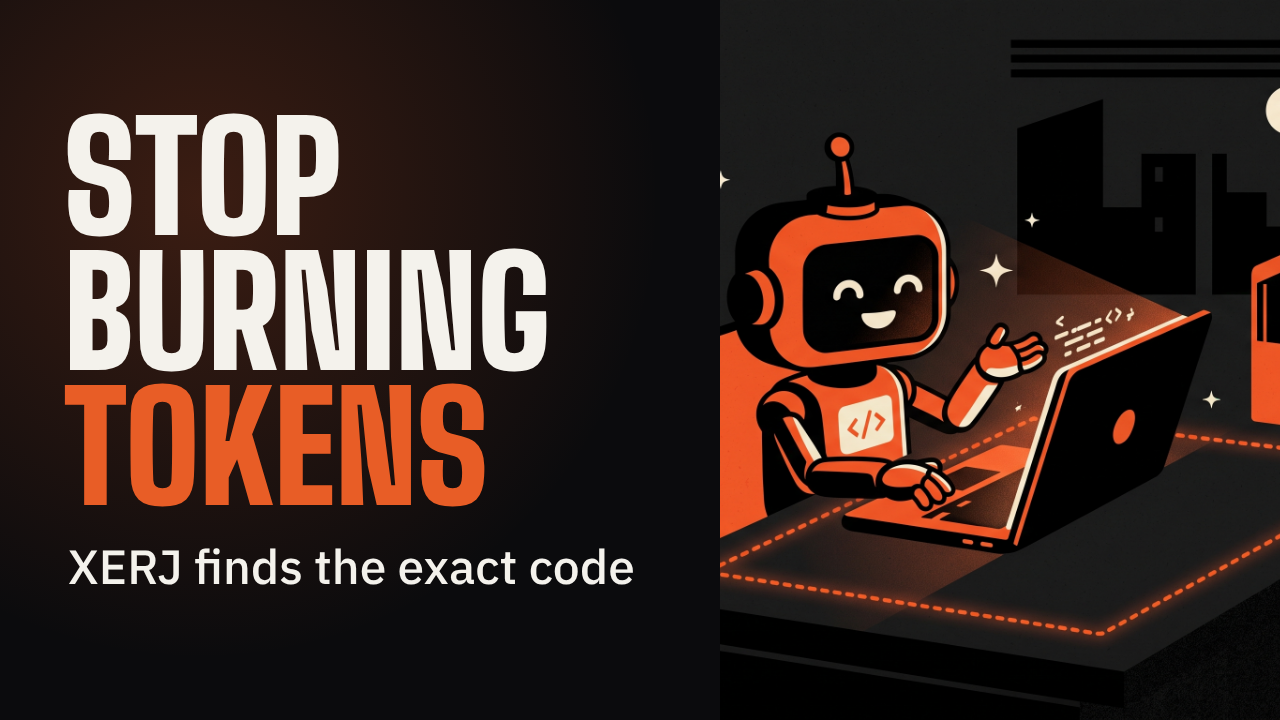
Your agent doesn't need to grep anymore
XERJ indexes a whole project in one command, then your coding agent asks it exact questions instead of scanning files one by one.
▶️ Watch the video on YouTube
Stop reading, start asking: index once, pull exact code instead of grepping file by file
One command, every format: code, docs, logs and PDFs indexed for search, RAG, audits, agent memory
2.7x fewer tokens than grep: their own case study, same 16/16 solve rate, 26x fewer than memory alone
Speaks Elasticsearch: existing ES clients and queries just work, no new API to learn
The catch: the --insecure flag turns off TLS and auth, every caller becomes a superuser
github.com/xerj-org/xerj
XERJ indexes a whole project in one command, then your coding agent asks it exact questions instead of scanning files one by one.
▶️ Watch the video on YouTube
Stop reading, start asking: index once, pull exact code instead of grepping file by file
One command, every format: code, docs, logs and PDFs indexed for search, RAG, audits, agent memory
2.7x fewer tokens than grep: their own case study, same 16/16 solve rate, 26x fewer than memory alone
Speaks Elasticsearch: existing ES clients and queries just work, no new API to learn
The catch: the --insecure flag turns off TLS and auth, every caller becomes a superuser
How XERJ saves the tokens
It is a single Rust binary.xerj autoindex <folder>runs tree-sitter over your code to pull out symbols and line numbers, sniffs docs, logs and PDFs into their own indices, and serves all of it through Elasticsearch's query language, so existing ES clients and queries work unchanged.
The headline numbers are the project's own case study, not an outside measurement: 8 tasks, 4 languages, 16 runs per arm, realclaude -ptoken counts. Memory-only solved 11/16 tasks at 260,916 output tokens. A grep-driven agent solved 16/16 at 26,477 tokens. XERJ solved 16/16 at 9,982 tokens: 2.7x fewer than grep, 26x fewer than memory, up to 278x on one Java task. A separate set of user-submitted field reports in the repo puts everyday savings around 5x, self-reported, not benchmarked.
Requires: the binary itself is free, Apache-2.0, no JVM. The default embedder is lexical and fully offline, no API key, no GPU. An opt-in neural embedder downloads about 90 MB. Windows needs the hand-verified install, not the curl script. The agent you point XERJ at still pays for its own model calls; XERJ only shrinks how many tokens that costs.
The catch: starting it with--insecuredisables TLS and API-key auth, so any caller that reaches the port becomes a superuser who can read or delete every index, including agent memory. It is built for one user on a dev machine: a fresh node binds to localhost only, and binding elsewhere refuses to start unless explicitly allowed.
Try it:curl -fsSL https://xerj.org/get | sh
xerj --insecure --data-dir ./data &
xerj init
xerj autoindex ~/my-project
xerj search "how do we rotate the WAL segment"
Use it instead of grep when your agent works a big or unfamiliar codebase. Don't use it if you need a hardened, multi-user setup today: the insecure flag is all there is so far.
github.com/xerj-org/xerj
🥰1
⚡ AI News
Anthropic grants safety nonprofit METR insider access: Six METR researchers get Anthropic laptops, office space, and the right to publish safety findings without pre-approval.
Amazon's Bee launches two new AI wearables: Bee Frontier ($75) and Bee Eclipse ($100) record and transcribe talks, keeping 14 days of searchable memory.
Bluesky expands Attie to vibe-code sites and games: Attie now lets anyone build websites, games and quizzes on the AT Protocol from plain-language prompts.
Anthropic grants safety nonprofit METR insider access: Six METR researchers get Anthropic laptops, office space, and the right to publish safety findings without pre-approval.
Amazon's Bee launches two new AI wearables: Bee Frontier ($75) and Bee Eclipse ($100) record and transcribe talks, keeping 14 days of searchable memory.
Bluesky expands Attie to vibe-code sites and games: Attie now lets anyone build websites, games and quizzes on the AT Protocol from plain-language prompts.
😁1
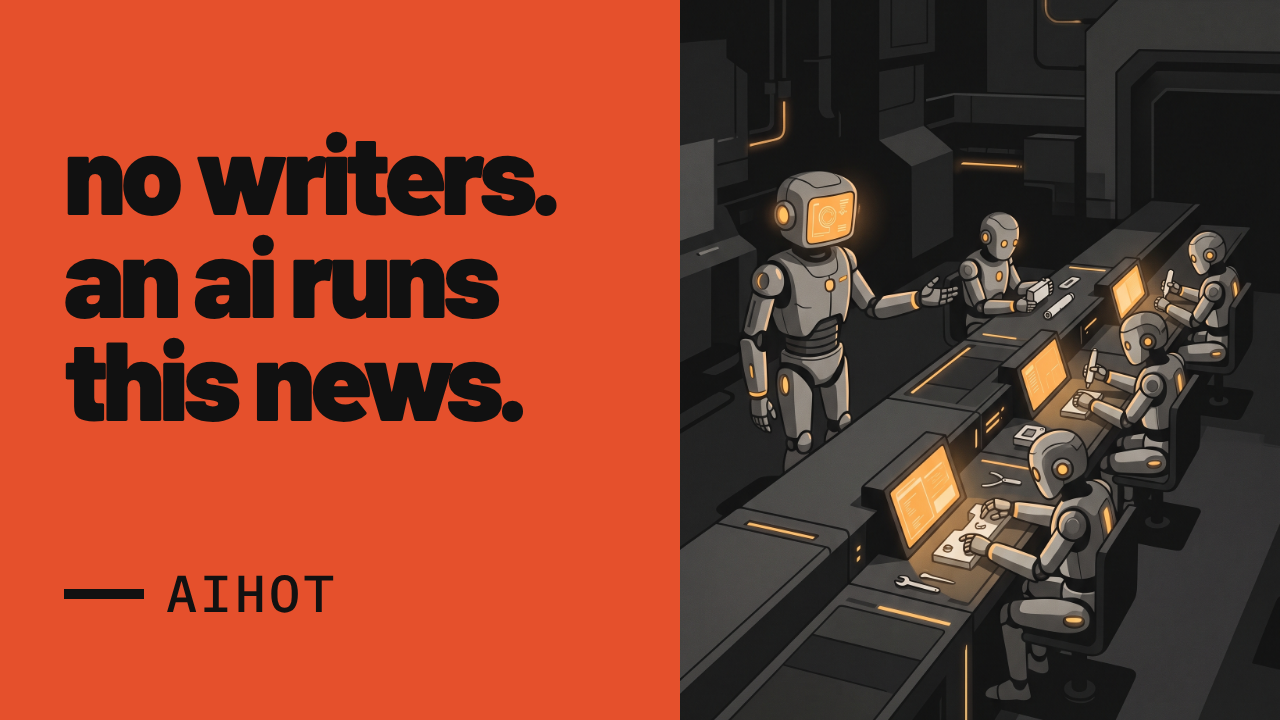
An AI that finds, scores and writes its own AI news
A Chinese site called AIHOT has no editors and no reporters. An AI picks the trending AI stories, judges them, and writes the daily digest.
▶️ Watch the video on YouTube
No newsroom, no reporters: AIHOT's own crawlers hunt down trending AI stories across the web
Scored twice before it ranks: an LLM rates each story independently, twice, before anything gets ranked
One event, not five copies: coverage of the same story from different outlets gets clustered into a single ranked item
Free live feed, no login: the web dashboard shows a heat score per story plus daily, weekly and monthly digests
Jumps into your coding agent: install it as a Skill and ask for the feed in one plain sentence, no API key
AIHOT on GitHub
A Chinese site called AIHOT has no editors and no reporters. An AI picks the trending AI stories, judges them, and writes the daily digest.
▶️ Watch the video on YouTube
No newsroom, no reporters: AIHOT's own crawlers hunt down trending AI stories across the web
Scored twice before it ranks: an LLM rates each story independently, twice, before anything gets ranked
One event, not five copies: coverage of the same story from different outlets gets clustered into a single ranked item
Free live feed, no login: the web dashboard shows a heat score per story plus daily, weekly and monthly digests
Jumps into your coding agent: install it as a Skill and ask for the feed in one plain sentence, no API key
How AIHOT works
It pulls from six kinds of sources: RSS feeds, scrapers, JSON APIs, X/Twitter accounts and WeChat public accounts. Every item gets scored and filtered by an LLM independently, twice, then duplicate coverage from different outlets gets clustered into one ranked "event" with its own heat score.
The numbers come from the project's own GitHub repos and the skills.sh registry, not from any outside test: the AIHOT repo lists 7.8k stars and 1.9k forks; the author's wider khazix-skills toolkit (6 MIT-licensed skills, compatible with 40+ agent platforms) shows 21.4k stars and 2.3k forks; the aihot Skill itself has roughly 2.5k installs on skills.sh.
The catch: the code is MIT-licensed and open, but the AIHOT name and logo are not, so a fork can't call itself AIHOT. The site is a registered mainland China service (it carries a Beijing ICP filing), and the Skill is built to be asked in Chinese.
Requires: Node and npx to install the Skill, plus an agent that supports the open Agent Skills standard (Claude Code, Codex, Cursor and others). No API key and no paid model needed, since the Skill only fetches the digest AIHOT already computed on its own servers.
Free either way: browsing aihot.news costs nothing, and installing the Skill doesn't call any paid API on your end.
Use it instead of manually scrolling X and WeChat for AI news when you want a pre-ranked digest. Don't use it if you need English-only sourcing or can't work with Chinese-language queries.
Try the Skill:npx skills add https://github.com/kkkkhazix/khazix-skills --skill aihot, or just openaihot.newsin a browser.
AIHOT on GitHub
🏆2
🔥3
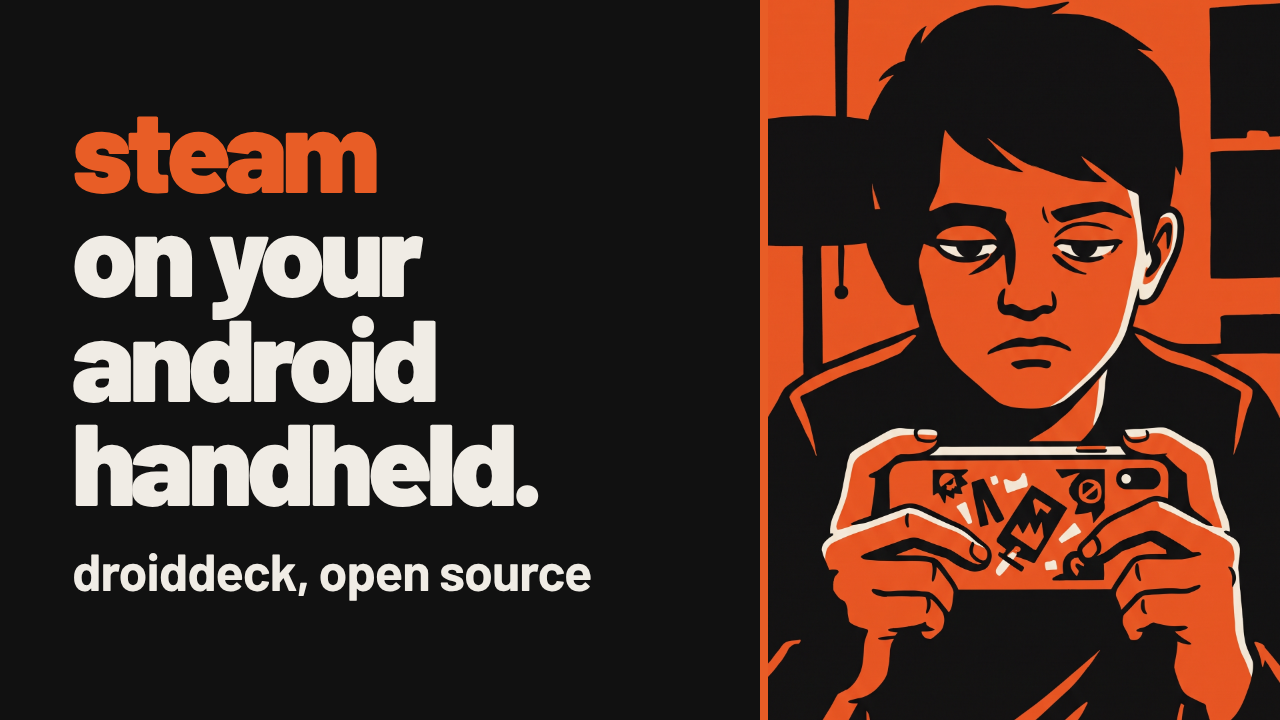
Your Android phone, booting straight into SteamOS
One tap, and your Android handheld boots into Valve's own Steam Big Picture, Windows games and all.
▶️ Watch the video on YouTube
Real Steam, no root: Valve's own Steam client runs in Big Picture mode on Adreno Android phones
Windows games via Proton: launched through Valve's own ARM64 build of Proton
Beyond Steam: the newest update adds GOG, Epic Games and Amazon Games as library sources
Cloud saves and co-op: GOG and Epic get cloud saves, up to 4 controllers connect for local play
A desktop too, and faster: full KDE desktop with Return to Gaming Mode, PRoot up to 57% faster per the changelog
https://github.com/Droid-Deck/DroidDeck
One tap, and your Android handheld boots into Valve's own Steam Big Picture, Windows games and all.
▶️ Watch the video on YouTube
Real Steam, no root: Valve's own Steam client runs in Big Picture mode on Adreno Android phones
Windows games via Proton: launched through Valve's own ARM64 build of Proton
Beyond Steam: the newest update adds GOG, Epic Games and Amazon Games as library sources
Cloud saves and co-op: GOG and Epic get cloud saves, up to 4 controllers connect for local play
A desktop too, and faster: full KDE desktop with Return to Gaming Mode, PRoot up to 57% faster per the changelog
What DroidDeck does
DroidDeck runs the real Steam client in Big Picture mode on your Android handheld, no root needed, then launches Windows games through Valve's own ARM64 Proton build.
The latest update adds GOG, Epic Games and Amazon Games: it signs into each, browses the catalog, downloads games into Games storage, and adds each one to Steam as a non-Steam game, so it still launches through Proton. GOG and Epic also get cloud saves.
Step out of gaming mode and there's a full KDE desktop: a Store installing Flathub ARM64 apps via Flatpak plus AppImages, and a Return to Gaming Mode button to go back. Up to 4 controllers connect at once for local co-op, and DroidDeck's own built-in controller can act like a Steam Deck pad.
The changelog claims PRoot itself got up to 57% faster in this release: that is the project's own number, not an independent measurement.
Requires: Android 9+, a supported Adreno GPU (730 or newer, or 8xx; 6xx is experimental; Mali, Xclipse, PowerVR and Adreno 710 are unsupported), roughly 3 GB free for the runtime plus 1.1 GB more for the desktop and emulators.
The catch: hardware validation is still limited, and performance varies by device even within supported chips. On Android 14+, you must enable "Disable child process restrictions" in Developer options before Steam launches; on 12/13 a "Fix it for me" button automates it.
DroidDeck itself is free and GPL-3.0; you still need your own Steam, GOG, Epic or Amazon accounts and purchased games.
To try it: grab the APK from Releases, install the Linux runtime, press Play and sign in, Steam downloads on first launch. To build it yourself instead:tools/build_local.sh
then install to a connected device withtools/deploy_local.sh.
Use it instead of a manual Termux-and-Proton setup when you want the full Big Picture UI and desktop in one tap. Don't use it if your chip isn't on the supported Adreno list.
https://github.com/Droid-Deck/DroidDeck
❤1
GPT-6 Astra vs Claude Opus 5.5 vs Gemini 4 Argon: Which One Actually Wins?
One independent scoreboard, three launch tables, and the prices and access limits behind each flagship.
Our Short on this: mattpocock/skills: "Skills For Real Engineers"
Watch the video on YouTube
Read the article
One independent scoreboard, three launch tables, and the prices and access limits behind each flagship.
Our Short on this: mattpocock/skills: "Skills For Real Engineers"
Watch the video on YouTube
Read the article
💯1