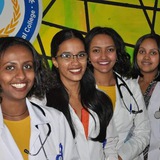
Happy World Pharmacists Day!!!
The World Pharmacists Day theme for 2025 is "Think Health, Think Pharmacist." This theme emphasizes the pivotal role pharmacists play—not just as dispensers of medicines, but as accessible healthcare professionals who contribute to the foundation and sustainability of healthcare systems.
In the health system, pharmacists play a vital role in ensuring the availability of medicines, supplies, and medical equipment—activities essential for the smooth operation of clinical services. Furthermore, the pharmacy profession is deeply rooted, extending from preclinical research to clinical drug evaluation studies.
As part of the multidisciplinary team, pharmacists enhance the delivery of clinical services by providing essential care and support to patients.
Together with other health professionals, we will bring meaningful change to the health system.
With this short note, I would like to wish all pharmacists a Happy World Pharmacists Day (25 September 2025).
Dr. Lemi Belay
Academic and Medical Service Corporate Director
Saint Paul’s Hospital Millennium Medical College
Addis Ababa, Ethiopia
The World Pharmacists Day theme for 2025 is "Think Health, Think Pharmacist." This theme emphasizes the pivotal role pharmacists play—not just as dispensers of medicines, but as accessible healthcare professionals who contribute to the foundation and sustainability of healthcare systems.
In the health system, pharmacists play a vital role in ensuring the availability of medicines, supplies, and medical equipment—activities essential for the smooth operation of clinical services. Furthermore, the pharmacy profession is deeply rooted, extending from preclinical research to clinical drug evaluation studies.
As part of the multidisciplinary team, pharmacists enhance the delivery of clinical services by providing essential care and support to patients.
Together with other health professionals, we will bring meaningful change to the health system.
With this short note, I would like to wish all pharmacists a Happy World Pharmacists Day (25 September 2025).
Dr. Lemi Belay
Academic and Medical Service Corporate Director
Saint Paul’s Hospital Millennium Medical College
Addis Ababa, Ethiopia
World Pharmacists Day – September 25, 2025
Theme: “Think Health, Think Pharmacist”
World Pharmacists Day is an important occasion to recognize the vital contributions pharmacists make in safeguarding health and improving patient outcomes. This year’s theme, “Think Health, Think Pharmacist”, reminds us that wherever health is discussed, pharmacists are at the center of the solution.
As a professional engaged in pharmaceutical sciences, drug quality, and regulatory affairs, I see every day how pharmacists strengthen health systems at multiple levels. In hospitals, pharmacists ensure the uninterrupted supply of quality-assured medicines and medical devices. They provide expert guidance to patients at the point of care, promoting safe and effective medicine use. Whether compounding specialized formulations, supporting dermatologists, advising surgeons on critical supplies, or assisting anesthesiologists with essential agents, pharmacists are integral to multidisciplinary teams.
Equally important is the role of pharmacists in safeguarding antimicrobial stewardship. Without their vigilance, the threat of antimicrobial resistance could drive us back to the “dark ages” of medicine. In the community, pharmacists stand at the frontline of public health—offering accessible care, education, and prevention strategies to fight disease and improve wellbeing.
Beyond clinical services, pharmacists contribute to research and innovation. From preclinical drug development to advanced regulatory evaluations, they are shaping the future of therapeutics and strengthening confidence in medicines. Through the Jimma University Laboratory of Drug Quality (JuLaDQ) and similar platforms, our work in pharmaceutical analysis and regulatory science underscores the importance of quality, safety, and evidence-based practice.
On this World Pharmacists Day, I extend my sincere appreciation to all pharmacists—whether in clinical practice, community service, research, education, regulation, or industry—for their indispensable role in advancing health.
Sultan Suleman, PhD (Pharmaceutical Sciences)
Professor of Pharmaceutical Analysis & Regulatory Affairs
Director, Jimma University Laboratory of Drug Quality (JuLaDQ)
Chair, Ethiopian Pharmaceutical Association – Jimma Chapter
School of Pharmacy, Jimma University, Oromia, Ethiopia
--
Kind regards,
Sultan Suleman, PhD in Pharmaceutical Sciences;
Professor of Pharmaceutical Analysis and Regulatory Affairs, School of Pharmacy;
Director for Jimma University Laboratory of Drug Quality (JuLaDQ)
Theme: “Think Health, Think Pharmacist”
World Pharmacists Day is an important occasion to recognize the vital contributions pharmacists make in safeguarding health and improving patient outcomes. This year’s theme, “Think Health, Think Pharmacist”, reminds us that wherever health is discussed, pharmacists are at the center of the solution.
As a professional engaged in pharmaceutical sciences, drug quality, and regulatory affairs, I see every day how pharmacists strengthen health systems at multiple levels. In hospitals, pharmacists ensure the uninterrupted supply of quality-assured medicines and medical devices. They provide expert guidance to patients at the point of care, promoting safe and effective medicine use. Whether compounding specialized formulations, supporting dermatologists, advising surgeons on critical supplies, or assisting anesthesiologists with essential agents, pharmacists are integral to multidisciplinary teams.
Equally important is the role of pharmacists in safeguarding antimicrobial stewardship. Without their vigilance, the threat of antimicrobial resistance could drive us back to the “dark ages” of medicine. In the community, pharmacists stand at the frontline of public health—offering accessible care, education, and prevention strategies to fight disease and improve wellbeing.
Beyond clinical services, pharmacists contribute to research and innovation. From preclinical drug development to advanced regulatory evaluations, they are shaping the future of therapeutics and strengthening confidence in medicines. Through the Jimma University Laboratory of Drug Quality (JuLaDQ) and similar platforms, our work in pharmaceutical analysis and regulatory science underscores the importance of quality, safety, and evidence-based practice.
On this World Pharmacists Day, I extend my sincere appreciation to all pharmacists—whether in clinical practice, community service, research, education, regulation, or industry—for their indispensable role in advancing health.
Sultan Suleman, PhD (Pharmaceutical Sciences)
Professor of Pharmaceutical Analysis & Regulatory Affairs
Director, Jimma University Laboratory of Drug Quality (JuLaDQ)
Chair, Ethiopian Pharmaceutical Association – Jimma Chapter
School of Pharmacy, Jimma University, Oromia, Ethiopia
--
Kind regards,
Sultan Suleman, PhD in Pharmaceutical Sciences;
Professor of Pharmaceutical Analysis and Regulatory Affairs, School of Pharmacy;
Director for Jimma University Laboratory of Drug Quality (JuLaDQ)
United Imaging President Visits SPHMMC
Today, St. Paul’s Hospital Millennium Medical College (SPHMMC) welcomed a delegation from United Imaging Healthcare Technology Group (UIH), led by its President Dr. Jusong Xia.
United Imaging is a global company from China that produces advanced medical imaging and cancer treatment equipment, with research centers in China, the USA, and other countries.
Dr. Jusong met with Dr. Muluken Tesfaye, Provost of SPHMMC, and vice provosts Dr. Lemi Belay, Mr. Jemal Shifa, and Dr. Ewenat Gebrehanna. They discussed how to work together in the future in areas like medical technology, training, and patient care.
The delegation also visited the nearly completed Centers of Excellence for Cardiac Care, Oncology, and Organ Transplant at SPHMMC. These new centers will bring more advanced and life-saving services to patients in Ethiopia and beyond.
SPHMMC is excited to strengthen partnerships that improve healthcare, education, and research.
Today, St. Paul’s Hospital Millennium Medical College (SPHMMC) welcomed a delegation from United Imaging Healthcare Technology Group (UIH), led by its President Dr. Jusong Xia.
United Imaging is a global company from China that produces advanced medical imaging and cancer treatment equipment, with research centers in China, the USA, and other countries.
Dr. Jusong met with Dr. Muluken Tesfaye, Provost of SPHMMC, and vice provosts Dr. Lemi Belay, Mr. Jemal Shifa, and Dr. Ewenat Gebrehanna. They discussed how to work together in the future in areas like medical technology, training, and patient care.
The delegation also visited the nearly completed Centers of Excellence for Cardiac Care, Oncology, and Organ Transplant at SPHMMC. These new centers will bring more advanced and life-saving services to patients in Ethiopia and beyond.
SPHMMC is excited to strengthen partnerships that improve healthcare, education, and research.
SPHMMC Moves Closer to Establishing Ethiopia’s First Liver Transplant Center
St. Paul’s Hospital Millennium Medical College (SPHMMC) is making strong progress to set up Ethiopia’s first liver transplant center.
Dr. Muluken Tesfaye, Provost of SPHMMC, recently met with Dr. Kidist Kidane Yimam, a U.S.-based liver transplant specialist of Ethiopian origin, who has been leading the establishment of the Liver Transplant Program in Ethiopia for the past few years. In partnership with California Pacific Medical Center (CPMC), Sutter Health – San Francisco, where she works as a Transplant Hepatologist and the Medical Director of CPMC’s Autoimmune Liver Disease program, Dr. Kidist has been training SPHMMC physician specialists and transplant surgical staff and helping mobilize resources for the project.
Both Dr. Muluken and Dr. Kidist underlined the urgent need to move faster in establishing the center. At this meeting, they have created a multidisciplinary steering committee to establish the transplant center in an efficient manner, along with the Ethiopian Ministry of Health. They stressed that the program should focus on building the skills of Ethiopian doctors and nurses so that, in the future, the transplant service can be fully managed by local professionals.
Dr. Muluken thanked Dr. Kidist for her strong commitment and ongoing support, not only in training but also in improving hospital equipment and resources—key for the long-term success of the program.
“This collaboration is not only about doing Ethiopia’s first liver transplant,” Dr. Muluken said. “It is about building lasting capacity so Ethiopians can get life-saving treatment at home.”
SPHMMC vice provosts Dr. Lemi Belay, Dr. Ewenat Gebrehanna, Dr. Wuletaw Chane, the hepatobilliary surgeon leading this project from SPHMMC along with Dr. Kidist, and other senior physicians have joined the discussion.
This initiative marks a major step forward in developing live saving surgical care in Ethiopia and improving access to critical health services for patients in need.
The team will continue to work together and hopes to see this project to full fruition in the near future.
St. Paul’s Hospital Millennium Medical College (SPHMMC) is making strong progress to set up Ethiopia’s first liver transplant center.
Dr. Muluken Tesfaye, Provost of SPHMMC, recently met with Dr. Kidist Kidane Yimam, a U.S.-based liver transplant specialist of Ethiopian origin, who has been leading the establishment of the Liver Transplant Program in Ethiopia for the past few years. In partnership with California Pacific Medical Center (CPMC), Sutter Health – San Francisco, where she works as a Transplant Hepatologist and the Medical Director of CPMC’s Autoimmune Liver Disease program, Dr. Kidist has been training SPHMMC physician specialists and transplant surgical staff and helping mobilize resources for the project.
Both Dr. Muluken and Dr. Kidist underlined the urgent need to move faster in establishing the center. At this meeting, they have created a multidisciplinary steering committee to establish the transplant center in an efficient manner, along with the Ethiopian Ministry of Health. They stressed that the program should focus on building the skills of Ethiopian doctors and nurses so that, in the future, the transplant service can be fully managed by local professionals.
Dr. Muluken thanked Dr. Kidist for her strong commitment and ongoing support, not only in training but also in improving hospital equipment and resources—key for the long-term success of the program.
“This collaboration is not only about doing Ethiopia’s first liver transplant,” Dr. Muluken said. “It is about building lasting capacity so Ethiopians can get life-saving treatment at home.”
SPHMMC vice provosts Dr. Lemi Belay, Dr. Ewenat Gebrehanna, Dr. Wuletaw Chane, the hepatobilliary surgeon leading this project from SPHMMC along with Dr. Kidist, and other senior physicians have joined the discussion.
This initiative marks a major step forward in developing live saving surgical care in Ethiopia and improving access to critical health services for patients in need.
The team will continue to work together and hopes to see this project to full fruition in the near future.