
Your vision will become clear only when you can look into your heart. Who looks outside, dreams; who looks inside,
awakens.
- Carl Jung
awakens.
- Carl Jung
Some Lectures and Videos(Food Of Thought)
Human Behavioural Biology by Robert Sapolsky (Must Watch)
https://youtube.com/playlist?list=PLqeYp3nxIYpF7dW7qK8OvLsVomHrnYNjD&feature=share8
Crash Course Psychology by Hank Green
https://youtube.com/playlist?list=PL8dPuuaLjXtOPRKzVLY0jJY-uHOH9KVU6&feature=share8
Existential Psychology by Eric Dodson
https://youtube.com/playlist?list=PL0gktz3rk0JBgz3mG0z9vHNuWYDdFKofN&feature=share8
Top 10 Facts about Humans by Lemmino
https://youtube.com/watch?v=xetnJ_gNRBQ&feature=share8
Personality and it's Transformation (Lecture Series) by Jordan Peterson
https://youtube.com/playlist?list=PL22J3VaeABQBlN8DUor7SKWCwSghcqlY5&feature=share8
Curated by @PsychCorner
Human Behavioural Biology by Robert Sapolsky (Must Watch)
https://youtube.com/playlist?list=PLqeYp3nxIYpF7dW7qK8OvLsVomHrnYNjD&feature=share8
Crash Course Psychology by Hank Green
https://youtube.com/playlist?list=PL8dPuuaLjXtOPRKzVLY0jJY-uHOH9KVU6&feature=share8
Existential Psychology by Eric Dodson
https://youtube.com/playlist?list=PL0gktz3rk0JBgz3mG0z9vHNuWYDdFKofN&feature=share8
Top 10 Facts about Humans by Lemmino
https://youtube.com/watch?v=xetnJ_gNRBQ&feature=share8
Personality and it's Transformation (Lecture Series) by Jordan Peterson
https://youtube.com/playlist?list=PL22J3VaeABQBlN8DUor7SKWCwSghcqlY5&feature=share8
Curated by @PsychCorner
Important Memory TermsSensory Memory: The initial stage of memory that briefly holds sensory information from the environment.
Short-Term Memory: The temporary storage system that holds a limited amount of information for a short period of time.
Long-Term Memory: The relatively permanent storage system that holds an unlimited amount of information for an extended period of time.
Encoding: The process of converting sensory information into a form that can be stored in memory.
Retrieval: The process of accessing and bringing stored information back into conscious awareness.
Working Memory: A cognitive system responsible for temporarily holding and manipulating information needed for complex cognitive tasks.
Episodic Memory: A type of long-term memory that involves the recollection of specific events or experiences in a person's life.
Semantic Memory: A type of long-term memory that involves general knowledge about the world, concepts, facts, and meanings.
Procedural Memory: A type of long-term memory that involves the knowledge and skills required to perform certain actions or tasks automatically.
Primacy Effect: The tendency to remember items at the beginning of a list more easily than those in the middle or at the end.
Recency Effect: The tendency to remember items at the end of a list more easily than those in the middle or at the beginning.
Chunking: Organizing individual pieces of information into larger, meaningful units to enhance short-term memory capacity.
Interference Theory: The idea that forgetting occurs when new information interferes with the retrieval or storage of previously learned information.
Retroactive Interference: When newly learned information interferes with remembering previously learned information.
Proactive Interference: When previously learned information interferes with remembering newly learned information.
Serial Position Effect: The tendency to recall items at the beginning (primacy effect) and end (recency effect) better than those in the middle of a list.
Flashbulb Memory: A vivid and detailed memory of a significant and emotionally charged event.
Amnesia: A condition characterized by severe memory loss, often resulting from brain injury or disease.
Source Amnesia: The inability to remember the source of a particular memory, leading to confusion or false attributions.
Memory Consolidation: The process by which memories are strengthened and stabilized in the brain over time.
@PsychCorner
Psychological Terms Starting With Letter 'A'Abnormal Psychology: The study of atypical behavior and mental disorders.
Absolute Threshold: The minimum level of stimulation required for a person to detect a particular stimulus.
Acetylcholine: A neurotransmitter involved in muscle movement, learning, and memory.
Achievement Motivation: The drive to excel and succeed in order to meet personal goals.
Aggression: Behavior intended to cause harm or injury to others.
Altruism: Selfless concern for the well-being of others.
Amnesia: Partial or complete loss of memory caused by brain damage, injury, or psychological trauma.
Amygdala: A part of the brain responsible for processing emotions, particularly fear and aggression.
Antisocial Personality Disorder: A mental disorder characterized by a disregard for the rights of others and a lack of empathy or remorse.
Anxiety Disorders: A group of mental disorders characterized by excessive worry, fear, or unease.
Aphasia: Impairment in language production or comprehension caused by damage to the brain's language centers.
Applied Psychology: The use of psychological principles and theories to solve real-world problems and improve human behavior.
Archetype: Universal symbols or patterns that are present in the collective unconscious across cultures and societies, as proposed by Carl Jung.
Assimilation (Piaget): The process through which new information is incorporated into existing cognitive schemas or mental frameworks.
Attachment Theory: The study of how early relationships with caregivers influence social and emotional development throughout life, as proposed by John Bowlby.
Attribution Theory: The study of how individuals explain the causes of their own behavior and that of others.
Authoritarian Parenting Style: A parenting style characterized by strict rules, high expectations, and little warmth or responsiveness towards children's needs.
Autonomic Nervous System (ANS): Part of the peripheral nervous system that controls involuntary bodily functions such as heart rate, digestion, and breathing.
Availability Heuristic: A mental shortcut that relies on immediate examples or instances that come to mind when evaluating a specific topic or situation.
Aversion Therapy: A form of behavior therapy that aims to reduce unwanted behaviors by pairing them with unpleasant stimuli.
Avoidant Personality Disorder: A mental disorder characterized by social inhibition, feelings of inadequacy, and hypersensitivity to criticism or rejection.
Axon: The long, slender projection of a neuron that transmits electrical impulses away from the cell body towards other neurons or muscles.
Agoraphobia: An anxiety disorder characterized by a fear of being in situations where escape might be difficult or embarrassing.
Anal stage (Freud,Of Course): The second psychosexual stage of development, occurring between 18 months and 3 years old, during which pleasure is focused on bowel and bladder control.
Anorexia Nervosa: An eating disorder characterized by an intense fear of gaining weight, distorted body image, and self-starvation.
Antidepressants: Medications used to treat depression by altering the levels of neurotransmitters in the brain.
Antisocial Behavior: Actions that violate social norms and disregard the rights of others.
Anxiety Sensitivity: The fear of experiencing anxiety symptoms due to beliefs about their potential negative consequences.
Appraisal Theory: The study of how individuals evaluate and interpret events in order to determine their emotional response.
Attitude Formation: The process through which an individual develops positive or negative evaluations towards people, objects, or ideas based on their beliefs and experiences.
Next
Schools Of Psychology Structuralism: This school of thought, led by Wilhelm Wundt and Edward Titchener, focused on analyzing the basic elements of consciousness through introspection.
Functionalism: Developed by William James, functionalism emphasized the adaptive functions of behavior and how mental processes help individuals adapt to their environment.
Behaviorism: Founded by John B. Watson and was later expanded upon by B.F. Skinner, behaviorism focuses on observable behaviors and how they are influenced by environmental stimuli and reinforcement.
Psychoanalysis: Developed by Sigmund Freud, psychoanalysis emphasizes the role of unconscious processes in shaping behavior and personality. It explores the influence of early childhood experiences on adult functioning.
Humanistic Psychology: This school, represented by Carl Rogers and Abraham Maslow, emphasizes personal growth, self-actualization, and the importance of subjective experiences in understanding human behavior.
Cognitive Psychology: This school focuses on mental processes such as perception, memory, thinking, problem-solving, language use, and decision-making. It examines how these processes influence behavior.
Biological Psychology: Also known as biopsychology or neuroscience, this school explores the biological basis of behavior and mental processes. It examines how genetics, brain structure/functioning, hormones, and neurotransmitters influence psychological functioning.
Evolutionary Psychology: Drawing from principles of evolutionary biology, this school seeks to understand human behavior in terms of adaptive advantages conferred by natural selection over time.
Sociocultural Psychology: This school examines how social and cultural factors influence individual behavior and mental processes. It explores topics such as social norms, cultural values/beliefs, gender roles/stereotypes, etc.
Positive Psychology: This relatively new field focuses on studying positive aspects of human experience, such as happiness, well-being, resilience, and personal strengths. It aims to promote optimal functioning and enhance the quality of life.
It's important to note that these schools of psychology are not mutually exclusive, and many psychologists integrate ideas from multiple perspectives in their work.
Read More
👍2
Introductory Psychology and Human Brain Lectures Introduction to Psychology by Paul Bloom (Yale University)
https://youtube.com/playlist?list=PL6A08EB4EEFF3E91F&feature=share8
The Human Brain by Nancy Kanwisher (MIT)
https://youtube.com/playlist?list=PLUl4u3cNGP60IKRN_pFptIBxeiMc0MCJP&feature=share8
Introduction To Brain and Behaviour (New York University)
https://youtube.com/watch?v=gkrM1gMpqRU&feature=share8
The Brain (Bozeman Science)
https://youtube.com/watch?v=kMKc8nfPATI&feature=share8
Decoding The Brain (Briane Greene)
https://youtube.com/watch?v=K7QBnuF6dHg&feature=share8
Curated by @PsychCorner
❤1
🧠
Addiction is a complex disorder characterized by compulsive drug use despite negative consequences. It involves changes in brain structure, function, and neurotransmitter systems.
One key aspect of addiction is the reward pathway in the brain, which involves several regions such as the ventral tegmental area (VTA), nucleus accumbens (NAc), and prefrontal cortex (PFC). When a person engages in pleasurable activities or consumes addictive substances, these regions release dopamine, a neurotransmitter associated with pleasure and reward.
Repeated exposure to addictive substances or behaviors can lead to neuroadaptations in this reward pathway. The brain becomes sensitized to the substance or behavior, leading to increased cravings and decreased sensitivity to natural rewards. This process is known as neuroplasticity.
Additionally, addiction involves changes in other neurotransmitter systems such as glutamate, GABA, serotonin, and norepinephrine. These alterations contribute to various aspects of addiction, including tolerance (needing higher doses for the same effect), withdrawal symptoms when substance use is discontinued, and difficulties with impulse control.
📌
Identify the issue, do not rationalize your addictions. Understand the causes, look inside.
Create Barriers for your addictive behaviour. Say you're addicted to Instagram, completely removing it might be tough and sudden, So start using it on the website and uninstall the app. You'll experience friction as using the website is not as smooth as the application.
Replace Your Behaviour with something else. Chances are, your addictions are cued to a specific place, time or environment. Try doing something else in that period or place.
In the end, it's on you. As German Philosopher Nietzsche put it, One who cannot obey himself, will be commanded by others.
Neuroscience of Addiction Addiction is a complex disorder characterized by compulsive drug use despite negative consequences. It involves changes in brain structure, function, and neurotransmitter systems.
One key aspect of addiction is the reward pathway in the brain, which involves several regions such as the ventral tegmental area (VTA), nucleus accumbens (NAc), and prefrontal cortex (PFC). When a person engages in pleasurable activities or consumes addictive substances, these regions release dopamine, a neurotransmitter associated with pleasure and reward.
Repeated exposure to addictive substances or behaviors can lead to neuroadaptations in this reward pathway. The brain becomes sensitized to the substance or behavior, leading to increased cravings and decreased sensitivity to natural rewards. This process is known as neuroplasticity.
Additionally, addiction involves changes in other neurotransmitter systems such as glutamate, GABA, serotonin, and norepinephrine. These alterations contribute to various aspects of addiction, including tolerance (needing higher doses for the same effect), withdrawal symptoms when substance use is discontinued, and difficulties with impulse control.
📌
How To Get Rid of AddictionIdentify the issue, do not rationalize your addictions. Understand the causes, look inside.
Create Barriers for your addictive behaviour. Say you're addicted to Instagram, completely removing it might be tough and sudden, So start using it on the website and uninstall the app. You'll experience friction as using the website is not as smooth as the application.
Replace Your Behaviour with something else. Chances are, your addictions are cued to a specific place, time or environment. Try doing something else in that period or place.
In the end, it's on you. As German Philosopher Nietzsche put it, One who cannot obey himself, will be commanded by others.
Social Psychology TermsConformity: The tendency for individuals to adjust their attitudes, beliefs, and behaviors to match those of a majority or influential group.
Groupthink: A phenomenon that occurs when a group of people prioritize consensus and harmony over critical thinking, leading to faulty decision-making and a suppression of dissenting viewpoints.
Cognitive Dissonance: The mental discomfort or tension that arises when an individual holds contradictory beliefs, attitudes, or values, leading to a desire to reduce the inconsistency.
Social Facilitation: The concept that the presence of others enhances an individual's performance on simple or well-learned tasks but impairs performance on complex or new tasks.
Self-Fulfilling Prophecy: A belief or expectation about a person or group that influences one's behavior towards them in a way that causes the belief or expectation to come true.
Compliance: The act of responding favorably to a direct request or suggestion from another person, often due to social norms, authority, or perceived reciprocity.
Social Loafing: The tendency for individuals to exert less effort when working collectively in a group compared to when working individually, as they rely on others to compensate for their reduced effort.
Deindividuation: The loss of self-awareness and personal responsibility that can occur when individuals are part of a large group or in situations that provide anonymity, leading to a decrease in inhibitions and an increase in impulsive or deviant behavior.
In-group Bias: The tendency to favor and show positive attitudes toward members of one's own social group while displaying prejudice or discrimination against members of other groups.
Bystander Effect: The phenomenon where individuals are less likely to offer help to a person in need when others are present, assuming that someone else will take responsibility.
More
Some Good TED Talks Related To Psychology "The Power of Vulnerability" by Brené Brown: https://www.youtube.com/watch?v=iCvmsMzlF7o
"The Science of Happiness" by Dan Gilbert:
https://www.youtube.com/watch?v=4q1dgn_C0AU
"The Puzzle of Motivation" by Dan Pink:
https://www.youtube.com/watch?v=rrkrvAUbU9Y
"Flow, the Secret to Happiness" by Mihaly Csikszentmihalyi:
https://www.youtube.com/watch?v=fXIeFJCqsPs
"The Psychology of Evil" by Philip Zimbardo:
https://www.youtube.com/watch?v=OsFEV35tWsg
"The Surprising Science of Happiness" by Dan Gilbert:
https://youtube.com/watch?v=4q1dgn_C0AU&feature=share8
"The Secret Powers of Time" by Philip Zimbardo:
https://www.youtube.com/watch?v=A3oIiH7BLmg
"Grit: The Power of Passion and Perseverance" by Angela Duckworth:
https://www.youtube.com/watch?v=H14bBuluwB8
"The Paradox of Choice" by Barry Schwartz:
https://www.youtube.com/watch?v=VO6XEQIsCoM
"The Happiness Advantage" by Shawn Achor:
https://www.youtube.com/watch?v=GXy__kBVq1M
❤3
Psychological Terms Starting with the letter 'B'
Behaviorism: A school of psychology that focuses on observable behaviors and external factors in explaining human behavior.
Belief: A conviction or acceptance that something is true, often based on subjective experiences, cultural influences, or evidence.
Bias: A tendency or inclination, either conscious or unconscious, to favor or hold a particular perspective or belief.
Brainstorming: A technique used to generate creative ideas by encouraging the free flow of thoughts and suggestions in a group setting.
Burnout: A state of physical, mental, and emotional exhaustion caused by chronic stress, often related to work or caregiving responsibilities.
Bystander Effect: A social phenomenon in which individuals are less likely to offer help in an emergency situation when others are present.
Bipolar Disorder: A mental disorder characterized by extreme mood swings, ranging from depressive episodes to manic or hypomanic episodes.
Body Dysmorphic Disorder: A psychological disorder characterized by an excessive preoccupation with a perceived flaw in one's appearance.
Biofeedback: A technique that enables individuals to gain voluntary control over physiological processes, such as heart rate or blood pressure, through real-time feedback.
Boundary: A psychological concept referring to the emotional, physical, or social limits that individuals establish to define themselves and maintain healthy relationships.
Blindsight: A phenomenon in which individuals with visual impairments are able to respond to visual stimuli without consciously perceiving them.
Broca's Area: A region in the frontal lobe of the brain associated with speech production and language comprehension.
Body Language: Nonverbal communication expressed through facial expressions, gestures, posture, and other bodily movements.
Bio-psychosocial Model: A holistic approach to understanding health and illness that considers biological, psychological, and social factors.
Behavior Therapy: A form of psychotherapy that focuses on changing maladaptive behaviors by using techniques such as reinforcement, modeling, or exposure therapy.
Big Five Personality Traits: A widely accepted model that categorizes personality traits into five broad dimensions: openness, conscientiousness, extraversion, agreeableness, and neuroticism.
Brain Plasticity: The brain's ability to reorganize itself by forming new neural connections throughout life in response to learning, experience, or injury.
Buffering Hypothesis: The idea that social support can moderate the negative impact of stress on physical and mental health outcomes.
Body Schema: The cognitive representation and awareness of one's own body and its position in space.
Behavioral Genetics: The study of the genetic and environmental factors that contribute to individual differences in behavior and traits.
Bottom-Up Processing: Information processing that starts with the analysis of individual sensory stimuli and builds up to form a coherent perception.
Bulimia Nervosa: An eating disorder characterized by recurrent episodes of binge eating followed by compensatory behaviors, such as purging or excessive exercise.
Basal Ganglia: A group of structures in the brain involved in motor control, cognition, and emotions.
Body Schema: The cognitive representation and awareness of one's own body and its position in space.
Behavioral Therapy: A form of psychotherapy that focuses on modifying maladaptive behaviors by applying principles of learning theory.
Binary Thinking: A cognitive bias that categorizes concepts or ideas into two distinct and opposing categories without considering potential nuances or alternatives.
Bystander Intervention: The act of intervening in a situation to help others in need, particularly in emergency or harmful situations.
Boundary Dissolution: A psychological state in which an individual experiences a blurring or merging of personal boundaries with others.
Previous Next
👍2
💤
🌀Sleep-Wake Cycle: The sleep-wake cycle, also known as the circadian rhythm, is a 24-hour biological cycle that regulates our sleep patterns. It is influenced by an internal "biological clock" located in the suprachiasmatic nucleus (SCN) of the brain, which is sensitive to light and darkness cues received through the eyes. The cycle is coordinated by the release of various hormones, primarily melatonin, which is secreted by the pineal gland in response to darkness.
🌀Sleep Stages: Sleep can be broadly classified into two main types: non-rapid eye movement (NREM) sleep and rapid eye movement (REM) sleep. These stages alternate throughout the night in a cyclic pattern.
NREM Sleep: NREM sleep consists of three stages: N1, N2, and N3.
- Stage N1: This is the transition between wakefulness and sleep. It is a light sleep stage where brain waves slow down, and muscle activity decreases.
- Stage N2: In this stage, brain waves continue to slow down, and eye movements stop. It is a deeper sleep stage characterized by the presence of sleep spindles and K-complexes.
- Stage N3: Also known as slow-wave sleep (SWS) or deep sleep, this is the most restorative stage. Brain waves slow down even further, and there are slow, high-amplitude delta waves. This stage is important for physical and mental restoration.
REM Sleep: REM sleep is characterized by rapid eye movements and vivid dreaming. It is a lighter stage of sleep where brain activity increases, resembling wakefulness. Muscle activity is inhibited, possibly to prevent us from acting out dreams. REM sleep is associated with memory consolidation and emotional processing.
🌀Sleep Regulation: The regulation of sleep involves a complex interplay between various neurotransmitters and brain regions.
The Sleep-Promoting System: Adenosine, a byproduct of energy metabolism, gradually accumulates in the brain during wakefulness, promoting sleep. Adenosine binds to specific receptors, leading to increased sleep drive. Caffeine, a stimulant, blocks these receptors, reducing sleepiness.
The Wake-Promoting System: Several neurotransmitters, such as histamine, norepinephrine, serotonin, and acetylcholine, promote wakefulness and inhibit sleep. These neurotransmitters are produced by specific brain regions, including the hypothalamus and brainstem.
The Role of the Hypothalamus: The hypothalamus plays a crucial role in sleep regulation. It contains sleep-wake centers, including the ventrolateral preoptic nucleus (VLPO) that promotes sleep and the posterior hypothalamus that promotes wakefulness.
🌀Functions and Benefits of Sleep: Sleep serves numerous important functions that contribute to overall health and well-being.
Restorative Function: Sleep is essential for physical restoration, including tissue repair, muscle growth, and immune function. During deep sleep stages, growth hormone is released, facilitating these processes.
Memory Consolidation: Sleep plays a critical role in memory formation and consolidation. It helps transfer information from short-term memory to long-term memory storage.
Cognitive Function: Sufficient sleep is vital for optimal cognitive function, including attention, problem-solving, creativity, and decision-making.
Emotional Regulation: Sleep is involved in emotional regulation and helps regulate mood and emotional responses. Lack of sleep can lead to increased emotional reactivity and negative mood.
🌀Sleep Disorders: Various sleep disorders can disrupt the normal sleep patterns and have negative effects on health. Examples include insomnia, sleep apnea, narcolepsy, restless legs syndrome, and parasomnia.
Read More
The Psychology and Overall Science Behind Sleep 🌀Sleep-Wake Cycle: The sleep-wake cycle, also known as the circadian rhythm, is a 24-hour biological cycle that regulates our sleep patterns. It is influenced by an internal "biological clock" located in the suprachiasmatic nucleus (SCN) of the brain, which is sensitive to light and darkness cues received through the eyes. The cycle is coordinated by the release of various hormones, primarily melatonin, which is secreted by the pineal gland in response to darkness.
🌀Sleep Stages: Sleep can be broadly classified into two main types: non-rapid eye movement (NREM) sleep and rapid eye movement (REM) sleep. These stages alternate throughout the night in a cyclic pattern.
NREM Sleep: NREM sleep consists of three stages: N1, N2, and N3.
- Stage N1: This is the transition between wakefulness and sleep. It is a light sleep stage where brain waves slow down, and muscle activity decreases.
- Stage N2: In this stage, brain waves continue to slow down, and eye movements stop. It is a deeper sleep stage characterized by the presence of sleep spindles and K-complexes.
- Stage N3: Also known as slow-wave sleep (SWS) or deep sleep, this is the most restorative stage. Brain waves slow down even further, and there are slow, high-amplitude delta waves. This stage is important for physical and mental restoration.
REM Sleep: REM sleep is characterized by rapid eye movements and vivid dreaming. It is a lighter stage of sleep where brain activity increases, resembling wakefulness. Muscle activity is inhibited, possibly to prevent us from acting out dreams. REM sleep is associated with memory consolidation and emotional processing.
🌀Sleep Regulation: The regulation of sleep involves a complex interplay between various neurotransmitters and brain regions.
The Sleep-Promoting System: Adenosine, a byproduct of energy metabolism, gradually accumulates in the brain during wakefulness, promoting sleep. Adenosine binds to specific receptors, leading to increased sleep drive. Caffeine, a stimulant, blocks these receptors, reducing sleepiness.
The Wake-Promoting System: Several neurotransmitters, such as histamine, norepinephrine, serotonin, and acetylcholine, promote wakefulness and inhibit sleep. These neurotransmitters are produced by specific brain regions, including the hypothalamus and brainstem.
The Role of the Hypothalamus: The hypothalamus plays a crucial role in sleep regulation. It contains sleep-wake centers, including the ventrolateral preoptic nucleus (VLPO) that promotes sleep and the posterior hypothalamus that promotes wakefulness.
🌀Functions and Benefits of Sleep: Sleep serves numerous important functions that contribute to overall health and well-being.
Restorative Function: Sleep is essential for physical restoration, including tissue repair, muscle growth, and immune function. During deep sleep stages, growth hormone is released, facilitating these processes.
Memory Consolidation: Sleep plays a critical role in memory formation and consolidation. It helps transfer information from short-term memory to long-term memory storage.
Cognitive Function: Sufficient sleep is vital for optimal cognitive function, including attention, problem-solving, creativity, and decision-making.
Emotional Regulation: Sleep is involved in emotional regulation and helps regulate mood and emotional responses. Lack of sleep can lead to increased emotional reactivity and negative mood.
🌀Sleep Disorders: Various sleep disorders can disrupt the normal sleep patterns and have negative effects on health. Examples include insomnia, sleep apnea, narcolepsy, restless legs syndrome, and parasomnia.
Read More
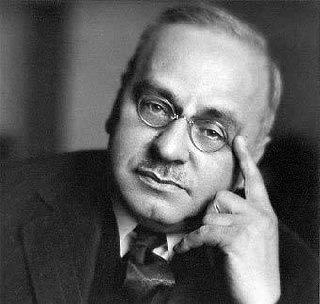
Alfred Adler (1870-1937) was an Austrian psychiatrist and psychotherapist who is best known for his theory of individual psychology. He was one of the key figures in the early development of psychoanalysis but later diverged from it. He is the person who gave the concept of Inferiority Complex and suggested that people try to compensate for the areas they are not good at by being good at other things.
📌 Key Points about Alfred Adler and Individual Psychology:
Social Interest: Adler placed great emphasis on the concept of social interest, which refers to an individual's innate drive to contribute to the welfare of others and society as a whole. He believed that social interest is a fundamental aspect of mental health and that problems arise when individuals lack or have distorted social interest.
Striving for Superiority: Adler proposed that humans are motivated by a universal drive to overcome feelings of inferiority and strive for a sense of superiority or self-improvement. He believed that this drive shapes individuals' behaviors, choices, and personal goals.
Holistic Perspective: Adler took a holistic approach to understanding human functioning, considering the interconnectedness of an individual's physical, psychological, social, and spiritual aspects. He believed that these various dimensions of a person's life influence and shape each other.
Birth Order: Adler proposed that birth order within a family can influence an individual's personality and life experiences. He suggested that firstborn children, middle children, and youngest children tend to have distinct characteristics and face different challenges due to their unique family position.
Fictional Finalism: Adler introduced the concept of fictional finalism, which suggests that individuals are motivated by imagined or fictional goals that guide their behaviors and decisions. These goals may not be based in reality but can strongly influence an individual's actions.
Read More
📌 Key Points about Alfred Adler and Individual Psychology:
Social Interest: Adler placed great emphasis on the concept of social interest, which refers to an individual's innate drive to contribute to the welfare of others and society as a whole. He believed that social interest is a fundamental aspect of mental health and that problems arise when individuals lack or have distorted social interest.
Striving for Superiority: Adler proposed that humans are motivated by a universal drive to overcome feelings of inferiority and strive for a sense of superiority or self-improvement. He believed that this drive shapes individuals' behaviors, choices, and personal goals.
Holistic Perspective: Adler took a holistic approach to understanding human functioning, considering the interconnectedness of an individual's physical, psychological, social, and spiritual aspects. He believed that these various dimensions of a person's life influence and shape each other.
Birth Order: Adler proposed that birth order within a family can influence an individual's personality and life experiences. He suggested that firstborn children, middle children, and youngest children tend to have distinct characteristics and face different challenges due to their unique family position.
Fictional Finalism: Adler introduced the concept of fictional finalism, which suggests that individuals are motivated by imagined or fictional goals that guide their behaviors and decisions. These goals may not be based in reality but can strongly influence an individual's actions.
Read More
Psychological Terms Starting with the Letter 'C'Cognitive Dissonance: The uncomfortable feeling that arises when a person holds contradictory beliefs or values, or when their behavior conflicts with their beliefs or values.
Conformity: The tendency to adjust one's thoughts, beliefs, or behaviors to match those of a larger group, often due to social pressure or the desire for acceptance.
Conditioning: The process of learning associations between stimuli and responses, often through repeated exposure or reinforcement.
Catharsis: The release or relief of emotional tension, often through expressing or experiencing intense emotions, such as crying or laughing.
Cognitive Bias: Systematic patterns of deviation from rationality or objective judgment, influencing our decision-making processes.
Collective Unconscious: In the framework of analytical psychology, it refers to the shared, inherited reservoir of unconscious information and instincts that is common to all human beings.
Compliance: A form of social influence where individuals change their behavior or beliefs in response to a direct request or instruction from another person or authority figure.
Confirmation Bias: The tendency to seek, interpret, or remember information in a way that confirms or supports one's existing beliefs or expectations, while ignoring or discounting contradictory evidence.
Coping Mechanism: Adaptive strategies or behaviors that individuals use to deal with stress, discomfort, or difficult emotions.
Cultural Relativism: The perspective that beliefs, values, and behaviors are understood and interpreted within the context of a specific culture, rather than being universally applicable or absolute.
Critical Period: A specific developmental timeframe during which an individual is most sensitive to acquiring certain skills or experiences, after which it becomes more difficult or impossible to do so.
Confabulation: The unintentional production of false or distorted memories or information to fill in gaps in one's memory.
Classical Conditioning: A type of learning in which a neutral stimulus becomes associated with a naturally occurring stimulus and eventually elicits a similar response.
Countertransference: The therapist's emotional or personal reactions towards a client during the therapeutic process, which may influence their behavior or judgment.
Crisis Intervention: Brief and immediate psychological assistance provided to individuals experiencing acute distress or crisis situations to help stabilize and support them.
Cross-sectional Study: A research design that compares different groups of individuals at a single point in time to examine differences or relationships between variables.
Consciousness: The state of being aware of and able to perceive and experience thoughts, sensations, emotions, and the external environment.
Culture Shock: The psychological disorientation and discomfort experienced when individuals encounter unfamiliar cultural practices, values, or norms.
Codependency: An unhealthy psychological and behavioral reliance on another person, often characterized by a dysfunctional and one-sided relationship.
Comorbidity: The presence of two or more co-occurring disorders or conditions within an individual, often requiring integrated treatment approaches.
Cyberbullying: The use of electronic communication or technology to harm, intimidate, or harass others repeatedly.
Cerebral Cortex: The outer layer of the brain responsible for higher-level cognitive functions, including perception, language, memory, and problem-solving.
Contingency Management: A behavior modification approach that uses rewards or consequences to reinforce desired behaviors or discourage undesirable behaviors.
Childhood Amnesia: The inability to remember detailed or episodic memories from early childhood, typically before the age of three or four.
Cognitive Behavioral Therapy (CBT): A form of psychotherapy that focuses on changing negative thoughts, beliefs, and behaviors to alleviate psychological distress and promote well-being.
Previous Next
7 Differences Between Dopamine (Pleasure) and Serotonin (Happiness)
🧬 Pleasure, like a delicious meal, provides short-term satisfaction, while Happiness is a more enduring state. Happiness transcends momentary pleasures and encompasses long-lasting contentment and fulfillment.
🧬 Pleasure is Visceral you feel it in your body, Happiness is ethereal you feel it above the neck.
🧬 Pleasure is From Outside to Inside, Happiness is From Inside to Outside.
🧬 Pleasure is achieved alone like eating a chocolate cake, Happiness is achieved in social groups like at birthday parties. Happiness can be achieved in solitude but eventually, we are social animals and we need company.
🧬 Pleasure is Achievable with Substances like cocaine, heroine, nicotine, alcohol, sugar, some addictive behaviors. happiness is not achievable with substances.
🧬 The Extremes of Pleasure, whether it be substances (cocaine) or behaviors like shopping, gambling, social media, internet, gaming, pornography, foody. In the extreme are addictive. There’s holic after every one of those things shopaholic, alcoholic, sexaholic, chocoholic etc but there’s no such thing as being addictive to too much happiness.
🧬 Pleasure is Dopamine, and Happiness is Serotonin. These are two different neurotransmitters, with different areas of the brain, regulatory pathways, mechanisms of action, and drivers.
Dopamine is an excitatory neurotransmitter. Neurons enjoy being excited and tickled, but they don't like to be bludgeoned. Chronic overstimulation of any neuron in the body leads to neural cell death, as neurons are highly metabolically active. If you continue to overstimulate them, the neurons become exhausted and eventually die. Even if you have plenty of dopamine molecules, you have fewer receptors, which means there's less chance for any molecule to find the receptor. What that means in Human terms is you need more and more to get less and less. That’s the phenomenon we call tolerance. Dopamine leads to tolerance. And then when those neurons do start to die, that’s called addiction.
Serotonin, on the other hand, is an inhibitory neurotransmitter. There’s no such thing as overdosing on too much happiness, but there’s one thing that down regulates serotonin: dopamine. So the more pleasure you seek, the more unhappy you get. Differences are reward and contentment, pleasure and happiness. So Memes or your phone does not give you happiness; it gives you pleasure. So don’t chase pleasure (dopamine); it will make you unhappier.
🧬 Pleasure, like a delicious meal, provides short-term satisfaction, while Happiness is a more enduring state. Happiness transcends momentary pleasures and encompasses long-lasting contentment and fulfillment.
🧬 Pleasure is Visceral you feel it in your body, Happiness is ethereal you feel it above the neck.
🧬 Pleasure is From Outside to Inside, Happiness is From Inside to Outside.
🧬 Pleasure is achieved alone like eating a chocolate cake, Happiness is achieved in social groups like at birthday parties. Happiness can be achieved in solitude but eventually, we are social animals and we need company.
🧬 Pleasure is Achievable with Substances like cocaine, heroine, nicotine, alcohol, sugar, some addictive behaviors. happiness is not achievable with substances.
🧬 The Extremes of Pleasure, whether it be substances (cocaine) or behaviors like shopping, gambling, social media, internet, gaming, pornography, foody. In the extreme are addictive. There’s holic after every one of those things shopaholic, alcoholic, sexaholic, chocoholic etc but there’s no such thing as being addictive to too much happiness.
🧬 Pleasure is Dopamine, and Happiness is Serotonin. These are two different neurotransmitters, with different areas of the brain, regulatory pathways, mechanisms of action, and drivers.
Dopamine is an excitatory neurotransmitter. Neurons enjoy being excited and tickled, but they don't like to be bludgeoned. Chronic overstimulation of any neuron in the body leads to neural cell death, as neurons are highly metabolically active. If you continue to overstimulate them, the neurons become exhausted and eventually die. Even if you have plenty of dopamine molecules, you have fewer receptors, which means there's less chance for any molecule to find the receptor. What that means in Human terms is you need more and more to get less and less. That’s the phenomenon we call tolerance. Dopamine leads to tolerance. And then when those neurons do start to die, that’s called addiction.
Serotonin, on the other hand, is an inhibitory neurotransmitter. There’s no such thing as overdosing on too much happiness, but there’s one thing that down regulates serotonin: dopamine. So the more pleasure you seek, the more unhappy you get. Differences are reward and contentment, pleasure and happiness. So Memes or your phone does not give you happiness; it gives you pleasure. So don’t chase pleasure (dopamine); it will make you unhappier.
B.F. Skinner(1904-1990) was a prominent American psychologist and behaviorist who made significant contributions to the field of psychology.
📌 Key Points about B.F Skinner:
Behaviorism: Skinner was a major figure in the behaviorist school of psychology, which emphasizes the study of observable behavior rather than internal mental processes. He believed that behavior could be understood and predicted based on environmental factors, rather than relying on subjective introspection or unconscious processes.
Operant Conditioning: Skinner's most influential concept was operant conditioning, which is a type of learning in which behavior is shaped by the consequences that follow it. He proposed that behavior is influenced by the outcomes or consequences it produces, such as rewards or punishments.
Reinforcement: Skinner emphasized the importance of reinforcement in operant conditioning. Reinforcement refers to any stimulus or event that strengthens or increases the likelihood of a behavior being repeated. Skinner distinguished between positive reinforcement (rewarding a behavior with something desirable) and negative reinforcement (removing or avoiding something aversive).
Skinner Box: Skinner is famous for his invention of the Skinner box, also known as the operant conditioning chamber. It was a controlled environment that allowed precise observation and manipulation of animal behavior. The box contained a lever or button that an animal could press to receive a reward when it exhibited the desired behavior.
Contingency Management: Skinner advocated for the use of contingency management in real-life situations. He believed that by systematically reinforcing desired behaviors and withholding reinforcement for undesired behaviors, one could shape and control behavior effectively.
Verbal Behavior: In addition to his work on operant conditioning, Skinner also proposed a theory of language acquisition known as verbal behavior. He argued that language develops through a process of operant conditioning, where verbal responses are reinforced by the social environment.
Read More More
📌 Key Points about B.F Skinner:
Behaviorism: Skinner was a major figure in the behaviorist school of psychology, which emphasizes the study of observable behavior rather than internal mental processes. He believed that behavior could be understood and predicted based on environmental factors, rather than relying on subjective introspection or unconscious processes.
Operant Conditioning: Skinner's most influential concept was operant conditioning, which is a type of learning in which behavior is shaped by the consequences that follow it. He proposed that behavior is influenced by the outcomes or consequences it produces, such as rewards or punishments.
Reinforcement: Skinner emphasized the importance of reinforcement in operant conditioning. Reinforcement refers to any stimulus or event that strengthens or increases the likelihood of a behavior being repeated. Skinner distinguished between positive reinforcement (rewarding a behavior with something desirable) and negative reinforcement (removing or avoiding something aversive).
Skinner Box: Skinner is famous for his invention of the Skinner box, also known as the operant conditioning chamber. It was a controlled environment that allowed precise observation and manipulation of animal behavior. The box contained a lever or button that an animal could press to receive a reward when it exhibited the desired behavior.
Contingency Management: Skinner advocated for the use of contingency management in real-life situations. He believed that by systematically reinforcing desired behaviors and withholding reinforcement for undesired behaviors, one could shape and control behavior effectively.
Verbal Behavior: In addition to his work on operant conditioning, Skinner also proposed a theory of language acquisition known as verbal behavior. He argued that language develops through a process of operant conditioning, where verbal responses are reinforced by the social environment.
Read More More
👍1
🎲
Confirmation Bias: The tendency to seek, interpret, or remember information in a way that confirms one's preexisting beliefs or hypotheses.
Example: A person who strongly believes in conspiracy theories selectively looks for evidence that supports their beliefs while disregarding contradictory information.
Availability Heuristic: The tendency to rely on readily available information or examples that come to mind easily when making judgments or decisions.
Example: A person believes that plane crashes occur frequently because they remember vivid news reports of such incidents, even though statistically, flying is a safe mode of transportation.
Anchoring Bias: The tendency to rely heavily on the first piece of information encountered (the "anchor") when making judgments or estimates.
Example: During a negotiation, the initial price set by the seller acts as an anchor, influencing the buyer's perception of a fair price for the item.
Hindsight Bias: The tendency to perceive events as more predictable than they actually were before they occurred.
Example: After a sports match, fans may claim they knew their team would win all along, despite not having predicted the outcome accurately before the game.
Gambler's Fallacy: The belief that previous random events influence the likelihood of similar events occurring in the future, even though each event is independent.
Example: In a game of roulette, a person may believe that if red has come up several times in a row, black is more likely to occur next, although the odds remain the same for each spin.
Dunning-Kruger Effect: The tendency for unskilled individuals to overestimate their competence or abilities, while highly skilled individuals may underestimate their own abilities.
Example: An amateur singer confidently believes they have superior vocal abilities, despite consistently receiving negative feedback and performing poorly in front of an audience.
Self-Serving Bias: The tendency to attribute one's successes to internal factors and failures to external factors, protecting one's self-esteem.
Example: A student attributes their high grade on a test to their intelligence and hard work but blames a low grade on the teacher's poor teaching or unfair test questions.
Bandwagon Effect: The tendency to adopt certain beliefs or behaviors because many others already have, rather than based on individual judgment.
Example: People might start investing in a specific cryptocurrency because they see others making money from it, even if they don't fully understand how it works.
Halo Effect: The tendency to let one positive characteristic of a person or object influence overall judgments or evaluations.
Example: A charismatic and attractive politician is often perceived as competent and trustworthy, even if there is limited evidence to support these judgments.
Framing Effect: The way information is presented or "framed" can influence decision-making or judgments.
Example: When presented with two options for a medical procedure, one described as having a 90% survival rate and the other as having a 10% mortality rate, people tend to prefer the option described in terms of survival.
Sunk Cost Fallacy: The inclination to continue investing time, money, or effort into something based on the notion that one has already invested heavily, regardless of the outcome.
Example: A person continues to repair an old car regularly, even though the cost of repairs exceeds the vehicle's market value, simply because they have already spent a significant amount on repairs.
Social Proof: The tendency to assume the correctness of a decision or behavior based on the belief that others are doing the same.
Example: When selecting a restaurant, a person chooses a crowded one over an empty one, assuming that the crowded one must be better because others have already chosen it.
Read More
Some Cognitive BiasesConfirmation Bias: The tendency to seek, interpret, or remember information in a way that confirms one's preexisting beliefs or hypotheses.
Example: A person who strongly believes in conspiracy theories selectively looks for evidence that supports their beliefs while disregarding contradictory information.
Availability Heuristic: The tendency to rely on readily available information or examples that come to mind easily when making judgments or decisions.
Example: A person believes that plane crashes occur frequently because they remember vivid news reports of such incidents, even though statistically, flying is a safe mode of transportation.
Anchoring Bias: The tendency to rely heavily on the first piece of information encountered (the "anchor") when making judgments or estimates.
Example: During a negotiation, the initial price set by the seller acts as an anchor, influencing the buyer's perception of a fair price for the item.
Hindsight Bias: The tendency to perceive events as more predictable than they actually were before they occurred.
Example: After a sports match, fans may claim they knew their team would win all along, despite not having predicted the outcome accurately before the game.
Gambler's Fallacy: The belief that previous random events influence the likelihood of similar events occurring in the future, even though each event is independent.
Example: In a game of roulette, a person may believe that if red has come up several times in a row, black is more likely to occur next, although the odds remain the same for each spin.
Dunning-Kruger Effect: The tendency for unskilled individuals to overestimate their competence or abilities, while highly skilled individuals may underestimate their own abilities.
Example: An amateur singer confidently believes they have superior vocal abilities, despite consistently receiving negative feedback and performing poorly in front of an audience.
Self-Serving Bias: The tendency to attribute one's successes to internal factors and failures to external factors, protecting one's self-esteem.
Example: A student attributes their high grade on a test to their intelligence and hard work but blames a low grade on the teacher's poor teaching or unfair test questions.
Bandwagon Effect: The tendency to adopt certain beliefs or behaviors because many others already have, rather than based on individual judgment.
Example: People might start investing in a specific cryptocurrency because they see others making money from it, even if they don't fully understand how it works.
Halo Effect: The tendency to let one positive characteristic of a person or object influence overall judgments or evaluations.
Example: A charismatic and attractive politician is often perceived as competent and trustworthy, even if there is limited evidence to support these judgments.
Framing Effect: The way information is presented or "framed" can influence decision-making or judgments.
Example: When presented with two options for a medical procedure, one described as having a 90% survival rate and the other as having a 10% mortality rate, people tend to prefer the option described in terms of survival.
Sunk Cost Fallacy: The inclination to continue investing time, money, or effort into something based on the notion that one has already invested heavily, regardless of the outcome.
Example: A person continues to repair an old car regularly, even though the cost of repairs exceeds the vehicle's market value, simply because they have already spent a significant amount on repairs.
Social Proof: The tendency to assume the correctness of a decision or behavior based on the belief that others are doing the same.
Example: When selecting a restaurant, a person chooses a crowded one over an empty one, assuming that the crowded one must be better because others have already chosen it.
Read More