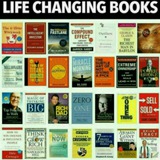
Short Content Gives Ideas 💫
Books Change Behavior 📚
✅ Short videos tell us to wake up early.
✅ Quotes remind us to save money.
✅ Posts say that walking 20 minutes a day improves health.
Because of this constant flow of information, it often feels as if we already know everything that matters.
But there is an important question most people rarely ask themselves:
If we know so much, why do our actions change so little?
🔸Many people believe they are aware of what is right. Yet their daily habits remain exactly the same.
🔸 The issue is not only discipline.
🔸 Very often, the real problem is the absence of deep understanding.
🔸 There is a profound difference between hearing an idea and truly understanding it.
Take sleep as an example.
Most people have heard the advice:
✳️ “Sleep is important.”
✳️ “Sleep 7–8 hours.”
✳️ “Go to bed at the same time.”
But someone who has read Why We Sleep by Matthew Walker understands something far deeper.
🔹 They learn that during sleep the brain clears toxic waste through the glymphatic system, a process that barely happens when we are awake.
🔹 They learn that even one night of four hours of sleep can reduce natural killer cells in the immune system by around 70%, weakening the body’s ability to fight disease.
🔹 They discover that chronic sleep deprivation is linked to Alzheimer’s disease, heart disease, obesity, and reduced learning capacity.
When a person understands these mechanisms and consequences, sleep stops being a vague recommendation.
It becomes a biological necessity that shapes every aspect of performance and health.
This is the power of deep knowledge.
🔸 Short content can introduce an idea. But it rarely explains the mechanisms, evidence, and real-world consequences behind it.
📖 Books are different.
✅ Books go deeper.
✅ They explore the reasoning behind ideas.
✅ They present research, long-term studies, and real-world cases.
✅ They build understanding layer by layer.
And when understanding becomes deep enough, behavior begins to change naturally.
✖️ This is why reading should not be treated as a hobby. A hobby is something we do when we have spare time.
✔️ Reading should be a daily ritual — a protected time in our day dedicated to learning, thinking, and growing.
Because when knowledge becomes deep enough, it does not remain information. It becomes action.🤾🏼♂️
And books remain one of the most powerful tools ever created for transforming the way we think — and the way we live.
📚 @LifeChangingBook
Books Change Behavior 📚
✅ Short videos tell us to wake up early.
✅ Quotes remind us to save money.
✅ Posts say that walking 20 minutes a day improves health.
Because of this constant flow of information, it often feels as if we already know everything that matters.
But there is an important question most people rarely ask themselves:
If we know so much, why do our actions change so little?
🔸Many people believe they are aware of what is right. Yet their daily habits remain exactly the same.
🔸 The issue is not only discipline.
🔸 Very often, the real problem is the absence of deep understanding.
🔸 There is a profound difference between hearing an idea and truly understanding it.
Take sleep as an example.
Most people have heard the advice:
✳️ “Sleep is important.”
✳️ “Sleep 7–8 hours.”
✳️ “Go to bed at the same time.”
But someone who has read Why We Sleep by Matthew Walker understands something far deeper.
🔹 They learn that during sleep the brain clears toxic waste through the glymphatic system, a process that barely happens when we are awake.
🔹 They learn that even one night of four hours of sleep can reduce natural killer cells in the immune system by around 70%, weakening the body’s ability to fight disease.
🔹 They discover that chronic sleep deprivation is linked to Alzheimer’s disease, heart disease, obesity, and reduced learning capacity.
When a person understands these mechanisms and consequences, sleep stops being a vague recommendation.
It becomes a biological necessity that shapes every aspect of performance and health.
This is the power of deep knowledge.
🔸 Short content can introduce an idea. But it rarely explains the mechanisms, evidence, and real-world consequences behind it.
📖 Books are different.
✅ Books go deeper.
✅ They explore the reasoning behind ideas.
✅ They present research, long-term studies, and real-world cases.
✅ They build understanding layer by layer.
And when understanding becomes deep enough, behavior begins to change naturally.
✖️ This is why reading should not be treated as a hobby. A hobby is something we do when we have spare time.
✔️ Reading should be a daily ritual — a protected time in our day dedicated to learning, thinking, and growing.
Because when knowledge becomes deep enough, it does not remain information. It becomes action.🤾🏼♂️
And books remain one of the most powerful tools ever created for transforming the way we think — and the way we live.
📚 @LifeChangingBook
❤9👍4🔥2🤔1
🌿 What do you do during your breaks?
When your brain starts screaming for a pause after deep work, the easiest and healthiest habit is simple: go for a short walk. 🚶♂️
❎ Instead of spending 30 minutes scrolling Instagram, YouTube, or other social media 📱, step outside and give your mind real rest.
A short walk in a green place 🌳💚 can:
• Clear your mind
• Reduce stress
• Improve focus when you return to work
• Boost creativity and new ideas
The best part? You usually don’t need a special place. Most of the time, there’s a small green area, park, or quiet street just outside your home or office 🏡
Next time your brain feels tired from studying or working, try this:
⏸ Take a pause
🚶♂️ Walk for 10–20 minutes
🌿 Look around and breathe fresh air
🧠 Come back with a clearer mind
Sometimes the best productivity hack is simply touching nature for a few minutes. 💚
@LifeChangingBook
When your brain starts screaming for a pause after deep work, the easiest and healthiest habit is simple: go for a short walk. 🚶♂️
❎ Instead of spending 30 minutes scrolling Instagram, YouTube, or other social media 📱, step outside and give your mind real rest.
A short walk in a green place 🌳💚 can:
• Clear your mind
• Reduce stress
• Improve focus when you return to work
• Boost creativity and new ideas
The best part? You usually don’t need a special place. Most of the time, there’s a small green area, park, or quiet street just outside your home or office 🏡
Next time your brain feels tired from studying or working, try this:
⏸ Take a pause
🚶♂️ Walk for 10–20 minutes
🌿 Look around and breathe fresh air
🧠 Come back with a clearer mind
Sometimes the best productivity hack is simply touching nature for a few minutes. 💚
@LifeChangingBook
❤13
How do you choose the books you read?
Do you read a book because someone suggested it?
Because it is popular?
Or just because it is available at the moment?
Reading is always beneficial. But it becomes far more useful when you choose books in the right way.
First, analyze your own life.
What are you lacking right now?
Confidence?
Discipline?
Money mindset?
Hard work?
Focus?
When you know what is missing, then choose the book that matches that need.
A good book is not just something to read — it is a tool.
Today, you can even use AI to help with this.
Ask it for books based on your current situation, not based on what is trending.
For example, if you are confused about your career, read So Good They Can’t Ignore You.
That book asks an important question:
Should we really follow passion?
Or does passion come after we build expertise?
🟨 Books should be chosen like medicine.
If you have a toothache, you do not listen to every random suggestion people give you.
You look for the exact thing that can solve that pain.
✅ Books should be the same.
When you find the right book at the right time, it hits differently.
It feels personal.
It feels necessary.
Sometimes it speaks to your problem so clearly that you finish it in one day.
That happened to me during my university years.
At that time, I used to worry too much about my surroundings and too many unnecessary things.
Then I read The Subtle Art of Not Giving a F*ck.
I finished that book in one night.
Why?
Because it cured something in me.
It taught me that I should not worry about everything.
I should only care about the right things.
That idea stayed with me.
🟥 So next time, don’t go to the library and choose randomly.
When you have a headache, you do not walk into a pharmacy and ask for any random medicine.
You ask for the one that matches your pain.
✔️ Choose books exactly like that.
Because the right book, at the right moment, can change the way you think — and sometimes even the way you live.
📚 @LifeChangingBook
Do you read a book because someone suggested it?
Because it is popular?
Or just because it is available at the moment?
Reading is always beneficial. But it becomes far more useful when you choose books in the right way.
First, analyze your own life.
What are you lacking right now?
Confidence?
Discipline?
Money mindset?
Hard work?
Focus?
When you know what is missing, then choose the book that matches that need.
A good book is not just something to read — it is a tool.
Today, you can even use AI to help with this.
Ask it for books based on your current situation, not based on what is trending.
For example, if you are confused about your career, read So Good They Can’t Ignore You.
That book asks an important question:
Should we really follow passion?
Or does passion come after we build expertise?
🟨 Books should be chosen like medicine.
If you have a toothache, you do not listen to every random suggestion people give you.
You look for the exact thing that can solve that pain.
✅ Books should be the same.
When you find the right book at the right time, it hits differently.
It feels personal.
It feels necessary.
Sometimes it speaks to your problem so clearly that you finish it in one day.
That happened to me during my university years.
At that time, I used to worry too much about my surroundings and too many unnecessary things.
Then I read The Subtle Art of Not Giving a F*ck.
I finished that book in one night.
Why?
Because it cured something in me.
It taught me that I should not worry about everything.
I should only care about the right things.
That idea stayed with me.
🟥 So next time, don’t go to the library and choose randomly.
When you have a headache, you do not walk into a pharmacy and ask for any random medicine.
You ask for the one that matches your pain.
✔️ Choose books exactly like that.
Because the right book, at the right moment, can change the way you think — and sometimes even the way you live.
📚 @LifeChangingBook
❤8👍4🔥1🎉1
⚖️ Balanced / Reflective
We are living in a time where everyone feels the need to have an opinion about everything.
And the louder people speak,
the more divided we become.
But here is a quiet truth most people ignore:
You don’t need to react to every headline.
You don’t need to prove you are right.
You don’t need to win every argument.
Not every thought deserves a voice.
Not every belief deserves a battle.
Sometimes, wisdom is not in speaking —
but in letting go.
You can disagree without creating distance.
You can stay silent without being weak.
You can choose peace without losing yourself.
Because in the end,
protecting your inner calm is more valuable
than being right in the eyes of others.
Choose understanding over noise.
Choose peace over ego.
📚 @LifeChangingBook
We are living in a time where everyone feels the need to have an opinion about everything.
And the louder people speak,
the more divided we become.
But here is a quiet truth most people ignore:
You don’t need to react to every headline.
You don’t need to prove you are right.
You don’t need to win every argument.
Not every thought deserves a voice.
Not every belief deserves a battle.
Sometimes, wisdom is not in speaking —
but in letting go.
You can disagree without creating distance.
You can stay silent without being weak.
You can choose peace without losing yourself.
Because in the end,
protecting your inner calm is more valuable
than being right in the eyes of others.
Choose understanding over noise.
Choose peace over ego.
📚 @LifeChangingBook
❤14
Make It Stick 📌
We live in a world of:
• New AI tools
• Endless information
• Job requires new skills
• Many books to read
But: Do we learn how to learn?
Recently, I read the book Make It Stick — a scientific approach to successful learning.
My key takeaways from the book:
➖➖➖➖➖➖➖
Most of us still rely on:
❌ Highlighting
❌ Rereading
❌ Reviewing notes again and again
It feels productive…
But it creates an illusion of learning.
You recognize the material,
but you can’t recall or apply it.
Here’s what research shows:
Students who reviewed material 3 times → around C+ (average understanding)
Students who tested themselves 3 times → around A- (strong understanding)
Simple meaning:
• C+ → “I’ve seen this before”
• A- → “I can explain it and apply it”
📚 @LifeChangingBook
We live in a world of:
• New AI tools
• Endless information
• Job requires new skills
• Many books to read
But: Do we learn how to learn?
Recently, I read the book Make It Stick — a scientific approach to successful learning.
My key takeaways from the book:
➖➖➖➖➖➖➖
Most of us still rely on:
❌ Highlighting
❌ Rereading
❌ Reviewing notes again and again
It feels productive…
But it creates an illusion of learning.
You recognize the material,
but you can’t recall or apply it.
Here’s what research shows:
Students who reviewed material 3 times → around C+ (average understanding)
Students who tested themselves 3 times → around A- (strong understanding)
Simple meaning:
• C+ → “I’ve seen this before”
• A- → “I can explain it and apply it”
📚 @LifeChangingBook
❤10
Life Changing Books
Make It Stick 📌 We live in a world of: • New AI tools • Endless information • Job requires new skills • Many books to read But: Do we learn how to learn? Recently, I read the book Make It Stick — a scientific approach to successful learning. My key…
So what actually works?
🧠 1. Retrieval Practice
Stop rereading.
Close the book and force yourself to recall
That struggle = learning
♻️ 2. Spaced Repetition
Don’t cram.
Study → wait → review → repeat
Test yourself just as you start to forget.
🔀 3. Interleaving (Mixing Topics)
Don’t study one topic for hours
Mix A → B → C → A→ B → C
Your brain learns to differentiate and apply
🔥 4. Effortful Learning
If it feels hard…
👉 You’re doing it right
And maybe the most important lesson:
✖️ Learning is not about time spent
✅ It’s about how you use your brain
📚 @LifeChangingBook
🧠 1. Retrieval Practice
Stop rereading.
Close the book and force yourself to recall
That struggle = learning
♻️ 2. Spaced Repetition
Don’t cram.
Study → wait → review → repeat
Test yourself just as you start to forget.
🔀 3. Interleaving (Mixing Topics)
Don’t study one topic for hours
Mix A → B → C → A→ B → C
Your brain learns to differentiate and apply
🔥 4. Effortful Learning
If it feels hard…
👉 You’re doing it right
And maybe the most important lesson:
✖️ Learning is not about time spent
✅ It’s about how you use your brain
📚 @LifeChangingBook
❤10👍2
When you work, work.
When you rest, rest.
Most people don’t lose focus during work.
They lose it in the breaks.
They think: “Let me scroll a bit… I’ll come back more refreshed.” 📱
Science says the opposite.
Your brain runs on dopamine.
If your break gives you more stimulation than your work,
your brain won’t want to return.
That’s why:
1. Your breaks should be boring
Breaks inside study/work sessions are not real “fun time.”
They are just mental resets.
✅ Walk, sit, stretch, do nothing
✖️ Not scrolling. Not videos
If you overload dopamine, your brain will reject the task after.
2. Control the in-between moments
Waiting. Walking. Standing in line.
These moments train your brain more than you think.
If you always check your phone →
you condition constant distraction.
If you stay present →
you build focus.
3. Separate work and real rest
When you study → only study
When you relax → fully relax
🔹 Watch a movie without checking your phone.
🔹 Go out without thinking about work.
📚 @LifeChangingBook
When you rest, rest.
Most people don’t lose focus during work.
They lose it in the breaks.
They think: “Let me scroll a bit… I’ll come back more refreshed.” 📱
Science says the opposite.
Your brain runs on dopamine.
If your break gives you more stimulation than your work,
your brain won’t want to return.
That’s why:
1. Your breaks should be boring
Breaks inside study/work sessions are not real “fun time.”
They are just mental resets.
✅ Walk, sit, stretch, do nothing
✖️ Not scrolling. Not videos
If you overload dopamine, your brain will reject the task after.
2. Control the in-between moments
Waiting. Walking. Standing in line.
These moments train your brain more than you think.
If you always check your phone →
you condition constant distraction.
If you stay present →
you build focus.
3. Separate work and real rest
When you study → only study
When you relax → fully relax
🔹 Watch a movie without checking your phone.
🔹 Go out without thinking about work.
📚 @LifeChangingBook
❤11🔥2🥰1
Life Changing Books
Everything will be OK. A lot has happened. Pandemic. Wars. Election. Someone said something. Unexplainable things around. When there is any situation around him, a wise person asks himself: "Well, what exactly should I do now?" In 99% of cases…
Above post about things around you and world. But sometimes the hardest chaos is not outside.
It is inside your own life.
Family problems. Relationship pain. Financial stress. Overthinking at 2am. Important interview tomorrow.
Serious exam...
Yesterday I had a bad day.
Today I had an important interview — and I needed more focus than usual.
So I did not wait for motivation to arrive.
This is what I actually did:
🚿 Two cold showers (One morning, One afternoon)
🚶🏻 A 20-minute walk
♻️ I sat down and prepared fully. The entire day. Nothing else.
📵 No scrolling. No distractions. Just preparation.
And I showed up ready.
That is not discipline from a book.
That is what the science actually looks like in real life.
And the science has a name for what I was protecting:
➖➖➖➖➖➖➖➖➖➖➖➖
📌 Dopamine ✨
Most people think it is the "pleasure chemical."
It is not.
Dopamine is drive. Focus. The will to start and keep going.
When it is healthy → you feel motivated, clear, capable.
When it is drained → everything feels flat, heavy, pointless.
Every behavior either protects it or destroys it.
Dr. Andrew Huberman frequently references a specific set of clinical baseline multipliers in his Huberman Lab Podcast episodes on dopamine dynamics.
🔴 BREAKS you (fast spike, brutal fall):
→ Social media scrolling: constant micro-spikes that fragment your focus
→ Pornography: floods dopamine artificially, making real life feel dull
→ Nicotine: 2.5x — peaks in seconds, crashes just as fast
→ Cocaine: up to 5.0x — depletes your brain's dopamine stores completely
🟢 BUILDS you (slow, clean, lasting):
→ Real conversation, human connection: natural and grounding
→ Walking outside: gentle, steady — no crash
→ Exercise: 2.0x — doubles your baseline if you enjoy it
→ Cold shower: 2.5x — stays elevated 3–5 hours. No crash.
Notice something❓
Cold shower and nicotine are both 2.5x.
But one keeps you focused for hours.
The other has you craving again in minutes.
Same number. Completely different cost.
✅ So when life is hard and the day feels impossible —
put the phone down, step into the cold, go for a walk, call someone real.
That is how you stay functional when everything around you is not.
Patience. One step. Everything will be OK.
Calm your nervous system.
Protect your focus.
Keep building yourself quietly.
📚 @LifeChangingBook
It is inside your own life.
Family problems. Relationship pain. Financial stress. Overthinking at 2am. Important interview tomorrow.
Serious exam...
Yesterday I had a bad day.
Today I had an important interview — and I needed more focus than usual.
So I did not wait for motivation to arrive.
This is what I actually did:
🚿 Two cold showers (One morning, One afternoon)
🚶🏻 A 20-minute walk
♻️ I sat down and prepared fully. The entire day. Nothing else.
📵 No scrolling. No distractions. Just preparation.
And I showed up ready.
That is not discipline from a book.
That is what the science actually looks like in real life.
And the science has a name for what I was protecting:
➖➖➖➖➖➖➖➖➖➖➖➖
📌 Dopamine ✨
Most people think it is the "pleasure chemical."
It is not.
Dopamine is drive. Focus. The will to start and keep going.
When it is healthy → you feel motivated, clear, capable.
When it is drained → everything feels flat, heavy, pointless.
Every behavior either protects it or destroys it.
Dr. Andrew Huberman frequently references a specific set of clinical baseline multipliers in his Huberman Lab Podcast episodes on dopamine dynamics.
🔴 BREAKS you (fast spike, brutal fall):
→ Social media scrolling: constant micro-spikes that fragment your focus
→ Pornography: floods dopamine artificially, making real life feel dull
→ Nicotine: 2.5x — peaks in seconds, crashes just as fast
→ Cocaine: up to 5.0x — depletes your brain's dopamine stores completely
🟢 BUILDS you (slow, clean, lasting):
→ Real conversation, human connection: natural and grounding
→ Walking outside: gentle, steady — no crash
→ Exercise: 2.0x — doubles your baseline if you enjoy it
→ Cold shower: 2.5x — stays elevated 3–5 hours. No crash.
Notice something❓
Cold shower and nicotine are both 2.5x.
But one keeps you focused for hours.
The other has you craving again in minutes.
Same number. Completely different cost.
✅ So when life is hard and the day feels impossible —
put the phone down, step into the cold, go for a walk, call someone real.
That is how you stay functional when everything around you is not.
Patience. One step. Everything will be OK.
Calm your nervous system.
Protect your focus.
Keep building yourself quietly.
📚 @LifeChangingBook
❤8👍2🔥1
The Drowning and the Swimming
"If someone is drowning, that is not the moment to teach them how to swim."
Peter Drucker once said:
"Doing the right thing is more important than doing the thing right."📌
Most of us never stop to ask which one we're doing.
We become experts at advice.
We explain what people should do.
How they should think.
How they should be stronger.
❇️ And most of the time, we mean well.
🔸 But when someone is overwhelmed, exhausted, heartbroken, or quietly falling apart, another lesson is rarely what they need.
✅ They need presence.
✅ They need to feel heard.
✅ They need someone to help them stay afloat before asking them to swim.
The strategy can wait.
The improvement can wait.
The lesson can wait.
✔️ First, the hand.
Wisdom is not just knowing the right answer.
It is knowing what this person needs right now.
Sometimes that is guidance.
Sometimes it is simply silence and a steady presence beside them.
🧠 Knowing the difference is not a small thing.
Next time, before you give advice, pause for a moment and ask yourself:
Do they need advice?
Or are they drowning?
📚 @LifeChangingBook
"If someone is drowning, that is not the moment to teach them how to swim."
Peter Drucker once said:
"Doing the right thing is more important than doing the thing right."📌
Most of us never stop to ask which one we're doing.
We become experts at advice.
We explain what people should do.
How they should think.
How they should be stronger.
❇️ And most of the time, we mean well.
🔸 But when someone is overwhelmed, exhausted, heartbroken, or quietly falling apart, another lesson is rarely what they need.
✅ They need presence.
✅ They need to feel heard.
✅ They need someone to help them stay afloat before asking them to swim.
The strategy can wait.
The improvement can wait.
The lesson can wait.
✔️ First, the hand.
Wisdom is not just knowing the right answer.
It is knowing what this person needs right now.
Sometimes that is guidance.
Sometimes it is simply silence and a steady presence beside them.
🧠 Knowing the difference is not a small thing.
Next time, before you give advice, pause for a moment and ask yourself:
Do they need advice?
Or are they drowning?
📚 @LifeChangingBook
❤10🕊2
The Night You Forgot to Sleep
Have you ever stayed up all night playing your favorite game? 🎮
Or talking to someone you love after months apart? 🤍
Or the night you hit a goal you'd been chasing for months — too excited to even close your eyes? 🎯
Now ask yourself — were you tired?
Not really. Because you were doing something you genuinely loved.
That's not willpower. That's not discipline. That's what happens when something fully takes over your mind.
The greatest athletes and performers in history operate in exactly that state permanently.
People call it discipline.
But discipline is often just what obsession looks like from the outside.
When something truly matters to you, your brain starts organizing itself around it. You think about it while walking. While eating. While lying in bed. Sometimes even while sleeping.
That's the power of neuroplasticity. Your goal stops being a task. It becomes part of your identity.
Motivation ➖ I'll do it when I feel like it.
Discipline ➖ I'll do it even when I don't feel like it.
Obsession ➖ I can't stop thinking about it.
You already know what obsession feels like. You've lived it — in games, in love, in your biggest moments of excitement.
🪄 The lesson isn't to become more disciplined.
The lesson is to find something meaningful enough that your mind keeps returning to it without being forced.
Because the people who achieve extraordinary things rarely spend their lives fighting themselves.
They spend their lives pursuing something they would have thought about anyway.
📚 @LifeChangingBook
Have you ever stayed up all night playing your favorite game? 🎮
Or talking to someone you love after months apart? 🤍
Or the night you hit a goal you'd been chasing for months — too excited to even close your eyes? 🎯
Now ask yourself — were you tired?
Not really. Because you were doing something you genuinely loved.
That's not willpower. That's not discipline. That's what happens when something fully takes over your mind.
The greatest athletes and performers in history operate in exactly that state permanently.
🏀 Kobe Bryant — arrived at the gym at 4am. Not because he had to. Because he couldn't stop thinking about his shot.
⚽️ Ronaldo — still the first to arrive and last to leave training. At 40. The game never gets old when you're obsessed with it.
🎾 Djokovic — tracks sleep, nutrition, and mental state like a scientist. Not forced discipline. A man obsessed with optimizing every inch of his performance.
📈 Paul Tudor Jones — $8.1B trader. Known for waking in the middle of the night to analyze markets. Not an alarm. His mind wouldn't let him rest.
People call it discipline.
But discipline is often just what obsession looks like from the outside.
When something truly matters to you, your brain starts organizing itself around it. You think about it while walking. While eating. While lying in bed. Sometimes even while sleeping.
That's the power of neuroplasticity. Your goal stops being a task. It becomes part of your identity.
Motivation ➖ I'll do it when I feel like it.
Discipline ➖ I'll do it even when I don't feel like it.
Obsession ➖ I can't stop thinking about it.
You already know what obsession feels like. You've lived it — in games, in love, in your biggest moments of excitement.
🪄 The lesson isn't to become more disciplined.
The lesson is to find something meaningful enough that your mind keeps returning to it without being forced.
Because the people who achieve extraordinary things rarely spend their lives fighting themselves.
They spend their lives pursuing something they would have thought about anyway.
📚 @LifeChangingBook
❤12
The Books That Prepare You for the Book 📚
At first, it sounds inefficient.
Why read 1,000 books when only 10 will truly change your life?
But the longer I think about it, the more I believe it contains one of the most important truths about learning.
🔹 The obvious question is:
If only 10 books really matter, why not start with those 10?
It sounds logical.
Yet that's not how transformation works.
🕔 The right book needs the right moment
A book that changes your life at 22 might feel obvious and forgettable at 35.
The same words. The same pages. A completely different impact.
A life-changing book doesn't just require a great author. It requires the right reader at the right moment.
Sometimes experience has to prepare you for the lesson.
📈 Growth rarely comes from what feels familiar
Most of us naturally stay within our comfort zone.
We read what matches our interests, our beliefs, and our existing way of thinking.
But the books that change us often come from completely different worlds.
They challenge assumptions, expose blind spots, and introduce ideas we would never have searched for ourselves.
Transformation rarely asks what you already like.
🔎 The search changes the reader
This may be the most important point.
Reading average books, mediocre books, and even disappointing books is not wasted time.
Those books develop judgment.
They teach you how to think, compare ideas, recognize quality, and appreciate depth.
Without the other 990 books, you might hold one of your life-changing 10 in your hands and never realize its value.
✨ The real question isn't how to find the 10 books.
✅ The real question is whether you'd recognize them when you found them.
📌 And that's why the other 990 matter. They aren't a detour. They are the journey.
And the journey is what makes you capable of being changed by the destination. This is true for books. It's true for experience. It's true for almost everything worth building.
📚 @LifeChangingBook
"10 books are enough to make you wiser. But to find those 10 books, you have to read 1,000."
At first, it sounds inefficient.
Why read 1,000 books when only 10 will truly change your life?
But the longer I think about it, the more I believe it contains one of the most important truths about learning.
🔹 The obvious question is:
If only 10 books really matter, why not start with those 10?
It sounds logical.
Yet that's not how transformation works.
🕔 The right book needs the right moment
A book that changes your life at 22 might feel obvious and forgettable at 35.
The same words. The same pages. A completely different impact.
A life-changing book doesn't just require a great author. It requires the right reader at the right moment.
Sometimes experience has to prepare you for the lesson.
📈 Growth rarely comes from what feels familiar
Most of us naturally stay within our comfort zone.
We read what matches our interests, our beliefs, and our existing way of thinking.
But the books that change us often come from completely different worlds.
They challenge assumptions, expose blind spots, and introduce ideas we would never have searched for ourselves.
Transformation rarely asks what you already like.
🔎 The search changes the reader
This may be the most important point.
Reading average books, mediocre books, and even disappointing books is not wasted time.
Those books develop judgment.
They teach you how to think, compare ideas, recognize quality, and appreciate depth.
Without the other 990 books, you might hold one of your life-changing 10 in your hands and never realize its value.
✨ The real question isn't how to find the 10 books.
✅ The real question is whether you'd recognize them when you found them.
📌 And that's why the other 990 matter. They aren't a detour. They are the journey.
And the journey is what makes you capable of being changed by the destination. This is true for books. It's true for experience. It's true for almost everything worth building.
📚 @LifeChangingBook
❤5👍5
Why I Read 📚
Before I commit to any book, especially a self-help book, I have a habit.
I read the introduction first.
The introduction, in the author's own words.
🔖 Most people treat an introduction as a formality. I treat it as evidence.
It's where an author reveals why they believe they've earned the right to write the book you're holding. Of course it's a sales pitch; every writer wants to convince you their book deserves your attention. But beneath that is something far more valuable. If you read carefully, you can see how long they've wrestled with the subject before deciding they had something worth saying.
That's what I read when I opened The Six Pillars of Self-Esteem.📖
✍️ Nathaniel Branden had already devoted more than twenty-five years to understanding self-esteem before writing what became his most influential book. Along the way, he believed several times that he had said everything there was to say. In 1969, he thought he was finished. Then again in 1970. Again in 1972. Again in 1983. Again in 1986.
Each time, he changed his mind.
➖ Not because he lacked conviction, but because he kept learning. Every year of practice, every patient, every lecture, every new insight revealed another layer he hadn't fully understood. By the time The Six Pillars of Self-Esteem was published in 1994, he wasn't offering readers his first thoughts. He was offering the distillation of a quarter-century spent questioning, refining, and sometimes correcting his own conclusions.
✨ That made me realize something.
📌 A great book is rarely just an author's opinion. It's the compressed output of a lifetime.
Scientists don't publish their most important work after a weekend of curiosity. Investors don't write timeless books after one successful year in the market. Psychologists don't spend decades studying human behavior only to fill pages with passing thoughts.
The books that endure are almost always written by people who have dedicated years—often decades—to understanding one subject deeply.
That's the extraordinary trade every book offers.
Someone spends twenty, thirty, or forty years acquiring knowledge, making mistakes, changing their mind, and discovering what actually matters. Then they package those decades into a few hundred pages and ask for only a few hours of your time.
📈 There are very few investments with a better return.
Yet we often tell ourselves we don't have time to read.
📱 We have time to scroll through hundreds of short videos. We have time to consume recycled opinions, hot takes, and fragments of information designed to be forgotten tomorrow. But we hesitate to spend a handful of hours with someone who devoted their life's work to understanding a single idea.
⏳ That's not a time problem.
✅ It's a priorities problem.
Every great book is a shortcut through someone else's lifetime.
When you read one, you're borrowing decades of experience you could never accumulate on your own.
📚 @LifeChangingBook
Before I commit to any book, especially a self-help book, I have a habit.
I read the introduction first.
The introduction, in the author's own words.
🔖 Most people treat an introduction as a formality. I treat it as evidence.
It's where an author reveals why they believe they've earned the right to write the book you're holding. Of course it's a sales pitch; every writer wants to convince you their book deserves your attention. But beneath that is something far more valuable. If you read carefully, you can see how long they've wrestled with the subject before deciding they had something worth saying.
That's what I read when I opened The Six Pillars of Self-Esteem.📖
✍️ Nathaniel Branden had already devoted more than twenty-five years to understanding self-esteem before writing what became his most influential book. Along the way, he believed several times that he had said everything there was to say. In 1969, he thought he was finished. Then again in 1970. Again in 1972. Again in 1983. Again in 1986.
Each time, he changed his mind.
➖ Not because he lacked conviction, but because he kept learning. Every year of practice, every patient, every lecture, every new insight revealed another layer he hadn't fully understood. By the time The Six Pillars of Self-Esteem was published in 1994, he wasn't offering readers his first thoughts. He was offering the distillation of a quarter-century spent questioning, refining, and sometimes correcting his own conclusions.
✨ That made me realize something.
📌 A great book is rarely just an author's opinion. It's the compressed output of a lifetime.
Scientists don't publish their most important work after a weekend of curiosity. Investors don't write timeless books after one successful year in the market. Psychologists don't spend decades studying human behavior only to fill pages with passing thoughts.
The books that endure are almost always written by people who have dedicated years—often decades—to understanding one subject deeply.
That's the extraordinary trade every book offers.
Someone spends twenty, thirty, or forty years acquiring knowledge, making mistakes, changing their mind, and discovering what actually matters. Then they package those decades into a few hundred pages and ask for only a few hours of your time.
📈 There are very few investments with a better return.
Yet we often tell ourselves we don't have time to read.
📱 We have time to scroll through hundreds of short videos. We have time to consume recycled opinions, hot takes, and fragments of information designed to be forgotten tomorrow. But we hesitate to spend a handful of hours with someone who devoted their life's work to understanding a single idea.
⏳ That's not a time problem.
✅ It's a priorities problem.
Every great book is a shortcut through someone else's lifetime.
When you read one, you're borrowing decades of experience you could never accumulate on your own.
📚 @LifeChangingBook
❤9👍5🔥1
The Price Tag Nobody Reads
🚀 Elon Musk once admitted:
He wasn't lying about the guilty part.
🚕 Self-driving Teslas were coming
next year — for almost ten years.
🚀 Humans on Mars by 2024.
🤖 Robotaxis by 2020.
Still waiting.
🤔 If the richest man alive can't escape wishful thinking, what makes us think we can?
Being objective isn't pretty. It isn't attractive. Nobody claps for a realistic plan.
✅ But here's the thing — reality doesn't require magic to happen.
A friend of mine told me he's going to learn German. 🇩🇪
C1 level.
I looked at him and said:
You can't.
He laughed. 😁
He laughed because he didn't believe it himself.
🔀 His life is a mess — no order, no discipline, no system.
So why should I believe what he doesn't?
That's not me being cruel.
That's me being the only honest person in the room.
📝 Writing down a goal is easy.
📢 Announcing it is even easier.
But a goal without a clear picture of what it actually takes is just wishful thinking wearing a suit.
So next time you plan something, don't ask what you want.
💰 Ask what it costs.
⏳ How much work?
📅 How much time?
❌ How many things will you have to give up?
Answer those honestly...
...and you won't need magic.
~ Chris Williams
📚 @LifeChangingBook
🚀 Elon Musk once admitted:
One of the biggest mistakes people make — and I'm guilty of it too — is wishful thinking. You want something to be true, so you ignore the real truth.
He wasn't lying about the guilty part.
🚕 Self-driving Teslas were coming
next year — for almost ten years.
🚀 Humans on Mars by 2024.
🤖 Robotaxis by 2020.
Still waiting.
🤔 If the richest man alive can't escape wishful thinking, what makes us think we can?
Being objective isn't pretty. It isn't attractive. Nobody claps for a realistic plan.
✅ But here's the thing — reality doesn't require magic to happen.
A friend of mine told me he's going to learn German. 🇩🇪
C1 level.
I looked at him and said:
You can't.
He laughed. 😁
He laughed because he didn't believe it himself.
🔀 His life is a mess — no order, no discipline, no system.
So why should I believe what he doesn't?
That's not me being cruel.
That's me being the only honest person in the room.
📝 Writing down a goal is easy.
📢 Announcing it is even easier.
But a goal without a clear picture of what it actually takes is just wishful thinking wearing a suit.
So next time you plan something, don't ask what you want.
💰 Ask what it costs.
⏳ How much work?
📅 How much time?
❌ How many things will you have to give up?
Answer those honestly...
...and you won't need magic.
✨ The magic you're looking for is in the work you're avoiding.
~ Chris Williams
📚 @LifeChangingBook
❤5