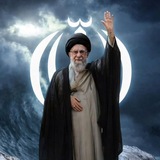
The Expanding Strategic Costs of War with Iran
The current confrontation involving Iran has already entered a military phase, even if it is presently limited to aerial and remote forms of warfare. Treating the conflict as a hypothetical future scenario ignores the fact that escalation dynamics are already in motion, and that any further expansion—especially into ground operations—would fundamentally alter the strategic balance of the region.
History demonstrates that external powers have previously attempted to weaken Iran through large-scale military support to regional adversaries. During the Iran–Iraq War, Iraq received massive financial, intelligence, and military backing from global powers while Iran faced sanctions, internal restructuring, and severe logistical limitations. Despite those disadvantages, Iran prevented territorial collapse and adapted its military structure under pressure.
Since then, Iran has restructured its defense architecture around decentralization and resilience, most notably through its mosaic defense doctrine. Under this model, defensive responsibilities are distributed across provincial and regional commands, each supported by local forces deeply familiar with their terrain and infrastructure. Multiple layers of command succession are embedded into the system to ensure continuity even if senior commanders or central facilities are targeted. The intent of this structure is to ensure that no single strike or limited occupation can decisively neutralize Iran’s defensive capacity, forcing any aggressor into a prolonged and geographically dispersed conflict.
Modern military precedent underscores how difficult territorial occupation is even under favorable conditions. The United States required roughly 500,000 troops to defeat and occupy Iraq in 2003, despite Iraq’s weakened military, flatter terrain, limited naval capability, and significant domestic opposition to its leadership. Iran, by contrast, possesses more complex geography, larger population centers, and a defense doctrine specifically designed for nationwide resistance rather than centralized battlefield engagements.
If the conflict were to expand from aerial confrontation into direct ground incursions, the consequences would not remain confined to Iranian territory. Iranian officials have repeatedly stated that any ground attack launched from the territory of a neighboring state would be met with reciprocal action against that state’s soil. This means that countries hosting staging bases for such operations could themselves become active battlefields.
In practical geopolitical terms, any Iranian ground response into territories such as Bahrain or the United Arab Emirates would not only be a military reaction but also a strategic attempt to reshape regional power balances. Control over or sustained military pressure on these small but economically and geographically critical states would affect maritime trade routes, energy transit corridors, and the security architecture of the Persian Gulf, thereby increasing Iran’s leverage in regional negotiations and security arrangements.
Even a limited landing operation—for example, the insertion of 30,000 foreign troops onto an Iranian island—would not guarantee a decisive outcome. Such forces would face layered missile threats, maritime interdiction, and decentralized ground resistance, while simultaneously exposing their countries of origin to retaliatory operations. The capture or destruction of large numbers of deployed troops would carry not only military but also severe domestic political consequences for the states involved.
Under these conditions, the continuation or expansion of the conflict risks transforming a contained aerial campaign into a multi-front regional war with unpredictable economic and geopolitical consequences. Rather than producing a quick strategic victory, further escalation would likely amplify instability across the Gulf, disrupt global energy flows, and permanently alter the balance of influence in favor of actors able to sustain long-duration asymmetric warfare.
The current confrontation involving Iran has already entered a military phase, even if it is presently limited to aerial and remote forms of warfare. Treating the conflict as a hypothetical future scenario ignores the fact that escalation dynamics are already in motion, and that any further expansion—especially into ground operations—would fundamentally alter the strategic balance of the region.
History demonstrates that external powers have previously attempted to weaken Iran through large-scale military support to regional adversaries. During the Iran–Iraq War, Iraq received massive financial, intelligence, and military backing from global powers while Iran faced sanctions, internal restructuring, and severe logistical limitations. Despite those disadvantages, Iran prevented territorial collapse and adapted its military structure under pressure.
Since then, Iran has restructured its defense architecture around decentralization and resilience, most notably through its mosaic defense doctrine. Under this model, defensive responsibilities are distributed across provincial and regional commands, each supported by local forces deeply familiar with their terrain and infrastructure. Multiple layers of command succession are embedded into the system to ensure continuity even if senior commanders or central facilities are targeted. The intent of this structure is to ensure that no single strike or limited occupation can decisively neutralize Iran’s defensive capacity, forcing any aggressor into a prolonged and geographically dispersed conflict.
Modern military precedent underscores how difficult territorial occupation is even under favorable conditions. The United States required roughly 500,000 troops to defeat and occupy Iraq in 2003, despite Iraq’s weakened military, flatter terrain, limited naval capability, and significant domestic opposition to its leadership. Iran, by contrast, possesses more complex geography, larger population centers, and a defense doctrine specifically designed for nationwide resistance rather than centralized battlefield engagements.
If the conflict were to expand from aerial confrontation into direct ground incursions, the consequences would not remain confined to Iranian territory. Iranian officials have repeatedly stated that any ground attack launched from the territory of a neighboring state would be met with reciprocal action against that state’s soil. This means that countries hosting staging bases for such operations could themselves become active battlefields.
In practical geopolitical terms, any Iranian ground response into territories such as Bahrain or the United Arab Emirates would not only be a military reaction but also a strategic attempt to reshape regional power balances. Control over or sustained military pressure on these small but economically and geographically critical states would affect maritime trade routes, energy transit corridors, and the security architecture of the Persian Gulf, thereby increasing Iran’s leverage in regional negotiations and security arrangements.
Even a limited landing operation—for example, the insertion of 30,000 foreign troops onto an Iranian island—would not guarantee a decisive outcome. Such forces would face layered missile threats, maritime interdiction, and decentralized ground resistance, while simultaneously exposing their countries of origin to retaliatory operations. The capture or destruction of large numbers of deployed troops would carry not only military but also severe domestic political consequences for the states involved.
Under these conditions, the continuation or expansion of the conflict risks transforming a contained aerial campaign into a multi-front regional war with unpredictable economic and geopolitical consequences. Rather than producing a quick strategic victory, further escalation would likely amplify instability across the Gulf, disrupt global energy flows, and permanently alter the balance of influence in favor of actors able to sustain long-duration asymmetric warfare.
✍6🔥3
Islamogram
The Expanding Strategic Costs of War with Iran The current confrontation involving Iran has already entered a military phase, even if it is presently limited to aerial and remote forms of warfare. Treating the conflict as a hypothetical future scenario ignores…
هزینههای فزایندهٔ راهبردی جنگ با ایران
تقابل کنونی با ایران عملاً وارد فاز نظامی شده است، هرچند در حال حاضر عمدتاً به حوزهٔ هوایی و حملات از راه دور محدود مانده است. تلقی این وضعیت بهعنوان یک سناریوی صرفاً فرضی، نادیده گرفتن واقعیتی است که نشان میدهد روند تشدید درگیریها از هماکنون آغاز شده و هرگونه گسترش آن—بهویژه ورود به عملیات زمینی—میتواند توازن راهبردی منطقه را بهطور اساسی دگرگون کند.
تاریخ نشان داده است که قدرتهای خارجی پیشتر نیز تلاش کردهاند از طریق حمایت گستردهٔ نظامی از بازیگران منطقهای، ایران را تضعیف کنند. در جنگ ایران و عراق، بغداد از پشتیبانی مالی، اطلاعاتی و تسلیحاتی وسیعی برخوردار بود، در حالی که ایران با تحریم، بیثباتی ساختاری و محدودیتهای لجستیکی جدی روبهرو بود. با وجود این شرایط، ایران از فروپاشی سرزمینی جلوگیری کرد و در همان دوران ساختار نظامی خود را با شرایط جنگی تطبیق داد.
از آن زمان تاکنون، ایران معماری دفاعی خود را بر پایهٔ تمرکززدایی و تابآوری بازطراحی کرده است که بارزترین نمود آن دکترین دفاع موزائیکی است. در این الگو، مسئولیتهای دفاعی میان فرماندهیهای استانی و منطقهای توزیع شده و هر منطقه توسط نیروهای بومی آشنا با جغرافیا و زیرساختهای خود حفاظت میشود. در سطوح مختلف فرماندهی نیز چندین جانشین آموزشدیده تعیین شدهاند تا در صورت هدف قرار گرفتن فرماندهان یا مراکز اصلی، زنجیرهٔ فرماندهی دچار اختلال نشود. هدف این ساختار آن است که هیچ حملهٔ محدود یا اشغال موضعی نتواند توان دفاعی کشور را بهطور قاطع از کار بیندازد و مهاجم را به جنگی طولانی و پراکنده بکشاند.
سابقهٔ نظامی معاصر نیز نشان میدهد که اشغال سرزمینی حتی در شرایط مطلوب چه میزان نیرو نیاز دارد. ایالات متحده برای اشغال عراق در سال ۲۰۰۳ حدود ۵۰۰ هزار نیرو به منطقه اعزام کرد؛ در حالی که ارتش عراق تضعیف شده بود، جغرافیای آن هموارتر بود، توان دریایی محدودی داشت و بخش قابل توجهی از جمعیت آن نیز با حکومت صدام مخالف بودند. ایران اما از جغرافیایی پیچیدهتر، جمعیتی بزرگتر و دکترین دفاعی مبتنی بر مقاومت سراسری برخوردار است.
در صورتی که این درگیری از سطح حملات هوایی فراتر رفته و به تهاجم زمینی مستقیم تبدیل شود، پیامدهای آن به خاک ایران محدود نخواهد ماند. ایران بارها اعلام کرده است که هرگونه حملهٔ زمینی که از خاک کشورهای همسایه انجام شود، با پاسخ متقابل در همان خاک روبهرو خواهد شد. این بدان معناست که کشورهایی که میزبان پایگاههای عملیاتی باشند، خود به میدان نبرد تبدیل خواهند شد.
از منظر ژئوپولیتیکی، ورود نیروهای ایرانی به سرزمینهایی مانند بحرین یا امارات تنها یک واکنش نظامی نخواهد بود، بلکه میتواند به تلاشی برای تغییر موازنهٔ قدرت در خلیج فارس تبدیل شود. اعمال کنترل یا فشار نظامی بر این کشورها—که با وجود وسعت کم، از نظر اقتصادی و موقعیت جغرافیایی بسیار حیاتی هستند—میتواند بر مسیرهای تجارت دریایی، انتقال انرژی و ساختار امنیتی منطقه تأثیر بگذارد و اهرم نفوذ ایران را در معادلات منطقهای بهطور قابل توجهی افزایش دهد.
حتی در سناریویی که نیرویی خارجی بتواند حدود ۳۰ هزار سرباز را در یکی از جزایر ایران پیاده کند، چنین اقدامی تضمینکنندهٔ موفقیت نخواهد بود. این نیروها با تهدیدهای چندلایهٔ موشکی، اختلال در خطوط تدارکاتی دریایی و مقاومت غیرمتمرکز زمینی روبهرو خواهند شد و در عین حال، کشورهای مبدأ آنها نیز در معرض عملیات تلافیجویانه قرار خواهند گرفت. وارد آمدن تلفات سنگین یا اسارت شمار زیادی از این نیروها میتواند پیامدهای سیاسی و اجتماعی گستردهای در داخل کشورهای مهاجم ایجاد کند.
در چنین شرایطی، ادامه یا گسترش جنگ میتواند یک تقابل محدود هوایی را به جنگی چندجبههای و منطقهای تبدیل کند که پیامدهای اقتصادی، انرژی و ژئوپولیتیکی آن بسیار فراتر از میدان نبرد خواهد بود و موازنهٔ نفوذ در خلیج فارس را بهطور بنیادین تغییر خواهد داد.
تقابل کنونی با ایران عملاً وارد فاز نظامی شده است، هرچند در حال حاضر عمدتاً به حوزهٔ هوایی و حملات از راه دور محدود مانده است. تلقی این وضعیت بهعنوان یک سناریوی صرفاً فرضی، نادیده گرفتن واقعیتی است که نشان میدهد روند تشدید درگیریها از هماکنون آغاز شده و هرگونه گسترش آن—بهویژه ورود به عملیات زمینی—میتواند توازن راهبردی منطقه را بهطور اساسی دگرگون کند.
تاریخ نشان داده است که قدرتهای خارجی پیشتر نیز تلاش کردهاند از طریق حمایت گستردهٔ نظامی از بازیگران منطقهای، ایران را تضعیف کنند. در جنگ ایران و عراق، بغداد از پشتیبانی مالی، اطلاعاتی و تسلیحاتی وسیعی برخوردار بود، در حالی که ایران با تحریم، بیثباتی ساختاری و محدودیتهای لجستیکی جدی روبهرو بود. با وجود این شرایط، ایران از فروپاشی سرزمینی جلوگیری کرد و در همان دوران ساختار نظامی خود را با شرایط جنگی تطبیق داد.
از آن زمان تاکنون، ایران معماری دفاعی خود را بر پایهٔ تمرکززدایی و تابآوری بازطراحی کرده است که بارزترین نمود آن دکترین دفاع موزائیکی است. در این الگو، مسئولیتهای دفاعی میان فرماندهیهای استانی و منطقهای توزیع شده و هر منطقه توسط نیروهای بومی آشنا با جغرافیا و زیرساختهای خود حفاظت میشود. در سطوح مختلف فرماندهی نیز چندین جانشین آموزشدیده تعیین شدهاند تا در صورت هدف قرار گرفتن فرماندهان یا مراکز اصلی، زنجیرهٔ فرماندهی دچار اختلال نشود. هدف این ساختار آن است که هیچ حملهٔ محدود یا اشغال موضعی نتواند توان دفاعی کشور را بهطور قاطع از کار بیندازد و مهاجم را به جنگی طولانی و پراکنده بکشاند.
سابقهٔ نظامی معاصر نیز نشان میدهد که اشغال سرزمینی حتی در شرایط مطلوب چه میزان نیرو نیاز دارد. ایالات متحده برای اشغال عراق در سال ۲۰۰۳ حدود ۵۰۰ هزار نیرو به منطقه اعزام کرد؛ در حالی که ارتش عراق تضعیف شده بود، جغرافیای آن هموارتر بود، توان دریایی محدودی داشت و بخش قابل توجهی از جمعیت آن نیز با حکومت صدام مخالف بودند. ایران اما از جغرافیایی پیچیدهتر، جمعیتی بزرگتر و دکترین دفاعی مبتنی بر مقاومت سراسری برخوردار است.
در صورتی که این درگیری از سطح حملات هوایی فراتر رفته و به تهاجم زمینی مستقیم تبدیل شود، پیامدهای آن به خاک ایران محدود نخواهد ماند. ایران بارها اعلام کرده است که هرگونه حملهٔ زمینی که از خاک کشورهای همسایه انجام شود، با پاسخ متقابل در همان خاک روبهرو خواهد شد. این بدان معناست که کشورهایی که میزبان پایگاههای عملیاتی باشند، خود به میدان نبرد تبدیل خواهند شد.
از منظر ژئوپولیتیکی، ورود نیروهای ایرانی به سرزمینهایی مانند بحرین یا امارات تنها یک واکنش نظامی نخواهد بود، بلکه میتواند به تلاشی برای تغییر موازنهٔ قدرت در خلیج فارس تبدیل شود. اعمال کنترل یا فشار نظامی بر این کشورها—که با وجود وسعت کم، از نظر اقتصادی و موقعیت جغرافیایی بسیار حیاتی هستند—میتواند بر مسیرهای تجارت دریایی، انتقال انرژی و ساختار امنیتی منطقه تأثیر بگذارد و اهرم نفوذ ایران را در معادلات منطقهای بهطور قابل توجهی افزایش دهد.
حتی در سناریویی که نیرویی خارجی بتواند حدود ۳۰ هزار سرباز را در یکی از جزایر ایران پیاده کند، چنین اقدامی تضمینکنندهٔ موفقیت نخواهد بود. این نیروها با تهدیدهای چندلایهٔ موشکی، اختلال در خطوط تدارکاتی دریایی و مقاومت غیرمتمرکز زمینی روبهرو خواهند شد و در عین حال، کشورهای مبدأ آنها نیز در معرض عملیات تلافیجویانه قرار خواهند گرفت. وارد آمدن تلفات سنگین یا اسارت شمار زیادی از این نیروها میتواند پیامدهای سیاسی و اجتماعی گستردهای در داخل کشورهای مهاجم ایجاد کند.
در چنین شرایطی، ادامه یا گسترش جنگ میتواند یک تقابل محدود هوایی را به جنگی چندجبههای و منطقهای تبدیل کند که پیامدهای اقتصادی، انرژی و ژئوپولیتیکی آن بسیار فراتر از میدان نبرد خواهد بود و موازنهٔ نفوذ در خلیج فارس را بهطور بنیادین تغییر خواهد داد.
✍3🔥2
Forwarded from Ruqayya
بعينِ الله أنتِ،
عندما تمشين بهدوءٍ وتتجنبين مضايقة الرجال في الشوارع، فإن اختياركِ هذا عبادةٌ.
بعينِ الله أنتِ،
عندما تحرصين على حدودكِ، وتبتعدين عن الاختلاط غير الضروري، حفاظةً على قلبكِ وكرامتكِ.
بعينِ الله أنتِ،
عندما تلتزمين بزيكِ الشرعي، ليس من أجل إرضاء أحد، بل طاعةً لمن خلقكِ.
وبعينِ الله أنتِ أكثر،
عندما تجاهدين نفسكِ في الخفاء، وتخفين صراعكِ، وتنتصرين على هواةٍ كان بإمكانكِ أن تتبعيهم.
كل موقفٍ اخترتِ فيه العفّة،
كل مرةٍ فضلتِ فيها الحياء،
كل لحظةٍ صبرتِ فيها على نفسكِ...
هي نورٌ يُكتب لكِ، وأجرٌ يُدَّخر عند الله.
فثبتي،
فمن راقبه في سرّه وعلنه، وعاش في معيته،
ومن كانت خطواته لله، كانت عنايةُ الله له.
عندما تمشين بهدوءٍ وتتجنبين مضايقة الرجال في الشوارع، فإن اختياركِ هذا عبادةٌ.
بعينِ الله أنتِ،
عندما تحرصين على حدودكِ، وتبتعدين عن الاختلاط غير الضروري، حفاظةً على قلبكِ وكرامتكِ.
بعينِ الله أنتِ،
عندما تلتزمين بزيكِ الشرعي، ليس من أجل إرضاء أحد، بل طاعةً لمن خلقكِ.
وبعينِ الله أنتِ أكثر،
عندما تجاهدين نفسكِ في الخفاء، وتخفين صراعكِ، وتنتصرين على هواةٍ كان بإمكانكِ أن تتبعيهم.
كل موقفٍ اخترتِ فيه العفّة،
كل مرةٍ فضلتِ فيها الحياء،
كل لحظةٍ صبرتِ فيها على نفسكِ...
هي نورٌ يُكتب لكِ، وأجرٌ يُدَّخر عند الله.
فثبتي،
فمن راقبه في سرّه وعلنه، وعاش في معيته،
ومن كانت خطواته لله، كانت عنايةُ الله له.
❤🔥5❤4
Media is too big
VIEW IN TELEGRAM
49:10
إِنَّمَا ٱلْمُؤْمِنُونَ إِخْوَةٌۭ فَأَصْلِحُوا۟ بَيْنَ أَخَوَيْكُمْ ۚ وَٱتَّقُوا۟ ٱللَّهَ لَعَلَّكُمْ تُرْحَمُونَ ١٠
The believers are but one brotherhood, so make peace between your brothers. And be mindful of Allah so you may be shown mercy.
إِنَّمَا ٱلْمُؤْمِنُونَ إِخْوَةٌۭ فَأَصْلِحُوا۟ بَيْنَ أَخَوَيْكُمْ ۚ وَٱتَّقُوا۟ ٱللَّهَ لَعَلَّكُمْ تُرْحَمُونَ ١٠
The believers are but one brotherhood, so make peace between your brothers. And be mindful of Allah so you may be shown mercy.
3❤🔥13❤4