Norway has dealt a massive blow to Israel 😲
Its huge sovereign wealth fund sold all its shares in Paz Oil because the company supplies fuel to Israeli settlements in the West Bank. This move is not only for their ethical principles but also a strong message to stop the genocide being committed by Israel in Gaza 🇵🇸 Norway’s decision clearly shows its support for Gaza.
What losses will Israel face?
1. Economic setback: Paz Oil’s share prices may plummet, shaking the company’s funding and market confidence. 💸
2. Global pressure: International criticism and pressure on Israel’s policies in the West Bank and Gaza will intensify. 🌍
3. Investor withdrawal: Other major funds might also distance themselves from Israeli companies, hurting the economy. 📉
4. Damaged reputation: In the era of ethical investing, Israel’s global image will take a serious hit. 😕
Norway’s move stands in solidarity with Gaza and could have a lasting impact on Israel’s policies! ✊ #GazaSupport #NorwayStandsWithPalestine #StopGenocideAGaza
Follow @Trendsnip
Its huge sovereign wealth fund sold all its shares in Paz Oil because the company supplies fuel to Israeli settlements in the West Bank. This move is not only for their ethical principles but also a strong message to stop the genocide being committed by Israel in Gaza 🇵🇸 Norway’s decision clearly shows its support for Gaza.
What losses will Israel face?
1. Economic setback: Paz Oil’s share prices may plummet, shaking the company’s funding and market confidence. 💸
2. Global pressure: International criticism and pressure on Israel’s policies in the West Bank and Gaza will intensify. 🌍
3. Investor withdrawal: Other major funds might also distance themselves from Israeli companies, hurting the economy. 📉
4. Damaged reputation: In the era of ethical investing, Israel’s global image will take a serious hit. 😕
Norway’s move stands in solidarity with Gaza and could have a lasting impact on Israel’s policies! ✊ #GazaSupport #NorwayStandsWithPalestine #StopGenocideAGaza
Follow @Trendsnip
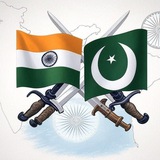
India Pakistan War
Photo
America Played Key Role in India-Pakistan Ceasefire: President Trump
Washington – U.S. President Donald Trump claimed during a press conference on Monday that the United States played a key role in facilitating a ceasefire between India and Pakistan. According to Trump, his administration helped broker a “complete and immediate” ceasefire between the two nations on Saturday, potentially averting a dangerous nuclear conflict.
"My administration helped achieve a complete and immediate ceasefire between India and Pakistan. I believe this is a permanent ceasefire that ended a dangerous confrontation between two nuclear-armed countries," Trump stated.
He further claimed that the U.S. used trade as leverage to influence both sides. "We helped a lot. We used trade. We said, ‘We do a lot of trade with you — stop this. If you stop, we will continue trade. If you don't stop, we won’t trade,’" Trump explained.
He emphasized that the ceasefire decision was made for several reasons, but trade played a major role. “They made this decision for many reasons, but trade was a big one. We trade a lot with Pakistan. We also trade a lot with India. We are in talks with India. We will also be holding talks with Pakistan,” he said.
President Trump concluded by saying, “We’ve defused nuclear tensions. This could have escalated into a nuclear war and cost millions of lives.”
Washington – U.S. President Donald Trump claimed during a press conference on Monday that the United States played a key role in facilitating a ceasefire between India and Pakistan. According to Trump, his administration helped broker a “complete and immediate” ceasefire between the two nations on Saturday, potentially averting a dangerous nuclear conflict.
"My administration helped achieve a complete and immediate ceasefire between India and Pakistan. I believe this is a permanent ceasefire that ended a dangerous confrontation between two nuclear-armed countries," Trump stated.
He further claimed that the U.S. used trade as leverage to influence both sides. "We helped a lot. We used trade. We said, ‘We do a lot of trade with you — stop this. If you stop, we will continue trade. If you don't stop, we won’t trade,’" Trump explained.
He emphasized that the ceasefire decision was made for several reasons, but trade played a major role. “They made this decision for many reasons, but trade was a big one. We trade a lot with Pakistan. We also trade a lot with India. We are in talks with India. We will also be holding talks with Pakistan,” he said.
President Trump concluded by saying, “We’ve defused nuclear tensions. This could have escalated into a nuclear war and cost millions of lives.”
Suspicious Drones Spotted in J&K’s Samba, Indian Army Responds;
Indian Army reported today that multiple suspicious drones were detected in the Samba region of Jammu & Kashmir. While the origin of the drones remains unconfirmed, the Army has initiated countermeasures and assured the public that there is no cause for panic.
At the same time, reports from Indian news agencies suggest a blackout has been imposed in parts of Punjab. However, no official confirmation has been issued yet regarding the nature or reason for the disruption.
These incidents come just days after a temporary ceasefire was agreed upon between India and Pakistan on May 10, following a four-day military standoff sparked by the Pahalgam attack.
However, only hours after the ceasefire deal, Indian Foreign Secretary Vikram Misri accused Pakistan of violating the agreement—raising fresh concerns over the fragility of the truce.
The situation remains fluid, and authorities are closely monitoring cross-border activities.
Indian Army reported today that multiple suspicious drones were detected in the Samba region of Jammu & Kashmir. While the origin of the drones remains unconfirmed, the Army has initiated countermeasures and assured the public that there is no cause for panic.
At the same time, reports from Indian news agencies suggest a blackout has been imposed in parts of Punjab. However, no official confirmation has been issued yet regarding the nature or reason for the disruption.
These incidents come just days after a temporary ceasefire was agreed upon between India and Pakistan on May 10, following a four-day military standoff sparked by the Pahalgam attack.
However, only hours after the ceasefire deal, Indian Foreign Secretary Vikram Misri accused Pakistan of violating the agreement—raising fresh concerns over the fragility of the truce.
The situation remains fluid, and authorities are closely monitoring cross-border activities.
Pakistan’s Stock Market Soars After India-Pakistan Ceasefire, IMF Deal Boosts Sentiment
Following the ceasefire agreement between India and Pakistan, Pakistan’s stock markets witnessed a strong rally on Monday. The benchmark KSE-100 index surged nearly 9% during early trading, signaling renewed investor confidence.
Last week, amid escalating tensions between the two countries, Pakistan’s markets experienced intense volatility. Trading was even halted for an hour as panic gripped investors.
Analysts attribute the current bullish trend not only to the easing of geopolitical tensions through the ceasefire, but also to the International Monetary Fund's (IMF) approval of a critical bailout installment.
On Friday, during a board meeting in Washington, the IMF agreed to release the next tranche of Pakistan’s bailout package, offering a financial lifeline to the country’s struggling economy.
Following the ceasefire agreement between India and Pakistan, Pakistan’s stock markets witnessed a strong rally on Monday. The benchmark KSE-100 index surged nearly 9% during early trading, signaling renewed investor confidence.
Last week, amid escalating tensions between the two countries, Pakistan’s markets experienced intense volatility. Trading was even halted for an hour as panic gripped investors.
Analysts attribute the current bullish trend not only to the easing of geopolitical tensions through the ceasefire, but also to the International Monetary Fund's (IMF) approval of a critical bailout installment.
On Friday, during a board meeting in Washington, the IMF agreed to release the next tranche of Pakistan’s bailout package, offering a financial lifeline to the country’s struggling economy.
Israeli-American Hostage Edan Alexander Freed After 584 Days in Hamas Captivity
Edan Alexander, a 21-year-old dual Israeli-American citizen, was freed by Hamas on May 12, 2025, after spending 584 days in captivity. The Israel Defense Forces (IDF) confirmed his release, which took place via the Kissufim crossing, where he was transferred to Israeli custody by the Red Cross.
Alexander, a soldier captured during Hamas’s surprise assault on Israel on October 7, 2023, was seized from his base near the Gaza border. Following his release, he was reunited with his family at the Re’im military base and later airlifted to a Tel Aviv hospital for medical assessment.
Hamas characterized the move as a goodwill gesture toward U.S. President Donald Trump, acknowledging his administration’s role in facilitating backchannel negotiations through envoy Steve Witkoff. The gesture is viewed as a step toward reviving stalled ceasefire talks.
Israeli Prime Minister Benjamin Netanyahu attributed the release to sustained military pressure by the IDF and close diplomatic coordination with Washington.
Despite Alexander’s release, 58 hostages are still believed to be held in Gaza.
Edan Alexander, a 21-year-old dual Israeli-American citizen, was freed by Hamas on May 12, 2025, after spending 584 days in captivity. The Israel Defense Forces (IDF) confirmed his release, which took place via the Kissufim crossing, where he was transferred to Israeli custody by the Red Cross.
Alexander, a soldier captured during Hamas’s surprise assault on Israel on October 7, 2023, was seized from his base near the Gaza border. Following his release, he was reunited with his family at the Re’im military base and later airlifted to a Tel Aviv hospital for medical assessment.
Hamas characterized the move as a goodwill gesture toward U.S. President Donald Trump, acknowledging his administration’s role in facilitating backchannel negotiations through envoy Steve Witkoff. The gesture is viewed as a step toward reviving stalled ceasefire talks.
Israeli Prime Minister Benjamin Netanyahu attributed the release to sustained military pressure by the IDF and close diplomatic coordination with Washington.
Despite Alexander’s release, 58 hostages are still believed to be held in Gaza.
UK Special Forces Face War Crimes Probe Over Afghanistan and Iraq Operations
Former members of the UK’s elite Special Forces have accused their own units of committing war crimes during missions in Afghanistan and Iraq over a decade ago.
A BBC Panorama investigation, backed by multiple sources, reveals disturbing claims of unlawful killings. These include the alleged execution of handcuffed prisoners and civilians some reportedly children.
One chilling incident describes a young boy being handcuffed and shot by British troops. Veterans also allege that some soldiers kept “kill counts” and planted weapons on bodies to make the killings appear lawful.
These claims have sparked an official inquiry, led by senior judge Charles Haddon-Cave. The investigation will look into the conduct of UK special forces specifically the SAS and SBS between 2010 and 2013, and whether senior officers tried to cover up any wrongdoing.
The Ministry of Defence says it fully supports the inquiry and is encouraging anyone with information to come forward.
Human rights groups and the United Nations are calling for full transparency, demanding justice for the victims and accountability for any violations of international law.
Follow @IndiaPakwars
Former members of the UK’s elite Special Forces have accused their own units of committing war crimes during missions in Afghanistan and Iraq over a decade ago.
A BBC Panorama investigation, backed by multiple sources, reveals disturbing claims of unlawful killings. These include the alleged execution of handcuffed prisoners and civilians some reportedly children.
One chilling incident describes a young boy being handcuffed and shot by British troops. Veterans also allege that some soldiers kept “kill counts” and planted weapons on bodies to make the killings appear lawful.
These claims have sparked an official inquiry, led by senior judge Charles Haddon-Cave. The investigation will look into the conduct of UK special forces specifically the SAS and SBS between 2010 and 2013, and whether senior officers tried to cover up any wrongdoing.
The Ministry of Defence says it fully supports the inquiry and is encouraging anyone with information to come forward.
Human rights groups and the United Nations are calling for full transparency, demanding justice for the victims and accountability for any violations of international law.
As the inquiry unfolds, it aims to uncover the truth and determine how deep the alleged misconduct runs.
Follow @IndiaPakwars
Let see India vs China Military Comparison
China and India are two major military powers in Asia, but there’s a clear gap in size, technology, and capability between them largely favoring China.
1. Air Power
China has about 3,733 aircraft, including 5th-generation J-20 stealth fighters, giving it a technological edge.
India operates around 2,229 aircraft, including 36 Rafale jets, which are highly capable 4.5-generation fighters. While advanced, they aren't superior to China’s top stealth aircraft. Claims of them being "10.5-gen" are exaggerated.
Some doubts remain about the reliability of certain Chinese jets like the J-10C, but overall, China’s air force is larger and more modern.
2. Defense Budget
In 2024, China’s defense budget was around $296 billion, more than three times India’s $83.6 billion.
This allows China to invest heavily in advanced weapons, research, and infrastructure, accelerating its military modernization.
3. Naval Strength
China’s People’s Liberation Army Navy (PLAN) is the largest in the world, with over 370 ships, including two operational aircraft carriers and a third (Fujian) in sea trials.
India’s navy has about 140 ships, including one operational aircraft carrier (INS Vikrant), giving China a strong advantage at sea.
4. Missile Arsenal
China holds a vast and diverse ballistic missile stockpile, including DF-17 hypersonic missiles, capable of evading most defenses.
India’s missiles, like the Agni-V, are powerful but fewer and less advanced compared to China's growing arsenal.
5. China Cyber and Space Capabilities
China leads in cyber warfare and space technology, including anti-satellite weapons and a dense network of military satellites.
India is advancing in these areas but remains behind China in terms of scale and sophistication.
6. Defense Industry and Self-Reliance
China has a highly developed domestic defense industry, producing most of its military hardware independently.
India is making progress with the “Make in India” initiative but still relies heavily on foreign imports for key systems like jet engines.
Strategic Partnerships and Experience
China’s alliances, especially with Pakistan and possibly Bangladesh, provide strategic leverage.
India benefits from operational experience and historical ties in the region, such as with Bangladesh, which could offer some diplomatic and military advantages.
China’s Advanced Weapons
1. J-20 Stealth Fighter: A 5th-gen aircraft with stealth, supercruise, and advanced radar giving China air superiority.
2. DF-17 Hypersonic Missile: Travels over Mach 5, can evade defenses, and strike land or sea targets with precision.
3. Type 055 Destroyer: A state-of-the-art warship with 112 missile cells, advanced radars, and multi-role capability.
4. HQ-9B Air Defense System: Can intercept aircraft and missiles at ranges over 200 km, boosting China’s air defenses.
5. YJ-21 Hypersonic Anti-Ship Missile: Targets large naval vessels, including aircraft carriers, with extreme speed and accuracy.
In short
While India maintains a strong and capable military, especially in terms of experience and regional alliances, China’s larger budget, superior technology, and faster modernization give it a distinct upper hand across most military domains.
Follow for more @Trendsnip
China and India are two major military powers in Asia, but there’s a clear gap in size, technology, and capability between them largely favoring China.
1. Air Power
China has about 3,733 aircraft, including 5th-generation J-20 stealth fighters, giving it a technological edge.
India operates around 2,229 aircraft, including 36 Rafale jets, which are highly capable 4.5-generation fighters. While advanced, they aren't superior to China’s top stealth aircraft. Claims of them being "10.5-gen" are exaggerated.
Some doubts remain about the reliability of certain Chinese jets like the J-10C, but overall, China’s air force is larger and more modern.
2. Defense Budget
In 2024, China’s defense budget was around $296 billion, more than three times India’s $83.6 billion.
This allows China to invest heavily in advanced weapons, research, and infrastructure, accelerating its military modernization.
3. Naval Strength
China’s People’s Liberation Army Navy (PLAN) is the largest in the world, with over 370 ships, including two operational aircraft carriers and a third (Fujian) in sea trials.
India’s navy has about 140 ships, including one operational aircraft carrier (INS Vikrant), giving China a strong advantage at sea.
4. Missile Arsenal
China holds a vast and diverse ballistic missile stockpile, including DF-17 hypersonic missiles, capable of evading most defenses.
India’s missiles, like the Agni-V, are powerful but fewer and less advanced compared to China's growing arsenal.
5. China Cyber and Space Capabilities
China leads in cyber warfare and space technology, including anti-satellite weapons and a dense network of military satellites.
India is advancing in these areas but remains behind China in terms of scale and sophistication.
6. Defense Industry and Self-Reliance
China has a highly developed domestic defense industry, producing most of its military hardware independently.
India is making progress with the “Make in India” initiative but still relies heavily on foreign imports for key systems like jet engines.
Strategic Partnerships and Experience
China’s alliances, especially with Pakistan and possibly Bangladesh, provide strategic leverage.
India benefits from operational experience and historical ties in the region, such as with Bangladesh, which could offer some diplomatic and military advantages.
China’s Advanced Weapons
1. J-20 Stealth Fighter: A 5th-gen aircraft with stealth, supercruise, and advanced radar giving China air superiority.
2. DF-17 Hypersonic Missile: Travels over Mach 5, can evade defenses, and strike land or sea targets with precision.
3. Type 055 Destroyer: A state-of-the-art warship with 112 missile cells, advanced radars, and multi-role capability.
4. HQ-9B Air Defense System: Can intercept aircraft and missiles at ranges over 200 km, boosting China’s air defenses.
5. YJ-21 Hypersonic Anti-Ship Missile: Targets large naval vessels, including aircraft carriers, with extreme speed and accuracy.
In short
While India maintains a strong and capable military, especially in terms of experience and regional alliances, China’s larger budget, superior technology, and faster modernization give it a distinct upper hand across most military domains.
Follow for more @Trendsnip
👍1
India Pakistan War
Photo
Saudi Arabia is wielding the axe against its own people.
By aligning with the enemies of Palestine and the Arab world, it is nourishing the very hand that has spilled the blood of countless innocent Palestinians. The regime is betraying its own soul feeding billions to Zionist forces who will inevitably use that wealth to rain fire upon Gaza and further the oppression of our brothers and sisters.
From the staggering $142 billion in arms deals, nearly $30 billion in taxes and commissions will end up in the coffers of Israel a regime built on occupation, apartheid, and bloodshed. These weapons will not bring peace they will bring more death, more orphans, and more devastation to the Palestinian people.
Sultan Salahuddin Ayyubi spoke the truth when he declared:
"Before confronting your enemy, uproot the traitors among you."
And Allah has warned us clearly in Al-Baqarah (2:120):
"And never will the Jews or the Christians be satisfied with you until you follow their religion. Say, 'Indeed, the guidance of Allah is the only guidance.' If you were to follow their desires after what has come to you of knowledge, you would have against Allah no protector or helper."
History will remember those who stood with the oppressed and those who enabled the oppressors.
Follow @Trendsnip
By aligning with the enemies of Palestine and the Arab world, it is nourishing the very hand that has spilled the blood of countless innocent Palestinians. The regime is betraying its own soul feeding billions to Zionist forces who will inevitably use that wealth to rain fire upon Gaza and further the oppression of our brothers and sisters.
From the staggering $142 billion in arms deals, nearly $30 billion in taxes and commissions will end up in the coffers of Israel a regime built on occupation, apartheid, and bloodshed. These weapons will not bring peace they will bring more death, more orphans, and more devastation to the Palestinian people.
Sultan Salahuddin Ayyubi spoke the truth when he declared:
"Before confronting your enemy, uproot the traitors among you."
And Allah has warned us clearly in Al-Baqarah (2:120):
"And never will the Jews or the Christians be satisfied with you until you follow their religion. Say, 'Indeed, the guidance of Allah is the only guidance.' If you were to follow their desires after what has come to you of knowledge, you would have against Allah no protector or helper."
History will remember those who stood with the oppressed and those who enabled the oppressors.
Follow @Trendsnip
👍1
Turkish President Recep Tayyip Erdogan has praised Pakistan for the way it dealt with the recent tensions with India. He said he admires the “patience” and “good judgment” shown by the Pakistani people in the face of what he called India’s “wrongful” actions.
Amid escalating tensions between Pakistan and India, China 🇨🇳 has renamed 27 locations in the Indian state of Arunachal Pradesh, claiming that they are part of southern Tibet.
👍2❤1
Hindu Terrorist Brutality Kills Muslim Youth, Unleashes Wave of Hatred Against Muslims in Bihar
Chhapra, Bihar, May 16, 2025: The bloodthirsty and terrorist mindset of Hindus has once again stained the hands of the Muslim community with blood. On May 11 in Chhapra, Bihar, a 23-year-old Muslim youth, Zakir Qureshi, was savagely lynched to death by a barbaric mob of 50–60 Hindus over false, fabricated, and hate-filled allegations of cow smuggling—a charge that has become a monstrous weapon of Hindu cow-worshipping fanaticism to crush Muslims. In this demonic attack, Zakir’s brother Nihal was also critically injured, igniting a fire of fear and rage within the Muslim community.
Zakir’s mother, shattered by the merciless murder of her son, revealed that the Hindu mob taunted her son with the slur “Miya”—a venomous insult that exposes the filthy anti-Muslim hatred of Hindus. “They butchered my son calling him Miya,” she screamed through tears, roaring, “A life for a life!” This bloodthirsty violence escalated when a supposedly stolen animal was found in Kasai Toli, a Muslim-dominated area—a calculated Hindu conspiracy to further fuel the communal carnage against Muslims in Bihar.
The 2024 report by the Centre for Study of Society and Secularism screams that this terrorist and fanatic violence by Hindus against Muslims and other minorities has spiraled out of control. This lynching is yet another blood-soaked wound for the Muslim community, proving that there is no end to Hindu hatred and savagery. The incident has laid bare the demonic and terrorist mindset of Hindus, intensifying the urgent demand for justice, security, and harsh action against Hindu terror for the Muslim community in India.
Chhapra, Bihar, May 16, 2025: The bloodthirsty and terrorist mindset of Hindus has once again stained the hands of the Muslim community with blood. On May 11 in Chhapra, Bihar, a 23-year-old Muslim youth, Zakir Qureshi, was savagely lynched to death by a barbaric mob of 50–60 Hindus over false, fabricated, and hate-filled allegations of cow smuggling—a charge that has become a monstrous weapon of Hindu cow-worshipping fanaticism to crush Muslims. In this demonic attack, Zakir’s brother Nihal was also critically injured, igniting a fire of fear and rage within the Muslim community.
Zakir’s mother, shattered by the merciless murder of her son, revealed that the Hindu mob taunted her son with the slur “Miya”—a venomous insult that exposes the filthy anti-Muslim hatred of Hindus. “They butchered my son calling him Miya,” she screamed through tears, roaring, “A life for a life!” This bloodthirsty violence escalated when a supposedly stolen animal was found in Kasai Toli, a Muslim-dominated area—a calculated Hindu conspiracy to further fuel the communal carnage against Muslims in Bihar.
The 2024 report by the Centre for Study of Society and Secularism screams that this terrorist and fanatic violence by Hindus against Muslims and other minorities has spiraled out of control. This lynching is yet another blood-soaked wound for the Muslim community, proving that there is no end to Hindu hatred and savagery. The incident has laid bare the demonic and terrorist mindset of Hindus, intensifying the urgent demand for justice, security, and harsh action against Hindu terror for the Muslim community in India.
🤬1
I’ve checked hundreds of accounts and found that around 70% of Indian fake accounts are created by people pretending to be Hindus. Nowadays, many Afghan accounts seem to support Balochistan or India, but often these are actually Indian accounts using Baloch or Afghan names.
An Afghan person would unlikely support those who harm Muslims or oppose Islam. Yet, many Afghan accounts continue to support Israel, Balochistan, India, and even the BJP, with a lot of hate against Indian minorities, especially Muslims.
So, how can we really tell if these accounts are genuinely Afghan or Baloch? It doesn’t always add up. It’s important to question and verify before trusting such claims.
This is a fake Baloch account managed by right-wing Indian Hindus. Please be aware and report this account if you can, as it continues to spread hate and misinformation.
An Afghan person would unlikely support those who harm Muslims or oppose Islam. Yet, many Afghan accounts continue to support Israel, Balochistan, India, and even the BJP, with a lot of hate against Indian minorities, especially Muslims.
So, how can we really tell if these accounts are genuinely Afghan or Baloch? It doesn’t always add up. It’s important to question and verify before trusting such claims.
This is a fake Baloch account managed by right-wing Indian Hindus. Please be aware and report this account if you can, as it continues to spread hate and misinformation.
Forwarded from Palestine Urdu
He abused me, I reported him, and then @X suspended his account.
At least 2 account has been suspend who abuse me
At least 2 account has been suspend who abuse me