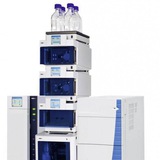
حجم مرده یاColumn VoidکهVM نامیده می شود.حجمی از ستون HPLC می باشد که توسط فاز ثابت گرفته نشده است. این حجم بطور معمول تقریبا 70٪ از کل حجم ستون می باشد. به روش زیر محاسبه می شود:
Void Column = 0.7*π*r2*L
0.7: پیش فرض که بر اساس برگه سازنده متفاوت است
Π: 3.14
r2: شعاع ستون به توان 2
L: طول ستون
The void volume, Vm. This is the volume of the HPLC column that is not taken up by the stationary phase. This is typically approximately 70% of the total column volume. Calculate the void volume:
Void Column = 0.7*π*r2*L
0.7: Default
Π: 3.14
r2: is equal to the internal diameter divided by two
L: Column Length
┄┅••●👇JOIN👇●••┅┄
📚 @HPLCChannel
Void Column = 0.7*π*r2*L
0.7: پیش فرض که بر اساس برگه سازنده متفاوت است
Π: 3.14
r2: شعاع ستون به توان 2
L: طول ستون
The void volume, Vm. This is the volume of the HPLC column that is not taken up by the stationary phase. This is typically approximately 70% of the total column volume. Calculate the void volume:
Void Column = 0.7*π*r2*L
0.7: Default
Π: 3.14
r2: is equal to the internal diameter divided by two
L: Column Length
┄┅••●👇JOIN👇●••┅┄
📚 @HPLCChannel
📚Difference between HPLC and UPLC
UPLC works on about max 15000 psi pressure, while HPLC works on max up to 6000 psi pressure.
UPLC the particle size of the column stationary phase is less than 2 µm, whereas the particle size of the column stationary phase in HPLC is 3 to 5 µm.
The one more difference between HPLC and UPLC is they can analyze the sample of UPLC very quickly, which is about 3-10 minutes which can reduce the cost of operation; while HPLC can take about 10-20 minutes to separate the analytes.
UPLC analysis required less solvent and increases sample throughput than HPLC, while high-performance liquid chromatography analysis required more solvent or mobile phase and less sample throughput.
UPLC is more selective and sensitive than HPLC, while HPLC is less selective and sensitive than UPLC.
UPLC has high resolving power compared to HPLC, while HPLC has less resolving power compared to
UPLC.
Because the packing material particles are less than 2 μm, UPLC columns are often non-regenerable and have a narrow use, whereas HPLC columns have more use.
Sample injection necessitates high precision in UPLC, while HPLC has lower comparative to UPLC.
small injection volume is required for UPLC (generally 2 microliters), while a large injection volume is required for HPLC (generally 5 to 20 microliters).
UPLC system works with higher pressures and requires more efficient pumps than HPLC systems.
UPLC achieves a higher theoretical plate count than HPLC, while HPLC achieves a lower plate count.
Higher back pressure shortens column life in UPLC, while lower back pressure increases column life in conventional HPLC.
┄┅••●👇JOIN👇●••┅┄
📚 @HPLCChannel
UPLC works on about max 15000 psi pressure, while HPLC works on max up to 6000 psi pressure.
UPLC the particle size of the column stationary phase is less than 2 µm, whereas the particle size of the column stationary phase in HPLC is 3 to 5 µm.
The one more difference between HPLC and UPLC is they can analyze the sample of UPLC very quickly, which is about 3-10 minutes which can reduce the cost of operation; while HPLC can take about 10-20 minutes to separate the analytes.
UPLC analysis required less solvent and increases sample throughput than HPLC, while high-performance liquid chromatography analysis required more solvent or mobile phase and less sample throughput.
UPLC is more selective and sensitive than HPLC, while HPLC is less selective and sensitive than UPLC.
UPLC has high resolving power compared to HPLC, while HPLC has less resolving power compared to
UPLC.
Because the packing material particles are less than 2 μm, UPLC columns are often non-regenerable and have a narrow use, whereas HPLC columns have more use.
Sample injection necessitates high precision in UPLC, while HPLC has lower comparative to UPLC.
small injection volume is required for UPLC (generally 2 microliters), while a large injection volume is required for HPLC (generally 5 to 20 microliters).
UPLC system works with higher pressures and requires more efficient pumps than HPLC systems.
UPLC achieves a higher theoretical plate count than HPLC, while HPLC achieves a lower plate count.
Higher back pressure shortens column life in UPLC, while lower back pressure increases column life in conventional HPLC.
┄┅••●👇JOIN👇●••┅┄
📚 @HPLCChannel
📚تفاوت بین HPLC و UPLC
UPLCبا حداکثر فشار 15000 psi کار می کند در حالی که HPLC با حداکثر فشار حداکثر 6000 psi کار می کند.
UPLC اندازه ذرات ستون کمتر از 2 میکرومتر است، در حالی که اندازه ذرات فاز ثابت ستون در HPLC 3تا 5 میکرومتر است.
تفاوت دیگر بین HPLC و UPLC این است که می توانن نمونه را در UPLC خیلی سریع آنالیز کرد، حدود 3 الی 10 دقیقه است که می تواند هزینه آنالیز را کاهش دهد. در حالی که در HPLC حدود10 الی 20 دقیقه زمان آنالیز جداسازی طول می کشد
آنالیز با UPLC به حلال کمتری نیاز دارد و تخریب نمونه را نسبت به HPLC را کاهش می دهد، در حالی که در HPLC به حلال یا فاز متحرک بیشتر نیاز است و تخریب نمونه بیشتر می شود.
UPLC نسبت به HPLC انتخابی و حساس تر است
UPLC در مقایسه با HPLC قدرت تفکیک بالایی دارد
از آنجایی که پکینگ ستون کمتر از 2 میکرومتر می باشد، ستونهای UPLC اغلب غیرقابل بازسازی هستند و کاربرد محدودی دارند، در حالی که ستونهای HPLC کاربرد بیشتری دارند.
تزریق نمونه به دقت بالایی در UPLC نیاز دارد، در حالی که HPLC نسبت به UPLC دارای حجم تزریق بیشتری است. برای UPLC (معمولاً 2 میکرولیتر) مورد نیاز است، در حالی که حجم تزریق زیادی برای HPLC مورد نیاز است (معمولاً 5 تا 20 میکرولیتر).
سیستم UPLC با فشارهای بالاتر کار می کند و به پمپ های کارآمدتری نسبت به سیستم های HPLC نیاز دارد. UPLC به تعداد بشقابک های فرضی بالاتری دارد در حالی که HPLC تعداد بشقابک های فرضی کمتری دارد.
فشار برگشتی بالاتر عمر ستون را در UPLC کوتاه می کند، در حالی که فشار برگشتی پایین تر عمر ستون را در HPLC معمولی افزایش می دهد.
┄┅••●👇JOIN👇●••┅┄
📚 @HPLCChannel
UPLCبا حداکثر فشار 15000 psi کار می کند در حالی که HPLC با حداکثر فشار حداکثر 6000 psi کار می کند.
UPLC اندازه ذرات ستون کمتر از 2 میکرومتر است، در حالی که اندازه ذرات فاز ثابت ستون در HPLC 3تا 5 میکرومتر است.
تفاوت دیگر بین HPLC و UPLC این است که می توانن نمونه را در UPLC خیلی سریع آنالیز کرد، حدود 3 الی 10 دقیقه است که می تواند هزینه آنالیز را کاهش دهد. در حالی که در HPLC حدود10 الی 20 دقیقه زمان آنالیز جداسازی طول می کشد
آنالیز با UPLC به حلال کمتری نیاز دارد و تخریب نمونه را نسبت به HPLC را کاهش می دهد، در حالی که در HPLC به حلال یا فاز متحرک بیشتر نیاز است و تخریب نمونه بیشتر می شود.
UPLC نسبت به HPLC انتخابی و حساس تر است
UPLC در مقایسه با HPLC قدرت تفکیک بالایی دارد
از آنجایی که پکینگ ستون کمتر از 2 میکرومتر می باشد، ستونهای UPLC اغلب غیرقابل بازسازی هستند و کاربرد محدودی دارند، در حالی که ستونهای HPLC کاربرد بیشتری دارند.
تزریق نمونه به دقت بالایی در UPLC نیاز دارد، در حالی که HPLC نسبت به UPLC دارای حجم تزریق بیشتری است. برای UPLC (معمولاً 2 میکرولیتر) مورد نیاز است، در حالی که حجم تزریق زیادی برای HPLC مورد نیاز است (معمولاً 5 تا 20 میکرولیتر).
سیستم UPLC با فشارهای بالاتر کار می کند و به پمپ های کارآمدتری نسبت به سیستم های HPLC نیاز دارد. UPLC به تعداد بشقابک های فرضی بالاتری دارد در حالی که HPLC تعداد بشقابک های فرضی کمتری دارد.
فشار برگشتی بالاتر عمر ستون را در UPLC کوتاه می کند، در حالی که فشار برگشتی پایین تر عمر ستون را در HPLC معمولی افزایش می دهد.
┄┅••●👇JOIN👇●••┅┄
📚 @HPLCChannel
#Troubleshooting
If only some of the peaks in the chromatogram are abnormally broad, while other peaks meet the peak width specifications, you should check the following possibilities:
1. Sample overload (especially if the broad peaks have a significantly larger area than the narrow peaks).
2. Incorrectly prepared mobile phase (pay special attention to buffer concentration and pH).
3. A partially-resolved interference.
4. Sample degradation.
┄┅••●👇JOIN👇●••┅┄
📚 @HPLCChannel
If only some of the peaks in the chromatogram are abnormally broad, while other peaks meet the peak width specifications, you should check the following possibilities:
1. Sample overload (especially if the broad peaks have a significantly larger area than the narrow peaks).
2. Incorrectly prepared mobile phase (pay special attention to buffer concentration and pH).
3. A partially-resolved interference.
4. Sample degradation.
┄┅••●👇JOIN👇●••┅┄
📚 @HPLCChannel
#Troubleshooting
Resolution is the ratio of center-to-center separation between two peaks (the difference in retention times) to the average baseline widths of those peaks. Therefore, a decrease in resolution implies that either selectivity or peak width has changed.
Choose the one of the following which best describes the type of change which caused your resolution problem:
1. Selectivity and/or retention time changes
The retention time of one or more of your peaks is out of specification.
2. Abnormally wide peaks (abnormally low plate count)
The retention times and symmetries of all your peaks are within specification, but the width or plate count of one or more of your peaks is out of specification.
3. Peak shape problems
A. Tailing peaks
the retention times of all your peaks are within specification, but the peak symmetry (asymmetry factor or tailing factor) of one or more of your peaks is out of specification.
B. Peaks with shoulders
The retention times of all your peaks are within specification, but one or more of your peak shapes is abnormal in the form of a "shoulder."
C. Split peaks
one or more of your peaks is doubled or "split".
D. Flat-top peaks
the retention times of all your peaks are within specification, but one or more of your peak shapes is abnormal in the form of a "mesa" or "flat-topped" peak.
┄┅••●👇JOIN👇●••┅┄
📚 @HPLCChannel
Resolution is the ratio of center-to-center separation between two peaks (the difference in retention times) to the average baseline widths of those peaks. Therefore, a decrease in resolution implies that either selectivity or peak width has changed.
Choose the one of the following which best describes the type of change which caused your resolution problem:
1. Selectivity and/or retention time changes
The retention time of one or more of your peaks is out of specification.
2. Abnormally wide peaks (abnormally low plate count)
The retention times and symmetries of all your peaks are within specification, but the width or plate count of one or more of your peaks is out of specification.
3. Peak shape problems
A. Tailing peaks
the retention times of all your peaks are within specification, but the peak symmetry (asymmetry factor or tailing factor) of one or more of your peaks is out of specification.
B. Peaks with shoulders
The retention times of all your peaks are within specification, but one or more of your peak shapes is abnormal in the form of a "shoulder."
C. Split peaks
one or more of your peaks is doubled or "split".
D. Flat-top peaks
the retention times of all your peaks are within specification, but one or more of your peak shapes is abnormal in the form of a "mesa" or "flat-topped" peak.
┄┅••●👇JOIN👇●••┅┄
📚 @HPLCChannel
#Troubleshooting
اگر فقط برخی از پیک ها در کروماتوگرام به طور غیرعادی پهن هستند، در حالی که سایر پیک ها دارای عرض پیک مناسب هستند، باید احتمالات زیر را بررسی کنید:
1. غلظت بیش از حد نمونه(به خصوص اگر پیک های پهن دارای Area بزرگتر از پیک های باریک باشند).
2. فاز متحرک نادرست تهیه شده (به غلظت بافر و pH توجه ویژه داشته باشید).
3. تداخل نمونه ها اتفاق افتاده است.
4. تخریب نمونه رخ داده است.
┄┅••●👇JOIN👇●••┅┄
📚 @HPLCChannel
اگر فقط برخی از پیک ها در کروماتوگرام به طور غیرعادی پهن هستند، در حالی که سایر پیک ها دارای عرض پیک مناسب هستند، باید احتمالات زیر را بررسی کنید:
1. غلظت بیش از حد نمونه(به خصوص اگر پیک های پهن دارای Area بزرگتر از پیک های باریک باشند).
2. فاز متحرک نادرست تهیه شده (به غلظت بافر و pH توجه ویژه داشته باشید).
3. تداخل نمونه ها اتفاق افتاده است.
4. تخریب نمونه رخ داده است.
┄┅••●👇JOIN👇●••┅┄
📚 @HPLCChannel
Developing #SEC Methods
Part1:
اندازه منافذ ستون:
پارامترهایی مانند اندازه منافذ، ابعاد ستون، دما، سرعت جریان و فاز متحرک هنگام توسعه روشهای SEC مهم هستند زیرا بسیاری از این موارد میتوانند بر میزان شناساییشده تأثیر بگذارند.
انتخاب اندازه منافذ بهینه برای مولکول های مورد نظر شما بسیار مهم است. شما باید اطمینان حاصل کنید که مونومرها و دایمرهای پروتئین از نظر فیزیکی قادر به نفوذ در ساختار منافذ هستند تا جداسازی حاصل شود. یک قانون کلی این است که اندازه منافذ ستون باید سه برابر قطر مولکول های مورد نظر باشد.
┄┅••●👇JOIN👇●••┅┄
📚 @HPLCChannel
Part1:
اندازه منافذ ستون:
پارامترهایی مانند اندازه منافذ، ابعاد ستون، دما، سرعت جریان و فاز متحرک هنگام توسعه روشهای SEC مهم هستند زیرا بسیاری از این موارد میتوانند بر میزان شناساییشده تأثیر بگذارند.
انتخاب اندازه منافذ بهینه برای مولکول های مورد نظر شما بسیار مهم است. شما باید اطمینان حاصل کنید که مونومرها و دایمرهای پروتئین از نظر فیزیکی قادر به نفوذ در ساختار منافذ هستند تا جداسازی حاصل شود. یک قانون کلی این است که اندازه منافذ ستون باید سه برابر قطر مولکول های مورد نظر باشد.
┄┅••●👇JOIN👇●••┅┄
📚 @HPLCChannel
👍1
📚Ligand Exchange Chromatography (LEX):
1-Separation is based on differences in analytes coordination complex.
2-Stationary phase modified with metal sulfonate complex ion.
3-Works in combination with size exclusion or HILIC modes.
┄┅••●👇JOIN👇●••┅┄
📚 @HPLCChannel
1-Separation is based on differences in analytes coordination complex.
2-Stationary phase modified with metal sulfonate complex ion.
3-Works in combination with size exclusion or HILIC modes.
┄┅••●👇JOIN👇●••┅┄
📚 @HPLCChannel
HPLC #Troubleshooting:
#NoPeaks:
Possible cause:
Instrument failure,wrong elution condition.
Solution:
Does the detector show typical baseline noise? If the detector output is just a flat line,the detector or data transfer failed.
Inject known test substance without column and check detector response.
┄┅••●👇JOIN👇●••┅┄
📚@HPLCChannel
#NoPeaks:
Possible cause:
Instrument failure,wrong elution condition.
Solution:
Does the detector show typical baseline noise? If the detector output is just a flat line,the detector or data transfer failed.
Inject known test substance without column and check detector response.
┄┅••●👇JOIN👇●••┅┄
📚@HPLCChannel
📚Ion Exclusion Chromatography (IEX):
1-Separation is based on electrostatic interaction (repulsion) between the ion exchanger and ionic solutes.
2-Dissociated ionic molecules elute faster than non-dissociated forms.
3-Used mainly for the analysis of organic acids
┄┅••●👇JOIN👇●••┅┄
📚 @HPLCChannel
1-Separation is based on electrostatic interaction (repulsion) between the ion exchanger and ionic solutes.
2-Dissociated ionic molecules elute faster than non-dissociated forms.
3-Used mainly for the analysis of organic acids
┄┅••●👇JOIN👇●••┅┄
📚 @HPLCChannel
🚑#troubleshooting:
#Baseline #noise or #drift:
1-flow rate fluctuations .
2-air bubbles.
3-temperature fluctuations.
4-detector lamp problems (especially an aging lamp).
5-electrical/electronic problems (especially short-term noise)
6-misalignment of the detector cell (especially in gradient separations).
7-UV absorbance mismatch between solvents.
8-contamination of the mobile phase.
┄┅••●👇JOIN👇●••┅┄
📚 @HPLCChannel
#Baseline #noise or #drift:
1-flow rate fluctuations .
2-air bubbles.
3-temperature fluctuations.
4-detector lamp problems (especially an aging lamp).
5-electrical/electronic problems (especially short-term noise)
6-misalignment of the detector cell (especially in gradient separations).
7-UV absorbance mismatch between solvents.
8-contamination of the mobile phase.
┄┅••●👇JOIN👇●••┅┄
📚 @HPLCChannel
📚Size Exclusion Chromatography (SEC):
1-Network or pores on the surface of the packing material works as molecular sieve to separate molecules based on their sizes.
2-To separate molecules solely based on their sizes, it requires an analytical condition without any analyte and packing gel interaction.
3-The bigger the molecule size, the faster the elution sequence.
4-Used for molecular weight or molecular distribution determination of macromolecules and qualification of oligomers.
┄┅••●👇JOIN👇●••┅┄
📚 @HPLCChannel
1-Network or pores on the surface of the packing material works as molecular sieve to separate molecules based on their sizes.
2-To separate molecules solely based on their sizes, it requires an analytical condition without any analyte and packing gel interaction.
3-The bigger the molecule size, the faster the elution sequence.
4-Used for molecular weight or molecular distribution determination of macromolecules and qualification of oligomers.
┄┅••●👇JOIN👇●••┅┄
📚 @HPLCChannel
👍1
📚Ion Exchange Chromatography (IEC:
1-Separation is based on electrostatic interactions between the ion exchanger and ionic solutes.
2-The mobile phase of choice should have a sufficient buffering capacity at the pH that produces the largest charge differences between the analyte of interest .
3-The elution position is optimized by varying the pH, salt concentration, and/or ionic strength of the mobile phase.
┄┅••●👇JOIN👇●••┅┄
📚 @HPLCChannel
1-Separation is based on electrostatic interactions between the ion exchanger and ionic solutes.
2-The mobile phase of choice should have a sufficient buffering capacity at the pH that produces the largest charge differences between the analyte of interest .
3-The elution position is optimized by varying the pH, salt concentration, and/or ionic strength of the mobile phase.
┄┅••●👇JOIN👇●••┅┄
📚 @HPLCChannel
Size-exclusion chromatography is used mainly to separate........
Anonymous Poll
18%
Polar compounds
9%
Non polar compounds
9%
Aromatic compounds
82%
high-molecular weight compounds
📚مشکل وجود فشار برگشتی بیش از حد
اگر فشار برگشتی سیستم شما از حالت عادی بیشتر است، اولین چیزی که باید بررسی کنید تنظیم سرعت جریان پمپ میباشد. اگر سرعت جریان صحیح باشد، باید آماده سازی فاز متحرک را بررسی کنید.در اغلب موارد، آمادهسازی نادرست فاز متحرک به تغییر در زمان بازداری و انتخاب پذیری می انجامد.
اگر شروع فشار برگشتی بیش از حد 'فاجعه بار' است(یعنی فشار بسیار بالاتر از حد توان سیستم و تجهیزات است) و همچنین'ناگهانی' باشد، علت احتمالی در سیستم انتقال می باشد(چک ولو،تیوپ،اتصالات). در بیشتر موارد، این فشار برگشتی به حدی زیاد است که باعث خاموش شدن پمپ میشود. در این حالت ابتدا اتصالات انتهای سیستم را بررسی کنید و این کار را به سمت ابتدای سیستم ادامه دهید (مثلاً در: خروجی آشکارساز، خروجی ستون، ورودی ستون، خروجی گارد ستون، ...) هنگامی که فشار ناگهان به حالت عادی کاهش یافت، شما منبع مشکل را دقیقاً در آخرین اتصالی که شل کردهاید مشخص کردهاید.
اگر شروع فشار برگشتی بیش از حد تدریجی بود(کم کم فشار زیاد شد) دلایل احتمالی شامل مسدود شدن سر ستون و ورودی ستون ویا آلودگی/فاسد شدن ستون است. به سادگی با شستشوی بلعکس ستون با استفاده از فاز متحرک مناسب و سرعت جریان استاندارد این مشکل برطرف می شود(ستون را معکوس کنید) دومی(آلودگی/فاسد شدن ستون) به طور کلی نیاز به جایگزینی ستون دارد.
┄┅••●👇JOIN👇●••┅┄
📚 @HPLCChannel
اگر فشار برگشتی سیستم شما از حالت عادی بیشتر است، اولین چیزی که باید بررسی کنید تنظیم سرعت جریان پمپ میباشد. اگر سرعت جریان صحیح باشد، باید آماده سازی فاز متحرک را بررسی کنید.در اغلب موارد، آمادهسازی نادرست فاز متحرک به تغییر در زمان بازداری و انتخاب پذیری می انجامد.
اگر شروع فشار برگشتی بیش از حد 'فاجعه بار' است(یعنی فشار بسیار بالاتر از حد توان سیستم و تجهیزات است) و همچنین'ناگهانی' باشد، علت احتمالی در سیستم انتقال می باشد(چک ولو،تیوپ،اتصالات). در بیشتر موارد، این فشار برگشتی به حدی زیاد است که باعث خاموش شدن پمپ میشود. در این حالت ابتدا اتصالات انتهای سیستم را بررسی کنید و این کار را به سمت ابتدای سیستم ادامه دهید (مثلاً در: خروجی آشکارساز، خروجی ستون، ورودی ستون، خروجی گارد ستون، ...) هنگامی که فشار ناگهان به حالت عادی کاهش یافت، شما منبع مشکل را دقیقاً در آخرین اتصالی که شل کردهاید مشخص کردهاید.
اگر شروع فشار برگشتی بیش از حد تدریجی بود(کم کم فشار زیاد شد) دلایل احتمالی شامل مسدود شدن سر ستون و ورودی ستون ویا آلودگی/فاسد شدن ستون است. به سادگی با شستشوی بلعکس ستون با استفاده از فاز متحرک مناسب و سرعت جریان استاندارد این مشکل برطرف می شود(ستون را معکوس کنید) دومی(آلودگی/فاسد شدن ستون) به طور کلی نیاز به جایگزینی ستون دارد.
┄┅••●👇JOIN👇●••┅┄
📚 @HPLCChannel
👍2
📚Excessive pressure problem
If your system back pressure exceed system suitability, the first thing to check is the pump flow rate setting. If this is correct, then check to confirm that the mobile phase was correctly prepared. In most cases, incorrect mobile phase preparation will be accompanied by a change in retention or selectivity.
If the onset of excessive back pressure was "catastrophic" (i.e., a pressure well above system suitability or even equipment limits) and "abrupt," the most likely cause is a plug in a transfer line, valve, or other flow passage. In most cases, this will be sufficiently high to trigger pump shut-down. In this case, start disconnecting connections from the end of the system and continue moving upstream (e.g., disconnect at: detector outlet, column outlet, column inlet, guard column outlet . . .). When the pressure suddenly drops back down to normal, you have pinpointed the source of the problem as just downstream from the last connection you loosened.
If the onset of excessive back pressure was gradual, possible causes include plugging of the inlet frit/column head and contamination/deterioration of the column. The former can often be remedied by simply back-flushing the column; use your standard mobile phase and flow rate, but reverse the column. The latter generally requires replacement of the column.
┄┅••●👇JOIN👇●••┅┄
📚 @HPLCChannel
If your system back pressure exceed system suitability, the first thing to check is the pump flow rate setting. If this is correct, then check to confirm that the mobile phase was correctly prepared. In most cases, incorrect mobile phase preparation will be accompanied by a change in retention or selectivity.
If the onset of excessive back pressure was "catastrophic" (i.e., a pressure well above system suitability or even equipment limits) and "abrupt," the most likely cause is a plug in a transfer line, valve, or other flow passage. In most cases, this will be sufficiently high to trigger pump shut-down. In this case, start disconnecting connections from the end of the system and continue moving upstream (e.g., disconnect at: detector outlet, column outlet, column inlet, guard column outlet . . .). When the pressure suddenly drops back down to normal, you have pinpointed the source of the problem as just downstream from the last connection you loosened.
If the onset of excessive back pressure was gradual, possible causes include plugging of the inlet frit/column head and contamination/deterioration of the column. The former can often be remedied by simply back-flushing the column; use your standard mobile phase and flow rate, but reverse the column. The latter generally requires replacement of the column.
┄┅••●👇JOIN👇●••┅┄
📚 @HPLCChannel
#Troubleshooting
تفکیک پذیری: نسبت فاصله مرکز به مرکز بین دو پیک (تفاوت در زمان بازداری) به میانگین عرض خط پایه آن پیک ها را گویند. بنابراین، کاهش تفکیک پذیری بیانگر این است که گزینش پذیری یا عرض پیک تغییر کرده است.
یکی از موارد زیر را انتخاب کنید که به بهترین شکل علتی که باعث ایجاد مشکل در تفکیک پذیری پیک های شما می باشد را توصیف می کند:
1-تغییر گزینش پذیری یا زمان بازداری
زمان بازداری یک یا چند پیک شما خارج از محدوده مورد انتظار می باشد.
2- پیک های عریض غیرعادی (تعداد بشقابک های فرضی غیرعادی کم است)
زمانهای بازداری و تقارن همه پیک های شما مطابق با مشخصات است، اما عرض یا تعداد بشقابک های فرضی یک یا چند پیک شما خارج از محدوده مورد انتظار است.
3-مشکلات شکل ظاهری پیک
الف. دنباله دار بودن پیک ها
زمانهای بازداری همه پیک های شما در حد محدوده مورد انتظار است، اما تقارن پیک (ضریب عدم تقارن یا دنباله دار بودن پیک) یک یا چند پیک شما خارج از حد محدوده مورد انتظار است..
ب. پیک هایی شانه دار
زمانهای بازداری همه پیک های شما در حد محدوده مورد انتظار است ، اما یک یا چند شکل پیک شما به شکل یک 'شانه' غیر طبیعی است.
ج. پیک های دو شاخه
یک یا چند پیک شما دو شاخه شده یا 'شکافته' شده است.
د. پیک های که بالای آنها تخت می باشد
زمانهای بازداری همه پیک های شما در حد محدوده مورد انتظار است ، اما یک یا چند شکل پیک شما به شکل 'روی صاف' غیرعادی است.
┄┅••●👇JOIN👇●••┅┄
📚 @HPLCChannel
تفکیک پذیری: نسبت فاصله مرکز به مرکز بین دو پیک (تفاوت در زمان بازداری) به میانگین عرض خط پایه آن پیک ها را گویند. بنابراین، کاهش تفکیک پذیری بیانگر این است که گزینش پذیری یا عرض پیک تغییر کرده است.
یکی از موارد زیر را انتخاب کنید که به بهترین شکل علتی که باعث ایجاد مشکل در تفکیک پذیری پیک های شما می باشد را توصیف می کند:
1-تغییر گزینش پذیری یا زمان بازداری
زمان بازداری یک یا چند پیک شما خارج از محدوده مورد انتظار می باشد.
2- پیک های عریض غیرعادی (تعداد بشقابک های فرضی غیرعادی کم است)
زمانهای بازداری و تقارن همه پیک های شما مطابق با مشخصات است، اما عرض یا تعداد بشقابک های فرضی یک یا چند پیک شما خارج از محدوده مورد انتظار است.
3-مشکلات شکل ظاهری پیک
الف. دنباله دار بودن پیک ها
زمانهای بازداری همه پیک های شما در حد محدوده مورد انتظار است، اما تقارن پیک (ضریب عدم تقارن یا دنباله دار بودن پیک) یک یا چند پیک شما خارج از حد محدوده مورد انتظار است..
ب. پیک هایی شانه دار
زمانهای بازداری همه پیک های شما در حد محدوده مورد انتظار است ، اما یک یا چند شکل پیک شما به شکل یک 'شانه' غیر طبیعی است.
ج. پیک های دو شاخه
یک یا چند پیک شما دو شاخه شده یا 'شکافته' شده است.
د. پیک های که بالای آنها تخت می باشد
زمانهای بازداری همه پیک های شما در حد محدوده مورد انتظار است ، اما یک یا چند شکل پیک شما به شکل 'روی صاف' غیرعادی است.
┄┅••●👇JOIN👇●••┅┄
📚 @HPLCChannel
❤1👍1