This media is not supported in your browser
VIEW IN TELEGRAM
Step-feeding or staggered feeding nutrients to your mead can help produce an overall better quality mead. Yeast loves to have consumable sugars to feed on which produces carbon dioxide aka fermenting.
https://www.homebrewersassociation.org/beyond-beer/improve-mead-staggered-nutrient-additions/
https://www.homebrewersassociation.org/beyond-beer/improve-mead-staggered-nutrient-additions/
👍7
Give this a listen to. Thomas always gives great speeches. But the points he makes really furthers the explanation of what folkish views are about. We have our own Traditions and it is our responsibility to ensure they survive.
https://open.spotify.com/episode/7M07aRR0B3yuMrProncW1S?si=n4oDTVBZS4qoOyr0pz4HeA&utm_source=copy-link
https://open.spotify.com/episode/7M07aRR0B3yuMrProncW1S?si=n4oDTVBZS4qoOyr0pz4HeA&utm_source=copy-link
Forwarded from Æhtemen
Trust gut feelings. The saying refers to intuition – that feeling of instinctive understanding. Where does it come from? Perhaps the feeling is the connection we have with our orlæġ or wyrd, guiding us on our path. Today the word yarn is wool that has been spun for weaving but we also use the word to describe a tale or story, so an association here with Wyrd and the Weavers of fate. The origins of the word yarn (from the PIE *ǵʰer) means guts or intestines! The intestines of animals were often used for weaving. This is where we get ‘catgut’ from. Not the guts of cats, but short for cattle-gut. And the Waelcyrges were even known to weave fate with human guts! According to Njal’s Saga, before the Battle of Clontarf a Caithness man named Dörruðr spied twelve Waelcyrges weaving the fates of the fighting men. Their loom was made of bloodied spears – their loom-weights were severed heads and the yarns they wove were the intestines of men. Trust gut feelings.
Forwarded from The Fyrgen • ᚫᛚᚢ:ᚢᛚᚫ
The Fyrgen Podcast - Episode 17: Working with Wyrd
▶️ Listen on Telegram here
Is 'Wyrd' simply another word for 'fate'? In this episode I explain the difference between the two, and advise on how we can use our understanding of Wyrd to create a better society and greater worth for ourselves.
Music featured: 'The Fyre-Bough' by Wolcensmen.
Visit fyrgen.com for past episodes and info on how you can support this podcast. Merchandise pre-orders have just been launched on the shop page.
Also available on Odysee.
▶️ Listen on Telegram here
Is 'Wyrd' simply another word for 'fate'? In this episode I explain the difference between the two, and advise on how we can use our understanding of Wyrd to create a better society and greater worth for ourselves.
Music featured: 'The Fyre-Bough' by Wolcensmen.
Visit fyrgen.com for past episodes and info on how you can support this podcast. Merchandise pre-orders have just been launched on the shop page.
Also available on Odysee.
🔥1
Forwarded from The Norrœna Society
YouTube
The Merseburg Charms - Scott Shell and William Reaves Discussion
In this video, Scott Shell and William Reaves discuss the first and second Merseburg charms.
Check out William Reaves' material!
Odin's Wife: Mother Earth in Germanic Mythology:
https://amzn.to/3dVK2XN
Viktor Rydberg's Fädernas gudasaga (Our Fathers'…
Check out William Reaves' material!
Odin's Wife: Mother Earth in Germanic Mythology:
https://amzn.to/3dVK2XN
Viktor Rydberg's Fädernas gudasaga (Our Fathers'…
Forwarded from The Norrœna Society
Here Mark gives a talk on wealth and the importance of communities working together to be successful.
https://youtu.be/D8RjuYovWJE
https://youtu.be/D8RjuYovWJE
YouTube
Wealth
Forwarded from ☀️The Sun Riders☀️ (O’Gravy)
I will be posting some very simple video versions of my shortened Celtic Mythology posts over the next few weeks.
My hope is that these 5-10 minute videos will give the viewer the keys to Celtic and Indo-European comparative mythology in as quick a form as possible, so that this knowledge can be shared with greater ease. As a collective we must reach a higher understanding of our theology.
Here now is the first in the series.
Manannan is Agni: Celtic Mythology Explained (Response to Fortress of Lugh)
https://m.youtube.com/watch?v=nAsF2uzPgMg
- O’Gravy, The Sun Riders
@solarcult
My hope is that these 5-10 minute videos will give the viewer the keys to Celtic and Indo-European comparative mythology in as quick a form as possible, so that this knowledge can be shared with greater ease. As a collective we must reach a higher understanding of our theology.
Here now is the first in the series.
Manannan is Agni: Celtic Mythology Explained (Response to Fortress of Lugh)
https://m.youtube.com/watch?v=nAsF2uzPgMg
- O’Gravy, The Sun Riders
@solarcult
YouTube
Manannan is Agni, The Fire God of the Sea (Celtic Mythology Decoded)
The Irish Sea God Manannan mac Lir is really the Fire God.
Patreon: https://www.patreon.com/taliesinsmap
#celticmythology #mythology #comparativereligion #agni #firegod #indoeuropean
My book explicating Celtic mythology is available on Amazon. Much more…
Patreon: https://www.patreon.com/taliesinsmap
#celticmythology #mythology #comparativereligion #agni #firegod #indoeuropean
My book explicating Celtic mythology is available on Amazon. Much more…
🔥1
Forwarded from Deleted Account
These are the mythic schools of thought videos. Here we explore the different schools that developed over the many years of our ancestral history. We examine the bias's that each interpretation is based upon and the faults in the academic research supporting them. To conquer a people you must destroy their history. We see that our history has been taught with an agenda of separating us from our ancestral traditions. Let's break down each school and explain the founders and contributors that helped promote the ideas.
First we have the Greek and Roman interpretatio schools. Rome was considered the height of civilization. As the Romans conquered lands they made vague connections of the local people's gods to their gods in a way to justify conquering them.
https://youtu.be/EzWMTdniFoc
Next we have the Euhemerist school. A Greek philosopher who believes the gods were just men who became idolized. His theories were not very popular even during his time. But this became a major inspiration for the following schools.
https://youtu.be/_OpLNZzMGSk
The biblical school is a continuation of the Euhemerist school. As the Roman Catholic church continued in its efforts to destroy any claim of ancestral connection to the gods they also claimed all stories from our ancestors were inspired after the mixing with Christians. Often times comparing the bible to stories in the lore.
https://youtu.be/XSuvzpzDNZo
The nature school focuses on making the gods symbols of natural phenomenons. This is an attempt to belittle our gods and turn them into figments of our ancestors imaginations. This is a way to also degenerate the intelligence of ancestors by claiming they were archaic and not capable of higher culture.
https://youtu.be/ZzRzg4cq0i0
Next we have the archetype school. A vastly important school of thought due to Carl Jung's teachings. However this is a universalist school that inspired LHP occultist and allowed them to teach UPG while they subverted the culture into Satanism. This school of thought allows for individuals to interpret characteristics on psychological levels to justify behavioral patterns.
https://youtu.be/t2P4zVUTjQQ
The Epic method is a research based method that was discovered by Viktor Rydberg as he investigated Germanic mythology. He pointed out that the stories are not random stories, but rather they tell an epic tale. A story of the gods trials and errors and conquest and defeats. The Voluspa specifically mentions a creation and a destruction with events taking place in specific orders. Using this as a guide a timeline can be built to place the stories in order from creation to destruction to bring that epic story to life. The poems refer to stories, they may be fragmented but with research we can piece stories back together showing connection after connection using sources to give us a glimpse into our ancestors worldview.
First we have the Greek and Roman interpretatio schools. Rome was considered the height of civilization. As the Romans conquered lands they made vague connections of the local people's gods to their gods in a way to justify conquering them.
https://youtu.be/EzWMTdniFoc
Next we have the Euhemerist school. A Greek philosopher who believes the gods were just men who became idolized. His theories were not very popular even during his time. But this became a major inspiration for the following schools.
https://youtu.be/_OpLNZzMGSk
The biblical school is a continuation of the Euhemerist school. As the Roman Catholic church continued in its efforts to destroy any claim of ancestral connection to the gods they also claimed all stories from our ancestors were inspired after the mixing with Christians. Often times comparing the bible to stories in the lore.
https://youtu.be/XSuvzpzDNZo
The nature school focuses on making the gods symbols of natural phenomenons. This is an attempt to belittle our gods and turn them into figments of our ancestors imaginations. This is a way to also degenerate the intelligence of ancestors by claiming they were archaic and not capable of higher culture.
https://youtu.be/ZzRzg4cq0i0
Next we have the archetype school. A vastly important school of thought due to Carl Jung's teachings. However this is a universalist school that inspired LHP occultist and allowed them to teach UPG while they subverted the culture into Satanism. This school of thought allows for individuals to interpret characteristics on psychological levels to justify behavioral patterns.
https://youtu.be/t2P4zVUTjQQ
The Epic method is a research based method that was discovered by Viktor Rydberg as he investigated Germanic mythology. He pointed out that the stories are not random stories, but rather they tell an epic tale. A story of the gods trials and errors and conquest and defeats. The Voluspa specifically mentions a creation and a destruction with events taking place in specific orders. Using this as a guide a timeline can be built to place the stories in order from creation to destruction to bring that epic story to life. The poems refer to stories, they may be fragmented but with research we can piece stories back together showing connection after connection using sources to give us a glimpse into our ancestors worldview.
YouTube
The Interpretatio School
This is the first of our six part series on The Mythological Schools of Thought. Tracing the history of investigation into the Teutonic sources, we aim to break down the ideas and flaws within each school. Our purpose is to prove the Epic Method once and…
🔥2
Forwarded from Allan M.
By Allan Marante - Nóttúlfakyn
Heill Freyr af Álfheimi
dróttinn yfir Svíum!
Freyr ræðr fyrir regni
ok skini sólar;
Freyr er sonr Njarðar
ok bróðir Freyju;
Hann er blótgoði
vinsæll ok ársæll
ok beztr allra ballriða
ása görðum í;
Freyr er Vanaguð ok fégjafa!
Heill Freyr!
Whole are thou, Freyr of Álfheimr
Lord of the Swedes!
Freyr rules over the rain
and over the bright of the Sun;
Freyr is the son of Njörðr
and the sister of Freyja;
He is the goði of the blótar
the famous and blessed with prosperity
and the best of the bold riders
in Ásgarðr;
Freyr is the Prosperous God and the One Who Gives the Richness!
Heill Freyr!
Heill Freyr af Álfheimi
dróttinn yfir Svíum!
Freyr ræðr fyrir regni
ok skini sólar;
Freyr er sonr Njarðar
ok bróðir Freyju;
Hann er blótgoði
vinsæll ok ársæll
ok beztr allra ballriða
ása görðum í;
Freyr er Vanaguð ok fégjafa!
Heill Freyr!
Whole are thou, Freyr of Álfheimr
Lord of the Swedes!
Freyr rules over the rain
and over the bright of the Sun;
Freyr is the son of Njörðr
and the sister of Freyja;
He is the goði of the blótar
the famous and blessed with prosperity
and the best of the bold riders
in Ásgarðr;
Freyr is the Prosperous God and the One Who Gives the Richness!
Heill Freyr!
Forwarded from Germanic Calendar
The sources for this celebration are plentiful in the Old Norse sagas, to name a few:
Ynglinga Saga, c. 8:
“Óðinn setti lǫg í landi sínu, þau er gengit hǫfðu fyrr með Ásum. […] Þá skyldi blóta i móti vetri til árs, en at miðjum vetri blóta til gróðrar, it þriðja at sumri, þat var sigrblót.”
“Óðinn set laws in his land, that had formerly been upheld by the Aesir. […] Then they had to sacrifice in the beginning of winter for a good year, in the middle of winter for a good crop, and a third time in summer, that was a victory sacrifice.”
Óláfs saga helga (Saga of Saint Olaf), c. 107:
“Þat haust váru sǫgð Óláfi konungi þau tíðendi innan ór Þrándheimi, at bœndr hefði þar haft veizlur fjǫlmennar at vetrnóttum. Váru þar drykkjur miklar. Var konungi svá sagt, at þar væri minni ǫll signuð Ásum at fornum sið. Þat fylgði ok þeiri sǫgn, at þar vær í drepit naut ok hross ok roðnir stallar af blóði ok framit blót ok veittr sá formáli, at þat skyldi vera til árbótar. Þat fylgði því, at ǫllum mǫnnum þótti þat auðsýnt, at goðin hǫfðu reizk því, er Háleygir hǫfðu horfit til kristni.”
“That fall, the king received news from Inner Throndheim about farmers holding well-visited sacrificial feasts on the Winter Nights. There was much drinking. It was reported to the king that the cups were blessed honoring the Aesir according to the ancient custom. Furthermore, cattle and horses were slaughtered, and the altars sprayed with their blood. The sacrifices were accompanied by prayers for a bountiful harvest. It is also reported that all people knew that the gods were irate because people from Halogaland converted to Christianity.”
Gísla saga Súrssonar (The Saga of Gisli the Outlaw), c. 10:
“Það var þá margra manna siður að fagna vetri í þann tíma og hafa þá veislur og vetrnáttablót en Gísli lét af blótum síðan hann var í Vébjörgum í Danmörku en hann hélt þó sem áður veislum og allri stórmennsku. Og nú aflar hann til veislu mikillar þá er svo líður stundum sem áður var getið. Hann býður til veisluþeim báðum nöfnum, Þorkatli Eiríkssyni og Þorkatli auðga og mágum sínum, Bjartmarssonum og mörgum öðrum vinum og félögum.”
“In those days it was the custom of many men to celebrate the coming of winter by holding feasts and a winter-night sacrifice. Gísli no longer sacrificed after he left Viborg in Denmark, but he still held feasts and showed the same magnanimity as before. And now he arranges the great feasts at the same times. He invites to that gathering both men with the same name, Þorkatli the son of Eirík and Þorkatli the wealthy, his brother-in-law, the sons of Bjartmar and many other friends and comrades.”
Gísla saga Súrssonar (The Saga of Gisli the Outlaw), c. 15:
“Þorgrímur ætlaði að hafa haustboð að vetrnóttum og fagna vetri og blóta Frey og býður þangað Berki bróður sínum og Eyjólfi Þórðarsyni og mörgu öðru stórmenni.”
“Thorgrim decided to have a harvest-feast on the winter-nights, and to sacrifice to Freyr. He invited his brother Bork, and Eyjolf the son of Thord, and many other great men.”
We find a mention of this time of the year even in other sources such as Bede's De Temporum Ratione from England:
“Unde et mensem quo hyemalia tempora incipiebant Vuinterfylleth appellabant, composite nominee ab hyeme et plenilunio, quia videlicet a plenilunio ejusdem mensis hyems sortiretur initium.”
“Hence, they called the month in which the winter season began ‘Winterfylleth,’ a name made up from ‘winter’ and ‘full Moon,’ because winter began on the full Moon of that month.”
Ynglinga Saga, c. 8:
“Óðinn setti lǫg í landi sínu, þau er gengit hǫfðu fyrr með Ásum. […] Þá skyldi blóta i móti vetri til árs, en at miðjum vetri blóta til gróðrar, it þriðja at sumri, þat var sigrblót.”
“Óðinn set laws in his land, that had formerly been upheld by the Aesir. […] Then they had to sacrifice in the beginning of winter for a good year, in the middle of winter for a good crop, and a third time in summer, that was a victory sacrifice.”
Óláfs saga helga (Saga of Saint Olaf), c. 107:
“Þat haust váru sǫgð Óláfi konungi þau tíðendi innan ór Þrándheimi, at bœndr hefði þar haft veizlur fjǫlmennar at vetrnóttum. Váru þar drykkjur miklar. Var konungi svá sagt, at þar væri minni ǫll signuð Ásum at fornum sið. Þat fylgði ok þeiri sǫgn, at þar vær í drepit naut ok hross ok roðnir stallar af blóði ok framit blót ok veittr sá formáli, at þat skyldi vera til árbótar. Þat fylgði því, at ǫllum mǫnnum þótti þat auðsýnt, at goðin hǫfðu reizk því, er Háleygir hǫfðu horfit til kristni.”
“That fall, the king received news from Inner Throndheim about farmers holding well-visited sacrificial feasts on the Winter Nights. There was much drinking. It was reported to the king that the cups were blessed honoring the Aesir according to the ancient custom. Furthermore, cattle and horses were slaughtered, and the altars sprayed with their blood. The sacrifices were accompanied by prayers for a bountiful harvest. It is also reported that all people knew that the gods were irate because people from Halogaland converted to Christianity.”
Gísla saga Súrssonar (The Saga of Gisli the Outlaw), c. 10:
“Það var þá margra manna siður að fagna vetri í þann tíma og hafa þá veislur og vetrnáttablót en Gísli lét af blótum síðan hann var í Vébjörgum í Danmörku en hann hélt þó sem áður veislum og allri stórmennsku. Og nú aflar hann til veislu mikillar þá er svo líður stundum sem áður var getið. Hann býður til veisluþeim báðum nöfnum, Þorkatli Eiríkssyni og Þorkatli auðga og mágum sínum, Bjartmarssonum og mörgum öðrum vinum og félögum.”
“In those days it was the custom of many men to celebrate the coming of winter by holding feasts and a winter-night sacrifice. Gísli no longer sacrificed after he left Viborg in Denmark, but he still held feasts and showed the same magnanimity as before. And now he arranges the great feasts at the same times. He invites to that gathering both men with the same name, Þorkatli the son of Eirík and Þorkatli the wealthy, his brother-in-law, the sons of Bjartmar and many other friends and comrades.”
Gísla saga Súrssonar (The Saga of Gisli the Outlaw), c. 15:
“Þorgrímur ætlaði að hafa haustboð að vetrnóttum og fagna vetri og blóta Frey og býður þangað Berki bróður sínum og Eyjólfi Þórðarsyni og mörgu öðru stórmenni.”
“Thorgrim decided to have a harvest-feast on the winter-nights, and to sacrifice to Freyr. He invited his brother Bork, and Eyjolf the son of Thord, and many other great men.”
We find a mention of this time of the year even in other sources such as Bede's De Temporum Ratione from England:
“Unde et mensem quo hyemalia tempora incipiebant Vuinterfylleth appellabant, composite nominee ab hyeme et plenilunio, quia videlicet a plenilunio ejusdem mensis hyems sortiretur initium.”
“Hence, they called the month in which the winter season began ‘Winterfylleth,’ a name made up from ‘winter’ and ‘full Moon,’ because winter began on the full Moon of that month.”
This book is probably the most important volume for adherents of the faith. It is bassed fully in sources and is the greatest step completed in recent years towards fully rebuilding the faith. If you are familiar with Norroena's work or not, this book brings forth ideas that will be new to you and will change your understanding of how to live the faith for the better.
Forwarded from Mark Puryear
The fixed version of Æfinrúnar is now live on Amazon!!
Many celebrate October 9th as Leif Erikson day in honor of the man who lead the Viking expedition into North America. But what you may not know is that Leif Erikson day is celebrated in part due to the founder of The Norroena Society Rasmus Anderson and his 1874 book "America Not Discovered by Christopher Columbus" where he claimed the Norse were the first Europeans to arrive in North America.
In 1929 Wisconsin was the first state to adopt Leif Erikson day as a holiday and Minnesota followed in 1931. Shortly after in 1964 President LBJ was asked by Congress to make October 9th an observance and he did.
Hail to Rasmus Anderson for his life long work to educate Americans on our European history.
In 1929 Wisconsin was the first state to adopt Leif Erikson day as a holiday and Minnesota followed in 1931. Shortly after in 1964 President LBJ was asked by Congress to make October 9th an observance and he did.
Hail to Rasmus Anderson for his life long work to educate Americans on our European history.
👍5
Forwarded from The Sacred Stew
The Sacred Stew- Season 2 Episode 7
Loki's Influence In The Modern Age-A Follow Up Conversation
James and Anthony discuss a hot topic, jumping into the theological significance of Loki and his influence. Where does his influence come from? Does calling upon Loki have any effect or benefit for those doing so? And how do we recognize his influence and navigate through it in modern times? Join us for a deep dive into authentic Germanic theology for the modern pagan.
Listen now on youtube: https://www.youtube.com/watch?v=sDv59bE-oDI
Or listen on your favorite podcast player here: https://spotifyanchor-web.app.link/e/QUjq8aLh0tb
Please like, share and follow!
Loki's Influence In The Modern Age-A Follow Up Conversation
James and Anthony discuss a hot topic, jumping into the theological significance of Loki and his influence. Where does his influence come from? Does calling upon Loki have any effect or benefit for those doing so? And how do we recognize his influence and navigate through it in modern times? Join us for a deep dive into authentic Germanic theology for the modern pagan.
Listen now on youtube: https://www.youtube.com/watch?v=sDv59bE-oDI
Or listen on your favorite podcast player here: https://spotifyanchor-web.app.link/e/QUjq8aLh0tb
Please like, share and follow!
YouTube
Loki's Influence In The Modern Age-A Follow Up Conversation
James and Anthony discuss a hot topic, jumping into the theological significance of Loki and his influence. Where does his influence come from? Does calling upon Loki have any effect or benefit for those doing so? And how do we recognize his influence and…
Interview with Mark Puryear from the Norroena Society.
http://folkfm.us/podcast/episode-9-folkish-alliance-podcast-ritual/
http://folkfm.us/podcast/episode-9-folkish-alliance-podcast-ritual/
folkfm.us
Episode 9 – Folkish Alliance Podcast – Ritual
❤1
Forwarded from Survive the Jive: All-feed
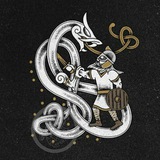
Both Æthelweard in his Chronica and also William of Malmesbury's 12th century Chronicle say that Sceaf arrived as a boy to the island of Scandinavia where he was adopted by locals and eventually chosen as king and founded a dynasty making him the ancestor of the kings of Wessex according to Æthelweard and of the Angles according to William. However the Old English poem Widsith says that Sceaf was the progenitor of the Lombards and it is worth noting that prior to their migration into Italy the lombards were likely to have been neighbours of the Angles.
Sceaf means sheaf. William of Malmesbury says that Sceaf was so named because he was set adrift with a handful of corn at his head - hence sheaf as in sheaf of corn. This hints at an association with fertility and prosperity.
Art by Graman
Sceaf means sheaf. William of Malmesbury says that Sceaf was so named because he was set adrift with a handful of corn at his head - hence sheaf as in sheaf of corn. This hints at an association with fertility and prosperity.
Art by Graman