A–Z HVAC Piping | Step-by-Step
A practical HVAC piping workflow:
1️⃣ Design Criteria & Pipe Materials
2️⃣ Chilled Water Flow Calculation
3️⃣ Pipe Size Selection
4️⃣ Velocity & Pressure Drop Calculation
5️⃣ Pipe Routing & Layout
6️⃣ Valves & Accessories Selection
7️⃣ Pump Head Calculation
8️⃣ Expansion & Flexible Connections
9️⃣ Pipe Supports & Hangers
🔟 Insulation & Vapour Barrier
1️⃣1️⃣ Flushing & Pressure Testing
1️⃣2️⃣ Hydronic Balancing
1️⃣3️⃣ Testing, Commissioning & TAB
Calculate → Size → Route → Support → Insulate → Test → Balance
#HVAC #HVACPiping #HVACEngineering #MEP #ChilledWater #PipeSizing #PipingDesign #MechanicalEngineering #BMS #TAB #Commissioning #Construction #zubairhvac #usa
❤3
This media is not supported in the widget
VIEW IN TELEGRAM
❤1
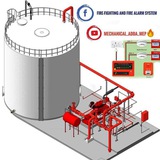
Fire-fighting and Fire Alarm system 👷🏻🧰
Flammable and combustible materials .pdf
Flammable and combustible materials.
This media is not supported in the widget
VIEW IN TELEGRAM
❤1
FM-200 Fire Suppression System
...
FM-200 (HFC-227ea) is a clean-agent fire suppression system designed to protect critical areas such as data centers, electrical rooms, server rooms, and control rooms. It provides rapid fire suppression without leaving residue, helping protect sensitive equipment and maintain business continuity.
FM-200 Sequence of Operation
Automatic Mode
1. First detector operates indication. Pre-alarm / alarm
2. Second detector in the other detection zone operates confirmed fire condition.
3. Pre-discharge alarm and horn/strobe activate; evacuation timer starts.
4. HVAC/AHU shuts down and associated dampers close as per approved Cause & Effect.
5. After the programmed time delay, the releasing circuit activates the cylinder actuator.
6. FM-200 discharges through the nozzles and the discharge signal is indicated on the panel.
❤5
How Do You Determine the Pressure-Temperature Rating of a Flange?
A flange marked Class 300 does NOT have one fixed pressure rating.
Its allowable pressure depends on several factors-most importantly material and temperature.
For example, using ASME B16.5:
Material: ASTM A105
Flange Class: Class 300
Design Temperature: 100°C
Applicable Table: Table 2A
Allowable Pressure: 44.1 bar
As temperature increases, the allowable pressure generally decreases. That is why simply saying "It is a Class 300 flange" is not enough for a design decision.
A simple approach:
1 Identify the flange material
2 Confirm the pressure class
3 Establish the design temperature
4 Select the correct ASME B16.5 rating table
5 Read the allowable pressure at the design temperature
6 Verify flange, gasket and bolting suitability
❤2
This media is not supported in the widget
VIEW IN TELEGRAM