
What is Skin Bank?
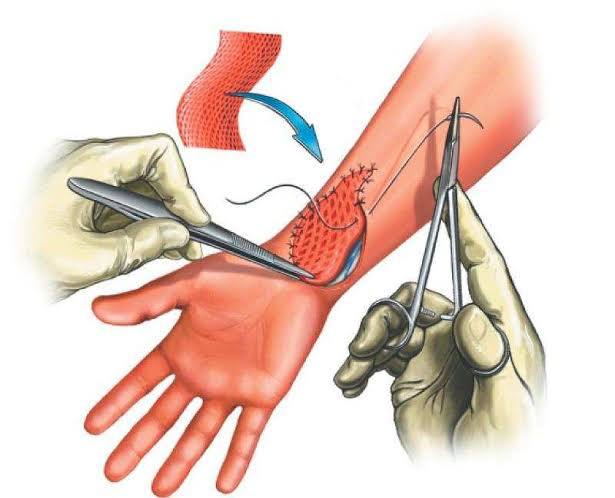
A skin bank is a facility that collects, processes, and stores donated human skin for use in medical treatments such as burn victims, skin graft surgeries, and other reconstructive procedures.
The process of collecting skin from donors is done through a surgical procedure where a small section of skin is removed from a donor's body. The donor must be screened and tested to avoid any potential transmission of disease or infection. Once the skin is removed, it is processed in a laboratory to remove any contaminants and prepare it for storage.
The skin is stored in a sterile environment at low temperatures to prevent it from deteriorating. The storage process typically involves freezing the skin in a solution that helps to preserve its viability and maintain its structural integrity. The skin can be stored for long periods of time, usually up to five years, before it is used for medical procedures.
When skin is needed for a medical procedure, it is thawed and prepared for transplantation. The skin can be used in a number of ways, including as a temporary dressing for burn victims or as a permanent replacement for damaged or missing skin.
A skin bank is a facility that collects, processes, and stores donated human skin for use in medical treatments such as burn victims, skin graft surgeries, and other reconstructive procedures.
The process of collecting skin from donors is done through a surgical procedure where a small section of skin is removed from a donor's body. The donor must be screened and tested to avoid any potential transmission of disease or infection. Once the skin is removed, it is processed in a laboratory to remove any contaminants and prepare it for storage.
The skin is stored in a sterile environment at low temperatures to prevent it from deteriorating. The storage process typically involves freezing the skin in a solution that helps to preserve its viability and maintain its structural integrity. The skin can be stored for long periods of time, usually up to five years, before it is used for medical procedures.
When skin is needed for a medical procedure, it is thawed and prepared for transplantation. The skin can be used in a number of ways, including as a temporary dressing for burn victims or as a permanent replacement for damaged or missing skin.
👍64❤19😱10👏4🔥3
How do Submarines navigate underwater?
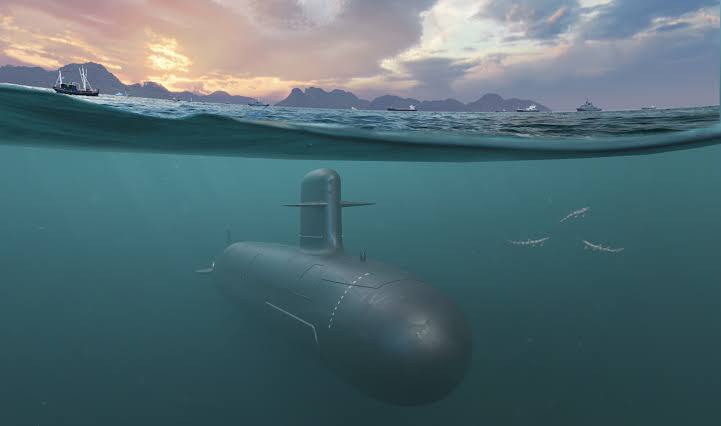
Submarines use a variety of methods to navigate underwater, including inertial navigation systems, sonar, and GPS. Inertial navigation systems use accelerometers and gyroscopes to measure the submarine's acceleration and rotation, which can be used to calculate its position and velocity. Sonar works by emitting sound waves that bounce off objects in the water and then detecting and analyzing the returning echoes. Submarines can use sonar to detect other vessels, underwater mountains and canyons, and even marine life. GPS can also be used to navigate underwater, but it requires the submarine to be close enough to the surface to receive signals from GPS satellites.
Communicating with the surface while submerged is more challenging than navigating, but submarines have developed several methods to do so. One common method is to use a buoyant antenna, which can be deployed through a tube in the submarine's hull. The antenna floats to the surface and can transmit and receive radio signals with other vessels or with shore-based stations. Submarines can also communicate using acoustic signals, such as sonar or underwater telephones. These methods allow submarines to maintain communication with the surface while remaining hidden and undetected.
Submarines use a variety of methods to navigate underwater, including inertial navigation systems, sonar, and GPS. Inertial navigation systems use accelerometers and gyroscopes to measure the submarine's acceleration and rotation, which can be used to calculate its position and velocity. Sonar works by emitting sound waves that bounce off objects in the water and then detecting and analyzing the returning echoes. Submarines can use sonar to detect other vessels, underwater mountains and canyons, and even marine life. GPS can also be used to navigate underwater, but it requires the submarine to be close enough to the surface to receive signals from GPS satellites.
Communicating with the surface while submerged is more challenging than navigating, but submarines have developed several methods to do so. One common method is to use a buoyant antenna, which can be deployed through a tube in the submarine's hull. The antenna floats to the surface and can transmit and receive radio signals with other vessels or with shore-based stations. Submarines can also communicate using acoustic signals, such as sonar or underwater telephones. These methods allow submarines to maintain communication with the surface while remaining hidden and undetected.
👍81❤18👏5🔥4😱3
What is Clapper Board?
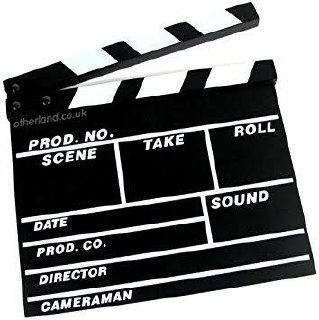
A clapperboard, also known as a slate or clapboard, is a device used in film and video production to mark the beginning of a scene or take. It consists of a rectangular board with a hinged stick, called a clapstick or clapper, attached to it.
The board typically displays information about the scene being filmed, such as the name of the production, the scene number, and the take number. This information is written on the board with chalk or a dry-erase marker and is visible to the camera.
When the clapperboard is used, the person operating it holds the board in front of the camera and calls out the scene and take numbers. The clapstick is then brought down to make a loud "clap" sound, which creates a visual and audio cue that helps to synchronize the audio and video recordings of the scene.
In addition to marking the beginning of a scene, the clapperboard also provides important information for post-production editing. The visual and audio cues created by the clap help editors to match the audio and video recordings accurately, making the editing process more efficient.
A clapperboard, also known as a slate or clapboard, is a device used in film and video production to mark the beginning of a scene or take. It consists of a rectangular board with a hinged stick, called a clapstick or clapper, attached to it.
The board typically displays information about the scene being filmed, such as the name of the production, the scene number, and the take number. This information is written on the board with chalk or a dry-erase marker and is visible to the camera.
When the clapperboard is used, the person operating it holds the board in front of the camera and calls out the scene and take numbers. The clapstick is then brought down to make a loud "clap" sound, which creates a visual and audio cue that helps to synchronize the audio and video recordings of the scene.
In addition to marking the beginning of a scene, the clapperboard also provides important information for post-production editing. The visual and audio cues created by the clap help editors to match the audio and video recordings accurately, making the editing process more efficient.
👍74🔥18👏12❤2🤩2😱1
What makes Adhesives sticky?
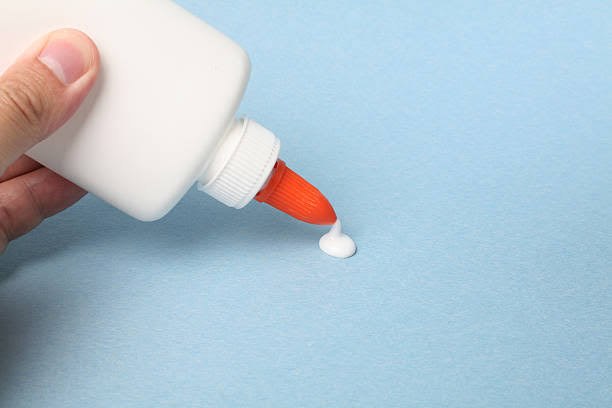
The function of adhesives is to hold things together. Adhesives come in many forms, including glue, tape and sealant, and are used in a variety of everyday applications. In addition, natural substances can act as adhesives, such as soda and caramel. The stickiness of the adhesive is caused by molecular bonds, and its strength depends on how much stress is needed to pull those bonds apart.
Every substance contains molecules that have a positive or negative charge. For two substances to bond, their opposing charges need to be attracted to each other in the exact amount of charge. For example, to produce a molecule of hydrogen chloride (HCl), the positive charge of the hydrogen atom bonds with the negative charge of the chlorine atom, and the combination of the two creates a strong, neutral bond. Adhesives contain long chains of protein molecules that bond with the molecules of the surface they are spread upon by entering the pores and spaces of the material. Therefore, smooth surfaces such as glass don’t react well to adhesives because there aren’t any pores for molecules to enter.
There are glues for glasses.
Some glass glues are designed to work by chemically bonding with the glass surfaces, which typically involves the adhesive molecules reacting with the silicates in the glass to create a strong bond. Other glass glues work by physically interlocking with the glass surfaces, which typically involves the adhesive molecules forming small hooks or bonds that attach to the surface of the glass.
The function of adhesives is to hold things together. Adhesives come in many forms, including glue, tape and sealant, and are used in a variety of everyday applications. In addition, natural substances can act as adhesives, such as soda and caramel. The stickiness of the adhesive is caused by molecular bonds, and its strength depends on how much stress is needed to pull those bonds apart.
Every substance contains molecules that have a positive or negative charge. For two substances to bond, their opposing charges need to be attracted to each other in the exact amount of charge. For example, to produce a molecule of hydrogen chloride (HCl), the positive charge of the hydrogen atom bonds with the negative charge of the chlorine atom, and the combination of the two creates a strong, neutral bond. Adhesives contain long chains of protein molecules that bond with the molecules of the surface they are spread upon by entering the pores and spaces of the material. Therefore, smooth surfaces such as glass don’t react well to adhesives because there aren’t any pores for molecules to enter.
There are glues for glasses.
Some glass glues are designed to work by chemically bonding with the glass surfaces, which typically involves the adhesive molecules reacting with the silicates in the glass to create a strong bond. Other glass glues work by physically interlocking with the glass surfaces, which typically involves the adhesive molecules forming small hooks or bonds that attach to the surface of the glass.
👍74❤12🔥10😱2👏1
What are contact Lenses made of?
There are three main categories of contact lenses, based on the materials they are made of: soft contacts, rigid gas permeable (GP) contacts, and hybrid contact lenses.
Soft contacts are made of pliable hydrophilic ("water-loving") plastics called hydrogels. Hydrogels absorb significant amounts of water to keep the lenses soft and supple.
Because of this water-loving characteristic, the water content of various hydrogel contact lenses can range from approximately 38 to 75 percent (by weight).
The water content of soft lenses allows oxygen to pass through the lenses and keep the cornea healthy during contact lens wear.
Gas permeable contacts, also called GP or RGP lenses, are rigid (hard) contact lenses. Like hydrogels used for soft lenses, materials used to create GP contact lenses also are "gas permeable," allowing oxygen to pass through the lenses to the cornea.
Unlike soft lenses, however, rigid gas permeable lenses do not contain significant amounts of water. Instead, GP lenses rely on their microscopically porous nature to transmit oxygen to the cornea.
Hybrid contact lenses have a rigid GP central optical zone, surrounded by a peripheral fitting zone made of a soft contact lens material.
There are three main categories of contact lenses, based on the materials they are made of: soft contacts, rigid gas permeable (GP) contacts, and hybrid contact lenses.
Soft contacts are made of pliable hydrophilic ("water-loving") plastics called hydrogels. Hydrogels absorb significant amounts of water to keep the lenses soft and supple.
Because of this water-loving characteristic, the water content of various hydrogel contact lenses can range from approximately 38 to 75 percent (by weight).
The water content of soft lenses allows oxygen to pass through the lenses and keep the cornea healthy during contact lens wear.
Gas permeable contacts, also called GP or RGP lenses, are rigid (hard) contact lenses. Like hydrogels used for soft lenses, materials used to create GP contact lenses also are "gas permeable," allowing oxygen to pass through the lenses to the cornea.
Unlike soft lenses, however, rigid gas permeable lenses do not contain significant amounts of water. Instead, GP lenses rely on their microscopically porous nature to transmit oxygen to the cornea.
Hybrid contact lenses have a rigid GP central optical zone, surrounded by a peripheral fitting zone made of a soft contact lens material.

👍82❤23🔥7🤩4👏3😱1
How do Electric Eels generate Electricity?
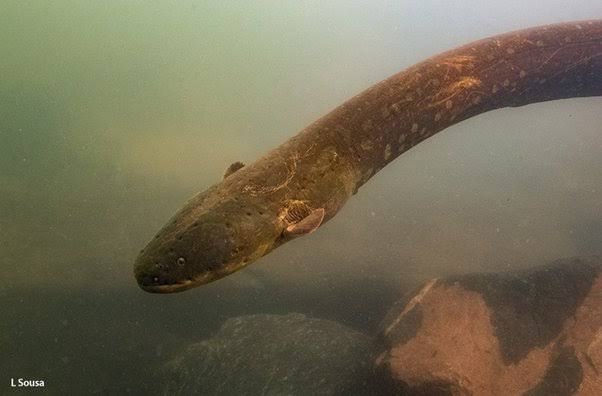
Electric eels are a type of fish that are capable of generating electrical shocks to stun prey and defend themselves from predators. The electric shock is produced by specialized cells called electrocytes, which are stacked together in organs called electroplax.
When an electric eel wants to generate an electrical shock, it first takes a gulp of air, which is used to oxygenate the electrocytes. The electric eel then discharges a series of electrical pulses that cause the electrocytes to release their stored electrical charge.
The electrical discharge from an electric eel can be quite powerful, with some species capable of producing shocks of up to 600 volts. This is enough to stun or even kill small prey, and can also be used to deter predators.
The electrocytes in an electric eel work by using a process called electrogenesis. This involves the movement of ions, or charged particles, across the cell membrane, which creates an electrical potential difference between the inside and outside of the cell. When the electrocytes are activated, they release this stored electrical charge in a burst of energy.
Electric eels are a type of fish that are capable of generating electrical shocks to stun prey and defend themselves from predators. The electric shock is produced by specialized cells called electrocytes, which are stacked together in organs called electroplax.
When an electric eel wants to generate an electrical shock, it first takes a gulp of air, which is used to oxygenate the electrocytes. The electric eel then discharges a series of electrical pulses that cause the electrocytes to release their stored electrical charge.
The electrical discharge from an electric eel can be quite powerful, with some species capable of producing shocks of up to 600 volts. This is enough to stun or even kill small prey, and can also be used to deter predators.
The electrocytes in an electric eel work by using a process called electrogenesis. This involves the movement of ions, or charged particles, across the cell membrane, which creates an electrical potential difference between the inside and outside of the cell. When the electrocytes are activated, they release this stored electrical charge in a burst of energy.
👍98🔥18😱11❤10👏1🤩1
How does Stealth Technology work?
The goal of stealth technology is to make an airplane invisible to radar. There are two different ways to create invisibility:
The airplane can be shaped so that any radar signals it reflects are reflected away from the radar equipment.
The airplane can be covered in materials that absorb radar signals.
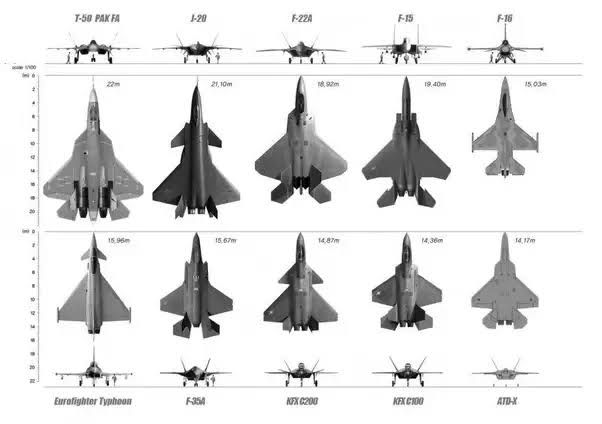
Most conventional aircraft have a rounded shape. This shape makes them aerodynamic, but it also creates a very efficient radar reflector. The round shape means that no matter where the radar signal hits the plane, some of the signal gets reflected back:
A stealth aircraft, on the other hand, is made up of completely flat surfaces and very sharp edges. When a radar signal hits a stealth plane, the signal reflects away at an angle.
In addition, surfaces on a stealth aircraft can be treated so they absorb radar energy as well. The overall result is that a stealth aircraft like an F-117A can have the radar signature of a small bird rather than an airplane. The only exception is when the plane banks -- there will often be a moment when one of the panels of the plane will perfectly reflect a burst of radar energy back to the antenna.
The goal of stealth technology is to make an airplane invisible to radar. There are two different ways to create invisibility:
The airplane can be shaped so that any radar signals it reflects are reflected away from the radar equipment.
The airplane can be covered in materials that absorb radar signals.
Most conventional aircraft have a rounded shape. This shape makes them aerodynamic, but it also creates a very efficient radar reflector. The round shape means that no matter where the radar signal hits the plane, some of the signal gets reflected back:
A stealth aircraft, on the other hand, is made up of completely flat surfaces and very sharp edges. When a radar signal hits a stealth plane, the signal reflects away at an angle.
In addition, surfaces on a stealth aircraft can be treated so they absorb radar energy as well. The overall result is that a stealth aircraft like an F-117A can have the radar signature of a small bird rather than an airplane. The only exception is when the plane banks -- there will often be a moment when one of the panels of the plane will perfectly reflect a burst of radar energy back to the antenna.
👍103❤20👏4😱4🔥3🤩1
Why do Military Aircraft often fly in formation?
Military aircraft often fly in formation for several reasons, which include:
Tactical Advantage: Flying in formation provides tactical advantages during combat operations. Formation flying allows for better coordination between aircraft, facilitating communication, situational awareness, and the ability to execute complex maneuvers effectively. By flying in close proximity, military aircraft can concentrate their firepower, provide mutual support, and enhance their defensive capabilities.
Mutual Protection: Formation flying provides mutual protection for aircraft. The close proximity allows for faster response times and immediate support in case of an attack. It increases the chances of detecting threats and enables coordinated defensive maneuvers, such as evasive actions or countermeasures deployment.
Improved Efficiency: Formation flying can enhance fuel efficiency and extend the range of aircraft. By flying in close formation, aircraft can reduce drag and take advantage of the aerodynamic benefits of drafting. This can result in fuel savings and longer operational endurance, which is especially crucial for military missions that require extended flight durations.
Training and Skill Development: Formation flying is an essential component of military pilot training. Pilots learn how to maintain precise positioning and spacing, communicate effectively, and operate as a cohesive unit. Formation flying skills are critical for air combat situations and aerial displays, where precise coordination is necessary.
Visual Deterrence and Symbolism: Formation flying can have a psychological impact by visually representing strength and unity. Military aircraft flying in formation during public events or airshows can serve as a demonstration of military power, teamwork, and national pride.
It's important to note that while formation flying has its advantages, it also requires significant training, skill, and strict adherence to safety protocols to ensure the safety of the pilots and the aircraft involved.
Military aircraft often fly in formation for several reasons, which include:
Tactical Advantage: Flying in formation provides tactical advantages during combat operations. Formation flying allows for better coordination between aircraft, facilitating communication, situational awareness, and the ability to execute complex maneuvers effectively. By flying in close proximity, military aircraft can concentrate their firepower, provide mutual support, and enhance their defensive capabilities.
Mutual Protection: Formation flying provides mutual protection for aircraft. The close proximity allows for faster response times and immediate support in case of an attack. It increases the chances of detecting threats and enables coordinated defensive maneuvers, such as evasive actions or countermeasures deployment.
Improved Efficiency: Formation flying can enhance fuel efficiency and extend the range of aircraft. By flying in close formation, aircraft can reduce drag and take advantage of the aerodynamic benefits of drafting. This can result in fuel savings and longer operational endurance, which is especially crucial for military missions that require extended flight durations.
Training and Skill Development: Formation flying is an essential component of military pilot training. Pilots learn how to maintain precise positioning and spacing, communicate effectively, and operate as a cohesive unit. Formation flying skills are critical for air combat situations and aerial displays, where precise coordination is necessary.
Visual Deterrence and Symbolism: Formation flying can have a psychological impact by visually representing strength and unity. Military aircraft flying in formation during public events or airshows can serve as a demonstration of military power, teamwork, and national pride.
It's important to note that while formation flying has its advantages, it also requires significant training, skill, and strict adherence to safety protocols to ensure the safety of the pilots and the aircraft involved.

👍67❤18🔥8👏3😱2🤩1
What is Litmus Paper? How does it work?
Litmus paper is a type of pH indicator paper used to determine the acidity or alkalinity of a substance. It is impregnated with a mixture of natural dyes extracted from lichens, primarily Roccella tinctoria. Litmus paper is available in two common forms: blue litmus paper and red litmus paper.
The working principle of litmus paper relies on the concept of acid-base indicators. These indicators are substances that change color in response to changes in the hydrogen ion concentration (pH) of a solution. Litmus paper contains indicators that exhibit different colors in acidic and alkaline conditions.
Here's how it works:
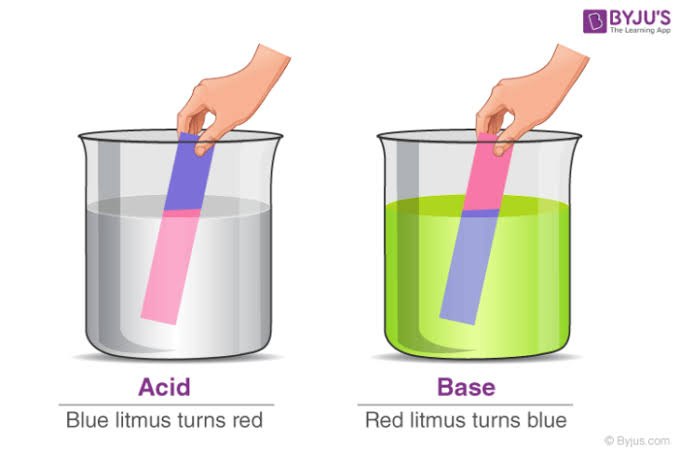
Blue Litmus Paper: Blue litmus paper is blue in its original form. When it comes into contact with an acidic solution, the blue litmus paper turns red. This color change occurs because the acidic solution donates hydrogen ions (H+) to the litmus paper, causing the blue dye to become protonated and change to a red form.
Red Litmus Paper: Red litmus paper is red in its original form. When it comes into contact with an alkaline (basic) solution, the red litmus paper turns blue. This color change happens because the alkaline solution accepts hydrogen ions from the litmus paper, causing the red dye to become deprotonated and change to a blue form.
It's important to note that litmus paper is a qualitative indicator, meaning it provides a visual indication of whether a substance is acidic or alkaline. However, it does not provide an exact measurement of the pH value. For precise pH measurements, more accurate instruments such as pH meters or pH test strips are used.
Litmus paper is widely used in various fields, including chemistry, biology, and medicine, for quick and simple pH testing. It is a cost-effective and convenient tool to determine the approximate pH of a solution and to classify it as acidic or alkaline based on the observed color change.
Litmus paper is a type of pH indicator paper used to determine the acidity or alkalinity of a substance. It is impregnated with a mixture of natural dyes extracted from lichens, primarily Roccella tinctoria. Litmus paper is available in two common forms: blue litmus paper and red litmus paper.
The working principle of litmus paper relies on the concept of acid-base indicators. These indicators are substances that change color in response to changes in the hydrogen ion concentration (pH) of a solution. Litmus paper contains indicators that exhibit different colors in acidic and alkaline conditions.
Here's how it works:
Blue Litmus Paper: Blue litmus paper is blue in its original form. When it comes into contact with an acidic solution, the blue litmus paper turns red. This color change occurs because the acidic solution donates hydrogen ions (H+) to the litmus paper, causing the blue dye to become protonated and change to a red form.
Red Litmus Paper: Red litmus paper is red in its original form. When it comes into contact with an alkaline (basic) solution, the red litmus paper turns blue. This color change happens because the alkaline solution accepts hydrogen ions from the litmus paper, causing the red dye to become deprotonated and change to a blue form.
It's important to note that litmus paper is a qualitative indicator, meaning it provides a visual indication of whether a substance is acidic or alkaline. However, it does not provide an exact measurement of the pH value. For precise pH measurements, more accurate instruments such as pH meters or pH test strips are used.
Litmus paper is widely used in various fields, including chemistry, biology, and medicine, for quick and simple pH testing. It is a cost-effective and convenient tool to determine the approximate pH of a solution and to classify it as acidic or alkaline based on the observed color change.
👍88❤17🔥8👏5🤩1
Why do Wine glasses have stems?
The first stemmed glass is said to have originated in Venice, the capital of glassmaking, around the 1400s. The style was based on the structure of the chalice that was used for religious purposes. At that time, wine was drunk in cups that were either made from wood, leather, pewter or clay, so the stemware didn’t receive much attention. Around 1450, the cristallo glass was invented and was used on the island of Murano in Venice. With this, it helped in enhancing the look of glassware especially with its colorless appearance.
It was only until the late 18th century that the stemmed glassware gained popularity due to the booming glassware business.
The first crucial thing that we should know about wine is that maintaining its temperature is important . From the time it is stored until it is served, optimal temperature is key in having a nice wine, with all its flavors and aromas intact. Our hands are one of the warmest parts of our body and the stem provides the grip that lets you hold the glass without coming in contact with the bowl. What happens when you touch the bowl instead of the stem is that heat from your hands radiates and warms the glass - eventually raising the temperature of wine. This form of body heat can affect the flavor of the wine and there’s a chance that the alcohol taste will overpower the other flavors.
Moreover, when you’re holding the glass at the stem, it prevents you from creating smudges on the surface of the glass. Wine has such divine colors and you don’t want to ruin it by having grease or fingerprints on the glass, that just makes the presentation dull and not as appealing.
If there’s one thing that people love to do when their glass gets filled with wine, it is swirling the wine. It is not for naught or for fun, swirling the wine actually helps in releasing all the wonderful aromas of the wine. Holding the glass at the stem makes it easier to swirl, you can observe the color of the red wine and admire it. But, if you’re not used to swirling, it's better take it slow to prevent you from spilling your precious alcohol.
The first stemmed glass is said to have originated in Venice, the capital of glassmaking, around the 1400s. The style was based on the structure of the chalice that was used for religious purposes. At that time, wine was drunk in cups that were either made from wood, leather, pewter or clay, so the stemware didn’t receive much attention. Around 1450, the cristallo glass was invented and was used on the island of Murano in Venice. With this, it helped in enhancing the look of glassware especially with its colorless appearance.
It was only until the late 18th century that the stemmed glassware gained popularity due to the booming glassware business.
The first crucial thing that we should know about wine is that maintaining its temperature is important . From the time it is stored until it is served, optimal temperature is key in having a nice wine, with all its flavors and aromas intact. Our hands are one of the warmest parts of our body and the stem provides the grip that lets you hold the glass without coming in contact with the bowl. What happens when you touch the bowl instead of the stem is that heat from your hands radiates and warms the glass - eventually raising the temperature of wine. This form of body heat can affect the flavor of the wine and there’s a chance that the alcohol taste will overpower the other flavors.
Moreover, when you’re holding the glass at the stem, it prevents you from creating smudges on the surface of the glass. Wine has such divine colors and you don’t want to ruin it by having grease or fingerprints on the glass, that just makes the presentation dull and not as appealing.
If there’s one thing that people love to do when their glass gets filled with wine, it is swirling the wine. It is not for naught or for fun, swirling the wine actually helps in releasing all the wonderful aromas of the wine. Holding the glass at the stem makes it easier to swirl, you can observe the color of the red wine and admire it. But, if you’re not used to swirling, it's better take it slow to prevent you from spilling your precious alcohol.

👍89❤27👏11😱8🔥3🤩3
Why do satellites seem to be wrapped in Golden colored Foils?
This is referred to in the space community as Multi Layer Insulation (MLI). There are different types of it, the fancier stuff is made of alumnized polyimide (Kapton) which is where the gold color comes from.
Depending on which way you have the outer and inner layers of the MLI configured you can have it both reflect solar energy and radiate heat, or retain heat while preventing radiation. So certain configurations will keep hot components hot and prevent them from losing heat to radiation, while other configurations will prevent heat from radiating into the component. It is also used to keep warmer spacecraft components (certain instruments, thrusters) from radiating heat to other parts of the spacecraft such as temperature-sensitive instruments.
This is referred to in the space community as Multi Layer Insulation (MLI). There are different types of it, the fancier stuff is made of alumnized polyimide (Kapton) which is where the gold color comes from.
Depending on which way you have the outer and inner layers of the MLI configured you can have it both reflect solar energy and radiate heat, or retain heat while preventing radiation. So certain configurations will keep hot components hot and prevent them from losing heat to radiation, while other configurations will prevent heat from radiating into the component. It is also used to keep warmer spacecraft components (certain instruments, thrusters) from radiating heat to other parts of the spacecraft such as temperature-sensitive instruments.

👍78❤19🤩8👏7🔥2
What is the difference between Sugar Free, No Sugar Added, and Unsweetened?
Reading food labels can be tricky, especially when all the words sound like they mean the same thing. When you're grocery shopping and you see labels with "sugar free," "no sugar added," and "unsweetened," it may seem like you can buy any one of those products interchangeably. But each of those labels means something a little different.
The terms "sugar-free," "no sugar added," and "unsweetened" are often used on food and beverage labels to indicate different levels of sugar content or sweeteners. Here's an explanation of the differences between these terms:
Sugar-Free: "Sugar-free" means that the product contains no added sugars or sugar-based sweeteners. However, it's important to note that "sugar-free" doesn't necessarily mean the product is completely devoid of sweetness. Sugar alcohols or artificial sweeteners may be used as sugar substitutes to provide a sweet taste without adding actual sugar. It's crucial to check the ingredients list to see if any sweeteners or sugar substitutes are present.
No Sugar Added: "No sugar added" means that no additional sugars or sugar-based sweeteners have been added during the manufacturing process. However, the product may still contain naturally occurring sugars, such as those found in fruits or dairy products. It's important to read the nutrition facts label to determine the total sugar content and differentiate between naturally occurring sugars and added sugars.
Unsweetened: "Unsweetened" means that no sweeteners, including both natural and artificial sweeteners, have been added to the product. It indicates that the food or beverage is in its natural state without any added sweetness. However, it's essential to note that the product may still contain naturally occurring sugars, depending on the ingredients used.
When making dietary choices, it's important to consider individual dietary needs and preferences. If you're looking to reduce sugar intake, it's beneficial to read nutrition labels carefully and pay attention to the ingredients list to identify any hidden sugars or sweeteners that may be present. Additionally, it's advisable to consult a healthcare professional or registered dietitian for personalized guidance on sugar consumption and overall dietary choices.
Reading food labels can be tricky, especially when all the words sound like they mean the same thing. When you're grocery shopping and you see labels with "sugar free," "no sugar added," and "unsweetened," it may seem like you can buy any one of those products interchangeably. But each of those labels means something a little different.
The terms "sugar-free," "no sugar added," and "unsweetened" are often used on food and beverage labels to indicate different levels of sugar content or sweeteners. Here's an explanation of the differences between these terms:
Sugar-Free: "Sugar-free" means that the product contains no added sugars or sugar-based sweeteners. However, it's important to note that "sugar-free" doesn't necessarily mean the product is completely devoid of sweetness. Sugar alcohols or artificial sweeteners may be used as sugar substitutes to provide a sweet taste without adding actual sugar. It's crucial to check the ingredients list to see if any sweeteners or sugar substitutes are present.
No Sugar Added: "No sugar added" means that no additional sugars or sugar-based sweeteners have been added during the manufacturing process. However, the product may still contain naturally occurring sugars, such as those found in fruits or dairy products. It's important to read the nutrition facts label to determine the total sugar content and differentiate between naturally occurring sugars and added sugars.
Unsweetened: "Unsweetened" means that no sweeteners, including both natural and artificial sweeteners, have been added to the product. It indicates that the food or beverage is in its natural state without any added sweetness. However, it's essential to note that the product may still contain naturally occurring sugars, depending on the ingredients used.
When making dietary choices, it's important to consider individual dietary needs and preferences. If you're looking to reduce sugar intake, it's beneficial to read nutrition labels carefully and pay attention to the ingredients list to identify any hidden sugars or sweeteners that may be present. Additionally, it's advisable to consult a healthcare professional or registered dietitian for personalized guidance on sugar consumption and overall dietary choices.

👍98❤23🔥8👏3😱3
What is Bombay Blood Group?
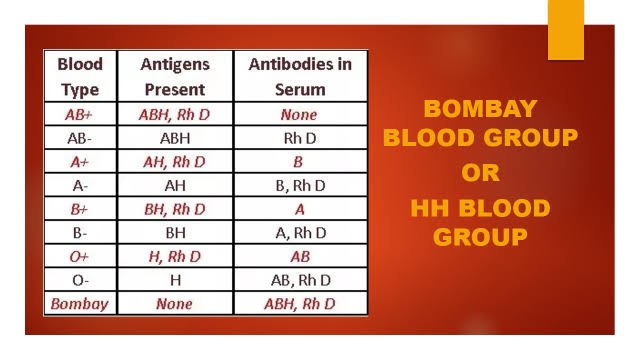
The Bombay blood group, also known as the hh blood group, is a rare blood type that was first discovered among individuals in Mumbai (formerly known as Bombay), India, which is how it got its name. The Bombay blood group is an interesting and unique blood type due to a genetic mutation that affects the production of certain antigens on the surface of red blood cells.
The presence or absence of specific antigens determines an individual's blood type. The most well-known blood typing system is the ABO blood group system, which categorizes blood types into four main groups: A, B, AB, and O. These blood types are based on the presence or absence of the A and B antigens on the red blood cells.
Individuals with the Bombay blood group lack the H antigen, which is a precursor to the A and B antigens. As a result, they do not produce the A or B antigens on their red blood cells. This makes their blood type unique and distinct from the commonly recognized ABO blood types.
People with the Bombay blood group have antibodies against both A and B antigens in their plasma, as they have never been exposed to them. This means that they can only receive blood transfusions from other individuals with the Bombay blood group or with the rare Bombay phenotype. In emergency situations, it can be challenging to find compatible blood for individuals with the Bombay blood group, as it is extremely rare.
It's important to note that the Bombay blood group is relatively uncommon, with a higher prevalence among certain populations, such as those of Indian and South Asian descent. Proper blood typing and cross-matching are crucial before any blood transfusion to ensure compatibility and prevent potential adverse reactions.
The Bombay blood group, also known as the hh blood group, is a rare blood type that was first discovered among individuals in Mumbai (formerly known as Bombay), India, which is how it got its name. The Bombay blood group is an interesting and unique blood type due to a genetic mutation that affects the production of certain antigens on the surface of red blood cells.
The presence or absence of specific antigens determines an individual's blood type. The most well-known blood typing system is the ABO blood group system, which categorizes blood types into four main groups: A, B, AB, and O. These blood types are based on the presence or absence of the A and B antigens on the red blood cells.
Individuals with the Bombay blood group lack the H antigen, which is a precursor to the A and B antigens. As a result, they do not produce the A or B antigens on their red blood cells. This makes their blood type unique and distinct from the commonly recognized ABO blood types.
People with the Bombay blood group have antibodies against both A and B antigens in their plasma, as they have never been exposed to them. This means that they can only receive blood transfusions from other individuals with the Bombay blood group or with the rare Bombay phenotype. In emergency situations, it can be challenging to find compatible blood for individuals with the Bombay blood group, as it is extremely rare.
It's important to note that the Bombay blood group is relatively uncommon, with a higher prevalence among certain populations, such as those of Indian and South Asian descent. Proper blood typing and cross-matching are crucial before any blood transfusion to ensure compatibility and prevent potential adverse reactions.
👍85😱16❤14🔥10👏3🤩2
How does Graphene coating improve a car's appearance?
Graphene coating can improve a car's appearance in several ways. First, graphene is a highly durable and transparent material, which means that when applied as a coating on a car's surface, it can provide long-lasting protection against scratches, chips, and other types of damage that can affect a car's appearance. This can help keep the car looking newer and more attractive for a longer period of time.
Secondly, graphene coatings can create a hydrophobic effect on the car's surface, which means that water and other liquids will bead up and roll off the surface instead of sticking to it. This can help prevent water spots and stains from forming, which can make a car look dull and dirty.
Additionally, graphene coatings can enhance a car's shine and colour depth, giving it a more vibrant and lustrous appearance. The ultra-smooth surface of the graphene coating can reflect light more effectively, which can make the car's paint job look brighter and more vivid.
Finally, because graphene is a nanomaterial, it can be applied in very thin layers, which can make the car's surface feel smoother to the touch. This can create a sleek and polished look that enhances the overall appearance of the car.
Graphene coating can improve a car's appearance in several ways. First, graphene is a highly durable and transparent material, which means that when applied as a coating on a car's surface, it can provide long-lasting protection against scratches, chips, and other types of damage that can affect a car's appearance. This can help keep the car looking newer and more attractive for a longer period of time.
Secondly, graphene coatings can create a hydrophobic effect on the car's surface, which means that water and other liquids will bead up and roll off the surface instead of sticking to it. This can help prevent water spots and stains from forming, which can make a car look dull and dirty.
Additionally, graphene coatings can enhance a car's shine and colour depth, giving it a more vibrant and lustrous appearance. The ultra-smooth surface of the graphene coating can reflect light more effectively, which can make the car's paint job look brighter and more vivid.
Finally, because graphene is a nanomaterial, it can be applied in very thin layers, which can make the car's surface feel smoother to the touch. This can create a sleek and polished look that enhances the overall appearance of the car.

👍58❤19🔥7🤩4👏1
What is Gesture Recognition Technology and How Does It Work?
As the name suggests, gesture recognition is designed to recognize the physical movements, or “gestures,” of humans. Waving your hand in a particular pattern in front of the device, for instance, may tell it to launch a specific app. Gesture recognition such as this is often found in smartphones and tablet computers.
Gesture recognition is classified as a type of touchless user interface (TUI). Unlike a touchscreen device, TUI devices are controlled without touch. A voice-controlled smart speaker like Google Home and Amazon Alexa are prime examples of TUIs. By speaking commands, you can control these devices, all without relying on touch. However, gesture recognition is also a type of TUI, as it’s also controlled without the use of touch. With that said, many devices that support gesture recognition also support touchscreen.
While there are many different types of gesture recognition technology, they all work on the same basic principle of recognizing human movement as a form of input. The device features one or more sensors — or cameras — that monitors the user’s movement. When it detects a movement that corresponds with a command, it responds with the appropriate output. This may be unlocking the device, launching an app, changing the volume, etc.
As the name suggests, gesture recognition is designed to recognize the physical movements, or “gestures,” of humans. Waving your hand in a particular pattern in front of the device, for instance, may tell it to launch a specific app. Gesture recognition such as this is often found in smartphones and tablet computers.
Gesture recognition is classified as a type of touchless user interface (TUI). Unlike a touchscreen device, TUI devices are controlled without touch. A voice-controlled smart speaker like Google Home and Amazon Alexa are prime examples of TUIs. By speaking commands, you can control these devices, all without relying on touch. However, gesture recognition is also a type of TUI, as it’s also controlled without the use of touch. With that said, many devices that support gesture recognition also support touchscreen.
While there are many different types of gesture recognition technology, they all work on the same basic principle of recognizing human movement as a form of input. The device features one or more sensors — or cameras — that monitors the user’s movement. When it detects a movement that corresponds with a command, it responds with the appropriate output. This may be unlocking the device, launching an app, changing the volume, etc.
👍78❤15🔥5👏3😱3
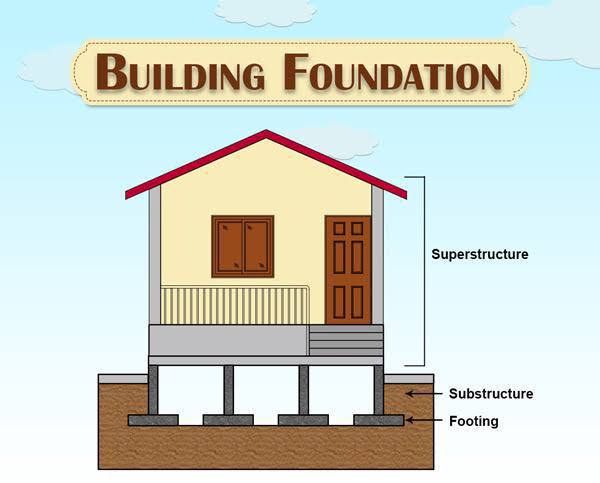
What are the importance of Foundation in building construction?
A strong and well-designed foundation is essential for any building construction for several reasons:
Structural Integrity: The foundation serves as the base on which the entire building structure rests. A strong foundation helps to distribute the weight of the building evenly, providing stability and ensuring that the building remains standing during natural disasters or ground movements.
Stability: A sturdy foundation ensures that the building remains stable and level. This is particularly important in areas prone to earthquakes, floods, or landslides, where a weak foundation can cause the building to collapse or shift.
Prevents Settlement: A well-built foundation helps to prevent settlement or sinking of the building, which can lead to structural damage or cracks in the walls and foundation.
Longevity: A good foundation can help to extend the lifespan of the building, preventing premature decay, and reducing the need for costly repairs.
Building Code Compliance: Building codes require that all buildings have a foundation that meets specific criteria. A properly designed and constructed foundation ensures that the building meets these requirements, ensuring compliance with the code.
A foundation is crucial in building construction as it provides structural integrity, stability, prevents settlement, increases longevity, and ensures building code compliance.
A strong and well-designed foundation is essential for any building construction for several reasons:
Structural Integrity: The foundation serves as the base on which the entire building structure rests. A strong foundation helps to distribute the weight of the building evenly, providing stability and ensuring that the building remains standing during natural disasters or ground movements.
Stability: A sturdy foundation ensures that the building remains stable and level. This is particularly important in areas prone to earthquakes, floods, or landslides, where a weak foundation can cause the building to collapse or shift.
Prevents Settlement: A well-built foundation helps to prevent settlement or sinking of the building, which can lead to structural damage or cracks in the walls and foundation.
Longevity: A good foundation can help to extend the lifespan of the building, preventing premature decay, and reducing the need for costly repairs.
Building Code Compliance: Building codes require that all buildings have a foundation that meets specific criteria. A properly designed and constructed foundation ensures that the building meets these requirements, ensuring compliance with the code.
A foundation is crucial in building construction as it provides structural integrity, stability, prevents settlement, increases longevity, and ensures building code compliance.
👍66❤15🔥10😱2🤩1
How does Soap and Detergent work?
Soaps and detergents are made from long molecules that contain a head and tail. These molecules are called surfactants; the diagram below represents a surfactant molecule.
The head of the molecule is attracted to water (hydrophilic) and the tail is attracted to grease and dirt (hydrophobic). When the detergent molecules meet grease on clothes, the tails are drawn into the grease but the heads still sit in the water.
The attractive forces between the head groups and the water are so strong that the grease is lifted away from the surface. The blob of grease is now completely surrounded by detergent molecules and is broken into smaller pieces which are washed away by the water.
The detergent molecules also help to make the washing process more effective by reducing the surface tension of the water. Surface tension is the force which helps a blob of water on a surface hold its shape and not spread out. The attractant molecules of the detergent break apart these forces and make water behave, well, wetter!
Soaps and detergents are made from long molecules that contain a head and tail. These molecules are called surfactants; the diagram below represents a surfactant molecule.
The head of the molecule is attracted to water (hydrophilic) and the tail is attracted to grease and dirt (hydrophobic). When the detergent molecules meet grease on clothes, the tails are drawn into the grease but the heads still sit in the water.
The attractive forces between the head groups and the water are so strong that the grease is lifted away from the surface. The blob of grease is now completely surrounded by detergent molecules and is broken into smaller pieces which are washed away by the water.
The detergent molecules also help to make the washing process more effective by reducing the surface tension of the water. Surface tension is the force which helps a blob of water on a surface hold its shape and not spread out. The attractant molecules of the detergent break apart these forces and make water behave, well, wetter!

👍79❤17🤩4👏3🔥2
Hello, Curious Members!
Recently, Telegram has introduced a story feature for every channel for premium users. For that, a channel needs a boost from its premium members.
Those who use a premium subscription to Telegram can boost our Curiosity Tea channel by just clicking on the boost button.
Recently, Telegram has introduced a story feature for every channel for premium users. For that, a channel needs a boost from its premium members.
Those who use a premium subscription to Telegram can boost our Curiosity Tea channel by just clicking on the boost button.
👍46😱8🔥7
Why does your Stomach growl when you are hungry?
The growling sound you hear from your stomach when you're hungry is known as "borborygmi" (singular: borborygmus). It is a normal physiological response that occurs as a result of the movement and contraction of the muscles in your gastrointestinal tract.
When you haven't eaten for a while, your stomach and intestines go through a process called the migrating motor complex (MMC). The MMC is a cyclical pattern of contractions that helps move residual food particles, gas, and digestive secretions along the digestive system.
During the fasting phase, which occurs between meals or when you haven't eaten for some time, the MMC becomes more active. These contractions can create the rumbling or growling noises you hear.
The growling sounds are caused by the movement of gas and fluid in your intestines, as well as the contraction of muscles in the stomach and small intestine. The contractions can be quite forceful, and when they occur in the presence of air and fluid, they produce the characteristic rumbling sound.
It's important to note that borborygmi are not exclusive to hunger. They can also be caused by other factors, such as gas or the movement of stool through the digestive system. Additionally, some individuals may experience more noticeable stomach growling than others, even when they are not necessarily hungry.
The growling sound you hear from your stomach when you're hungry is known as "borborygmi" (singular: borborygmus). It is a normal physiological response that occurs as a result of the movement and contraction of the muscles in your gastrointestinal tract.
When you haven't eaten for a while, your stomach and intestines go through a process called the migrating motor complex (MMC). The MMC is a cyclical pattern of contractions that helps move residual food particles, gas, and digestive secretions along the digestive system.
During the fasting phase, which occurs between meals or when you haven't eaten for some time, the MMC becomes more active. These contractions can create the rumbling or growling noises you hear.
The growling sounds are caused by the movement of gas and fluid in your intestines, as well as the contraction of muscles in the stomach and small intestine. The contractions can be quite forceful, and when they occur in the presence of air and fluid, they produce the characteristic rumbling sound.
It's important to note that borborygmi are not exclusive to hunger. They can also be caused by other factors, such as gas or the movement of stool through the digestive system. Additionally, some individuals may experience more noticeable stomach growling than others, even when they are not necessarily hungry.

👍105❤21👏4🔥3😱3🤩2
What is Digital Signature?
A digital signature is a cryptographic technique used to verify the authenticity, integrity, and non-repudiation of digital documents or messages. It provides a way to ensure that a digital document or message has not been tampered with during transmission and that it originated from the expected sender.
Here's how digital signatures work:
Hashing: The first step in creating a digital signature is to generate a unique hash value for the document or message. A hash function takes the input data and produces a fixed-size string of characters, called a hash value or message digest. Even a small change in the input data will result in a significantly different hash value.
Private Key Encryption: The hash value is then encrypted using the sender's private key. The private key is a part of a cryptographic key pair, consisting of a private key and a corresponding public key. The private key is kept secret and known only to the sender.
Digital Signature: The encrypted hash value, along with the original document or message, forms the digital signature. It is appended to the document or message and can be transmitted along with it.
Verification: To verify the digital signature, the recipient uses the sender's public key to decrypt the encrypted hash value. If the decrypted hash value matches the hash value computed from the received document or message, it indicates that the document or message has not been altered during transmission and that it originated from the expected sender.
Digital signatures provide several benefits:
Authentication: Digital signatures provide proof of the identity of the sender. The recipient can verify the signature using the sender's public key, ensuring that the document or message was signed by the claimed sender.
Integrity: Any modification to the signed document or message, intentional or accidental, will result in a different hash value, rendering the signature invalid. Thus, digital signatures protect the integrity of the data by detecting any changes made.
Non-repudiation: Digital signatures provide non-repudiation, which means that the sender cannot deny sending the document or message. Since the signature can only be created with the sender's private key, it serves as evidence of the sender's intent.
Tamper Detection: If someone tries to tamper with the document or message during transmission, the signature verification will fail, indicating that the data has been altered.
Digital signatures are widely used in various applications, such as secure email communication, software distribution, financial transactions, contracts, and legal documents. They play a crucial role in ensuring the security and authenticity of digital communications and transactions.
A digital signature is a cryptographic technique used to verify the authenticity, integrity, and non-repudiation of digital documents or messages. It provides a way to ensure that a digital document or message has not been tampered with during transmission and that it originated from the expected sender.
Here's how digital signatures work:
Hashing: The first step in creating a digital signature is to generate a unique hash value for the document or message. A hash function takes the input data and produces a fixed-size string of characters, called a hash value or message digest. Even a small change in the input data will result in a significantly different hash value.
Private Key Encryption: The hash value is then encrypted using the sender's private key. The private key is a part of a cryptographic key pair, consisting of a private key and a corresponding public key. The private key is kept secret and known only to the sender.
Digital Signature: The encrypted hash value, along with the original document or message, forms the digital signature. It is appended to the document or message and can be transmitted along with it.
Verification: To verify the digital signature, the recipient uses the sender's public key to decrypt the encrypted hash value. If the decrypted hash value matches the hash value computed from the received document or message, it indicates that the document or message has not been altered during transmission and that it originated from the expected sender.
Digital signatures provide several benefits:
Authentication: Digital signatures provide proof of the identity of the sender. The recipient can verify the signature using the sender's public key, ensuring that the document or message was signed by the claimed sender.
Integrity: Any modification to the signed document or message, intentional or accidental, will result in a different hash value, rendering the signature invalid. Thus, digital signatures protect the integrity of the data by detecting any changes made.
Non-repudiation: Digital signatures provide non-repudiation, which means that the sender cannot deny sending the document or message. Since the signature can only be created with the sender's private key, it serves as evidence of the sender's intent.
Tamper Detection: If someone tries to tamper with the document or message during transmission, the signature verification will fail, indicating that the data has been altered.
Digital signatures are widely used in various applications, such as secure email communication, software distribution, financial transactions, contracts, and legal documents. They play a crucial role in ensuring the security and authenticity of digital communications and transactions.

👍66❤13🔥8🤩2👏1
What is the function of Silica Gel in Power Transformers?
The transformer is filled with a insulating oil known as transformer oil. This insulates the windings from the tank in which the core and windings are housed.The dielectric strength of oil is very sensitive to the presence of moisture. Other wise even the presence of a few ppm of moisture drastically reduces its dielectric strength.
The transformer is not completely filled with oil. Some space is left above the oil level to cater for expansion of oil due to heating during working. The oil expands when it becomes hot during working ,the air above oil level goes out through a breather arrangement. During low load periods ,the temperature of the oil comes down and the volume of the oil reduces and air from outside enters through the breather to fill up the space. Silica gel is placed inside the breather and the silica gel absorbs the moisture in the air and lets in dry air only in to the transformer. Thus silica gel ensures no moisture enters the transformer through air and the dielectric strength of transformer is intact.
The image shows 2 silica breathers attached to a transformer. The breather on the left shows no oil in the breather reservoir and the silica gel is being discoloured from the bottom up. This indicates moisture coming from the outside world and not the transformer.
The silica gel on the right shows no discolouration so we can assume no moisture in the transformer oil.
In this instance the colour change of the silica is from blue when dry and reddish brown when it has absorbed moisture.
There are many other colour changing combinations through silica and other materials used in transformer breathers.
The transformer is filled with a insulating oil known as transformer oil. This insulates the windings from the tank in which the core and windings are housed.The dielectric strength of oil is very sensitive to the presence of moisture. Other wise even the presence of a few ppm of moisture drastically reduces its dielectric strength.
The transformer is not completely filled with oil. Some space is left above the oil level to cater for expansion of oil due to heating during working. The oil expands when it becomes hot during working ,the air above oil level goes out through a breather arrangement. During low load periods ,the temperature of the oil comes down and the volume of the oil reduces and air from outside enters through the breather to fill up the space. Silica gel is placed inside the breather and the silica gel absorbs the moisture in the air and lets in dry air only in to the transformer. Thus silica gel ensures no moisture enters the transformer through air and the dielectric strength of transformer is intact.
The image shows 2 silica breathers attached to a transformer. The breather on the left shows no oil in the breather reservoir and the silica gel is being discoloured from the bottom up. This indicates moisture coming from the outside world and not the transformer.
The silica gel on the right shows no discolouration so we can assume no moisture in the transformer oil.
In this instance the colour change of the silica is from blue when dry and reddish brown when it has absorbed moisture.
There are many other colour changing combinations through silica and other materials used in transformer breathers.

👍64❤9🔥3👏2😱2