
What is a Satellite?
A satellite is a body that orbits around another body in space. There are two different types of satellites – natural and man-made. Examples of natural satellites are the Earth and Moon. The Earth rotates around the Sun and the Moon rotates around the Earth. A man-made satellite is a machine that is launched into space and orbits around a body in space. Examples of man-made satellites include the Hubble Space Telescope and the International Space Station.
Of the eight planets in the solar system, Earth, Mars (2), Jupiter (67), Saturn (62), Uranus (27), and Neptune (14) have moons In the asteroid belt between the inner and outer planets, a large asteroid named Ida also has a moon. Even though Pluto is not considered a planet anymore, it too has five moons. Moons come in many shapes and sizes.
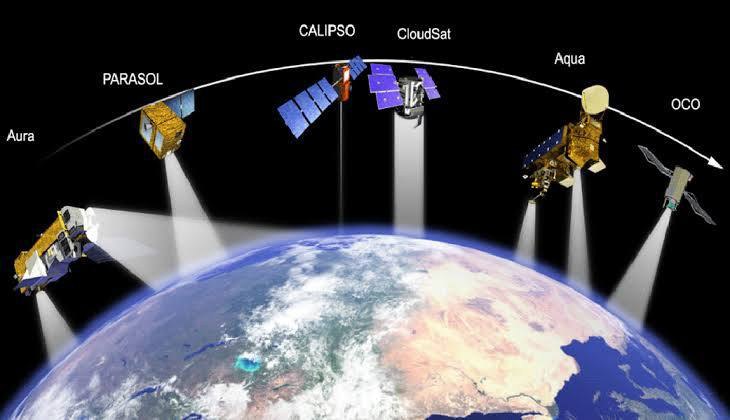
There are three areas of earth orbit. Low Earth orbit (LEO) is the closest to the Earth's surface and holds weather and climate satellites. Then there is the medium Earth orbit (MEO). The Global Positioning Satellites or GPS, are in this space. The farthest away from the surface is the high Earth orbit (HEO) or geosynchronous. At this altitude, the satellite travels at the same speed that the Earth does and monitors one area. It looks like this satellite is not moving since it travels at the same rate as the Earth.
Russia and the United States tried to outdo each other to see who could get to the Moon first in the 1950s. The Russians leaped ahead by launching Sputnik 1 in October of 1957. Four months later, the United States caught up with the launch of Explorer 1 in early 1958.
Depending on where the satellites are orbiting, the uses of satellites vary. Some of the various types of artificial satellites are communication, remote sensing, GPS, geostationary, drone, polar, nanosatellites, navigation, and ground. There are also different orbital patterns the satellites can take, depending on what scientists want to study.
A satellite is a body that orbits around another body in space. There are two different types of satellites – natural and man-made. Examples of natural satellites are the Earth and Moon. The Earth rotates around the Sun and the Moon rotates around the Earth. A man-made satellite is a machine that is launched into space and orbits around a body in space. Examples of man-made satellites include the Hubble Space Telescope and the International Space Station.
Of the eight planets in the solar system, Earth, Mars (2), Jupiter (67), Saturn (62), Uranus (27), and Neptune (14) have moons In the asteroid belt between the inner and outer planets, a large asteroid named Ida also has a moon. Even though Pluto is not considered a planet anymore, it too has five moons. Moons come in many shapes and sizes.
There are three areas of earth orbit. Low Earth orbit (LEO) is the closest to the Earth's surface and holds weather and climate satellites. Then there is the medium Earth orbit (MEO). The Global Positioning Satellites or GPS, are in this space. The farthest away from the surface is the high Earth orbit (HEO) or geosynchronous. At this altitude, the satellite travels at the same speed that the Earth does and monitors one area. It looks like this satellite is not moving since it travels at the same rate as the Earth.
Russia and the United States tried to outdo each other to see who could get to the Moon first in the 1950s. The Russians leaped ahead by launching Sputnik 1 in October of 1957. Four months later, the United States caught up with the launch of Explorer 1 in early 1958.
Depending on where the satellites are orbiting, the uses of satellites vary. Some of the various types of artificial satellites are communication, remote sensing, GPS, geostationary, drone, polar, nanosatellites, navigation, and ground. There are also different orbital patterns the satellites can take, depending on what scientists want to study.
👍87❤9🔥5👏4🤩4
What is the difference between CC and BCC when sending an e-mail?
In the current era, Email is one of the best and most preferred modes of communication for both small and large organizations. The term Cc (Carbon Copy) and Bcc (Blind Carbon Copy) are used in the Email to securely send and receive the information via Email.
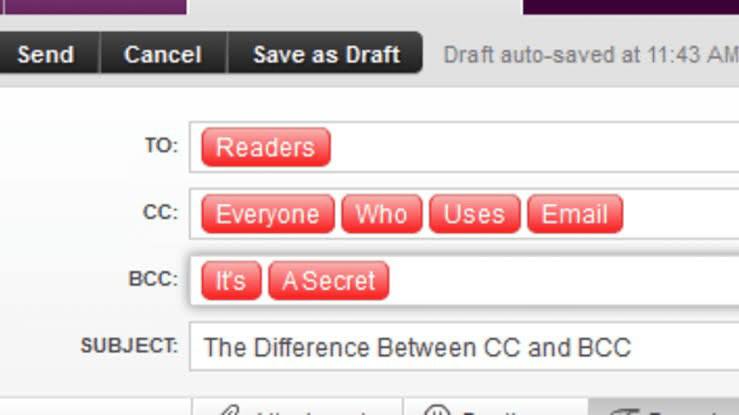
Cc stands for Carbon Copy. It is used in the Email to send the carbon copies of the Email to the recipients. In Cc, all recipients are able to see a list of all other recipients.
◦ Cc is used when we want to send an Email to someone without addressing them personally.
◦ Cc is used for group communication.
◦ It keeps all management and employees in the loop even if an Email doesn't concern them directly.
◦ Cc is used when we want to receive the responses from the associated email recipients.
◦ Cc is used when we want to inform other recipients about the email.
Bcc stands for Blind Carbon Copy, which is similar to Cc. It is also used to send the carbon copies of email to the multiple recipients without seeing a list of recipients.
◦ Bcc is used when we want to send email to many recipients at the same time.
◦ Bcc is used when we do not want that recipient to see other recipient's email addresses.
◦ Bcc is used in large businesses.
◦ Bcc mainly used for sharing company newsletters by keeping your email address private.
◦ Bcc is used to protect recipient's privacy, when we want to send Emails to unknown recipients.
◦ Bcc is used for sending impersonal emails that do not warrant responses.
In the current era, Email is one of the best and most preferred modes of communication for both small and large organizations. The term Cc (Carbon Copy) and Bcc (Blind Carbon Copy) are used in the Email to securely send and receive the information via Email.
Cc stands for Carbon Copy. It is used in the Email to send the carbon copies of the Email to the recipients. In Cc, all recipients are able to see a list of all other recipients.
◦ Cc is used when we want to send an Email to someone without addressing them personally.
◦ Cc is used for group communication.
◦ It keeps all management and employees in the loop even if an Email doesn't concern them directly.
◦ Cc is used when we want to receive the responses from the associated email recipients.
◦ Cc is used when we want to inform other recipients about the email.
Bcc stands for Blind Carbon Copy, which is similar to Cc. It is also used to send the carbon copies of email to the multiple recipients without seeing a list of recipients.
◦ Bcc is used when we want to send email to many recipients at the same time.
◦ Bcc is used when we do not want that recipient to see other recipient's email addresses.
◦ Bcc is used in large businesses.
◦ Bcc mainly used for sharing company newsletters by keeping your email address private.
◦ Bcc is used to protect recipient's privacy, when we want to send Emails to unknown recipients.
◦ Bcc is used for sending impersonal emails that do not warrant responses.
👍136❤24😱7🔥4👏4
What is Teleprompter which is used in Public Speaking?
Have you ever wondered how news anchors and television reporters deliver information seamlessly on camera? It’s all thanks to the Teleprompter. These display devices enable a presenter to read from a prepared script or speech while maintaining eye contact with the camera at all times. This gives viewers the impression that the presenter has memorized a speech or is speaking spontaneously since they don’t have to look down or to the side, which is usually the case when reading from a written document or cue cards.
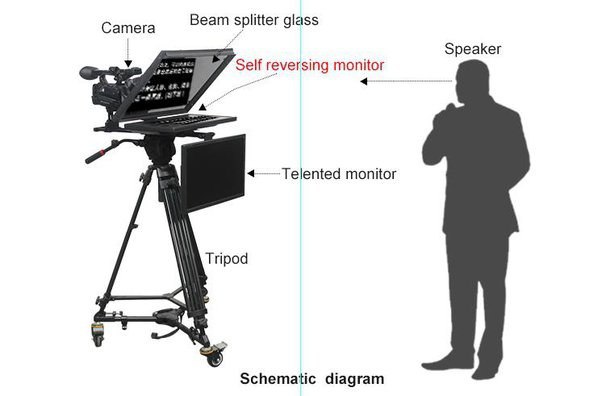
A horizontal display device is used to display the content of the document. Through a special beam splitter teleprompter glass placed at a 45-degree angle, the content displayed on the display is reflected into the sight of the speaker, so that the sight of the presenter, the teleprompter, and the camera are on an axis.
Television presenters, world leaders, and public speakers regularly use teleprompters to communicate their message without having to glance down at written notes. This enables them to build a stronger rapport with their audience by maintaining natural eye contact throughout the speech.
Have you ever wondered how news anchors and television reporters deliver information seamlessly on camera? It’s all thanks to the Teleprompter. These display devices enable a presenter to read from a prepared script or speech while maintaining eye contact with the camera at all times. This gives viewers the impression that the presenter has memorized a speech or is speaking spontaneously since they don’t have to look down or to the side, which is usually the case when reading from a written document or cue cards.
A horizontal display device is used to display the content of the document. Through a special beam splitter teleprompter glass placed at a 45-degree angle, the content displayed on the display is reflected into the sight of the speaker, so that the sight of the presenter, the teleprompter, and the camera are on an axis.
Television presenters, world leaders, and public speakers regularly use teleprompters to communicate their message without having to glance down at written notes. This enables them to build a stronger rapport with their audience by maintaining natural eye contact throughout the speech.
👍94❤14👏8😱8🔥5🤩3
What is Dark Web?
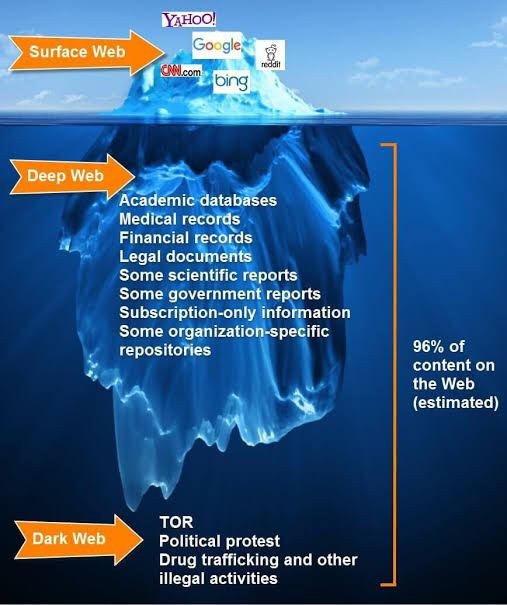
There’s essentially three ”layers” to the internet: the surface web, the deep web and the dark web.
The Surface Web is everything you can find through a search engine.
The Deep Web is everything you can’t find through a search engine (your emails, for example). This is the largest portion of the internet.
You can only access deep web if you have the URL of that particular website which you want to access. This web contain all private data like Govt. private documents, Forces (Air Force, Army, Navy) detailed information etc. You can only excess this web if you have two things- the first one is that particular URL and the second one is the permission from that Authority.
The dark web is the World Wide Web content that exists on overlay networks which use the Internet but require specific software, configurations or authorization to access, often using non-standard communication, protocols and ports. The dark web forms a small part of the deep web, the part of the Web not indexed by search engines, although sometimes the term "deep web" is mistakenly used to refer specifically to the dark web.
Darknet websites are accessible only through networks such as Tor ("The Onion Router") and I2P ("Invisible Internet Project"). Tor browser and Tor-accessible sites are widely used among the darknet users and can be identified by the domain ".onion". Identities and locations of darknet users stay anonymous and cannot be tracked due to the layered encryption system. The darknet encryption technology routes users' data through a large number of intermediate servers, which protects the users' identity and guarantees anonymity. The transmitted information can be decrypted only by a subsequent node in the scheme, which leads to the exit node. The complicated system makes it almost impossible to reproduce the node path and decrypt the information layer by layer. Due to the high level of encryption, websites are not able to track geolocation and IP of their users as well as the users are not able to get this information about the host. Thus, communication between darknet users is highly encrypted allowing users to talk, blog, and share files confidentially.
It should be noted that due to high anonymity and confidentiality, dark web has often found itself as the favourite medium for illegal activities such as drug and weapons trade, black market, fraud etc. Also, many whistleblowing sites maintain a presence as well as political discussion forums but sites associated with Bitcoin, fraud related services and mail order services are some of the most prolific.
There’s essentially three ”layers” to the internet: the surface web, the deep web and the dark web.
The Surface Web is everything you can find through a search engine.
The Deep Web is everything you can’t find through a search engine (your emails, for example). This is the largest portion of the internet.
You can only access deep web if you have the URL of that particular website which you want to access. This web contain all private data like Govt. private documents, Forces (Air Force, Army, Navy) detailed information etc. You can only excess this web if you have two things- the first one is that particular URL and the second one is the permission from that Authority.
The dark web is the World Wide Web content that exists on overlay networks which use the Internet but require specific software, configurations or authorization to access, often using non-standard communication, protocols and ports. The dark web forms a small part of the deep web, the part of the Web not indexed by search engines, although sometimes the term "deep web" is mistakenly used to refer specifically to the dark web.
Darknet websites are accessible only through networks such as Tor ("The Onion Router") and I2P ("Invisible Internet Project"). Tor browser and Tor-accessible sites are widely used among the darknet users and can be identified by the domain ".onion". Identities and locations of darknet users stay anonymous and cannot be tracked due to the layered encryption system. The darknet encryption technology routes users' data through a large number of intermediate servers, which protects the users' identity and guarantees anonymity. The transmitted information can be decrypted only by a subsequent node in the scheme, which leads to the exit node. The complicated system makes it almost impossible to reproduce the node path and decrypt the information layer by layer. Due to the high level of encryption, websites are not able to track geolocation and IP of their users as well as the users are not able to get this information about the host. Thus, communication between darknet users is highly encrypted allowing users to talk, blog, and share files confidentially.
It should be noted that due to high anonymity and confidentiality, dark web has often found itself as the favourite medium for illegal activities such as drug and weapons trade, black market, fraud etc. Also, many whistleblowing sites maintain a presence as well as political discussion forums but sites associated with Bitcoin, fraud related services and mail order services are some of the most prolific.
👍112🔥26❤21👏8🤩5
What is Laser hair removal? How does it work?
Did you know that hair follicles grow in repeated cycles? There are three phases of hair growth every time a new hair is developed, and it’s important to understand that our hair does not grow in unison. While one hair might be in the first stage of hair growth, the one next to it might be in the last; hence one zap of a laser will not get rid of all the hair forever. Each cycle can be broken down into three phases:
: The active growing stage
: The transitional stage
: The resting stage
Have you ever noticed how dark clothes absorb sunlight and feel warm to the touch? Then you'll begin to understand how the melanin (pigment) within the hair follicle absorbs energy/heat from the laser.
Laser hair removal is a cosmetic procedure to get rid of the unwanted hair on any part of the body. Concentrated light or lasers are used to remove the hair. It can be permanent or the temporary treatment at an affordable rate. You can consult a licensed dermatologist for initial consultation and to know your current skin conditions to undergo the treatment.
It is a non-invasive procedure for hair reduction for longer period of time.
Laser hair removal works by the process of selective photothermolysis. This is when the laser beam is set at a designated wavelength. The laser beam is attracted to the melanin contained within the hair, leaving the surrounding tissue unaffected. The energy of the light beam is converted into heat and travels through the hair shaft and into the hair bulb itself. Here the heat destroys and kills the dermal papilla, which is responsible for feeding the hair bulb and regenerating the hair.
The regrowth of hair will be slower and finer after just two sessions.
There are several advantages of laser hair removal, but there are also some potential drawbacks to the procedure that should be considered.
Did you know that hair follicles grow in repeated cycles? There are three phases of hair growth every time a new hair is developed, and it’s important to understand that our hair does not grow in unison. While one hair might be in the first stage of hair growth, the one next to it might be in the last; hence one zap of a laser will not get rid of all the hair forever. Each cycle can be broken down into three phases:
: The active growing stage
: The transitional stage
: The resting stage
Have you ever noticed how dark clothes absorb sunlight and feel warm to the touch? Then you'll begin to understand how the melanin (pigment) within the hair follicle absorbs energy/heat from the laser.
Laser hair removal is a cosmetic procedure to get rid of the unwanted hair on any part of the body. Concentrated light or lasers are used to remove the hair. It can be permanent or the temporary treatment at an affordable rate. You can consult a licensed dermatologist for initial consultation and to know your current skin conditions to undergo the treatment.
It is a non-invasive procedure for hair reduction for longer period of time.
Laser hair removal works by the process of selective photothermolysis. This is when the laser beam is set at a designated wavelength. The laser beam is attracted to the melanin contained within the hair, leaving the surrounding tissue unaffected. The energy of the light beam is converted into heat and travels through the hair shaft and into the hair bulb itself. Here the heat destroys and kills the dermal papilla, which is responsible for feeding the hair bulb and regenerating the hair.
The regrowth of hair will be slower and finer after just two sessions.
There are several advantages of laser hair removal, but there are also some potential drawbacks to the procedure that should be considered.

👍63❤10🔥4😱4👏2
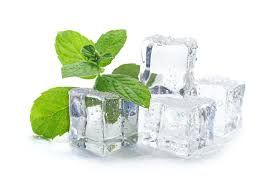
Why does Mint have a cooling sensation?
That cooling sensation is a result of menthol in the tissues of the mint leaf:
Menthol's ability to chemically trigger the cold sensitive TRPM8 receptors in the skin is responsible for the well-known cooling sensation it provokes when inhaled, eaten, or applied to the skin.
The receptor of interest is a protein called TRPM8 (transient receptor potential cation channel, subfamily M, member 8). It is an ion channel which, when open, allows sodium ions and calcium ions to enter, causing an action potential (an electrical signal down a neuron). Menthol causes the TRPM8 channel to open.
But TRPM8 is also a temperature receptor that opens in response to low temperatures. When you eat something containing menthol, the TRPM8 channel opens, but this signal is indistinguishable from the signal that would be produced if the receptor sensed cold. Therefore, when it detects menthol, the receptor signals ‘cold’, making mint feel cold.
That cooling sensation is a result of menthol in the tissues of the mint leaf:
Menthol's ability to chemically trigger the cold sensitive TRPM8 receptors in the skin is responsible for the well-known cooling sensation it provokes when inhaled, eaten, or applied to the skin.
The receptor of interest is a protein called TRPM8 (transient receptor potential cation channel, subfamily M, member 8). It is an ion channel which, when open, allows sodium ions and calcium ions to enter, causing an action potential (an electrical signal down a neuron). Menthol causes the TRPM8 channel to open.
But TRPM8 is also a temperature receptor that opens in response to low temperatures. When you eat something containing menthol, the TRPM8 channel opens, but this signal is indistinguishable from the signal that would be produced if the receptor sensed cold. Therefore, when it detects menthol, the receptor signals ‘cold’, making mint feel cold.
👍87❤12🔥11🤩7👏4😱4
Why can't we carry Plants, Seeds and Soil on international flights?
Plants, seeds and soil are not allowed at airports because they can carry harmful pests, diseases, and invasive species that can potentially harm ecosystems and agricultural industries in the destination country. These pests and diseases can spread quickly and be difficult to control, causing damage to crops, forests, and natural habitats.
In addition, plants and soil can also pose a risk to the aviation industry. Soil can contain organisms that can damage the aircraft, such as fungi and bacteria that can corrode metal parts, while plants can attract insects and birds that can interfere with aircraft engines or cause safety hazards on runways.
To prevent the spread of harmful pests and diseases, most countries have strict regulations in place that prohibit the importation of plants and soil without proper permits and inspections. Travelers should always check with the relevant authorities and comply with all regulations when traveling with plants or soil to avoid any potential penalties or restrictions.
Plants, seeds and soil are not allowed at airports because they can carry harmful pests, diseases, and invasive species that can potentially harm ecosystems and agricultural industries in the destination country. These pests and diseases can spread quickly and be difficult to control, causing damage to crops, forests, and natural habitats.
In addition, plants and soil can also pose a risk to the aviation industry. Soil can contain organisms that can damage the aircraft, such as fungi and bacteria that can corrode metal parts, while plants can attract insects and birds that can interfere with aircraft engines or cause safety hazards on runways.
To prevent the spread of harmful pests and diseases, most countries have strict regulations in place that prohibit the importation of plants and soil without proper permits and inspections. Travelers should always check with the relevant authorities and comply with all regulations when traveling with plants or soil to avoid any potential penalties or restrictions.

👍96❤11😱11🔥7🤩5
Why do F1 cars spark?
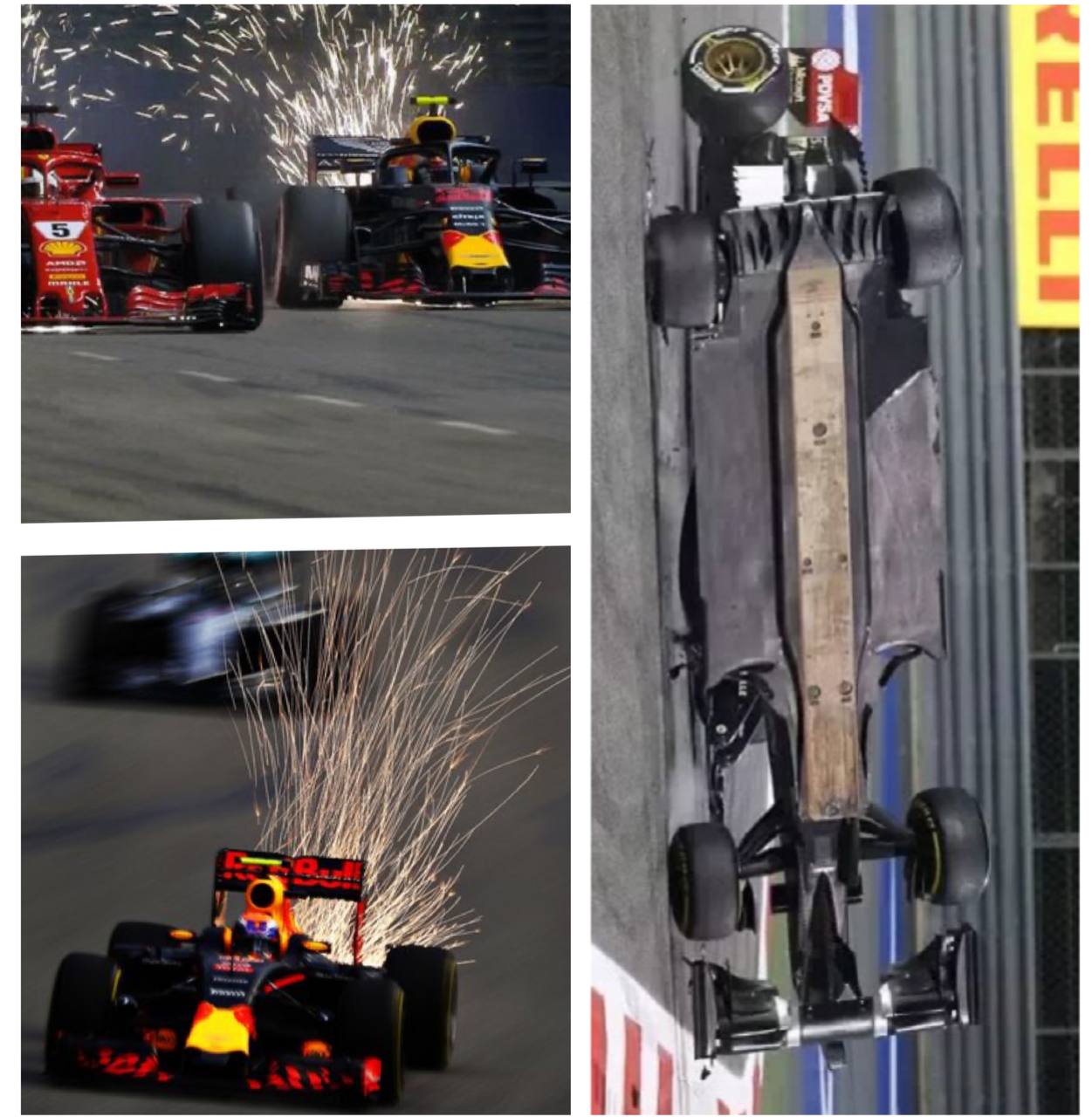
The sparks are from Titanium skid blocks embedded in the ‘legality plank’ on the underside of the car. At high speed the cars are pressed down onto the track by aerodynamic forces causing the titanium to generate sparks.
At high speed tires distort and the suspension contracts, bringing the car even closer to the earth. Here, the car’s undercarriage protrusions scrape the track surface, causing sparks to fly. These projections aren’t just for looks; they’re an integral part of the design for aerodynamics.
The plank is mandated by F1 regulations to maintain a minimum ride height and to limit the use of ground effects to enhance handling. If there is more than a millimeter of wear the car can be disqualified, however teams are allowed to use the skid blocks to reduce wear.
Titanium skids had been used previously in the 80’s and 90’s. Driver Nigel Mansell said he used to find bumps on the track to generate sparks to distract the drivers behind him. They were reintroduced in 2015 both as a safety precaution (titanium being lighter than tungsten) and to provide a better show.
The sparks are from Titanium skid blocks embedded in the ‘legality plank’ on the underside of the car. At high speed the cars are pressed down onto the track by aerodynamic forces causing the titanium to generate sparks.
At high speed tires distort and the suspension contracts, bringing the car even closer to the earth. Here, the car’s undercarriage protrusions scrape the track surface, causing sparks to fly. These projections aren’t just for looks; they’re an integral part of the design for aerodynamics.
The plank is mandated by F1 regulations to maintain a minimum ride height and to limit the use of ground effects to enhance handling. If there is more than a millimeter of wear the car can be disqualified, however teams are allowed to use the skid blocks to reduce wear.
Titanium skids had been used previously in the 80’s and 90’s. Driver Nigel Mansell said he used to find bumps on the track to generate sparks to distract the drivers behind him. They were reintroduced in 2015 both as a safety precaution (titanium being lighter than tungsten) and to provide a better show.
👍72❤18🔥13😱7👏2
What is ChatGPT?
ChatGPT is a chatbot developed by OpenAI that uses a large language model called GPT (Generative Pre-training Transformer) to generate responses to user input. ChatGPT is designed to engage in conversation with users in a natural and human-like manner, and it can answer questions and provide information on a wide range of topics.
To use ChatGPT, users can type a message or question into a chat interface and ChatGPT will generate a response based on the information it has been trained on. ChatGPT is designed to understand the context and meaning of the words it generates, and it can engage in conversations that may involve multiple turns and branches.
While ChatGPT is a powerful tool for generating human-like text, it does have certain limitations. It is limited by the knowledge and information that it has been trained on, and it does not have access to current events or new information that has been published since its training data was collected. Additionally, ChatGPT is not able to browse the internet or access other sources of information, so it is limited to the knowledge that it has been trained on.
ChatGPT is a chatbot developed by OpenAI that uses a large language model called GPT (Generative Pre-training Transformer) to generate responses to user input. ChatGPT is designed to engage in conversation with users in a natural and human-like manner, and it can answer questions and provide information on a wide range of topics.
To use ChatGPT, users can type a message or question into a chat interface and ChatGPT will generate a response based on the information it has been trained on. ChatGPT is designed to understand the context and meaning of the words it generates, and it can engage in conversations that may involve multiple turns and branches.
While ChatGPT is a powerful tool for generating human-like text, it does have certain limitations. It is limited by the knowledge and information that it has been trained on, and it does not have access to current events or new information that has been published since its training data was collected. Additionally, ChatGPT is not able to browse the internet or access other sources of information, so it is limited to the knowledge that it has been trained on.

👍139❤26🔥16👏5🤩4😱2
What are G ,E ,H ,H+ ,LTE , 3G, 4G, 5G displayed on your smartphone when you switch on mobile data for internet?
In mobile communications, frequently, the terms GSM, GPRS, EDGE, UMTS, HSPA and LTE appear. These terms refer to different standards of data transfer and are noticeable for the mobile phone user mainly.
First, there was only the GSM network, then there were improvements of the GSM network, finally the newer and faster UMTS network, and again improvements of it. The faster UMTS network is not yet available everywhere, so, often you have to go over the older and slower GSM network even today.
About the abbreviations on your smartphone notification bar.
G stands for GPRS and is the slowest standard, used is the GSM network (2G).
E is an extension of GPRS, it is called EDGE and it is correspondingly a little faster, but still uses the old GSM network (2G). EDGE is used to refer to 2.5G
3G (3rd Generation) stands for UMTS and is the successor to the GSM network and faster.
H and H+ are standing for HSPA and HSPA+. Both use the UMTS network, where H is faster than 3G and H+ is faster than H. 3.5G, which is usually considered to be HSDPA or HSPA or HSPA+
4G (4th Generation) stands for LTE (Long-Term Evolution).
5G (5th Generation) is the mobile network that has replaced 4G, with a copious amount of improvements from improved rates of transmission speed to network coverage, and reliability.
In mobile communications, frequently, the terms GSM, GPRS, EDGE, UMTS, HSPA and LTE appear. These terms refer to different standards of data transfer and are noticeable for the mobile phone user mainly.
First, there was only the GSM network, then there were improvements of the GSM network, finally the newer and faster UMTS network, and again improvements of it. The faster UMTS network is not yet available everywhere, so, often you have to go over the older and slower GSM network even today.
About the abbreviations on your smartphone notification bar.
G stands for GPRS and is the slowest standard, used is the GSM network (2G).
E is an extension of GPRS, it is called EDGE and it is correspondingly a little faster, but still uses the old GSM network (2G). EDGE is used to refer to 2.5G
3G (3rd Generation) stands for UMTS and is the successor to the GSM network and faster.
H and H+ are standing for HSPA and HSPA+. Both use the UMTS network, where H is faster than 3G and H+ is faster than H. 3.5G, which is usually considered to be HSDPA or HSPA or HSPA+
4G (4th Generation) stands for LTE (Long-Term Evolution).
5G (5th Generation) is the mobile network that has replaced 4G, with a copious amount of improvements from improved rates of transmission speed to network coverage, and reliability.

👍134❤28🔥10👏10🤩5
What’s the Difference Between a Memoir, a Biography, and an Autobiography?
The three primary formats used to tell a life story are a biography, an autobiography, and a memoir.
Simply put, a biography is the life history of an individual, written by someone else. An autobiography is the story of a person’s life, written by that person. And a memoir is a collection of memories written by the person themselves.
A biography, also called a bio, is a non-fiction piece of work giving an objective account of a person’s life. The main difference between a biography and an autobiography is that the author of a biography is not the subject.
Biographies include details of key events that shaped the subject’s life, and information about their birthplace, education, work, and relationships.
An autobiography is the story of a person’s life written by that person. Because the author is also the main character of the story, autobiographies are written in the first person.
The purpose of an autobiography is to portray the life experiences and achievements of the author. Therefore, most autobiographies are written later in the subject’s life.
Memoir comes from the French word mémoire, meaning memory or reminiscence. Similar to an autobiography, a memoir is the story of a person’s life written by that person.
The difference between a memoir and autobiography is that a memoir focuses on reflection and establishing an emotional connection, rather than simply presenting the facts around their life. The author uses their personal knowledge to tell an intimate and emotional story about the private or public happenings in their life.
The three primary formats used to tell a life story are a biography, an autobiography, and a memoir.
Simply put, a biography is the life history of an individual, written by someone else. An autobiography is the story of a person’s life, written by that person. And a memoir is a collection of memories written by the person themselves.
A biography, also called a bio, is a non-fiction piece of work giving an objective account of a person’s life. The main difference between a biography and an autobiography is that the author of a biography is not the subject.
Biographies include details of key events that shaped the subject’s life, and information about their birthplace, education, work, and relationships.
An autobiography is the story of a person’s life written by that person. Because the author is also the main character of the story, autobiographies are written in the first person.
The purpose of an autobiography is to portray the life experiences and achievements of the author. Therefore, most autobiographies are written later in the subject’s life.
Memoir comes from the French word mémoire, meaning memory or reminiscence. Similar to an autobiography, a memoir is the story of a person’s life written by that person.
The difference between a memoir and autobiography is that a memoir focuses on reflection and establishing an emotional connection, rather than simply presenting the facts around their life. The author uses their personal knowledge to tell an intimate and emotional story about the private or public happenings in their life.

👍134❤26👏5🤩5🔥4
Why are overhead Transmission Lines not insulated?
The conductor used in overhead transmission and distribution line is called ACSR (Aluminium Conductor Steel Reinforced) which is the combination of aluminum and steel.
So the weight of the conductor has been already high, so that would add up to the weight of the line resulting into intense pressure on towers.
Another major reason is that the transmission line is carrying extremely high voltage and it would require a whole lot of thick insulation to absorb the heat produced by such high voltage, hence the cost will be high.
Also the chances of anyone touching, then are very less because they are at a decent height from ground.
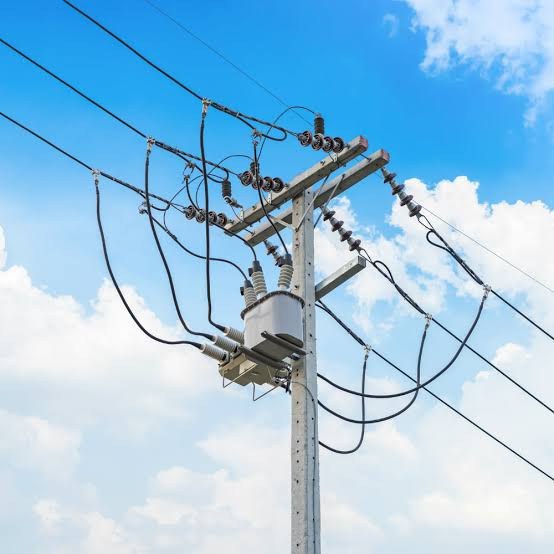
Actually the transmission lines are insulated by Air. The current and the voltage in the 3 phases of overhead lines are calculated to let the air insulate them. You might find the wires around you insulated that’s because they carry low voltage and they are surrounded by many objects to block the air to insulate them, while in this case they are in the open air.
The conductor used in overhead transmission and distribution line is called ACSR (Aluminium Conductor Steel Reinforced) which is the combination of aluminum and steel.
So the weight of the conductor has been already high, so that would add up to the weight of the line resulting into intense pressure on towers.
Another major reason is that the transmission line is carrying extremely high voltage and it would require a whole lot of thick insulation to absorb the heat produced by such high voltage, hence the cost will be high.
Also the chances of anyone touching, then are very less because they are at a decent height from ground.
Actually the transmission lines are insulated by Air. The current and the voltage in the 3 phases of overhead lines are calculated to let the air insulate them. You might find the wires around you insulated that’s because they carry low voltage and they are surrounded by many objects to block the air to insulate them, while in this case they are in the open air.
👍93🔥12❤9👏5🤩3
When it comes to Books and Movies, what’s a Prequel, Sequel, and Spinoff?
In the world of books and movies, a sequel, prequel, and spinoff are all different types of follow-up stories related to an original work. Here's an in-depth explanation of each:
Sequel: A sequel is a story that continues the events of the original work. It is a new installment that picks up where the previous one left off, continuing the storylines of the characters, themes, and plot. A sequel can be set immediately after the original work or can take place years later. The purpose of a sequel is to expand on the original story, to deepen the characters, or to explore new ideas.
Example: "Harry Potter and the Chamber of Secrets" is a sequel to "Harry Potter and the Philosopher's Stone."
Prequel: A prequel is a story that takes place before the original work. It is a new installment that explores the backstory of the characters or the events that led up to the original story. A prequel can provide more context or depth to the original work, or it can introduce new characters to the story.
Example: "The Hobbit" is a prequel to "The Lord of the Rings" trilogy.
Spinoff: A spinoff is a story that takes place in the same universe as the original work but focuses on different characters or events. It is a new installment that expands on the world created in the original work, but with a different perspective. A spinoff can be a standalone story or can build on the events of the original work.
Example: "Fantastic Beasts and Where to Find Them" is a spinoff of the "Harry Potter" series, focusing on the adventures of Newt Scamander in New York City.
In both books and movies, sequels, prequels, and spinoffs are common ways to expand on a successful story. They can offer new insights into characters and events, explore different themes, and provide new opportunities for storytelling. However, they can also be risky, as fans of the original work may have high expectations and be resistant to change. It's important for writers and filmmakers to carefully consider whether a sequel, prequel, or spinoff is necessary, and to approach it with creativity and respect for the original work.
In the world of books and movies, a sequel, prequel, and spinoff are all different types of follow-up stories related to an original work. Here's an in-depth explanation of each:
Sequel: A sequel is a story that continues the events of the original work. It is a new installment that picks up where the previous one left off, continuing the storylines of the characters, themes, and plot. A sequel can be set immediately after the original work or can take place years later. The purpose of a sequel is to expand on the original story, to deepen the characters, or to explore new ideas.
Example: "Harry Potter and the Chamber of Secrets" is a sequel to "Harry Potter and the Philosopher's Stone."
Prequel: A prequel is a story that takes place before the original work. It is a new installment that explores the backstory of the characters or the events that led up to the original story. A prequel can provide more context or depth to the original work, or it can introduce new characters to the story.
Example: "The Hobbit" is a prequel to "The Lord of the Rings" trilogy.
Spinoff: A spinoff is a story that takes place in the same universe as the original work but focuses on different characters or events. It is a new installment that expands on the world created in the original work, but with a different perspective. A spinoff can be a standalone story or can build on the events of the original work.
Example: "Fantastic Beasts and Where to Find Them" is a spinoff of the "Harry Potter" series, focusing on the adventures of Newt Scamander in New York City.
In both books and movies, sequels, prequels, and spinoffs are common ways to expand on a successful story. They can offer new insights into characters and events, explore different themes, and provide new opportunities for storytelling. However, they can also be risky, as fans of the original work may have high expectations and be resistant to change. It's important for writers and filmmakers to carefully consider whether a sequel, prequel, or spinoff is necessary, and to approach it with creativity and respect for the original work.

👍102❤18🔥9👏7🤩1
What is Pegasus?
Pegasus is a spyware developed by the Israeli company NSO Group. It is designed to be able to infect and monitor the devices of targeted individuals, including smartphones and other mobile devices, and is marketed primarily to governments and law enforcement agencies for use in intelligence gathering and law enforcement operations.
Pegasus works by exploiting vulnerabilities in the operating system of the target device to gain access to the device's data and communications. Once installed, Pegasus is able to monitor a wide range of activities on the target device, including call logs, text messages, emails, and other forms of communication, as well as GPS location data, contacts, and other personal information.
Pegasus is also capable of activating the target device's camera and microphone, effectively turning the device into a surveillance tool that can be used to capture audio and video of the target's surroundings without their knowledge or consent.
One of the most controversial aspects of Pegasus is its ability to infect a device without any user interaction, using so-called "zero-click" exploits. This means that simply receiving a message or call can be enough for Pegasus to install itself on a device, making it incredibly difficult for the target to detect or prevent the spyware from being installed.
The use of Pegasus and other similar spyware has been the subject of much controversy, with concerns raised about the potential for abuse and violation of privacy, as well as the lack of transparency and oversight surrounding its use by governments and law enforcement agencies.
Pegasus is a spyware developed by the Israeli company NSO Group. It is designed to be able to infect and monitor the devices of targeted individuals, including smartphones and other mobile devices, and is marketed primarily to governments and law enforcement agencies for use in intelligence gathering and law enforcement operations.
Pegasus works by exploiting vulnerabilities in the operating system of the target device to gain access to the device's data and communications. Once installed, Pegasus is able to monitor a wide range of activities on the target device, including call logs, text messages, emails, and other forms of communication, as well as GPS location data, contacts, and other personal information.
Pegasus is also capable of activating the target device's camera and microphone, effectively turning the device into a surveillance tool that can be used to capture audio and video of the target's surroundings without their knowledge or consent.
One of the most controversial aspects of Pegasus is its ability to infect a device without any user interaction, using so-called "zero-click" exploits. This means that simply receiving a message or call can be enough for Pegasus to install itself on a device, making it incredibly difficult for the target to detect or prevent the spyware from being installed.
The use of Pegasus and other similar spyware has been the subject of much controversy, with concerns raised about the potential for abuse and violation of privacy, as well as the lack of transparency and oversight surrounding its use by governments and law enforcement agencies.

👍89😱31❤17🔥13👏3
What is Cache data and How does it work?
Cache data refers to temporary files and data that are stored on a device to help speed up its performance. When you visit a website or use an application, the device stores some data and files from that website or application in its cache memory, so that the next time you visit that website or use that application, it can load faster.
The cache is like a temporary storage area for frequently accessed data. When you request data from a website or application, the device first checks its cache memory to see if the data is already stored there. If the data is present in the cache memory, then it can be retrieved more quickly than if it had to be downloaded from the internet or server again.
The cache is essentially a faster storage area than the device's main memory, so accessing data from the cache is faster than accessing it from the device's main memory or downloading it from the internet or server.
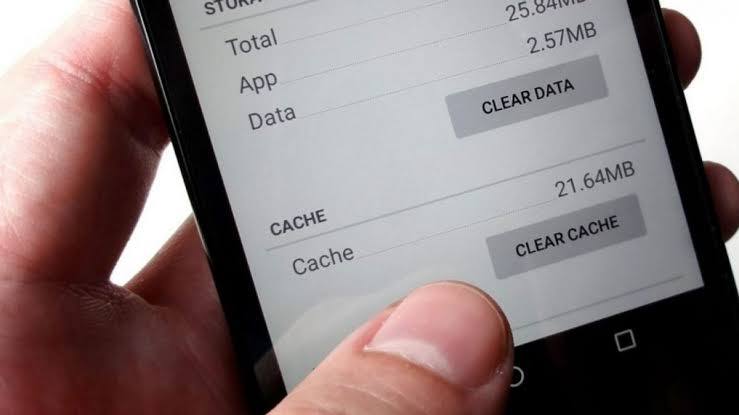
Cache data can be useful for improving the performance of devices, but it can also take up valuable storage space. Therefore, it's a good idea to clear the cache data regularly to free up space and ensure that the device is running efficiently.
In summary, cache data is temporary data and files that are stored on a device to speed up its performance. The device checks its cache memory for frequently accessed data to retrieve it more quickly than if it had to be downloaded from the internet or server again. Clearing the cache regularly can help free up storage space and improve the device's performance.
Cache data refers to temporary files and data that are stored on a device to help speed up its performance. When you visit a website or use an application, the device stores some data and files from that website or application in its cache memory, so that the next time you visit that website or use that application, it can load faster.
The cache is like a temporary storage area for frequently accessed data. When you request data from a website or application, the device first checks its cache memory to see if the data is already stored there. If the data is present in the cache memory, then it can be retrieved more quickly than if it had to be downloaded from the internet or server again.
The cache is essentially a faster storage area than the device's main memory, so accessing data from the cache is faster than accessing it from the device's main memory or downloading it from the internet or server.
Cache data can be useful for improving the performance of devices, but it can also take up valuable storage space. Therefore, it's a good idea to clear the cache data regularly to free up space and ensure that the device is running efficiently.
In summary, cache data is temporary data and files that are stored on a device to speed up its performance. The device checks its cache memory for frequently accessed data to retrieve it more quickly than if it had to be downloaded from the internet or server again. Clearing the cache regularly can help free up storage space and improve the device's performance.
👍90❤28🔥8👏7🤩1
Does the Human body produce Electricity?
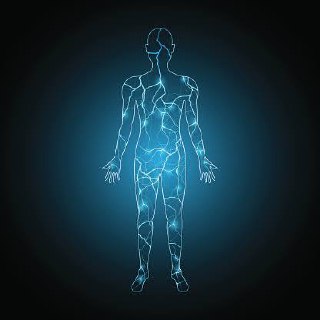
Yes, the human body produces electricity through a process called "bioelectrogenesis." This process involves the movement of charged particles, or ions, across cell membranes, which creates a flow of electrical current.
In the body, cells called "neurons" generate and transmit electrical signals throughout the nervous system. These signals are created by the movement of ions across the membranes of neurons. When a neuron is stimulated, ion channels on its membrane open, allowing positively charged ions to flow into the cell and negatively charged ions to flow out. This creates a difference in electrical charge across the membrane, known as a "membrane potential." When the membrane potential reaches a certain threshold, an action potential is triggered, which is a brief, rapid change in the membrane potential that allows the electrical signal to be transmitted along the neuron.
Other cells in the body, such as muscle cells and certain types of cells in the heart, also generate electrical activity through the movement of ions across their membranes. This electrical activity is essential for muscle contraction and the beating of the heart.
Overall, the production of electricity in the human body is a complex process that involves many different types of cells and physiological mechanisms.
Yes, the human body produces electricity through a process called "bioelectrogenesis." This process involves the movement of charged particles, or ions, across cell membranes, which creates a flow of electrical current.
In the body, cells called "neurons" generate and transmit electrical signals throughout the nervous system. These signals are created by the movement of ions across the membranes of neurons. When a neuron is stimulated, ion channels on its membrane open, allowing positively charged ions to flow into the cell and negatively charged ions to flow out. This creates a difference in electrical charge across the membrane, known as a "membrane potential." When the membrane potential reaches a certain threshold, an action potential is triggered, which is a brief, rapid change in the membrane potential that allows the electrical signal to be transmitted along the neuron.
Other cells in the body, such as muscle cells and certain types of cells in the heart, also generate electrical activity through the movement of ions across their membranes. This electrical activity is essential for muscle contraction and the beating of the heart.
Overall, the production of electricity in the human body is a complex process that involves many different types of cells and physiological mechanisms.
👍100❤16🔥14😱4👏3🤩2
What's the difference between a MAC address and IP address?
MAC address and IP address are both unique identifiers used in computer networks to identify devices and enable communication between them. Here's a brief explanation of each:
MAC Address:
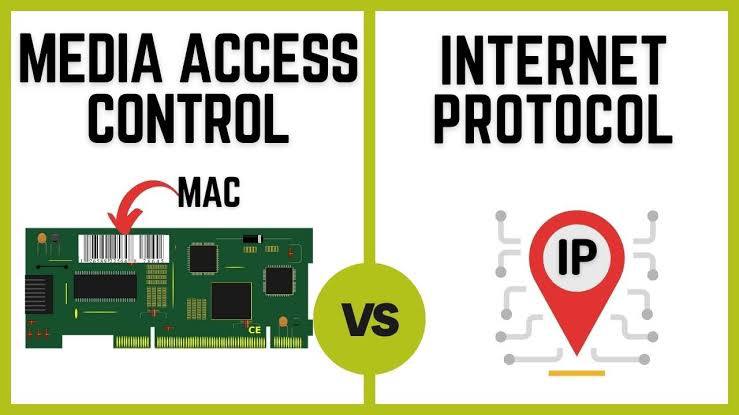
A Media Access Control (MAC) address is a unique identifier assigned to the network interface controller (NIC) of a network device, such as a computer or a smartphone. It is a 12-digit hexadecimal number that is assigned by the device manufacturer and cannot be changed.
The MAC address is used to identify a specific device on a local network, and it is used to control access to the network. When a device sends a data packet on a network, the data packet includes the MAC address of the sending device and the MAC address of the intended recipient.
IP Address:
An Internet Protocol (IP) address is a unique identifier assigned to a device connected to a network, such as a computer or a server. It is a 32-bit or 128-bit number that is used to identify the device's location on the network.
The IP address is used to enable communication between devices on different networks, such as the internet. When a device sends a data packet on a network, the data packet includes the IP address of the sending device and the IP address of the intended recipient.
There are two types of IP addresses: IPv4 and IPv6. IPv4 addresses are 32-bit numbers and are the most commonly used type of IP address. IPv6 addresses are 128-bit numbers and are used to address the shortage of available IPv4 addresses.
In summary, MAC address and IP address are both unique identifiers used in computer networks. MAC addresses are used to identify devices on a local network, while IP addresses are used to enable communication between devices on different networks, such as the internet.
MAC address and IP address are both unique identifiers used in computer networks to identify devices and enable communication between them. Here's a brief explanation of each:
MAC Address:
A Media Access Control (MAC) address is a unique identifier assigned to the network interface controller (NIC) of a network device, such as a computer or a smartphone. It is a 12-digit hexadecimal number that is assigned by the device manufacturer and cannot be changed.
The MAC address is used to identify a specific device on a local network, and it is used to control access to the network. When a device sends a data packet on a network, the data packet includes the MAC address of the sending device and the MAC address of the intended recipient.
IP Address:
An Internet Protocol (IP) address is a unique identifier assigned to a device connected to a network, such as a computer or a server. It is a 32-bit or 128-bit number that is used to identify the device's location on the network.
The IP address is used to enable communication between devices on different networks, such as the internet. When a device sends a data packet on a network, the data packet includes the IP address of the sending device and the IP address of the intended recipient.
There are two types of IP addresses: IPv4 and IPv6. IPv4 addresses are 32-bit numbers and are the most commonly used type of IP address. IPv6 addresses are 128-bit numbers and are used to address the shortage of available IPv4 addresses.
In summary, MAC address and IP address are both unique identifiers used in computer networks. MAC addresses are used to identify devices on a local network, while IP addresses are used to enable communication between devices on different networks, such as the internet.
👍111❤21🔥7😱4🤩4👏2
How does Active Noise Cancelling Headphones work?
Noise-cancelling headphones work by using a combination of microphones and electronic processing to reduce or eliminate unwanted noise from the environment. Here's how they work:
Microphone: Noise-cancelling headphones contain one or more microphones that pick up the sound from the environment.
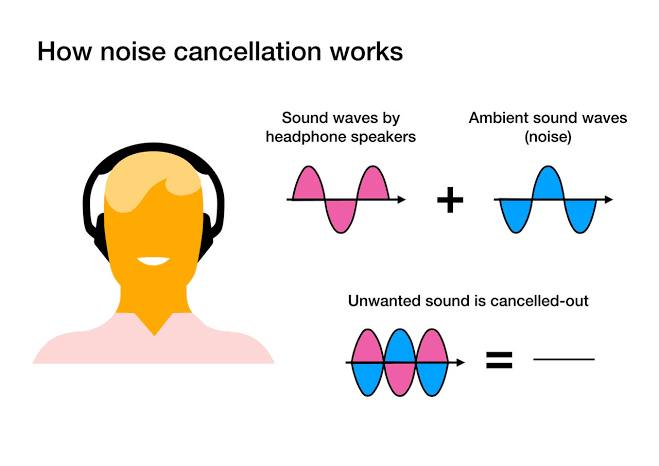
Electronic Processing: The microphone signal is sent to electronic circuitry built into the headphones, which analyzes the incoming sound and generates a wave that is the exact opposite of the unwanted noise. This wave is called an "anti-noise" signal.
Anti-Noise Signal: The anti-noise signal is then played through the headphones' speakers, effectively canceling out the unwanted noise in the environment.
User Experience: The resulting sound that the user hears is a combination of the original audio source and the anti-noise signal, but with the unwanted noise removed or greatly reduced.
This process is called active noise-cancellation because it actively works to cancel out unwanted noise in real-time. The headphones are designed to work best with continuous or low-frequency sounds, such as the hum of an airplane engine or the rumble of a train. The technology is less effective with sudden and high-pitched sounds, such as a car horn or a dog barking.
Noise-cancelling headphones are particularly useful in noisy environments, such as airplanes, trains, or busy offices, as they can reduce the amount of external noise and provide a more peaceful listening experience. They are also helpful for people who need to focus on their work or studies in noisy environments or for those who want to listen to music or audio content without being disturbed by external noise.
In summary, noise-cancelling headphones work by using microphones and electronic processing to generate an anti-noise signal that cancels out unwanted environmental noise, providing a more peaceful listening experience.
Noise-cancelling headphones work by using a combination of microphones and electronic processing to reduce or eliminate unwanted noise from the environment. Here's how they work:
Microphone: Noise-cancelling headphones contain one or more microphones that pick up the sound from the environment.
Electronic Processing: The microphone signal is sent to electronic circuitry built into the headphones, which analyzes the incoming sound and generates a wave that is the exact opposite of the unwanted noise. This wave is called an "anti-noise" signal.
Anti-Noise Signal: The anti-noise signal is then played through the headphones' speakers, effectively canceling out the unwanted noise in the environment.
User Experience: The resulting sound that the user hears is a combination of the original audio source and the anti-noise signal, but with the unwanted noise removed or greatly reduced.
This process is called active noise-cancellation because it actively works to cancel out unwanted noise in real-time. The headphones are designed to work best with continuous or low-frequency sounds, such as the hum of an airplane engine or the rumble of a train. The technology is less effective with sudden and high-pitched sounds, such as a car horn or a dog barking.
Noise-cancelling headphones are particularly useful in noisy environments, such as airplanes, trains, or busy offices, as they can reduce the amount of external noise and provide a more peaceful listening experience. They are also helpful for people who need to focus on their work or studies in noisy environments or for those who want to listen to music or audio content without being disturbed by external noise.
In summary, noise-cancelling headphones work by using microphones and electronic processing to generate an anti-noise signal that cancels out unwanted environmental noise, providing a more peaceful listening experience.
👍117❤15👏8🔥7😱3🤩3
How does Self balancing Scooter work?
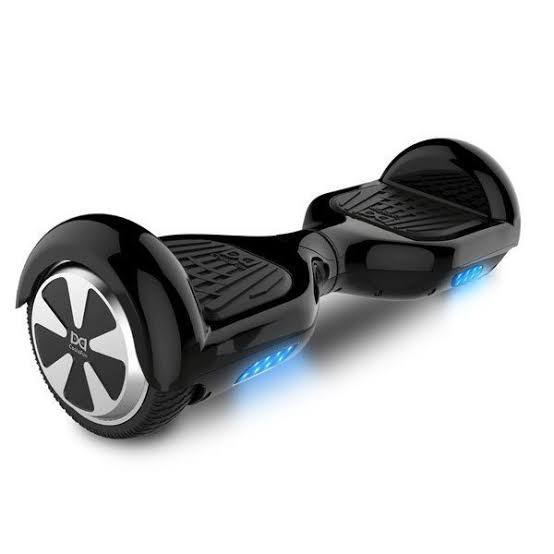
Self-balancing scooters, also known as hoverboards, use a combination of sensors, motors, and control systems to maintain balance and move forward or backward. Here's how they work:
Sensors: Self-balancing scooters use gyroscopic sensors to detect changes in the rider's center of gravity and adjust the speed of the motors accordingly. There are usually two sensors, one for each footpad, which work together to maintain balance.
Motors: The self-balancing scooter has two motors, one for each wheel, which can be controlled independently. When the rider leans forward, the motors spin faster to move the scooter forward; when the rider leans backward, the motors slow down to move the scooter backward.
Control system: The control system is responsible for processing the sensor data and controlling the motors to maintain balance. It uses algorithms to calculate the appropriate speed and direction for the motors based on the rider's movements.
Battery: The self-balancing scooter is powered by a rechargeable battery, which provides the energy needed to run the motors and control system.
When a rider steps onto a self-balancing scooter, the sensors detect the change in center of gravity and the control system activates the motors to maintain balance. As the rider leans forward or backward, the sensors detect the movement and adjust the speed of the motors to move the scooter in the desired direction.
To turn, the rider simply shifts their weight to the left or right, which causes the sensors to detect the change in center of gravity and the control system to adjust the speed of the motors accordingly.
In summary, self-balancing scooters use sensors, motors, and a control system to maintain balance and move in the desired direction based on the rider's movements. They are powered by a rechargeable battery and are a popular mode of transportation for short distances.
Self-balancing scooters, also known as hoverboards, use a combination of sensors, motors, and control systems to maintain balance and move forward or backward. Here's how they work:
Sensors: Self-balancing scooters use gyroscopic sensors to detect changes in the rider's center of gravity and adjust the speed of the motors accordingly. There are usually two sensors, one for each footpad, which work together to maintain balance.
Motors: The self-balancing scooter has two motors, one for each wheel, which can be controlled independently. When the rider leans forward, the motors spin faster to move the scooter forward; when the rider leans backward, the motors slow down to move the scooter backward.
Control system: The control system is responsible for processing the sensor data and controlling the motors to maintain balance. It uses algorithms to calculate the appropriate speed and direction for the motors based on the rider's movements.
Battery: The self-balancing scooter is powered by a rechargeable battery, which provides the energy needed to run the motors and control system.
When a rider steps onto a self-balancing scooter, the sensors detect the change in center of gravity and the control system activates the motors to maintain balance. As the rider leans forward or backward, the sensors detect the movement and adjust the speed of the motors to move the scooter in the desired direction.
To turn, the rider simply shifts their weight to the left or right, which causes the sensors to detect the change in center of gravity and the control system to adjust the speed of the motors accordingly.
In summary, self-balancing scooters use sensors, motors, and a control system to maintain balance and move in the desired direction based on the rider's movements. They are powered by a rechargeable battery and are a popular mode of transportation for short distances.
👍73🔥8❤7🤩6😱3