
How Do Antidepressants Work?
The main aim of treatment with antidepressants is to relieve the symptoms of severe depression, such as feeling very down and exhausted, and prevent them from coming back. They are meant to make you feel emotionally stable again and help you to follow a normal daily routine. They are also taken to relieve symptoms such as restlessness, anxiety and sleep problems, and to prevent suicidal thoughts.
The nerve cells in our brain use various chemicals to pass on signals. Even though not all details are known, experts believe that depression is caused by an imbalance of certain chemical messengers (neurotransmitters) like serotonin, which means that signals can't be passed along the nerves properly. Antidepressants aim to increase the availability of these chemicals. The various drugs do that in different ways.
The main aim of treatment with antidepressants is to relieve the symptoms of severe depression, such as feeling very down and exhausted, and prevent them from coming back. They are meant to make you feel emotionally stable again and help you to follow a normal daily routine. They are also taken to relieve symptoms such as restlessness, anxiety and sleep problems, and to prevent suicidal thoughts.
The nerve cells in our brain use various chemicals to pass on signals. Even though not all details are known, experts believe that depression is caused by an imbalance of certain chemical messengers (neurotransmitters) like serotonin, which means that signals can't be passed along the nerves properly. Antidepressants aim to increase the availability of these chemicals. The various drugs do that in different ways.
👍13❤3
What would happen if we covered the Sahara Desert with solar panels?
The Sahara Desert is one of the most exposed places on Earth to the sun’s rays. So, the idea is that if we could gather all that energy, we could power the world. In reality, we would harvest so much more energy than we could ever possibly need. According to Forbes, solar panels covering a surface of around 335km2 would actually be enough to power the world, this would cover just 1.2% of the Sahara Desert.
Outside of electricity generation, this could have several consequences. First, the light colour of the Saharan sand serves the purpose of reflecting the sun’s light and heat back into the air. By covering this, we would be ensuring that more sunlight is absorbed, thus prompting a rise in ground temperature. Warmer air then rises to higher altitudes and condenses as clouds that will then fall as rain, completely transforming the desert as we know it.
The planet works based on a series of well-balanced systems, and this could completely upset the apple cart. The Amazon Rainforest, for example, is reliant on the mineral-rich sands blown from the Sahara for nutrients. Without these, the Amazon will not receive enough nutrients to survive, and its downfall could be accelerated. Furthermore, the increased heat in the desert won’t end there. It will be transported worldwide through weather systems, resulting in less rainfall for the Amazon and more unstable weather in regions such as North America or Asia.
We don’t need 100% of the Sahara to be covered in solar panels. Even 20%, which is the amount that would kickstart these impacts, is not needed. Instead, a series of smaller solar farms covering 1.2% of the surface should be enough to generate enough electricity without having such extreme impacts on the environment.
The Sahara Desert is one of the most exposed places on Earth to the sun’s rays. So, the idea is that if we could gather all that energy, we could power the world. In reality, we would harvest so much more energy than we could ever possibly need. According to Forbes, solar panels covering a surface of around 335km2 would actually be enough to power the world, this would cover just 1.2% of the Sahara Desert.
Outside of electricity generation, this could have several consequences. First, the light colour of the Saharan sand serves the purpose of reflecting the sun’s light and heat back into the air. By covering this, we would be ensuring that more sunlight is absorbed, thus prompting a rise in ground temperature. Warmer air then rises to higher altitudes and condenses as clouds that will then fall as rain, completely transforming the desert as we know it.
The planet works based on a series of well-balanced systems, and this could completely upset the apple cart. The Amazon Rainforest, for example, is reliant on the mineral-rich sands blown from the Sahara for nutrients. Without these, the Amazon will not receive enough nutrients to survive, and its downfall could be accelerated. Furthermore, the increased heat in the desert won’t end there. It will be transported worldwide through weather systems, resulting in less rainfall for the Amazon and more unstable weather in regions such as North America or Asia.
We don’t need 100% of the Sahara to be covered in solar panels. Even 20%, which is the amount that would kickstart these impacts, is not needed. Instead, a series of smaller solar farms covering 1.2% of the surface should be enough to generate enough electricity without having such extreme impacts on the environment.

👍23❤10😱5🔥1🤩1
Why Do We Snore?
In simple terms, we snore when our body is not able to move air freely through the nose and throat, while we are asleep. In terms of anatomy, snoring is a result of a partially closed upper airway or the upper respiratory tract, that includes the nose and throat. Excessive relaxation of the neck muscles is the leading reason for snoring. This is because the upper airway partly closes and becomes too narrow, and it causes very little air to pass through to the lungs.
Being overweight is one of the foremost causes for snoring. If your Body Mass Index(BMI) is on the higher side, you are more prone to snoring. Smoking and consuming alcohol disturb the muscles of the throat and upper airway, thereby causing breathing problems, and ultimately snoring.
Body structure and physical attributes of individuals are a significant cause for snoring. This means men are more likely to snore than women, as they have narrower air passages. Once your body starts to age, the throat becomes narrower. This causes the muscle tone in throat to lessen, and this leads to snoring.
Changes in climate and pollution often the prime reason for a blocked nose or congestion, due to cold or allergy. This in turn, makes breathing a cumbersome job, which creates a vacuum in the throat, thus giving way to snoring.
In simple terms, we snore when our body is not able to move air freely through the nose and throat, while we are asleep. In terms of anatomy, snoring is a result of a partially closed upper airway or the upper respiratory tract, that includes the nose and throat. Excessive relaxation of the neck muscles is the leading reason for snoring. This is because the upper airway partly closes and becomes too narrow, and it causes very little air to pass through to the lungs.
Being overweight is one of the foremost causes for snoring. If your Body Mass Index(BMI) is on the higher side, you are more prone to snoring. Smoking and consuming alcohol disturb the muscles of the throat and upper airway, thereby causing breathing problems, and ultimately snoring.
Body structure and physical attributes of individuals are a significant cause for snoring. This means men are more likely to snore than women, as they have narrower air passages. Once your body starts to age, the throat becomes narrower. This causes the muscle tone in throat to lessen, and this leads to snoring.
Changes in climate and pollution often the prime reason for a blocked nose or congestion, due to cold or allergy. This in turn, makes breathing a cumbersome job, which creates a vacuum in the throat, thus giving way to snoring.
👍20❤7🔥2👏1
What happens if we pour cold Water on the hot Engine?
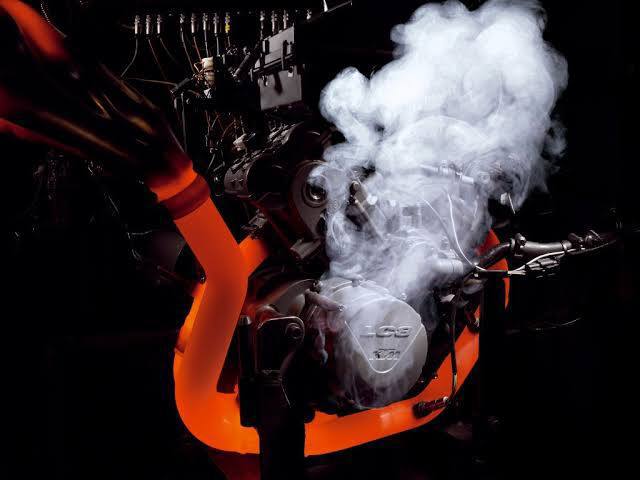
Consider what happens if you suddenly cool a very hot, brittle material, such as cast iron, and to a lesser extent, aluminum. A metal alloy when heated expands evenly and upon cooling contracts evenly; however, this sudden and uneven contraction of that material will cause it to fracture. In the case of a motorcycle engine which is usually not a very big one, can result in a having cracked block. Which will eventually result in a hefty engine replacement? When you throw water on a hot engine, you can see water vaporize quickly. That is because the water absorbs the heat from the outer surface of the crankcase while the inner temperature of the engine remains high. So it makes a huge variation of temperature in the same area of the crankcase.
Moreover, the water doesn’t even absorb the temperature from the whole surface evenly but only from the areas where the water came in direct contact. So this huge discrimination of temperature on the crankcase makes the engine go through a situation called a “Thermal Shock.”
Now there are chances that some of you might argue that you’ve been doing this practice for long now and your bike completely runs okay. Then to those people, I would say that it’s not your luck but the material used to make these engines instead. Their building material is resilient enough to deal with such malpractice from time to time. But as with all the things in this world, there is an end for everything and one day when you’ll put cold water on the engine on the bike it will be the last time.
Consider what happens if you suddenly cool a very hot, brittle material, such as cast iron, and to a lesser extent, aluminum. A metal alloy when heated expands evenly and upon cooling contracts evenly; however, this sudden and uneven contraction of that material will cause it to fracture. In the case of a motorcycle engine which is usually not a very big one, can result in a having cracked block. Which will eventually result in a hefty engine replacement? When you throw water on a hot engine, you can see water vaporize quickly. That is because the water absorbs the heat from the outer surface of the crankcase while the inner temperature of the engine remains high. So it makes a huge variation of temperature in the same area of the crankcase.
Moreover, the water doesn’t even absorb the temperature from the whole surface evenly but only from the areas where the water came in direct contact. So this huge discrimination of temperature on the crankcase makes the engine go through a situation called a “Thermal Shock.”
Now there are chances that some of you might argue that you’ve been doing this practice for long now and your bike completely runs okay. Then to those people, I would say that it’s not your luck but the material used to make these engines instead. Their building material is resilient enough to deal with such malpractice from time to time. But as with all the things in this world, there is an end for everything and one day when you’ll put cold water on the engine on the bike it will be the last time.
👍25❤3🔥3👏1
What is TrichoScan?
Quantitative methods for the analysis of human hair growth and hair loss are necessary for patient follow-ups or to determine the efficacy of hair growth promoting drugs.
While reviewing the capabilities of the different methods, the common theme emerges that most techniques are of little practical use to the clinician because they are time consuming, costly, or difficult to perform. An operator- and patient-friendly, inexpensive, validated, and reliable method for assessing hair growth was therefore a rational need. With TrichoScan, such a tool is now available.
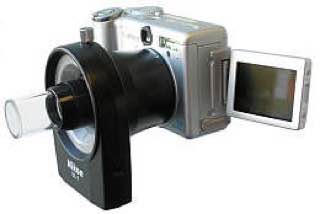
TrichoScan is a software-based method for the analysis of human hair. For this purpose, digital images are taken from the scalp with a specially developed camera-optics system. TrichoScan software is then used to automatically calculate important parameters of hair growth, such as hair density or thickness from the images.
Quantitative methods for the analysis of human hair growth and hair loss are necessary for patient follow-ups or to determine the efficacy of hair growth promoting drugs.
While reviewing the capabilities of the different methods, the common theme emerges that most techniques are of little practical use to the clinician because they are time consuming, costly, or difficult to perform. An operator- and patient-friendly, inexpensive, validated, and reliable method for assessing hair growth was therefore a rational need. With TrichoScan, such a tool is now available.
TrichoScan is a software-based method for the analysis of human hair. For this purpose, digital images are taken from the scalp with a specially developed camera-optics system. TrichoScan software is then used to automatically calculate important parameters of hair growth, such as hair density or thickness from the images.
👍13😱2❤1👏1
What is Root Canal Treatment (RCT)?
Root canal treatment is for the pulp of your tooth once bacteria have reached the pulp causing it to become infected. Root canal treatment helps preserve your tooth as long as possible so that you do not have to have it removed.
The affected tooth is anaesthetized with a local anaesthesia. Tooth is then drilled, to reach the pulp chamber and to have access to the pulp chamber and root canals. Fine instruments are used to reach the root canals and to clear the infected tissue. These are called reamers, files and are available in various dimensions.
Files of suitable sizes are used for mechanical cleaning and shaping of the canals. The files used can vary from 0.06 mm to 2 mm in diameter. To give you an idea, the thickness of human hair varies from 0.02 mm to 0.2 mm, so a dental file is finer than a thick strand of human hair. Irrigating solutions help to dissolve and flush out the tissue and toxins of organisms. These solutions aid in chemical cleaning of the canals.
Now the tooth is filled with a material called gutta-percha (derived from a tree of the same name) which is specifically designed to fill root canals. This filling denies the entry of microorganisms into the root canals and bone around the tooth in future. Thus the infected tooth is back in action and continues to serve you for long time.
Root canal treatment is for the pulp of your tooth once bacteria have reached the pulp causing it to become infected. Root canal treatment helps preserve your tooth as long as possible so that you do not have to have it removed.
The affected tooth is anaesthetized with a local anaesthesia. Tooth is then drilled, to reach the pulp chamber and to have access to the pulp chamber and root canals. Fine instruments are used to reach the root canals and to clear the infected tissue. These are called reamers, files and are available in various dimensions.
Files of suitable sizes are used for mechanical cleaning and shaping of the canals. The files used can vary from 0.06 mm to 2 mm in diameter. To give you an idea, the thickness of human hair varies from 0.02 mm to 0.2 mm, so a dental file is finer than a thick strand of human hair. Irrigating solutions help to dissolve and flush out the tissue and toxins of organisms. These solutions aid in chemical cleaning of the canals.
Now the tooth is filled with a material called gutta-percha (derived from a tree of the same name) which is specifically designed to fill root canals. This filling denies the entry of microorganisms into the root canals and bone around the tooth in future. Thus the infected tooth is back in action and continues to serve you for long time.
👍18❤7👏1
What is Nerve Conduction Velocity Test (NCVT)?
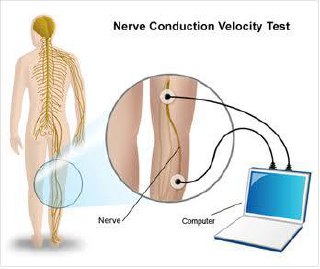
A nerve conduction velocity (NCV) test is used to assess nerve damage and dysfunction. Also known as a nerve conduction study, the procedure measures how quickly electrical signals move through your peripheral nerves.
Peripheral nerves start where the nerve root takes off from the spinal cord. These nerves help control your muscles and experience the senses. Healthy nerves send electrical signals more quickly and with greater strength than damaged nerves.
The NCV test helps doctor differentiate between an injury to the nerve fiber and an injury to the myelin sheath, the protective covering surrounding the nerve. It can also help doctor tell the difference between a nerve disorder and a condition where a nerve injury has affected the muscles. Making these distinctions is important for proper diagnosis and determining course of treatment.
A nerve conduction velocity (NCV) test is used to assess nerve damage and dysfunction. Also known as a nerve conduction study, the procedure measures how quickly electrical signals move through your peripheral nerves.
Peripheral nerves start where the nerve root takes off from the spinal cord. These nerves help control your muscles and experience the senses. Healthy nerves send electrical signals more quickly and with greater strength than damaged nerves.
The NCV test helps doctor differentiate between an injury to the nerve fiber and an injury to the myelin sheath, the protective covering surrounding the nerve. It can also help doctor tell the difference between a nerve disorder and a condition where a nerve injury has affected the muscles. Making these distinctions is important for proper diagnosis and determining course of treatment.
❤10👍7👏1😱1🤩1
What is Paint Protection Film?
Paint protection film also called clear film is a thermoplastic urethane often self healing film applied to painted surfaces of a new or used car in order to protect the paint from stone chips, bug splatters, and minor abrasions. This film is also used on airplanes, RVs, cell phones, electronics, screens, motorcycles and many other areas. Paint protection film is OEM approved by virtually all car manufacturers.
Paint protection film is installed on a limited basis by manufacturers on various pieces of cars at the factory (e.g. the rear arches of Porsches). This film is most commonly applied to high impact areas of vehicles which include: the hood, the front fenders, the front bumper, the side view mirrors, the rocker panels, the lower portion of the doors, and the rear guards behind the rear wheels.
This is because these specific panels are the most susceptible to damage from rock chips and other forms of road debris from other vehicles, driving near construction, and even through self-inflicted damage which is caused by simply driving due to the fact that debris is inevitably is kicked up from the tires rotating. The film is generally installed by certified trained professionals who receive supplies from outside distributors and dealers.
Paint protection film also called clear film is a thermoplastic urethane often self healing film applied to painted surfaces of a new or used car in order to protect the paint from stone chips, bug splatters, and minor abrasions. This film is also used on airplanes, RVs, cell phones, electronics, screens, motorcycles and many other areas. Paint protection film is OEM approved by virtually all car manufacturers.
Paint protection film is installed on a limited basis by manufacturers on various pieces of cars at the factory (e.g. the rear arches of Porsches). This film is most commonly applied to high impact areas of vehicles which include: the hood, the front fenders, the front bumper, the side view mirrors, the rocker panels, the lower portion of the doors, and the rear guards behind the rear wheels.
This is because these specific panels are the most susceptible to damage from rock chips and other forms of road debris from other vehicles, driving near construction, and even through self-inflicted damage which is caused by simply driving due to the fact that debris is inevitably is kicked up from the tires rotating. The film is generally installed by certified trained professionals who receive supplies from outside distributors and dealers.
👍13❤7👏2😱1🤩1
What Is Hockey Stick Flex And Why Does It Matter?
The flex is a measure of the stiffness of a hockey stick. Basically, the lower the flex number, the more flexible the stick is. I know, that’s a little counter intuitive. Since it’s called the flex number, some people think that a higher number would mean more flexibility, and I get why, but it’s actually the opposite.
The reason why a lower flex number means a stick is more flexible makes sense when you understand what the number represents. The flex number indicates how many pounds of pressure it takes to bend the stick one inch. So, a stick that has a flex number of, say, 30 is much easier to bend one inch than a stick with a flex number of 100.
The first thing to consider is if the stick is going to be cut down to shorten it, or have an extension added to make it longer. The flex for a stick is measured based on the standard length at which the stick is manufactured, but since the majority of players cut sticks down slightly, and some add extensions, this will change the feel of the stick from what the flex number would indicate.
Cutting a stick down will make it feel stiffer and thus perform like a stick with a slightly higher flex number. Conversely, using an extension to make a stick longer will make it feel more flexible, as if it had a slightly lower flex number.
The flex is a measure of the stiffness of a hockey stick. Basically, the lower the flex number, the more flexible the stick is. I know, that’s a little counter intuitive. Since it’s called the flex number, some people think that a higher number would mean more flexibility, and I get why, but it’s actually the opposite.
The reason why a lower flex number means a stick is more flexible makes sense when you understand what the number represents. The flex number indicates how many pounds of pressure it takes to bend the stick one inch. So, a stick that has a flex number of, say, 30 is much easier to bend one inch than a stick with a flex number of 100.
The first thing to consider is if the stick is going to be cut down to shorten it, or have an extension added to make it longer. The flex for a stick is measured based on the standard length at which the stick is manufactured, but since the majority of players cut sticks down slightly, and some add extensions, this will change the feel of the stick from what the flex number would indicate.
Cutting a stick down will make it feel stiffer and thus perform like a stick with a slightly higher flex number. Conversely, using an extension to make a stick longer will make it feel more flexible, as if it had a slightly lower flex number.

👍40😱8❤7🔥7🤩1
What is Colonoscopy?
A colonoscopy is an exam used to detect changes or abnormalities in the large intestine (colon) and rectum. During a colonoscopy, a long, flexible tube (colonoscope) is inserted into the rectum. A tiny video camera at the tip of the tube allows the doctor to view the inside of the entire colon.
If necessary, polyps or other types of abnormal tissue can be removed through the scope during a colonoscopy. Tissue samples (biopsies) can be taken during a colonoscopy as well.
A colonoscopy can help your doctor explore possible causes of abdominal pain, rectal bleeding, chronic constipation, chronic diarrhea and other intestinal problems.
A colonoscopy is an exam used to detect changes or abnormalities in the large intestine (colon) and rectum. During a colonoscopy, a long, flexible tube (colonoscope) is inserted into the rectum. A tiny video camera at the tip of the tube allows the doctor to view the inside of the entire colon.
If necessary, polyps or other types of abnormal tissue can be removed through the scope during a colonoscopy. Tissue samples (biopsies) can be taken during a colonoscopy as well.
A colonoscopy can help your doctor explore possible causes of abdominal pain, rectal bleeding, chronic constipation, chronic diarrhea and other intestinal problems.
👍82😱20🔥12❤9🤩1
What is Uroflowmetry?
Uroflowmetry measures the flow of urine. It tracks how fast urine flows, how much flows out, and how long it takes. It’s a diagnostic test to assess how well the urinary tract functions. Doctor may suggest uroflowmetry if you have trouble urinating, or have a slow stream.
By measuring the average and top rates of urine flow, this test can show an obstruction in urinary tract such as an enlarged prostate. When combined with the cystometrogram (CMG) it can help find problems like a weak bladder.
The flow rate is calculated as milliliters (ml) of urine passed per second. Both average and top flow rates are measured. The fastest flow rate, also known as Qmax, is used to understand if a block or obstruction is severe.
Uroflowmetry measures the flow of urine. It tracks how fast urine flows, how much flows out, and how long it takes. It’s a diagnostic test to assess how well the urinary tract functions. Doctor may suggest uroflowmetry if you have trouble urinating, or have a slow stream.
By measuring the average and top rates of urine flow, this test can show an obstruction in urinary tract such as an enlarged prostate. When combined with the cystometrogram (CMG) it can help find problems like a weak bladder.
The flow rate is calculated as milliliters (ml) of urine passed per second. Both average and top flow rates are measured. The fastest flow rate, also known as Qmax, is used to understand if a block or obstruction is severe.

👍52😱10❤8🔥5👏1
How Do Cash Counting Machines Work?
Cash counting machines are made to count the number or denomination of bills that are placed into the machine. They pull in the bills, count the amount that was inserted, and give you the correct number of bills in a stack. This saves a lot of time and offers a mistake-free way to count large sums.
Cash counting machines are designed to count and sometimes sort bills. These machines have an internal beam that counts the number of times the beam of light is interrupted. This tells the machine how many bills have been counted. For machines that also help to detect counterfeit bills, there is a black light that illuminates the fluorescent images on real bills. This results in the ability to count the bills and detect counterfeit cash at the same time. There are also machines that can determine the denomination of each bill using colour image sensors, or CIS. The sensor scans and determines the value of the bill and adds this to the total on the display screen.
Coin Counters, These machines do for coins what cash counting machines do for dollar bills. They count the number of coins that are put into the machine. However, there are also some models that can also sort the coins into different denominations by sorting the coin sizes separately. This will count the total number of coins and the amount of value between them all while sorting dimes quarters, nickels, and pennies into their own slots.
Cash counting machines are made to count the number or denomination of bills that are placed into the machine. They pull in the bills, count the amount that was inserted, and give you the correct number of bills in a stack. This saves a lot of time and offers a mistake-free way to count large sums.
Cash counting machines are designed to count and sometimes sort bills. These machines have an internal beam that counts the number of times the beam of light is interrupted. This tells the machine how many bills have been counted. For machines that also help to detect counterfeit bills, there is a black light that illuminates the fluorescent images on real bills. This results in the ability to count the bills and detect counterfeit cash at the same time. There are also machines that can determine the denomination of each bill using colour image sensors, or CIS. The sensor scans and determines the value of the bill and adds this to the total on the display screen.
Coin Counters, These machines do for coins what cash counting machines do for dollar bills. They count the number of coins that are put into the machine. However, there are also some models that can also sort the coins into different denominations by sorting the coin sizes separately. This will count the total number of coins and the amount of value between them all while sorting dimes quarters, nickels, and pennies into their own slots.

👍68❤13🔥10😱8🤩4
How do Bluetooth devices work?
Bluetooth uses radio waves instead of wires or cables to transmit information between electronic devices over short-distances. Unlike your cellphone, which uses radio waves to communicate with a cell tower several miles away, the radio waves Bluetooth products use are 1000 times weaker and only travel small distances between the two communicating devices, usually 10 feet or less. If you have a wireless Bluetooth keyboard for your computer, and you take the keyboard to a friend’s house but leave the computer at home, your keyboard won’t be able to communicate with the computer over such a distance. And if you type on it, nothing will appear on your computer screen at home.
When Bluetooth-enabled devices are close enough, they can connect with each other through a tiny computer chip inside them that emits the special Bluetooth radio waves. But first, you have to turn on this chip, which you can usually do by pressing a specific button or flipping a marked switch. Then, the communication between the two Bluetooth devices happens over a short-range network called a piconet (pico means really really small in the metric system). This piconet is essentially a network of Bluetooth connected devices. If you’ve connected your computer to a Bluetooth-enabled keyboard, monitor, mouse and speakers, all these devices will form their own Bluetooth piconet. But they won’t be talking to each other individually. One device in this case the computer will be the main device with which all the others are connected.
Piconets are established automatically. So once you have a device, like your keyboard, installed and in range of the piconet, it will automatically connect. But if it is not in range the keyboard will automatically leave the piconet. When you bring the keyboard back home, where it is in range again, it will automatically reconnect.
It isn’t hard to see why Bluetooth technology has become so popular in recent years. Now everyone can feel like Lieutenant Uhura in the original Star Trek television series as they press their finger to their ear and activate their Bluetooth earpiece in order to receive an incoming phone call, leaving their hands free to help save the starship Enterprise or drive a car.
Bluetooth uses radio waves instead of wires or cables to transmit information between electronic devices over short-distances. Unlike your cellphone, which uses radio waves to communicate with a cell tower several miles away, the radio waves Bluetooth products use are 1000 times weaker and only travel small distances between the two communicating devices, usually 10 feet or less. If you have a wireless Bluetooth keyboard for your computer, and you take the keyboard to a friend’s house but leave the computer at home, your keyboard won’t be able to communicate with the computer over such a distance. And if you type on it, nothing will appear on your computer screen at home.
When Bluetooth-enabled devices are close enough, they can connect with each other through a tiny computer chip inside them that emits the special Bluetooth radio waves. But first, you have to turn on this chip, which you can usually do by pressing a specific button or flipping a marked switch. Then, the communication between the two Bluetooth devices happens over a short-range network called a piconet (pico means really really small in the metric system). This piconet is essentially a network of Bluetooth connected devices. If you’ve connected your computer to a Bluetooth-enabled keyboard, monitor, mouse and speakers, all these devices will form their own Bluetooth piconet. But they won’t be talking to each other individually. One device in this case the computer will be the main device with which all the others are connected.
Piconets are established automatically. So once you have a device, like your keyboard, installed and in range of the piconet, it will automatically connect. But if it is not in range the keyboard will automatically leave the piconet. When you bring the keyboard back home, where it is in range again, it will automatically reconnect.
It isn’t hard to see why Bluetooth technology has become so popular in recent years. Now everyone can feel like Lieutenant Uhura in the original Star Trek television series as they press their finger to their ear and activate their Bluetooth earpiece in order to receive an incoming phone call, leaving their hands free to help save the starship Enterprise or drive a car.
👍92❤11🔥10😱10🤩4
What is Controlled Flight Into Terrain (CFIT)?
CFIT is defined as an unintentional collision with terrain (the ground, a mountain, a body of water, or an obstacle) while an aircraft is under positive control. Most often, the pilot or crew is unaware of the looming disaster until it is too late. CFIT most commonly occurs in the approach or landing phase of flight.
Accidents where the aircraft is out of control at the point of impact are not known as CFIT. Rather, they are considered uncontrolled flight into terrain. Similarly, incidents resulting from deliberate acts, such as terrorism or suicide by the pilot, are also not considered to be CFIT.
Technological advances in situational awareness have dramatically reduced the number of General Aviation Controlled Flight Into Terrain (CFIT) accidents over the past 20 years. Nevertheless, CFIT accidents continue to occur and at least half of them are fatal.
CFIT is defined as an unintentional collision with terrain (the ground, a mountain, a body of water, or an obstacle) while an aircraft is under positive control. Most often, the pilot or crew is unaware of the looming disaster until it is too late. CFIT most commonly occurs in the approach or landing phase of flight.
Accidents where the aircraft is out of control at the point of impact are not known as CFIT. Rather, they are considered uncontrolled flight into terrain. Similarly, incidents resulting from deliberate acts, such as terrorism or suicide by the pilot, are also not considered to be CFIT.
Technological advances in situational awareness have dramatically reduced the number of General Aviation Controlled Flight Into Terrain (CFIT) accidents over the past 20 years. Nevertheless, CFIT accidents continue to occur and at least half of them are fatal.
👍64❤7😱7🔥2👎1
How dangerous is a falling Bullet shot in the Air?
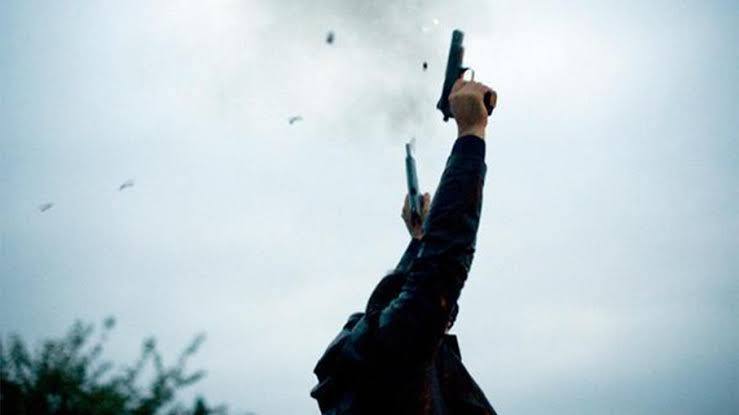
When a gun is shot in the air, the bullet travels straight up into the sky and it will keep moving up until the initial kinetic energy of the bullet is exhausted as a result of air resistance and gravity then it attains its maximum height.
It is at that point that the bullet starts falling to the ground at a terminal velocity that is lower than the muzzle velocity when it left the barrel of the gun. When the bullet starts falling where it will land might be unpredictable because of the effect of air and wind on it, nevertheless, these falling bullets can injure people and kill people.
It should be noted that when a gun is shot at an angle that is less than vertical, it is more dangerous when falling because the bullet maintains the angular ballistic trajectory and the chances of its engaging in a tumbling motion is less, which makes it travel at a speed that is higher than a bullet that is in a free fall.
A falling bullet can reach a speed of more than 61 metres per second and a bullet that is travelling at a speed of 46 to 61 metres per second can penetrate the skin, if it goes faster than this it can penetrate the human skull.
For instance, a pointed bullet moves slower when falling, however, it can still penetrate the human skin, whereas a hollow point bullet is much lethal and this is not because it is easy for it to penetrate the human skin but when they do they create more damage to the human skin.
When a gun is shot in the air, the bullet travels straight up into the sky and it will keep moving up until the initial kinetic energy of the bullet is exhausted as a result of air resistance and gravity then it attains its maximum height.
It is at that point that the bullet starts falling to the ground at a terminal velocity that is lower than the muzzle velocity when it left the barrel of the gun. When the bullet starts falling where it will land might be unpredictable because of the effect of air and wind on it, nevertheless, these falling bullets can injure people and kill people.
It should be noted that when a gun is shot at an angle that is less than vertical, it is more dangerous when falling because the bullet maintains the angular ballistic trajectory and the chances of its engaging in a tumbling motion is less, which makes it travel at a speed that is higher than a bullet that is in a free fall.
A falling bullet can reach a speed of more than 61 metres per second and a bullet that is travelling at a speed of 46 to 61 metres per second can penetrate the skin, if it goes faster than this it can penetrate the human skull.
For instance, a pointed bullet moves slower when falling, however, it can still penetrate the human skin, whereas a hollow point bullet is much lethal and this is not because it is easy for it to penetrate the human skin but when they do they create more damage to the human skin.
😱94👍65❤10🔥7🤩6
What is a Myelin Sheath?
The myelin sheath is the protective, fatty coating surrounding your nerve fibers, similar to the protective insulation around electrical wires. This coating enables the electrical impulses between nerve cells to travel back and forth rapidly. When myelin becomes damaged, these electrical signals are interrupted and may even stop altogether.
Myelin is created by specific types of glial cells. In the Central Nervous System (CNS), glial cells are oligodendrocytes; in the Peripheral Nervous System (PNS), they are Schwann cells.
If you've ever noticed the jerky, sudden movements babies make, this is because their myelin sheaths aren't fully developed at birth. As they get older and the myelin matures and builds up, their movements become smoother and more controlled. This process continues through adulthood.
Demyelination is the term used to describe the destruction of the myelin sheath, the protective covering surrounding nerve fibers. This damage causes nerve signals to slow down or stop, resulting in neurological impairment.
The myelin sheath is the protective, fatty coating surrounding your nerve fibers, similar to the protective insulation around electrical wires. This coating enables the electrical impulses between nerve cells to travel back and forth rapidly. When myelin becomes damaged, these electrical signals are interrupted and may even stop altogether.
Myelin is created by specific types of glial cells. In the Central Nervous System (CNS), glial cells are oligodendrocytes; in the Peripheral Nervous System (PNS), they are Schwann cells.
If you've ever noticed the jerky, sudden movements babies make, this is because their myelin sheaths aren't fully developed at birth. As they get older and the myelin matures and builds up, their movements become smoother and more controlled. This process continues through adulthood.
Demyelination is the term used to describe the destruction of the myelin sheath, the protective covering surrounding nerve fibers. This damage causes nerve signals to slow down or stop, resulting in neurological impairment.
👍47❤10🔥8🤩7😱6
What Is Ferrofluid?
A ferrofluid is a liquid which becomes highly magnetized in the presence of a magnetic field. The distinctive ‘spikey’ shape of a magnetized ferrofluid is caused by the need to find the most stable shape in order to minimize the total energy of the system, an effect known as the normal-field instability. The fluid is more easily magnetized than the surrounding air, so is drawn out along the magnetic field lines, resulting in the formation of peaks and troughs.
However, the extension of the ferrofluid is resisted by gravity and surface tension. The formation of the corrugations lowers the magnetic energy of the system but raises the gravitational energy and surface free energy. When these forces are balanced, the minimum energy configuration is achieved. Because ferrofluids are very easily magnetized (they have an incredibly high magnetic susceptibility), the peaks can be produced using a small bar magnet.
Ferrofluids are known as colloidal fluids and are composed of nanoscale ferromagnetic particles suspended in a carrier fluid, usually water or an organic solvent like kerosene, and coated with a surfactant to stop them clumping together in the liquid. A typical composition would be 5% magnetic particles, 10% surfactant and 85% carrier fluid.
Ferrofluids are also the focus of current scientific research and have the potential to be used in many medical applications. In magnetic drug targeting for example, where drugs could be enclosed by ferrofluid and, once injected into the specific body area requiring treatment, a magnetic field could be applied to keep the drugs in this target area. The localization would limit exposure to the rest of the body and enable the dosage level to be decreased, reducing the adverse side effects experienced by the patient.
A ferrofluid is a liquid which becomes highly magnetized in the presence of a magnetic field. The distinctive ‘spikey’ shape of a magnetized ferrofluid is caused by the need to find the most stable shape in order to minimize the total energy of the system, an effect known as the normal-field instability. The fluid is more easily magnetized than the surrounding air, so is drawn out along the magnetic field lines, resulting in the formation of peaks and troughs.
However, the extension of the ferrofluid is resisted by gravity and surface tension. The formation of the corrugations lowers the magnetic energy of the system but raises the gravitational energy and surface free energy. When these forces are balanced, the minimum energy configuration is achieved. Because ferrofluids are very easily magnetized (they have an incredibly high magnetic susceptibility), the peaks can be produced using a small bar magnet.
Ferrofluids are known as colloidal fluids and are composed of nanoscale ferromagnetic particles suspended in a carrier fluid, usually water or an organic solvent like kerosene, and coated with a surfactant to stop them clumping together in the liquid. A typical composition would be 5% magnetic particles, 10% surfactant and 85% carrier fluid.
Ferrofluids are also the focus of current scientific research and have the potential to be used in many medical applications. In magnetic drug targeting for example, where drugs could be enclosed by ferrofluid and, once injected into the specific body area requiring treatment, a magnetic field could be applied to keep the drugs in this target area. The localization would limit exposure to the rest of the body and enable the dosage level to be decreased, reducing the adverse side effects experienced by the patient.
😱37👍25🔥15🤩10❤6
Why Do Truckers Put Bottles On Wheels?
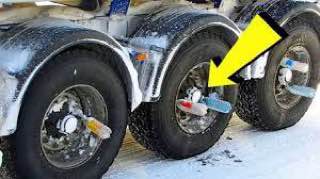
In winter, truckers and heavy truck drivers use plastic containers to prevent the wheel from jamming. This method is mainly used for trailers, since a powerful tractor can move without effort.
On trailers, the driver does not notice that the jammed wheel begins to wear out and burst when the truck moves. They cannot see this process because the trailer is long. To solve the problem, truckers install plastic containers and can easily see the moment of slipping or scrolling in the rear-view mirror. The container is mounted in such a way that its bottom protrudes slightly beyond the border of the tire. They also try to use colored plastic so that it can be seen from a distance.
Another reason for use is to protect against freezing of bolts or nuts. In severe frosty weather conditions, the wheel bolts on the wheel freeze. If the tire starts to crackle or burst, the trucker simply cannot perform its replacement. To protect from this, bottle caps are used, and the bolts are closed with them. We also note that bottles are mainly installed on tubeless tires, since when they become jammed, they wear out faster than tube tires.
In winter, truckers and heavy truck drivers use plastic containers to prevent the wheel from jamming. This method is mainly used for trailers, since a powerful tractor can move without effort.
On trailers, the driver does not notice that the jammed wheel begins to wear out and burst when the truck moves. They cannot see this process because the trailer is long. To solve the problem, truckers install plastic containers and can easily see the moment of slipping or scrolling in the rear-view mirror. The container is mounted in such a way that its bottom protrudes slightly beyond the border of the tire. They also try to use colored plastic so that it can be seen from a distance.
Another reason for use is to protect against freezing of bolts or nuts. In severe frosty weather conditions, the wheel bolts on the wheel freeze. If the tire starts to crackle or burst, the trucker simply cannot perform its replacement. To protect from this, bottle caps are used, and the bolts are closed with them. We also note that bottles are mainly installed on tubeless tires, since when they become jammed, they wear out faster than tube tires.
👍52😱21🔥12❤7🤩4
What are Anti-Collision Lights?
Anti-collision lights, also known as Beacon lights or Strobe lights are a set of lights required on every aircraft to improve visibility to others, as well as collision avoidance measures by warning other pilots. Historically they have used incandescent bulbs, but recently Light-emitting diodes have been used.
Beacon lights are flashing red lights fitted on the top and bottom fuselage of an aircraft usually on larger passenger aircraft. Their purpose is to alert ground crew and other aircraft that an engine is starting up, running or shutting down, or that the aircraft is about to start moving. Some spin to produce the flashing effect, increasing the chance they will be noticed. Beacon lights are bright enough to be seen from the ground, and can be used to identify aircraft from the ground in dark or overcast conditions where the plane itself isn't completely visible.
Strobe lights are flashing white lights on the furthest left, right and, on larger aircraft and some smaller ones, back points of an aircraft. They are the brightest lights on the aircraft, and are used to signal that an aircraft is entering or approaching an active runway, or for visibility in dark, clear sky. They are sometimes turned off in cloud or fog, as they can further obscure the pilot's sight outside of the aircraft by reflecting off water particles.
Anti-collision lights, also known as Beacon lights or Strobe lights are a set of lights required on every aircraft to improve visibility to others, as well as collision avoidance measures by warning other pilots. Historically they have used incandescent bulbs, but recently Light-emitting diodes have been used.
Beacon lights are flashing red lights fitted on the top and bottom fuselage of an aircraft usually on larger passenger aircraft. Their purpose is to alert ground crew and other aircraft that an engine is starting up, running or shutting down, or that the aircraft is about to start moving. Some spin to produce the flashing effect, increasing the chance they will be noticed. Beacon lights are bright enough to be seen from the ground, and can be used to identify aircraft from the ground in dark or overcast conditions where the plane itself isn't completely visible.
Strobe lights are flashing white lights on the furthest left, right and, on larger aircraft and some smaller ones, back points of an aircraft. They are the brightest lights on the aircraft, and are used to signal that an aircraft is entering or approaching an active runway, or for visibility in dark, clear sky. They are sometimes turned off in cloud or fog, as they can further obscure the pilot's sight outside of the aircraft by reflecting off water particles.
👍54❤13🔥7😱7🤩4
What is the difference between A1 and A2 milk?
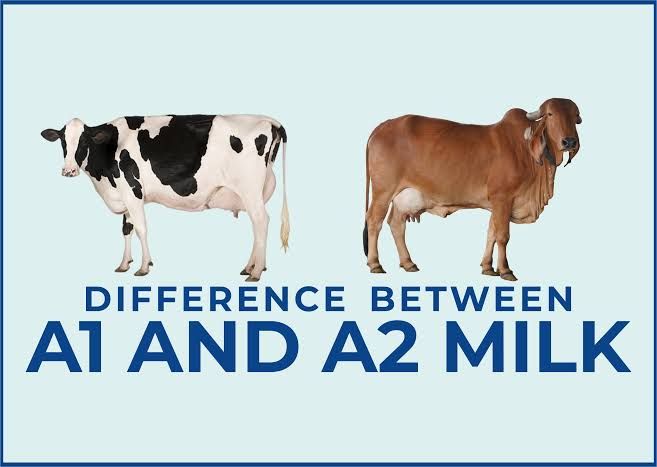
In the proteins found in milk, a protein called beta-casein makes up 30%. Beta-casein is of two kinds : A-1 Beta-casein and A2 Beta-casein.
Regular milk mostly contains A-1 protein which may cause uneasiness and according to some studies, can increase the risk to many diseases.
A-2 protein milk is gentle on sensitive tummies and less likely to trigger symptoms associated with milk intolerance. A-2 protein is similar in structure to human milk which is why it’s naturally more digestible than A-1 milk. Research shows that A-1 protein milk causes many digestive issues. Moreover, A-2 milk is high in Omega 3 & 6, Vitamins, Calcium, Minerals, Iodine, Magnesium, antioxidant Beta-Carotene and many more.
A-2 milk has shown to have medicinal benefits. It is particularly essential during pregnancy and childhood. Research shows that milk from special breed cows with a different kind of protein called A-2 is not only nutritious but also easier to digest.
A-2 milk originates from cow's milk and is healthy for all age groups and contributes in a high protein diet providing you cow milk nutrition.
In the proteins found in milk, a protein called beta-casein makes up 30%. Beta-casein is of two kinds : A-1 Beta-casein and A2 Beta-casein.
Regular milk mostly contains A-1 protein which may cause uneasiness and according to some studies, can increase the risk to many diseases.
A-2 protein milk is gentle on sensitive tummies and less likely to trigger symptoms associated with milk intolerance. A-2 protein is similar in structure to human milk which is why it’s naturally more digestible than A-1 milk. Research shows that A-1 protein milk causes many digestive issues. Moreover, A-2 milk is high in Omega 3 & 6, Vitamins, Calcium, Minerals, Iodine, Magnesium, antioxidant Beta-Carotene and many more.
A-2 milk has shown to have medicinal benefits. It is particularly essential during pregnancy and childhood. Research shows that milk from special breed cows with a different kind of protein called A-2 is not only nutritious but also easier to digest.
A-2 milk originates from cow's milk and is healthy for all age groups and contributes in a high protein diet providing you cow milk nutrition.
👍47❤21🔥7😱7🤩5