Forwarded from ChristianTactics
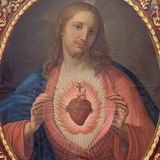
Hail the God King! Humbly kneel before the One who Was, Is, and Forever Will Be. Tear down the idols within your heart and erect a throne for the Lion Lamb.
To sanctify Sundays and holy days of obligation.
It is necessary for those who cannot attend Holy Mass to sanctify Sundays and feasts of obligation.
You can sanctify the day in various ways here we will list a few:
1. By gathering at home with some Catholic friends to pray the Rosary or other devotions, read the Mass proper for that day, and share some topics of spirituality and religion.
2. Following the Mass spiritually online, the Mass is streamed live from Holy Trinity Seminary in Florida.
3. Praying the Rosary or other devotions, reading the Mass proper for that day or growing in the knowledge of the Holy Faith through videos, sermons or readings individually.
It must be something extraordinary that you do not normally do to serve to sanctify that day, it is also very important to refrain from menial work and shopping and to consecrate that day to the Lord.
Channel through which it is streamed: https://www.youtube.com/channel/UCuux5pdNEtdocBDT-EmsxXA
Guide to follow the Mass: https://divinumofficium.com/cgi-bin/missa/missa.pl
It is necessary for those who cannot attend Holy Mass to sanctify Sundays and feasts of obligation.
You can sanctify the day in various ways here we will list a few:
1. By gathering at home with some Catholic friends to pray the Rosary or other devotions, read the Mass proper for that day, and share some topics of spirituality and religion.
2. Following the Mass spiritually online, the Mass is streamed live from Holy Trinity Seminary in Florida.
3. Praying the Rosary or other devotions, reading the Mass proper for that day or growing in the knowledge of the Holy Faith through videos, sermons or readings individually.
It must be something extraordinary that you do not normally do to serve to sanctify that day, it is also very important to refrain from menial work and shopping and to consecrate that day to the Lord.
Channel through which it is streamed: https://www.youtube.com/channel/UCuux5pdNEtdocBDT-EmsxXA
Guide to follow the Mass: https://divinumofficium.com/cgi-bin/missa/missa.pl
I'm quite happy to say that I'm not with the Vatican II Sect.
He's right in a way, though. If you reject Vatican II, then you aren't with him as your Pope, either doctrinally or in obedience.
There's a choice to be made: Catholicism or Vatican II.
He's right in a way, though. If you reject Vatican II, then you aren't with him as your Pope, either doctrinally or in obedience.
There's a choice to be made: Catholicism or Vatican II.
"By their fruits you shall know them. Do men gather grapes of thorns, or figs of thistles? Even so every good tree bringeth forth good fruit, and the evil tree bringeth forth evil fruit. A good tree cannot bring forth evil fruit, neither can an evil tree bring forth good fruit. Every tree that bringeth not forth good fruit, shall be cut down, and shall be cast into the fire. Wherefore by their fruits you shall know them."
Matthew VII: xvi-xx
Can anyone seriously say that Vatican II hasn't brought forth exclusively evil fruits? Or that it has produced even one single good fruit?
Matthew VII: xvi-xx
Can anyone seriously say that Vatican II hasn't brought forth exclusively evil fruits? Or that it has produced even one single good fruit?
Forwarded from Justredpillsv2
This media is not supported in your browser
VIEW IN TELEGRAM
𝗪𝐡𝐨 𝐌𝐚𝐝𝐞 𝐭𝐡𝐞 𝐁𝐢𝐛𝐥𝐞? — 𝐅𝐮𝐧 𝐅𝐚𝐜𝐭𝐬
1) 𝐈𝐧 𝟑𝟖𝟐 𝐀𝐃, 𝐏𝐨𝐩𝐞 𝐒𝐚𝐢𝐧𝐭 𝐃𝐚𝐦𝐚𝐬𝐜𝐮𝐬 presided over the Council of Rome that determined the Canon — or official list of Sacred Scripture. He chose the Scriptures which he divinely considered genuine, ordered and divinely revealed
2) Between 397 and 467 AD, 𝐒𝐭. 𝐉𝐞𝐫𝐨𝐦𝐞 — aided by the Holy Spirit — translated holy Scripture for thirty years in a cave in Bethlehem. It was called the “𝐋𝐚𝐭𝐢𝐧 𝐕𝐮𝐥𝐠𝐚𝐭𝐞.“
3) When 𝐒𝐭. 𝐉𝐞𝐫𝐨𝐦𝐞 had finished his works, he presented it to 𝐏𝐨𝐩𝐞 𝐒𝐚𝐢𝐧𝐭 𝐒𝐢𝐫𝐢𝐜𝐢𝐮𝐬 who called it the “𝐁𝐢𝐛𝐥𝐞,” — which means ‘𝐜𝐨𝐥𝐥𝐞𝐜𝐭𝐢𝐨𝐧 𝐨𝐟 𝐛𝐨𝐨𝐤𝐬.’
4) In 200 AD, 𝐓𝐞𝐫𝐭𝐮𝐥𝐥𝐢𝐚𝐧 — a prolific early Christian writer — gave the term ‘New Testament’ to the New Testament of the Holy Bible. Tertullian is also the oldest extant Latin writer to use the term “trinitas” or “𝐓𝐫𝐢𝐧𝐢𝐭𝐲.”
Link: https://psalm91.com/who-made-the-bible/
1) 𝐈𝐧 𝟑𝟖𝟐 𝐀𝐃, 𝐏𝐨𝐩𝐞 𝐒𝐚𝐢𝐧𝐭 𝐃𝐚𝐦𝐚𝐬𝐜𝐮𝐬 presided over the Council of Rome that determined the Canon — or official list of Sacred Scripture. He chose the Scriptures which he divinely considered genuine, ordered and divinely revealed
2) Between 397 and 467 AD, 𝐒𝐭. 𝐉𝐞𝐫𝐨𝐦𝐞 — aided by the Holy Spirit — translated holy Scripture for thirty years in a cave in Bethlehem. It was called the “𝐋𝐚𝐭𝐢𝐧 𝐕𝐮𝐥𝐠𝐚𝐭𝐞.“
3) When 𝐒𝐭. 𝐉𝐞𝐫𝐨𝐦𝐞 had finished his works, he presented it to 𝐏𝐨𝐩𝐞 𝐒𝐚𝐢𝐧𝐭 𝐒𝐢𝐫𝐢𝐜𝐢𝐮𝐬 who called it the “𝐁𝐢𝐛𝐥𝐞,” — which means ‘𝐜𝐨𝐥𝐥𝐞𝐜𝐭𝐢𝐨𝐧 𝐨𝐟 𝐛𝐨𝐨𝐤𝐬.’
4) In 200 AD, 𝐓𝐞𝐫𝐭𝐮𝐥𝐥𝐢𝐚𝐧 — a prolific early Christian writer — gave the term ‘New Testament’ to the New Testament of the Holy Bible. Tertullian is also the oldest extant Latin writer to use the term “trinitas” or “𝐓𝐫𝐢𝐧𝐢𝐭𝐲.”
Link: https://psalm91.com/who-made-the-bible/
Behold, O kind and most sweet Jesus, I cast myself upon my knees in Thy sight, and with the most fervent desire of my soul I pray and beseech Thee that Thou wouldst impress upon my heart lively sentiments of faith, hope, and charity, with true repentance for my sins and a firm desire of amendment, whilst with deep affection and grief of soul I ponder within myself and mentally contemplate Thy five most precious wounds, having before mine eyes that which the Prophet David spoke of Thee, O good Jesus: They have pierced My hands and My feet; they have numbered all My bones. Amen.
Plenary Indulgence on the usual conditions of Confession, Communion, and prayer for the Papal intentions.
Otherwise: 10 years indulgence
Plenary Indulgence on the usual conditions of Confession, Communion, and prayer for the Papal intentions.
Otherwise: 10 years indulgence
The Spiritual Combat - Fr. Lorenzo Scupoli.pdf
1.6 MB
The Spiritual Combat - Fr. Lorenzo Scupoli
A great book for those starting out in the spiritual life.
"Now you see wherein the real perfection of a Christian lies, and that to obtain it you must enter upon a constant and sharp warfare against self ; you must provide yourself with four very safe and highly necessary weapons, that you may win the palm, and be finally a conqueror in this spiritual conflict – these are,
I. Distrust of self
II. Trust in God
III. Spiritual Exercises
IV. Prayer "
A great book for those starting out in the spiritual life.
"Now you see wherein the real perfection of a Christian lies, and that to obtain it you must enter upon a constant and sharp warfare against self ; you must provide yourself with four very safe and highly necessary weapons, that you may win the palm, and be finally a conqueror in this spiritual conflict – these are,
I. Distrust of self
II. Trust in God
III. Spiritual Exercises
IV. Prayer "